
Your delivery van is back from its route with white crust around the steps, grit in the sliding door and a dashboard wearing somebody's lunch. Tomorrow's bookings are full. You need it cleaned, but you don't need a showroom restoration that keeps it off the road when it should be earning.
That's the useful starting point for fleet detailing: decide what needs removing, what needs protecting and when the vehicle must be ready. In a Greater Toronto Area winter, the dirtiest paintwork isn't necessarily the biggest problem. The trouble worth paying attention to is often underneath.
Table of Contents
- What Fleet Detailing Covers, Service by Service
- Matching Services to Each Vehicle Type
- Winter Corrosion Control and a Cleaning Schedule by Duty Cycle
- Wash Water, Storm Drains and What Your Contract Should Say
- What Fleet Detailing Costs and How to Compare Quotes
- Electric and Mixed Fleets Need More Process, Not Less
- Book Your First Fleet Detail This Season
What Fleet Detailing Covers, Service by Service
Fleet detailing is a menu, not a compulsory tasting course. An exterior wash removes routine contamination; an interior deep clean tackles embedded dirt; paint correction addresses finish defects. Buying all of them for every vehicle is an excellent way to polish your maintenance budget into thin air.
Start with the job the vehicle needs, then choose the service.
Fleet detailing services and what each includes
| Service | What it includes | Best for | Typical time on site |
|---|---|---|---|
| Exterior wash | Presoak, foam bath, rinse and drying | Routine road film on daily or weekly routes | Allow for the wash queue and a departure inspection |
| Full-service wash | Exterior wash plus hand dry, interior vacuum, dashboard and window cleaning | Client-facing cars and staff vehicles | Reserve a wash-and-interior service slot |
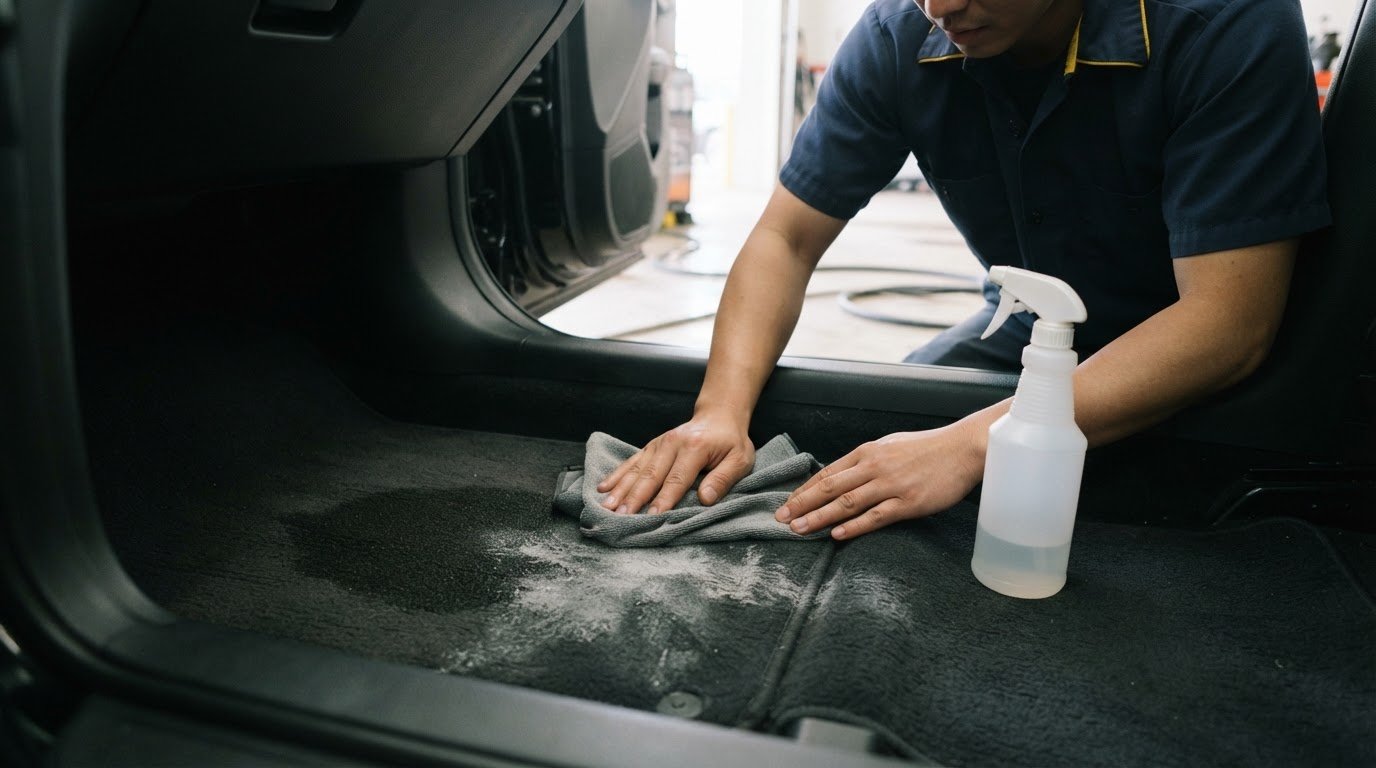
| Interior deep clean | Carpet and seat shampoo, stain and odour removal, vent and crevice blowout | Vans, trucks and vehicles carrying passengers or pets | Book a dedicated appointment and confirm drying time |
| Full detail with machine buff and polish | Machine buffing, polishing, leather care and paint protection | Dealer stock and rental returns | Reserve a restoration appointment with a confirmed release time |
| Underbody rinse and rust proofing | Underbody flush followed by protective chemical treatment where appropriate | Vehicles driven on salted winter roads | Confirm separate rinse, preparation and treatment windows |
Time on site needs a booking commitment, not an optimistic guess. Vehicle size, contamination, drying and the provider's workload all affect the handover. A shampooed seat that's still wet at collection isn't ready just because the invoice is printed.
For a useful introduction to wash-service terminology, Uptown Rent A Car detailing advice provides context when you're comparing package descriptions. Translate every attractive package name into actual tasks before approving it.
Buy the intervention, not the package name
An exterior wash is the maintenance choice for ordinary road film. A full-service wash adds the cabin touchpoints that customers and drivers notice, without turning every visit into a restoration.
Interior deep cleaning belongs on vehicles with embedded salt, stains, pet hair or persistent odours. Remove the source before adding fragrance. Otherwise, you've created a pine-scented problem.
Machine polishing makes sense when paint condition affects presentation or resale. It isn't a substitute for routine washing, and it shouldn't be an automatic treatment for every working van. Underbody rinsing and rust proofing address a different concern altogether: contamination and protection below the bodywork.
Buying rule: The cheapest visit is rarely the cheapest year. Pay for the work that changes the vehicle's condition, not the longest checklist.
Most fleets can build a sensible programme around a small selection of services. Before comparing providers, name the service your dirtiest vehicle needs.
Matching Services to Each Vehicle Type
A fleet isn't one vehicle repeated across a parking lot. A cargo van with dusty shelving and gritty door tracks needs a different intervention from a rental SUV returned with pet hair and stained upholstery.
Sort vehicles by their work, not just their badge. Two identical vans can need different cleaning plans if one carries packaged goods and the other carries landscaping equipment.
Service needs by fleet vehicle type
| Vehicle type | Main contamination | Priority services | Often missed |
|---|---|---|---|
| Sedans and hatchbacks | Road film, brake dust, light salt | Exterior wash and interior vacuum | Door seals and wheel wells |
| SUVs and crossovers | Mud, salt in wheel wells, pet hair | Full-service wash and interior deep clean | Underbody salt hidden by ride height |
| Cargo vans | Cargo dust, floor debris, salt on door tracks | Interior clean and underbody rinse | Sliding door tracks and lift-gate hinges |
| Pickup trucks | Mud, bed grime, road salt | Underbody rinse, bed wash and rust proofing | Frame rails and tailgate seals |
| Rental and dealer cars | Smoke, odours, stains, showroom dust | Condition-led machine polish and interior deep clean | Turnaround time between rentals |
| Electric vans and trucks | Road film, charging-port grime, sensor dust | Exterior wash with sensor and camera care | Charging ports and sensors |
Same yard, different priorities
Say a delivery van runs urban stop-and-go routes in January. Its painted panels may look respectable after a quick wash, but the operator should still check the sliding-door track, step recesses and underbody. A clean logo won't make a gritty door roller work properly.
Now consider a rental SUV returned with pet hair and drink stains. Its immediate priority is the cabin. Dry vacuuming, rubber pet-hair tools and targeted extraction are more useful than polishing an already acceptable bonnet.
Don't promise that shampoo alone will eliminate smoke odour. Clean the affected surfaces, inspect concealed contamination and assess the cabin again after it dries. Fragrance isn't an acceptance test.
Electric vehicles get their own category because their interfaces require a different procedure, not because their paint needs special admiration.
- Group by use: Separate passenger vehicles, cargo vehicles, pickups and rental inventory.
- Record exceptions: Note pet hair, adhesive residue, damaged trim or unusual cargo contamination.
- Assign a priority: Give each group a primary service before adding optional work.
Keep cargo rules explicit. Drivers should remove tools, customer property and loose stock before handover; detailers shouldn't have to decide whether an unlabelled container is rubbish or tomorrow's delivery.
Winter Corrosion Control and a Cleaning Schedule by Duty Cycle
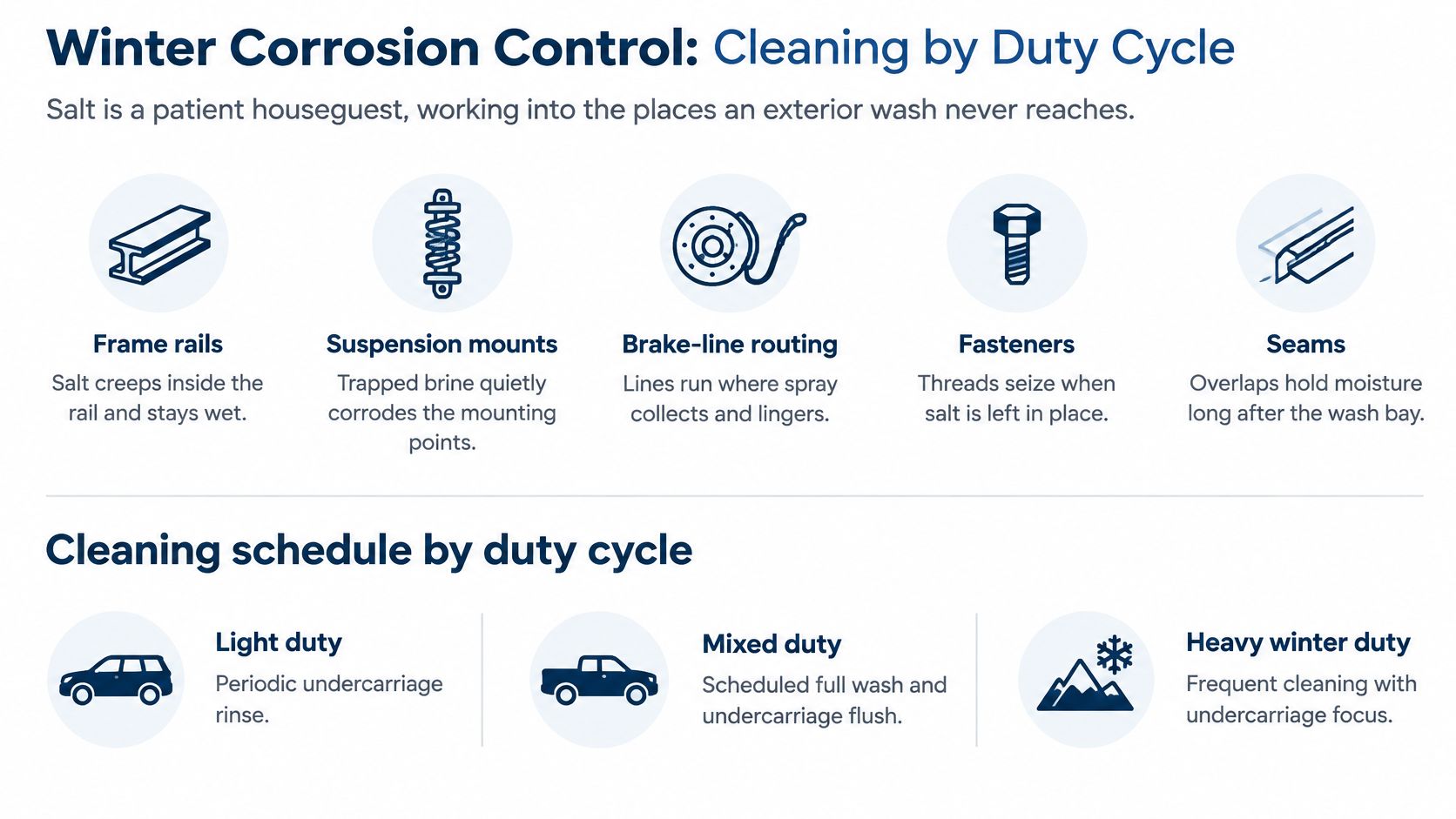
Salt is a patient houseguest. It gets into frame rails, suspension interfaces, brake-line routing, fasteners and seams, then remains after the body panels look clean.
Canadian corrosion research described by NSERC attributes approximately 50% of vehicle corrosion to deicing salts and describes digital-image monitoring tested on 228 corrosion-treated and 141 untreated vehicles. That makes underbody cleaning and repeatable condition photographs more useful management tools than a shine inspection alone.
Set an exposure-based starting schedule
The following is an illustrative operating schedule, not a manufacturer's interval or a guaranteed corrosion-prevention formula. Shorten or extend it after inspecting actual contamination.
| Duty cycle | Underbody rinse | Wheel-well and door-track clean | Inspection point |
|---|---|---|---|
| High-mileage delivery vans in urban stop-and-go traffic | Weekly during salt season | Every two weeks, sooner if gritty | Door tracks and brake components |
| Rural or untreated road routes | After each trip involving salted roads | Weekly during active winter use | Frame rails and steps |
| Light-use service cars | After heavy salting or freezing rain | Monthly, with exposure checks | Underbody seams |
| Pickups and SUVs in heavy salt | Weekly during salt season | Every two weeks, sooner if packed | Frame and suspension mounts |
| Stored or seasonal vehicles | Before storage and after first thaw, where exposed | Before storage | Fasteners and exposed steel |
Road exposure matters more than the date on a wall calendar. The discussion of why vehicles rust differently across Canada is useful context for treating climate and operating conditions as part of the cleaning decision.
Use a repeatable cleaning sequence
- Remove loose material first. Sweep accessible salt and grit where practical. Don't turn removable solids into extra contaminated wash water.
- Flush the underbody after major salting. Prioritise accessible frame areas and suspension mounts before extended parking. Use appropriate pressure and stand-off distance; don't blast connectors, damaged coatings or seals.
- Clear wheel wells and door tracks. Remove packed deposits with suitable brushes and controlled rinsing. Keep drainage openings clear without forcing debris deeper into them.
- Wash the body and dry accessible areas. Pay attention to steps, seals and entry points before returning the vehicle to freezing conditions.
- Photograph fixed inspection points. Record vehicle identity, mileage, wash date, exposure and visible corrosion. Capture intake and cleaned-condition images from consistent angles.
Exposed metal or advancing rust needs assessment, not another enthusiastic pass with the pressure washer. Our rust proofing team consists of certified professionals who use a unique chemical compound to protect vehicles.
Judge the programme by vehicle availability, repeat contamination and corrosion findings. Shine is welcome, but it isn't the maintenance report.
Connect cleaning exceptions to the maintenance workflow. My Safety Manager's explanation of how preventive maintenance boosts truck uptime provides useful context for routing findings into planned service rather than leaving them in a photo folder nobody opens.
Wash Water, Storm Drains and What Your Contract Should Say
A van can leave spotless while its salty wash water runs straight into a storm drain. That's a clean vehicle, not evidence of a properly controlled wash.
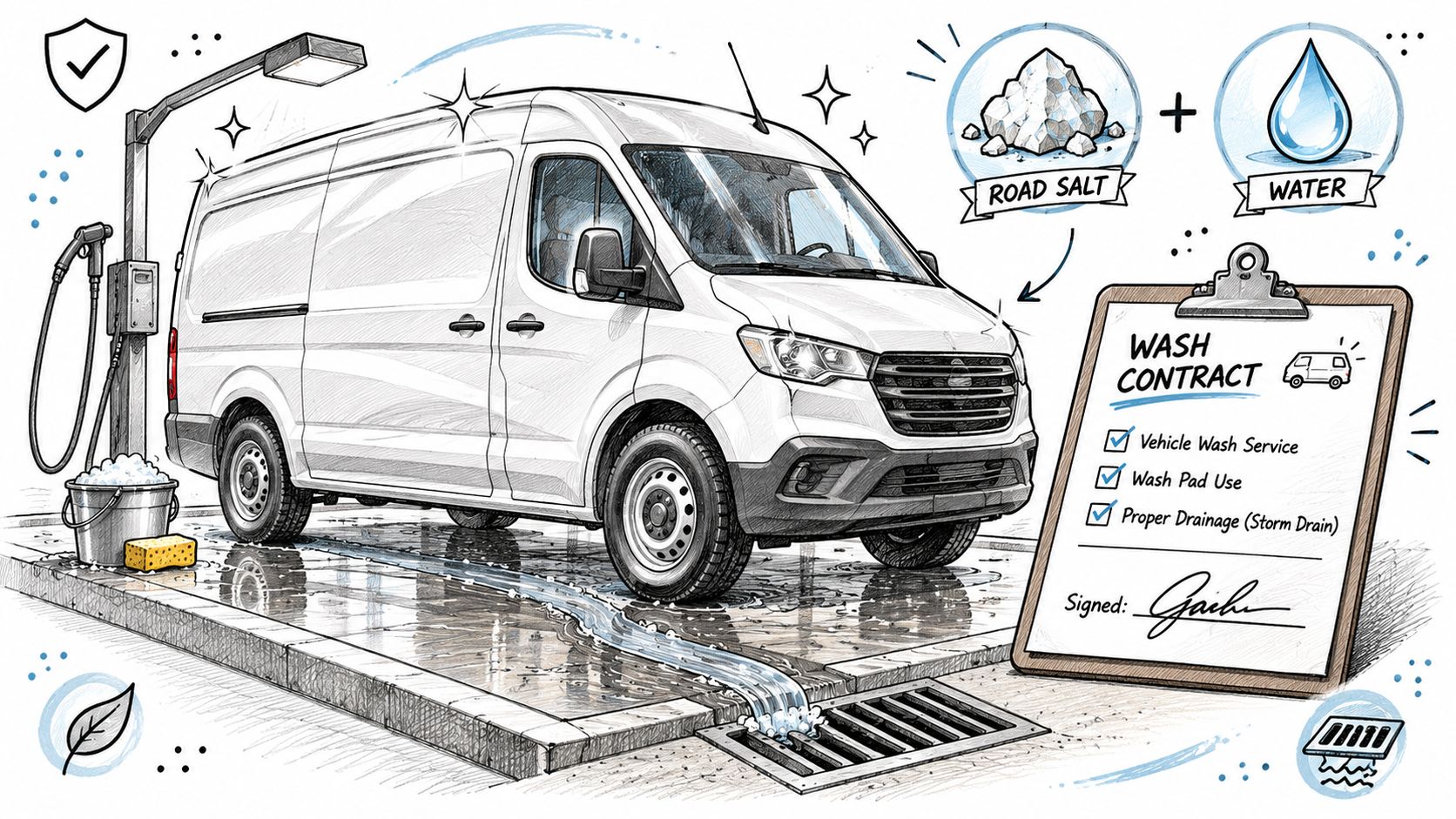
Ontario road-salt management guidance identifies salt as corrosive to vehicles, concrete and infrastructure, recommends indoor washing where possible, and calls for outdoor wash water to be contained and directed through positive drainage to a water-management system. The same guidance recommends removing residual solids before washing where practical.
Follow the water, not the sales pitch
Walk the proposed wash area before accepting an on-site arrangement. Identify where rinse water travels, where solids accumulate and who handles the collected material.
A yard's convenient slope isn't a wastewater plan. Nor does a drain grate tell you whether the destination is suitable for commercial wash water.
Consider a contractor washing pickups beside a storm sewer. Collecting loose grit first helps, but it doesn't make the remaining salty water suitable for that drain. The operator needs a contained washing arrangement and an appropriate collection, treatment or disposal route.
A portable containment system can change the setup, provided the operator captures the runoff and manages it properly. Putting equipment beside the wash area isn't the same as using it.
Put these commitments in the quote
- Contained washing: Identify the wash bay or containment arrangement and how the operator prevents escape to storm drains.
- Documented solids removal: State who collects loose grit and salt, where it goes and how the task is recorded.
- Written drainage or disposal procedures: Identify the water-management route, any recovery equipment and responsibility for disposal records.
Also define what happens when the planned controls aren't available. A blocked collection point, damaged containment berm or failed recovery pump should trigger a pause and an alternative arrangement, not a hopeful shrug.
Contract test: If the agreement describes the foam colour but not where the dirty water goes, it needs another draft.
Don't treat this checklist as a substitute for site-specific approvals or local requirements. Use it to make environmental controls visible, assign responsibility and stop a low quote from excluding an essential part of the job.
What Fleet Detailing Costs and How to Compare Quotes
Price follows vehicle type, service mix, frequency and containment requirements. A useful quote separates those drivers instead of hiding everything inside a fleet rate.
Vehicle type comes first. A tall cargo van, pickup bed and compact sedan present different cleaning areas and access problems. Give bidders the actual vehicle list, including body configuration and cargo-space requirements.
Compare scope before totals
Service mix determines the work being purchased. Routine washing and paint correction aren't interchangeable, and an interior vacuum doesn't include extracting embedded salt from carpet.
Frequency determines the recurring commitment. Price the planned schedule and the procedure for extra visits after severe contamination, rather than assuming every vehicle will need identical treatment.
Containment completes the comparison. A quote that includes solids collection and wastewater handling isn't equivalent to an open-yard wash that leaves those responsibilities with you.
- Separate routine work: Request a vehicle-by-vehicle service schedule.
- Itemise exceptions: Identify charges for unusual contamination, missed appointments and extra labour.
- Define release conditions: Record drying requirements, inspection and handover expectations.
The Procright guide to price breakdowns is a useful resource for thinking through itemised costs rather than comparing unexplained totals.
Include the operational bill
Compare annual cleaning expenditure plus operational disruption. Include driver travel, collection time, replacement-vehicle arrangements and missed availability where they apply to your operation.
A cheaper wash across town may require a driver you can't spare. A longer detail may be economical before resale but wasteful between ordinary shifts. Send every bidder the same vehicle list, service scope, containment requirements and proposed cadence, then compare the resulting commitments.
Electric and Mixed Fleets Need More Process, Not Less
A Pembina Institute analysis found that existing battery-electric truck models could meet the daily range needs of most Class 3–8 trucks in the GTHA, even allowing for winter range reductions of up to 50%; about 40% could meet daily charging needs from home-base chargers. For fleet managers, electric-truck cleaning procedures are an operating question, not just a future planning exercise.
An electric van still collects ordinary road dirt. The difference is how technicians work around charging interfaces, cameras, sensors and vehicle-specific equipment.
Build the vehicle-specific service check
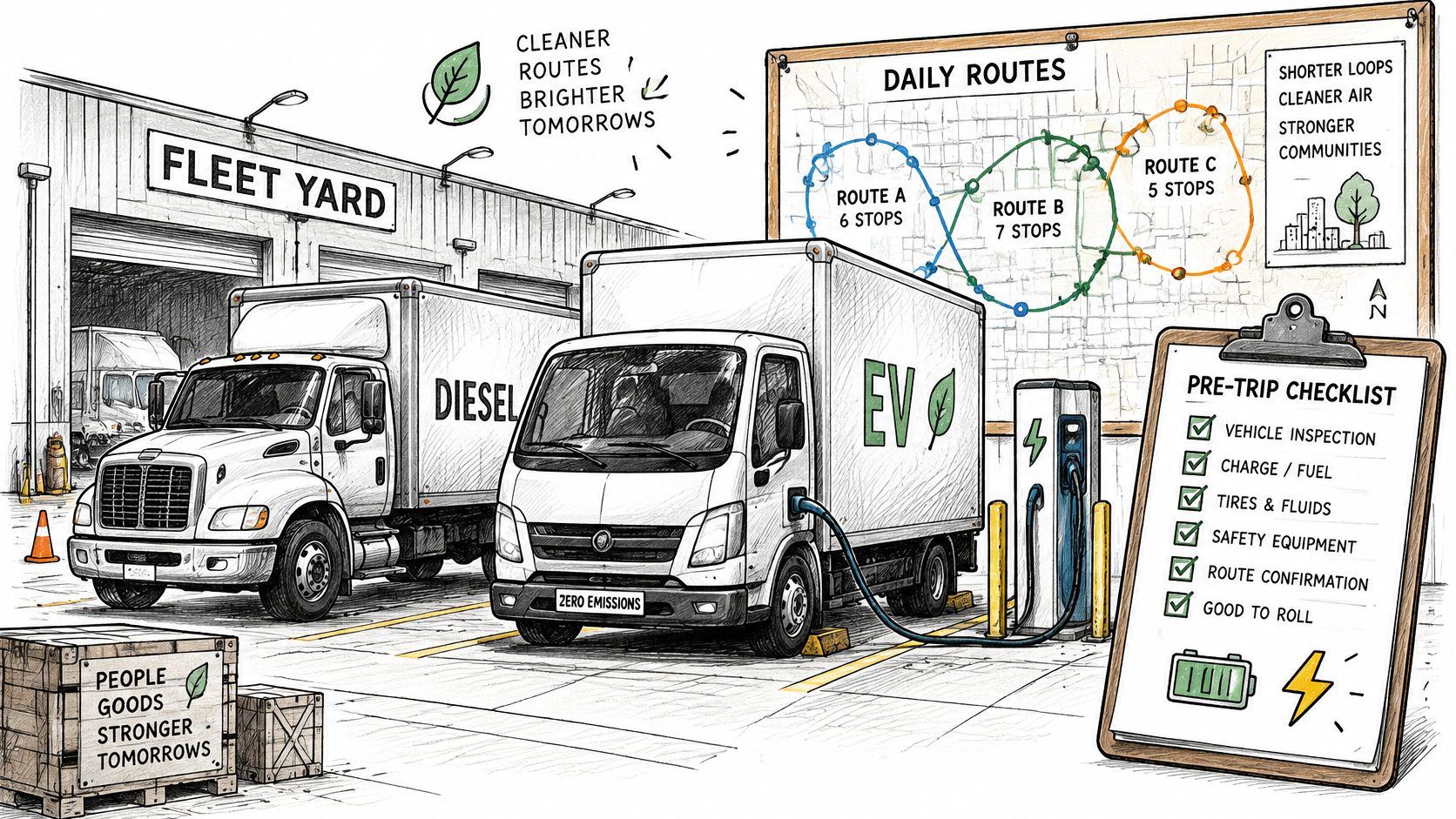
- Record vehicle status before work. Note existing warnings, visible damage and the vehicle's charging state. Follow the manufacturer's wash preparation procedure, including any specified wash mode.
- Protect charging ports and connectors. Confirm closures are secure and keep equipment out of the wash path. Don't improvise caps or spray chemicals into interfaces.
- Control pressure near sensitive areas. Use manufacturer-approved methods and distances around cameras, sensor housings, seals and electrical interfaces. Maximum pressure isn't a professional qualification.
- Inspect the charging-port area afterwards. Check for visible moisture, debris, damaged seals or a closure that won't latch. Don't probe contacts or attempt electrical repairs.
- Clean cameras and sensors carefully. Use the approved cleaner and a clean, soft cloth. Avoid abrasive pads, dirty brushes and dressings that leave a film.
- Escalate damage or warnings in writing. Identify the vehicle, attach photographs and notify the responsible fleet contact before release where further assessment is required.
Approval beats habit
Keep the manufacturer's procedure available to the technician doing the work. A general instruction to be careful isn't enough when mixed fleets contain different port locations, sensor layouts and wash restrictions.
Don't carry an engine-bay cleaning habit across to an electric vehicle because the bonnet opens. Detailers shouldn't remove high-voltage covers, disturb orange cables or diagnose electrical faults.
The practical boundary is straightforward: clean accessible surfaces using approved methods; refer faults to qualified maintenance personnel.
Keep technician competency records that identify training relevant to the vehicles being serviced. A generic attendance sheet says little about whether someone understands a particular vehicle's wash preparation.
Photo-based condition reports also make handover clearer. Record existing damage before service, document exceptions afterwards and attach the report to the vehicle record. That gives the fleet manager something more useful than competing recollections when a warning appears or a damaged housing is noticed.
Book Your First Fleet Detail This Season
Don't begin by booking the entire yard for the most elaborate package. Begin with a vehicle list and a clear release requirement.
The first appointment should answer a practical question: can the chosen service remove the contamination that matters, document the remaining concerns and return the vehicle when operations need it?
Prepare a booking that can be delivered
- List and group the vehicles. Include body type, use, cargo arrangements and any unusual contamination. Identify which vehicles can be spared and which have fixed departure times.
- Choose the priority work. Assign a service to each group and prepare a winter cadence based on exposure. Keep restoration work separate from routine maintenance.
- Request the written procedure. Include containment, solids removal, vehicle-specific handling and condition reporting. Don't assume a package name covers those details.
Bring photographs of difficult areas if you're arranging the work before the vehicle arrives. A close view of a salt-packed step or stained seat is more useful than a distant shot of an otherwise respectable van.
Set a named contact for approvals. If the technician finds damaged trim, persistent contamination or corrosion requiring assessment, somebody needs authority to decide what happens next.
Make the first handover useful
At Nanak Car Wash, we offer special prices to car dealers, fleet cars, rental cars and other car-related companies, and customers can access all our services in one location rather than arranging appointments around town. Our SUV, van and pick-up truck detailing costs extra, as do pet hair removal and work requiring extra effort, so request a quote against your actual vehicle list.
Detailing appointments can be booked online or by calling 416-749-0202. Confirm the work and collection arrangements when booking, especially if the vehicle has another assignment waiting.
Make this month's first booking for the salt-exposed working vehicle with the clearest operational need, not automatically the car parked nearest the office. Bring the vehicle list, proposed cadence and inspection priorities, then use the handover to establish an acceptance standard you can repeat.
Nanak Car Wash offers washing, detailing and rust proofing to help you address dirty cabins, road contamination and winter protection in one location. Visit Nanak Car Wash to arrange your first fleet detail, and bring your vehicle list so the booking matches the work your fleet does.

 6600 Finch Ave W, Etobicoke, ON M9V 3Z6

 647-703-8515
 MON – SUN 8 AM to 7 PM