
Rust usually starts where you do not look – inside seams, under the doors, around wheel wells, and underneath the car where salt, slush, and moisture sit for months. If you are asking how often should you rust proof a car, the short answer for most drivers is once a year, especially if you deal with winter roads, road salt, and a lot of stop-and-go driving.
That said, not every car needs the exact same schedule. A newer daily driver in the GTA will usually benefit from annual rust proofing. An older vehicle, a work truck, or a car that spends a lot of time parked outside may need closer attention and better timing. The goal is simple – spend a little on protection now so you do not get hit with expensive rust repair later.
How often should you rust proof a car in real life?
For most everyday drivers, once every 12 months is the safe and practical answer. That schedule works well because rust proofing products wear down over time. Water, road grime, heat, and regular driving slowly reduce how well the coating or spray protects the metal.
If you drive through winter often, annual treatment is usually the best value. Salt is the biggest problem. It sticks to the underbody, gets into hidden areas, and speeds up corrosion even when the outside of the car still looks fine. A yearly rust proofing service helps refresh protection before the next winter season starts.
Some drivers try to stretch it to every two years. That can work in milder climates or for vehicles that are rarely used in bad weather, but it is a gamble in areas with heavy salt use. If you are trying to save money, skipping protection often costs more later when rust reaches panels, brake lines, rocker panels, or the frame.
Why one year is the sweet spot
Annual rust proofing is not just a sales pitch. It lines up with how vehicles are actually used. Even if a car looks clean on the surface, the underside takes a beating all year long. Potholes throw up dirty water. Snow and slush collect underneath. Summer heat dries out protective products. Then winter starts the cycle again.
A one-year schedule also makes it easier to stay consistent. Car care works best when it is regular, not reactive. It is the same reason many drivers wash more often in winter and spring. Small, routine maintenance is easier on your budget than waiting for damage.
For commuters, families with one main vehicle, rideshare drivers, and anyone putting steady mileage on their car, yearly treatment is usually the smart move. It gives you predictable upkeep, better long-term vehicle condition, and fewer surprises when it is time to sell or trade in.
What changes how often you should rust proof a car?
The right interval depends on how your vehicle is driven, where it is parked, and what kind of rust proofing is used. This is where the answer becomes less one-size-fits-all.
Your climate and road salt exposure
If you live where winter roads are salted heavily, rust proofing should be part of your yearly maintenance plan. Salt lowers the freezing point of water, which is helpful for roads but terrible for metal. It keeps moisture active and helps corrosion spread faster.
Drivers in snowy regions should not treat rust proofing as optional. Even newer vehicles with factory corrosion protection still benefit from added defense, because factory coatings can get chipped, worn, or missed in vulnerable spots.
The age of your vehicle
New cars are in the best position to benefit from rust proofing because you are protecting clean metal before damage starts. If you start early and keep up with it every year, you have a much better chance of avoiding major corrosion later.
Older cars can still benefit too, but expectations should be realistic. Rust proofing can slow down new rust and help protect areas that are still solid. It will not reverse serious rust that has already formed. If a vehicle already has bubbling paint, flaking metal, or visible underbody corrosion, the service is still useful, but it is more about slowing further damage than starting fresh.
How and where you drive
Highway driving in winter, construction zones, gravel roads, and frequent short trips all add wear. Moisture and salt build up quickly when a car never fully dries out. Vehicles used for deliveries, rideshare, or long commuting usually need consistent annual service because they simply see more exposure.
Parking matters too. A car kept in a garage has some advantages, but it is not automatically safe from rust. If you park a salt-covered vehicle in a warm garage every night, that can actually speed up corrosion because the melting salt and moisture stay active longer.
The type of rust proofing
Not all products last the same amount of time. Some dripless or hard coatings may be marketed as longer-lasting, while oil-based sprays often need yearly reapplication because they creep into seams and vulnerable spots but do not stay fixed forever.
That does not mean one product is always better than the other. It depends on the vehicle, existing condition, and how the treatment is applied. The key is to follow the service interval recommended for the product used, while being honest about your driving conditions.
Best time of year to rust proof your car
Fall is usually the ideal time. You want fresh protection in place before roads get covered in salt, slush, and winter grime. That gives the product a chance to do its job when your vehicle needs it most.
If you missed fall, do not wait an entire year. Spring and summer are still worth it, especially if your current protection is old or you never had the car treated. Rust does not only happen in winter. Moisture sticks around, and corrosion keeps working long after the snow is gone.
What matters most is staying on schedule. Once a year at about the same time is better than waiting until you see damage.
Signs your car may need rust proofing sooner
Sometimes your vehicle tells you not to wait. If you notice rust-colored spots around door edges, wheel wells, the trunk lip, or underneath the vehicle, it is time to take a closer look. Chipped paint and exposed metal are another warning sign.
You should also pay attention after a harsh winter, especially if you drive a lot and do not wash the underbody regularly. Cars used for work or parked outside full-time often need extra protection because they see more moisture and more grime.
If you bought a used car and do not know its rust proofing history, do not assume it is covered. Starting with a fresh treatment gives you a clear maintenance baseline.
Is annual rust proofing worth the money?
For many drivers, yes. Rust repair is expensive, and it rarely stays small once it starts. A little corrosion in one area can spread behind panels or underneath the car where you do not see it until the repair bill gets serious.
Annual rust proofing is usually a lower-cost maintenance item compared with body work, panel replacement, or structural repairs. It also helps preserve resale value. Buyers notice rust, and even small visible spots can make a vehicle look older and less cared for.
There is a trade-off, of course. If you own an older car with limited value and existing heavy rust, you may decide not to keep investing in yearly treatment. But if the vehicle is still mechanically sound and you want to get more years out of it, rust proofing can still be a smart practical expense.
Rust proofing works better with regular washing
Rust proofing is not a substitute for washing. The best results come from combining both. If salt and mud sit on the car for weeks, even a treated vehicle is under more stress than it should be.
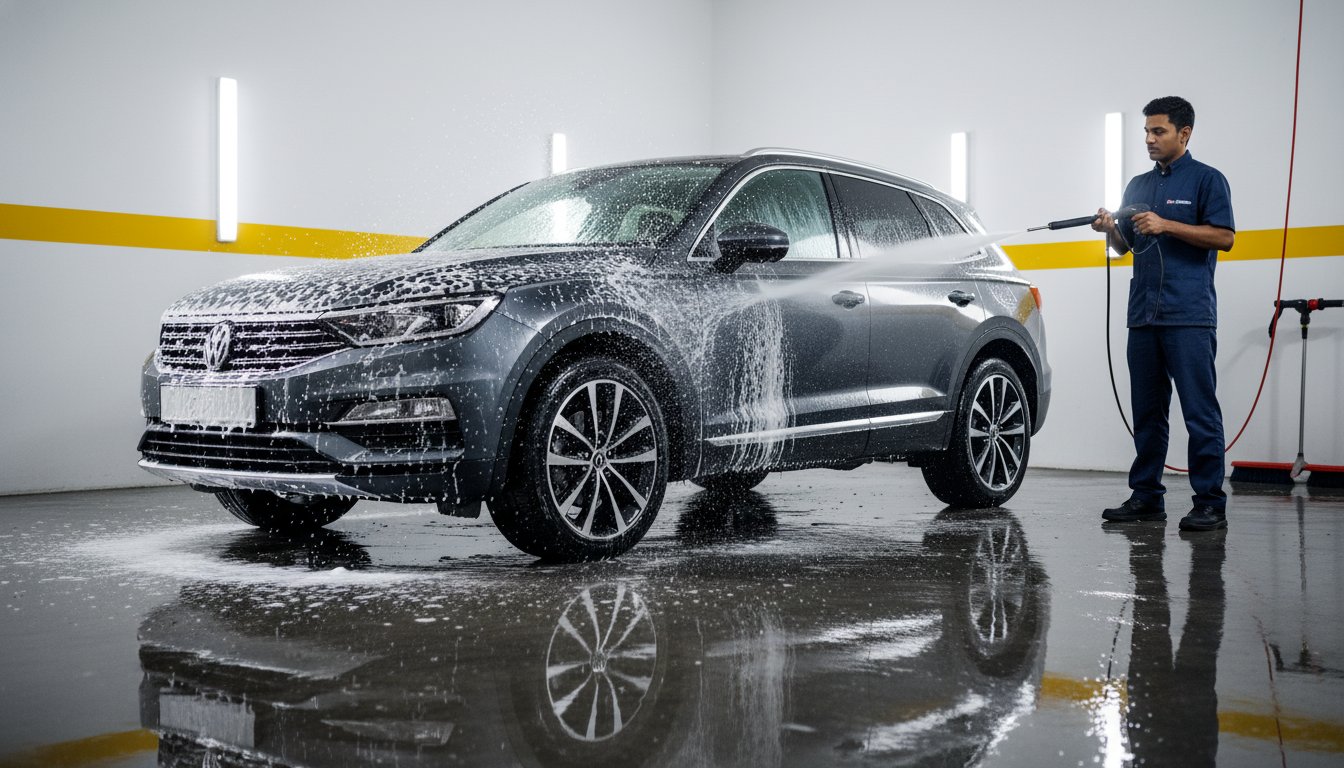
Regular exterior washes and underbody cleaning help remove corrosive buildup before it has time to settle in. That is one reason many drivers pair rust protection with a wash routine instead of treating car care as a once-a-year job. Clean cars are easier to protect, and protected cars stay in better shape longer.
If you want a simple rule to follow, this is it: rust proof once a year, wash regularly through winter and spring, and do not wait for visible rust before taking action. If you need a convenient place to keep up with both, Nanak Car Wash makes it easier to stay ahead of the damage instead of paying for it later.



 6600 Finch Ave W, Etobicoke, ON M9V 3Z6
 647-703-8515
 MON – SUN 8 AM to 7 PM