
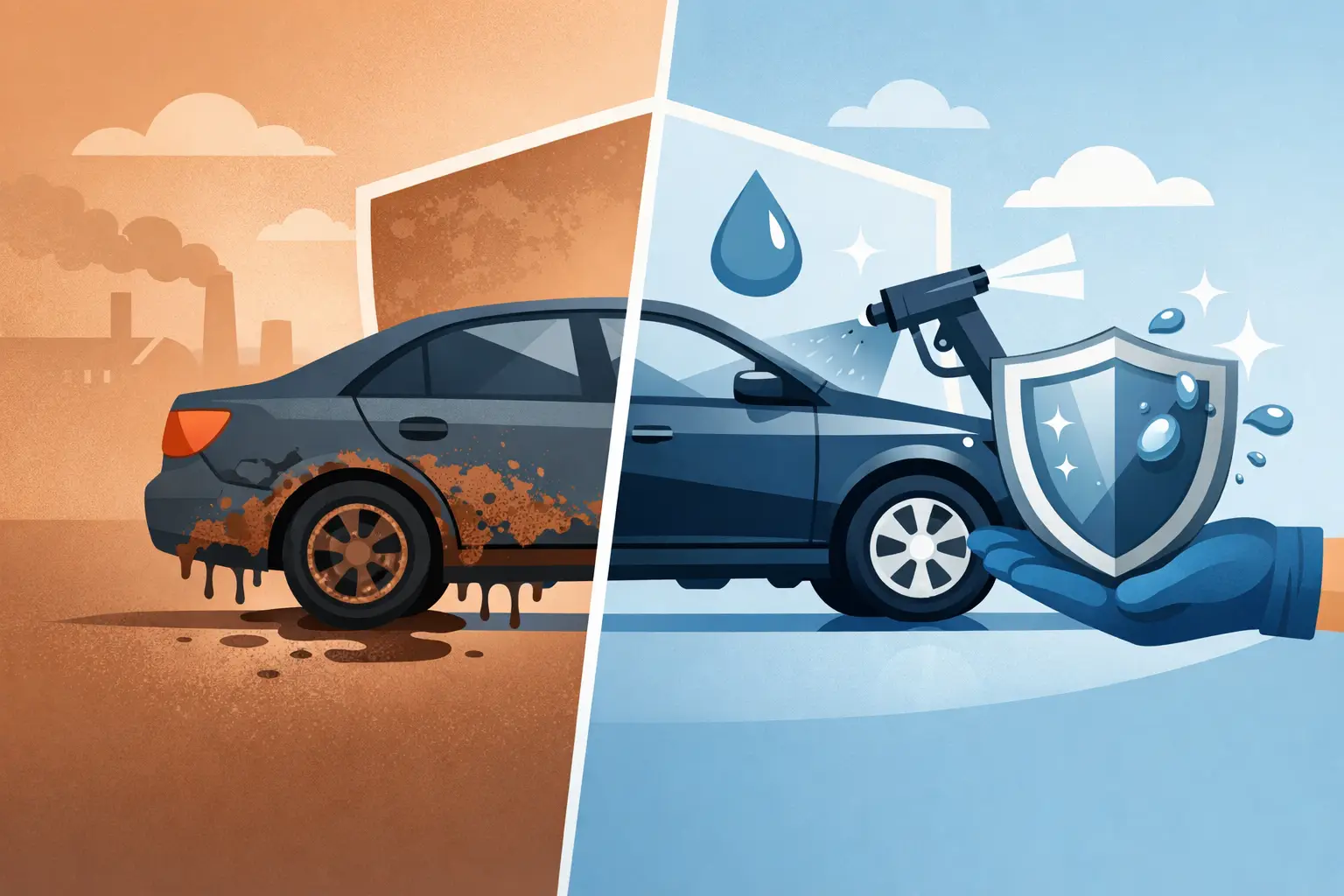
That first patch of rust usually shows up in a spot you were not even watching – near the wheel well, along the rocker panel, or underneath where road salt sits all winter. By the time you see it, the damage has already started. That is why rust proofing matters for everyday drivers who want to keep their vehicles looking better, lasting longer, and holding more value.
If you drive through wet roads, slush, salt, gravel, and changing temperatures, your vehicle is under constant attack from the bottom up. Rust does not care whether your car is brand new, financed, paid off, used for family errands, or working every day for rideshare or delivery. It starts when moisture and contaminants sit on exposed metal, and once it gets going, repairs can get expensive fast.
What rust proofing actually does
Rust proofing is a protective treatment applied to vulnerable areas of a vehicle to help block moisture, salt, and debris from reaching bare or exposed metal. Most treatments focus on the underbody, door panels, rocker panels, frame sections, wheel wells, and other places where water tends to collect.
The goal is simple: slow down corrosion before it turns into visible damage. For most drivers, this is less about making a car look shiny and more about preventing long-term problems. Rust can weaken metal, damage brake and fuel lines, affect structural areas, and lower resale value. Even if you plan to keep your car for years, preventing rust is usually cheaper than fixing it later.
Not every treatment works the same way. Some products are oil-based and creep into seams and tight spaces. Others are thicker coatings designed to create a barrier on exposed surfaces. The right option depends on the vehicle, its age, existing condition, and how it is driven.
Why rust proofing matters more in harsh road conditions
In areas with long winters and heavy salt use, rust protection is not just a nice extra. It is practical maintenance. Salt speeds up corrosion, and when that salt mixes with moisture, slush, and grime, it sticks to the underside of your car day after day.
Short trips can make the problem worse. If you mostly drive to work, school, errands, and back, your vehicle may not stay warm long enough to fully dry out underneath. Moisture gets trapped in seams, behind trim, and inside body cavities. That is where rust starts quietly.
Drivers who keep their cars parked outside also face more exposure. Rain, snow, road spray, and freeze-thaw cycles all add up. If your vehicle is used heavily for commuting, family driving, delivery, or commercial work, rust proofing becomes even more worthwhile because the wear is constant.
Is rust proofing worth it for every car?
For most vehicles, yes, but the value depends on timing and condition. A newer vehicle usually gets the biggest benefit because protection starts before corrosion has a chance to spread. That said, older cars can still benefit if the rust is still minor and the treatment is applied properly.
What rust proofing cannot do is reverse serious rust damage. If metal is already flaking, bubbling, or structurally weakened, a coating will not fix the problem. In that case, damaged areas may need repair first. This is where honest service matters. A good rust protection job should be based on the real condition of the vehicle, not a one-size-fits-all pitch.
For leased vehicles, it depends on how long you plan to keep the car and what condition standards matter at return time. For financed or owned vehicles, especially if you want to keep them beyond a few years, the case is stronger. The longer you own the vehicle, the more protection tends to pay back.
The main types of rust proofing
There are a few common approaches, and each has its place.
Oil-based rust proofing is popular because it spreads into seams, joints, and hidden cavities where rust often begins. It stays active, displaces moisture, and works well for ongoing protection. It may need reapplication over time, but many drivers like it because it gets into the hard-to-reach areas that matter.
Dripless or thicker coatings form more of a barrier on the surface. These can work well on certain exposed underbody areas, but they need to be applied carefully. If moisture gets trapped underneath a heavy coating, that can create problems instead of solving them.
Electronic rust systems are also marketed in some places, but results are mixed in real-world vehicle use. For most everyday drivers, a proven spray-applied rust protection treatment tends to make more practical sense.
The best choice depends on the vehicle and how it is used. A commuter sedan, family SUV, pickup truck, and commercial fleet vehicle may not all need the same treatment plan.
When to get rust proofing done
The best time is before winter or before heavy exposure to salt and wet road conditions. Starting early gives the treatment a chance to protect clean metal surfaces before buildup and corrosion begin.
That said, rust proofing is not only for the fall season. If your vehicle has never been treated, getting it done now is usually better than waiting for the perfect month. What matters most is that the underbody and targeted areas are properly cleaned and the treatment is applied thoroughly.
For drivers who wash regularly, timing your rust protection with routine vehicle care makes sense. A clean vehicle gives technicians a better surface to work with, and regular washing after treatment helps remove the salt and grime that continue to build up over time.
Rust proofing works better with regular washing
This is the part many drivers miss. Rust proofing is protection, not magic. If thick salt and mud are left sitting on your vehicle for months, even a treated car is dealing with constant exposure.
Routine washing helps extend the value of rust protection by removing the stuff that causes corrosion in the first place. Underbody cleaning matters most during winter and early spring when salt buildup is heaviest. If you drive every day, regular washes are one of the easiest ways to protect your investment without spending a fortune.
That is why rust prevention and car washing go together. A treatment helps shield the metal. Ongoing washes help reduce fresh buildup. One without the other is not as effective.
What drivers should expect from a rust proofing service
A proper service should focus on the areas where corrosion usually starts, not just the parts that are easy to see. That includes the undercarriage, inner panels, wheel wells, seams, and cavity areas that hold moisture. The application should be even, targeted, and suited to the vehicle’s condition.
You should also expect clear advice. Some vehicles need annual maintenance. Others may need touch-ups depending on mileage, exposure, and prior treatment history. If a car already has visible rust, you should be told what protection can and cannot do.
For busy drivers, convenience matters too. If you are already coming in for a wash, detailing, or seasonal vehicle care, adding rust protection at the right time can save both effort and future repair costs. That practical, all-in-one approach makes more sense than waiting until rust is visible and expensive.
Rust proofing for older cars, work vehicles, and fleets
Older vehicles are often the ones people worry about most, and for good reason. If the body is still solid, rust proofing can help slow further deterioration and keep the vehicle on the road longer. For budget-conscious drivers, that can be a smart move. Replacing a vehicle early costs a lot more than protecting one that still runs well.
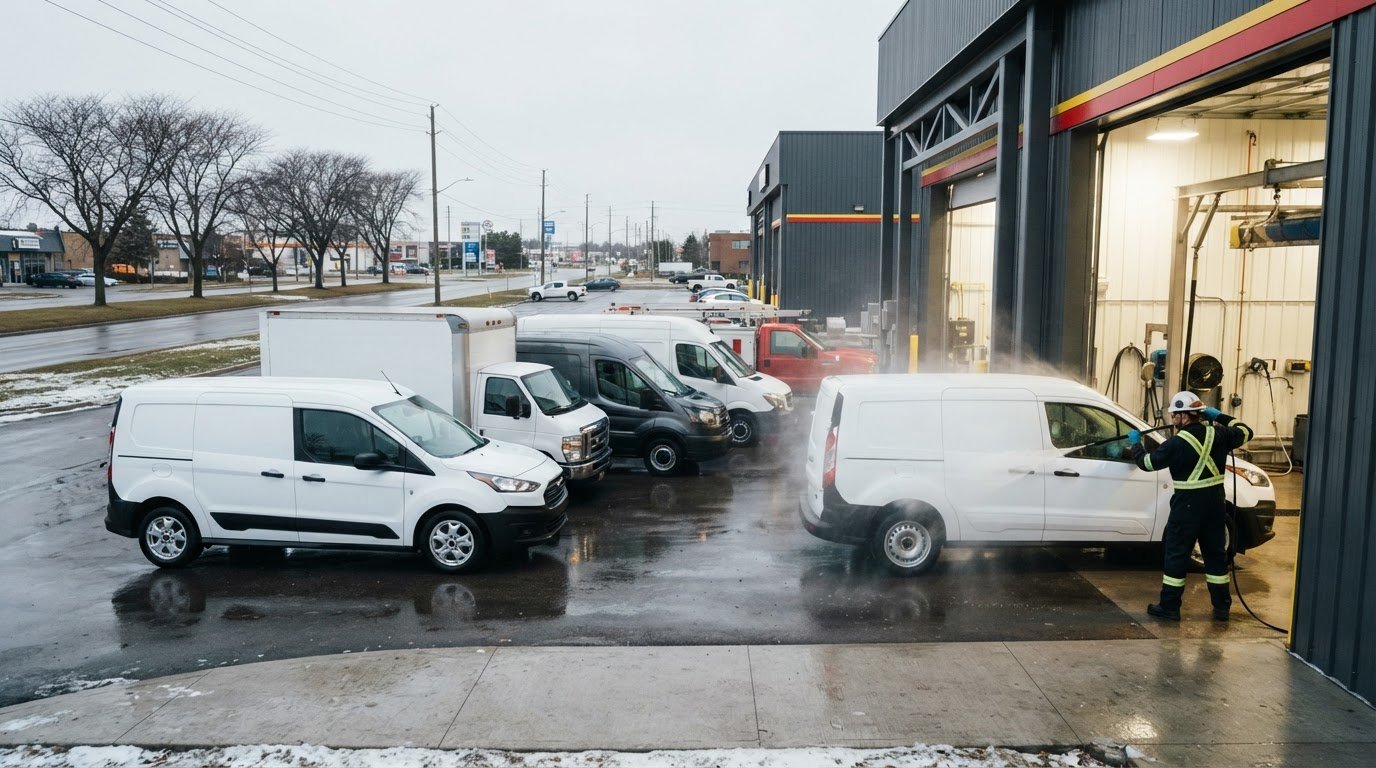
Work vehicles and fleet units benefit too. More mileage means more exposure, more road spray, and more wear underneath. Rust damage does not just hurt appearance. It can affect downtime, repair budgets, and vehicle value across the whole fleet. Protection becomes part of staying ahead of maintenance rather than reacting to it.
For families with one main vehicle, the logic is just as simple. If your SUV or minivan handles school runs, grocery trips, winter commutes, and weekend travel, it is worth protecting the parts you do not see every day.
So, should you get rust proofing?
If you drive in wet, salty, dirty road conditions and plan to keep your vehicle in good shape, rust proofing is usually worth it. It helps protect value, cuts down the risk of corrosion-related repairs, and gives your car a better shot at aging well. It is not a cure for existing major rust, and it works best when paired with regular washing and realistic upkeep.
For everyday drivers, the real benefit is simple: spend a reasonable amount now to avoid bigger costs later. If your car works hard for you, protecting it is not an extra luxury. It is just smart maintenance. If you are already taking care of the outside and inside, protecting the underside is the next practical step.

 6600 Finch Ave W, Etobicoke, ON M9V 3Z6
 647-703-8515
 MON – SUN 8 AM to 7 PM