
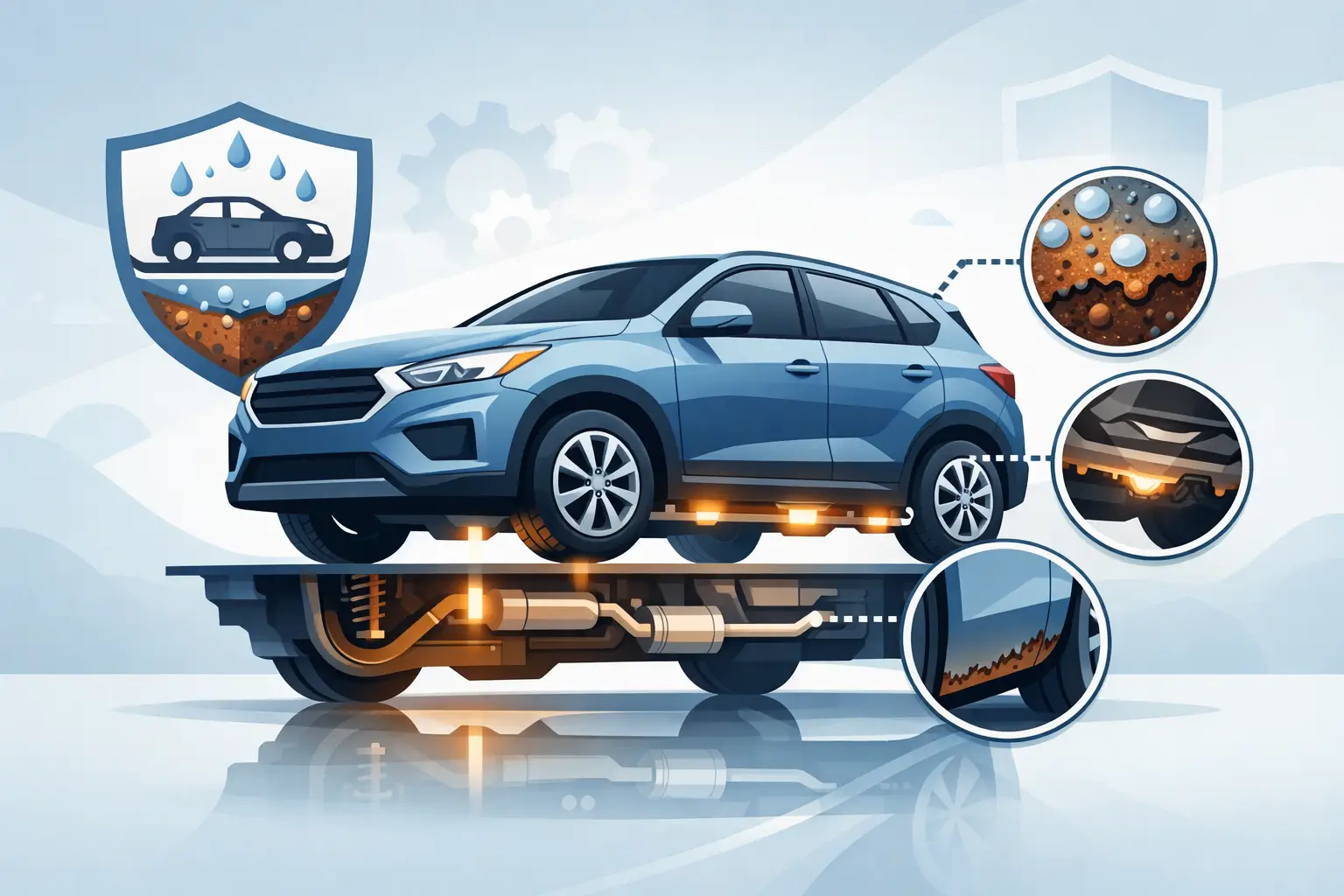
A car can look clean on the outside and still start rusting where you cannot see it. That is usually how the trouble starts – inside panels, under the vehicle, around seams, and anywhere moisture, salt, and road grime keep sitting. If you have been wondering what does rust proofing protect, the short answer is this: it helps protect the metal parts of your vehicle that are most exposed to corrosion over time.
That matters more than most drivers think. Rust is not just a cosmetic issue. Once it gets into the body, frame areas, or undercarriage, repairs can get expensive fast. For everyday drivers, families, commuters, and anyone keeping a vehicle for the long haul, rust proofing is one of those practical services that can save money later.
What does rust proofing protect?
Rust proofing protects vulnerable metal areas on your vehicle from moisture, road salt, slush, and grime that lead to corrosion. The biggest target is usually the underbody, because that is where your car takes the hardest hit from wet roads, winter salt, and debris.
It also helps protect inner door panels, rocker panels, wheel wells, trunk seams, hood seams, and other hidden cavities where water can collect. These are the places drivers rarely inspect, but they are often where rust begins. By the time bubbling paint or visible rust shows up, the problem has usually been building for a while.
On many vehicles, rust proofing is really about buying time and slowing damage before it starts spreading. It creates a barrier on metal surfaces or seeps into tight spaces that are hard to clean and hard to dry. That barrier helps keep corrosive material from sitting directly on the metal.
Why these parts rust first
Cars deal with more than rain. In areas with harsh winters, salt is the real problem. Salt speeds up corrosion, especially when it mixes with slush and sticks to the underside of the vehicle for days at a time. Even a driver who washes regularly can still have buildup in places that a normal rinse does not fully reach.
The undercarriage gets blasted constantly, but doors, fenders, and seams are also at risk because moisture gets trapped there. Drain holes can clog. Dirt can hold water. Small chips in protective coatings can open the door for corrosion to start.
That is why rust proofing is not only about the visible bottom of the car. A good application focuses on the hidden areas where corrosion has the best chance to grow quietly.
What rust proofing helps preserve over time
The main benefit is preserving the structural and cosmetic condition of the vehicle. Structural areas matter because once corrosion gets serious, it can weaken important metal parts and lead to costly repairs. Cosmetic areas matter because rust around wheel arches, door edges, and body panels hurts appearance and resale value.
For many drivers, the real value is simple. Rust proofing can help your car stay solid longer, look better longer, and hold more value if you decide to sell or trade it in later. If you drive often, keep your car outdoors, or plan to own it for several years, that protection becomes more worthwhile.
Commercial vehicles and rideshare cars can benefit too. The more time a vehicle spends on the road, the more exposure it gets to water, grime, and seasonal salt. That extra mileage can speed up wear underneath even if the exterior still looks fine.
What rust proofing does not protect
Rust proofing is useful, but it is not magic. It does not make a vehicle immune to rust forever. It also does not reverse heavy corrosion that is already established. If metal is already flaking, perforated, or deeply rusted, rust proofing may help slow things down in nearby areas, but it will not repair the damaged metal.
It also does not protect non-metal parts. Plastic trim, rubber seals, upholstery, and electronics are not what rust proofing is for. The goal is corrosion control on metal surfaces and cavities where rust tends to form.
This is where expectations matter. Some drivers hear the term and assume one treatment means permanent protection. In real life, it depends on the product used, the condition of the car, weather exposure, and whether the treatment is maintained properly.
What does rust proofing protect best on newer vehicles?
Newer vehicles usually get the biggest benefit because there is less existing corrosion to deal with. When rust proofing is applied early, it can help preserve clean metal before moisture and salt have time to settle in and start the corrosion cycle.
That does not mean older cars should be ignored. A vehicle with some age can still benefit, especially if the rust is only minor or surface-level in certain areas. But the earlier you start, the better the results usually are.
For drivers who just bought a used car, this is worth thinking about right away. A used vehicle may look great on the lot but still have underbody exposure from previous winters. Getting it inspected and treated early can be a smart move if you plan to keep it.
Different rust proofing methods and why that matters
Not all rust proofing works the same way. Some treatments are oil-based and designed to creep into seams and tight spaces. Others are thicker undercoatings that create a stronger physical barrier underneath the vehicle. Each approach has its place.
Oil-based applications are popular because they can move into hidden cavities where rust often starts. They are especially useful for ongoing maintenance, but they may need reapplication on a regular schedule. Heavier coatings can offer durable underbody coverage, but surface prep matters a lot. If dirt or existing rust is not handled properly first, the protection may not perform as well as expected.
That is why the service itself matters as much as the product. A fast, cheap job that misses key areas may not give you the coverage you think you are paying for. Good rust proofing should focus on the right parts of the vehicle, not just what is easiest to spray.
Is rust proofing worth it for every driver?
Not always, but for many drivers the answer is yes. If you lease short-term, trade in every couple of years, or only drive occasionally in mild conditions, the value may be lower. If you drive through winter, park outside, commute daily, or want to keep your car for years, rust proofing usually makes more sense.
It is also a practical choice if you want to avoid bigger repair bills later. Bodywork and rust repair can get expensive quickly, and once corrosion spreads inside panels or structural areas, the fix is rarely cheap.
For budget-conscious drivers, this is the key trade-off. Rust proofing costs money now, but it may help you avoid much larger costs down the road. That is especially true in places where winter road treatment is tough on vehicles.
How rust proofing works with regular car care
Rust proofing works best when it is part of regular vehicle maintenance, not a one-time shortcut. Washing matters because it removes salt and grime before they sit too long on the paint and underbody. Interior and exterior cleaning keep the vehicle looking good, but underbody care is what supports rust prevention most.
That is one reason many drivers pair rust protection with routine wash service. A clean undercarriage gives corrosive material less time to stick and build up. If you are already keeping up with washes, adding rust proofing can make that maintenance routine work harder for you.
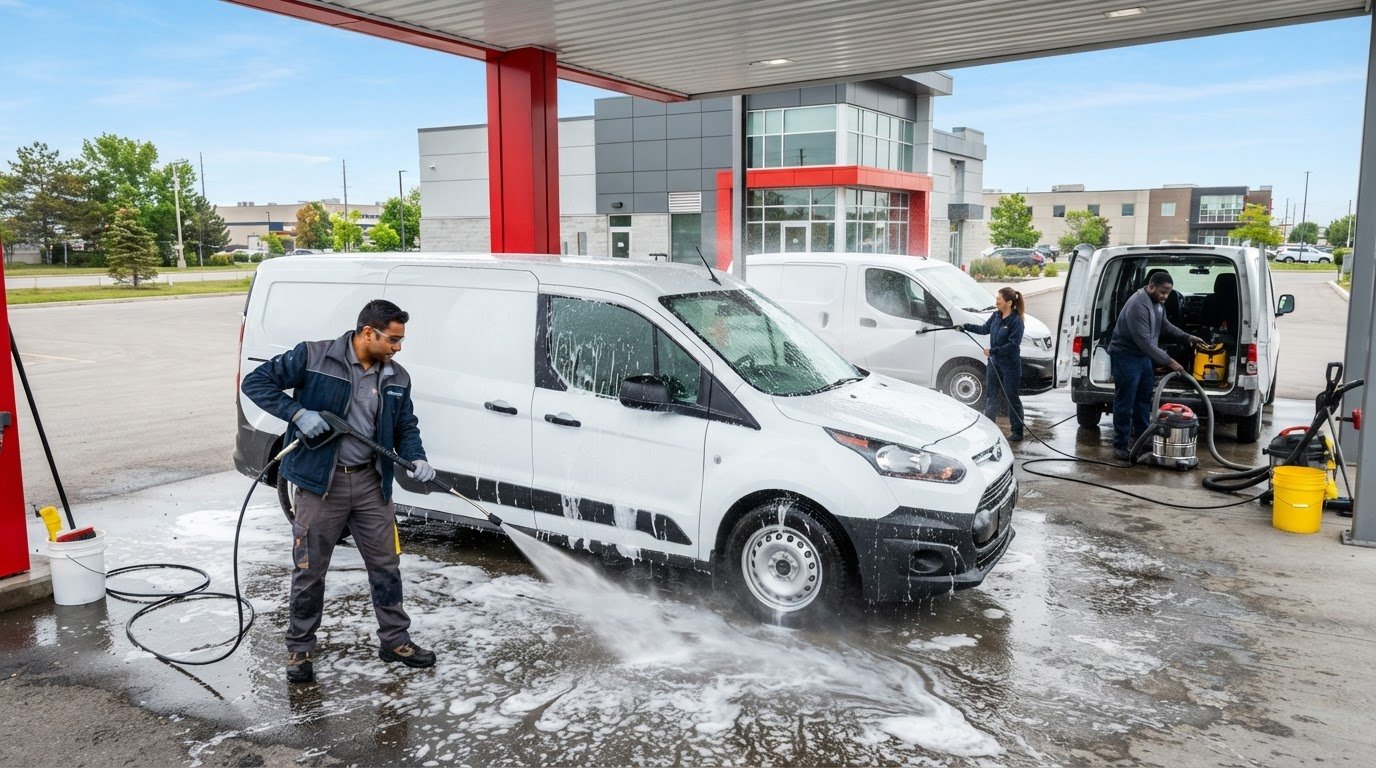
At Nanak Car Wash, that practical approach fits how most people take care of their vehicles. You want solid protection, fair pricing, and service that makes sense for the way you actually drive.
When to get rust proofing done
Before winter is a common choice because it helps prepare the vehicle for salt season. That said, any time of year can be worthwhile if your car has not been treated and you want to start protecting it now. Waiting for the perfect time often just means more exposure.
The better question is whether your vehicle is still in condition to benefit. If the answer is yes, sooner is usually better than later. If there is already visible rust, it is still worth having the vehicle checked so you know what can be protected and what may need attention first.
A good service provider should be honest about that. Some cars are great candidates for preventive treatment. Others may need realistic expectations because corrosion has already started.
Rust does not care if your car is brand new, paid off, or just your everyday ride to work. It starts quietly, spreads slowly, and gets expensive when ignored. If you want your vehicle to last longer and stay in better shape, rust proofing is a practical step that protects the parts you cannot afford to overlook.

 6600 Finch Ave W, Etobicoke, ON M9V 3Z6
 647-703-8515
 MON – SUN 8 AM to 7 PM