
The afternoon sun is bouncing off the car ahead of you. Your dashboard feels warm, your eyes are working overtime, and every stoplight turns your cabin into a small greenhouse. That's usually when drivers start wondering about window tint shades.
A common starting point is one simple question: “How dark should I go?” The better question is, “What problem am I trying to solve?” Privacy, glare, cabin comfort, legal compliance, and easy upkeep don't always point to the same choice. A tint that looks great in a parking lot can feel miserable on a dark winter evening in Ontario.
This guide breaks the topic down the way a good installer or educator would. You'll learn what tint percentages mean, how shade affects privacy and visibility, how different drivers should think about their choices, what Ontario law allows, and how to care for tinted glass so it keeps looking clean instead of hazy or scratched.
Table of Contents
- Getting Started with Window Tint Shades
- Understanding the Science Behind Tint Shades
- How Tint Percentages Impact Privacy Heat and Visibility
- Choosing the Right Tint Shade for Different Drivers
- Ontario Rules for Window Tint Shades
- Caring for Your Tint with Nanak Car Wash
- FAQs and Next Steps for Window Tint Shades
Getting Started with Window Tint Shades
Window tint shades aren't just about making a car look sharper. They change how your cabin feels, how much people can see inside, and how comfortable you are during long drives. For Ontario drivers, they also sit right next to a legal line that's easy to misunderstand.
A lot of confusion comes from the language. Drivers hear things like “35 tint” or “limo tint” and assume bigger numbers mean darker windows. It's the opposite. Tint is usually discussed through Visible Light Transmission, or VLT, which tells you how much visible light passes through the glass and film together.
Think of window tint like sunglasses for your vehicle. Some lenses are nearly clear and mainly cut harsh light. Others are dark enough to give privacy, but they also make it harder to see in dim conditions. The trick is matching the shade to your driving life, not just your style preferences.
Practical rule: Pick your tint based on where and when you drive most often. A vehicle used for night shifts needs a different approach than an SUV carrying kids on bright afternoon trips.
Understanding the Science Behind Tint Shades
Tint sounds simple until you start hearing percentages, colours, and film types all at once. The easiest way to understand it is to separate light, appearance, and material. Those three things work together, but they aren't identical.
What VLT actually means
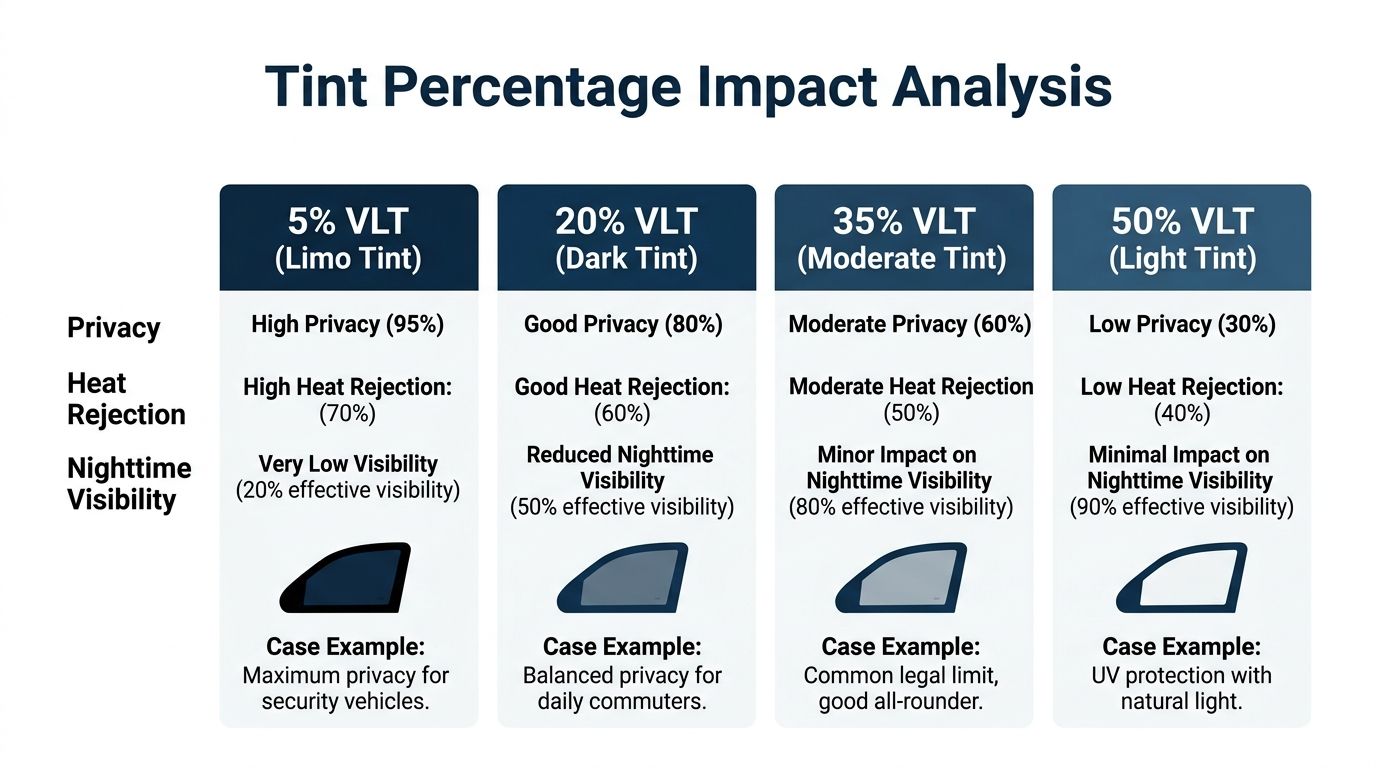
VLT is the percentage of visible light that gets through the window. A higher VLT means more light enters the cabin. A lower VLT means the window looks darker because less visible light passes through.
That's why a 20% tint looks darker than a 50% tint. The 20% film lets in less visible light. The 50% film lets in more. It helps to imagine two pairs of sunglasses, one with a pale lens and one with a smoky lens. Both may reduce discomfort from glare, but they won't look or feel the same.
Tint shade also isn't the same thing as UV protection. Some films can stay relatively clear while still focusing on UV blocking. That matters for drivers who want legal front windows but still care about comfort and interior protection.
Why darker does not always mean better
Drivers often equate darker film with a better result. Sometimes it is better for privacy. It isn't always better for everyday use. A very dark rear window can feel great in direct sun, but a dark front side window can become annoying fast when you're turning onto an unlit side street or checking for cyclists at night.
Film colour adds another layer. Some films look neutral, some slightly smoky, and some have a more noticeable visual tone. What your eye perceives as “dark” isn't only the number on the box. It's also how the film interacts with the glass already in the vehicle and with the light outside.
Here's the simple language to keep in your head:
- Higher VLT: lighter appearance, more natural view out
- Lower VLT: darker appearance, more privacy
- Film type: changes performance without always changing darkness in the same way
- Glass plus film: final appearance depends on both, not film alone
Clear film can still be useful. If your goal is less harsh sunlight on your skin and dashboard, you don't always need a dramatic dark look.
How Tint Percentages Impact Privacy Heat and Visibility
Once you understand VLT, the question becomes practical. What do different shades feel like when you're driving, parking, reversing, or sitting in traffic on a bright day?
Three trade offs drivers feel every day
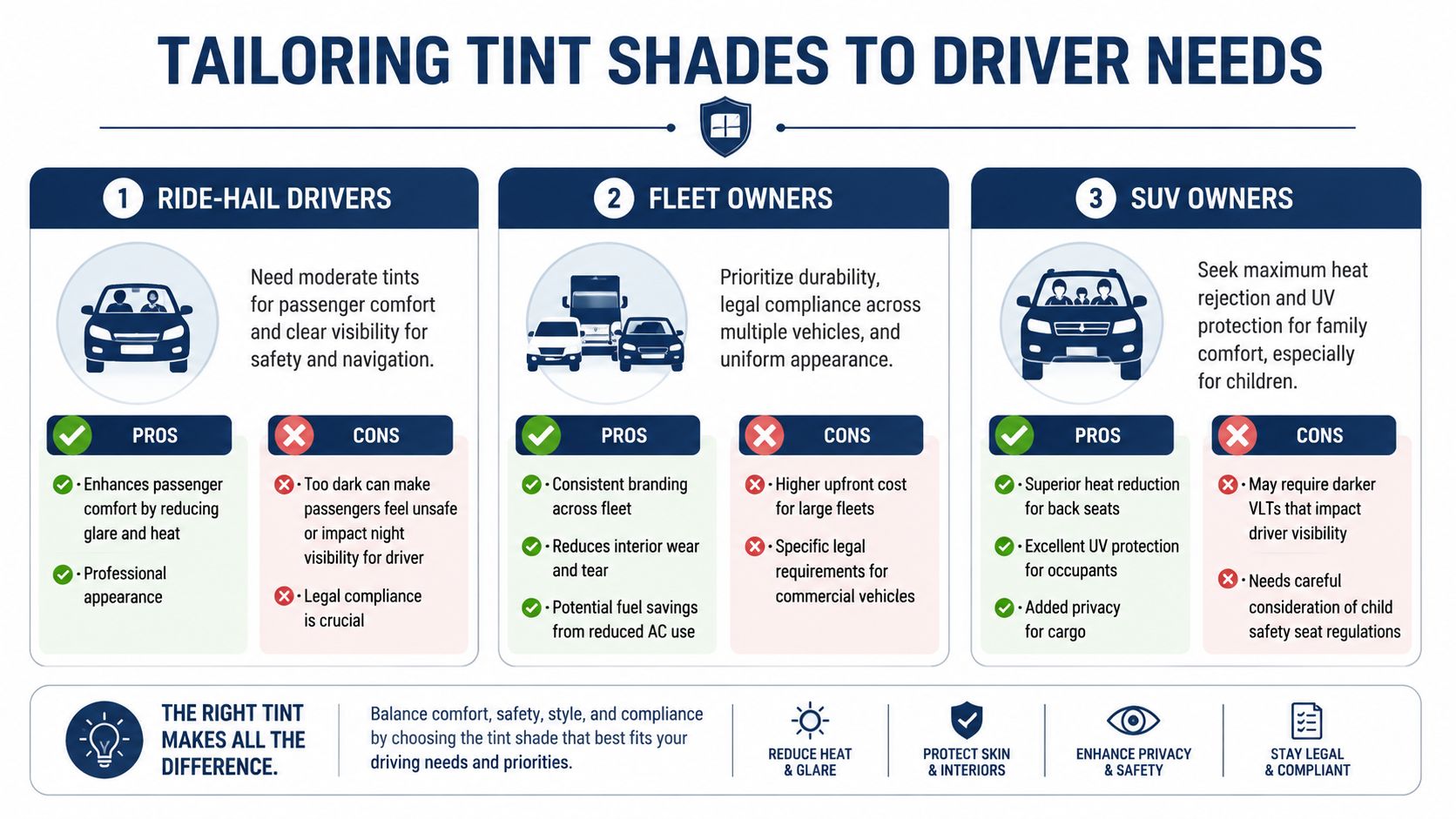
Privacy usually improves as tint gets darker. If you leave tools in the back of a work vehicle or you don't want every passerby looking into your cargo area, darker rear glass can help. That's why many drivers prefer a more assertive tint on rear windows than on the front.
Heat and glare often feel better controlled with films designed for solar performance. Material matters here. Ceramic and carbon films are popular because drivers choose them for comfort, not only appearance. A lighter performance film can sometimes suit a practical driver better than a darker basic film.
Night visibility is the part people underestimate. During the day, a dark tint can feel refined and comfortable. At night, especially in rain, on rural roads, or while backing into tight spaces, that same tint may force your eyes to work harder.
A similar principle applies at home. If a room gets hammered by afternoon sun, exterior shading can reduce the load before light and heat hit the glass. For homeowners thinking about both house and vehicle comfort, Sun screen services from Sparkle Tech show the same logic in a different setting.
A practical way to think about your choice
Use cases make tint easier to understand than abstract percentages.
- Daily commuter in daylight-heavy traffic: usually benefits from a lighter, more balanced front-window approach that keeps sightlines comfortable.
- Delivery driver finishing late: should favour visibility first, especially on side streets, laneways, and underground parking ramps.
- Family SUV on summer road trips: often benefits from stronger rear protection for passenger comfort, while keeping the driver's forward-side view easy to manage.
- Fleet vehicle carrying equipment: may value rear privacy and a consistent appearance across multiple vehicles.
If you hesitate when imagining a rainy night left turn, the tint is probably too dark for your real routine.
Choosing the Right Tint Shade for Different Drivers
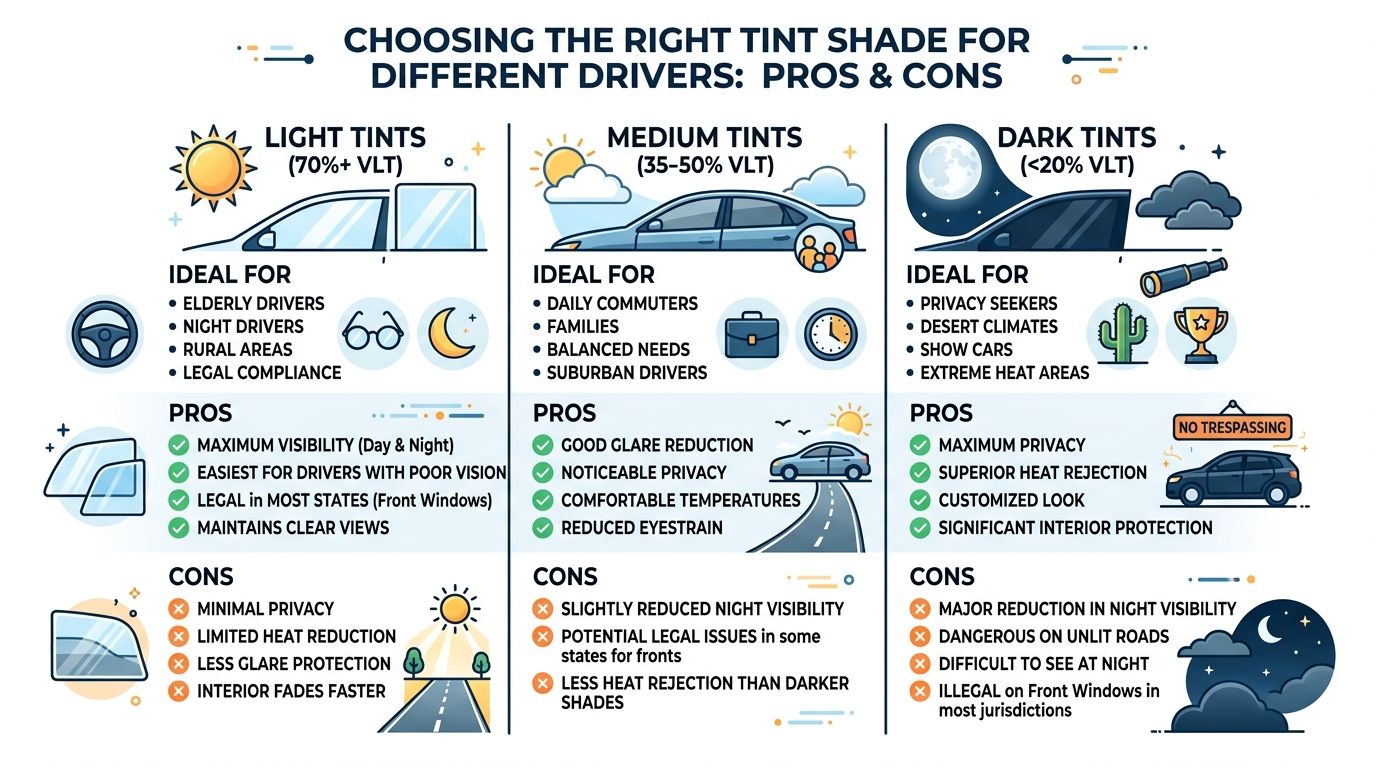
Different drivers need different compromises. A rideshare vehicle, a contractor's van, and a family SUV don't ask the same things from window tint shades.
Driver profiles side by side
| Driver type | Better fit | Why it tends to work | Watch out for |
|---|---|---|---|
| Ride-hail driver | Lighter front shade, comfort-focused rear shade | Keeps the cabin pleasant without making passenger interactions feel closed off | Too dark can feel less welcoming and can make night pickups harder |
| Night delivery driver | Conservative shade choice | Easier side visibility when scanning addresses, pedestrians, and curb space | Chasing privacy can hurt real-world safety |
| Fleet owner | Uniform, legally cautious setup | Easier to manage across several vehicles and avoids repeat compliance issues | One aggressive choice across all vehicles can create problems for every driver |
| SUV owner | Family-comfort setup with emphasis on rear-seat comfort | Helps children and rear passengers feel cooler and less exposed | Driver visibility still matters more than style |
If you want a simple mental shortcut, think in these terms:
- Lighter shades suit drivers who work nights, park in tight spaces, or value a natural view.
- Mid-range shades often feel like the “daily use” option for people balancing appearance and usability.
- Darker rear shades make the most sense where privacy and passenger comfort matter more than outward visibility from that position.
A good choice should feel boring in the best way. You shouldn't notice it as a daily annoyance. You should only notice that the cabin feels calmer, the light is softer, and your vehicle feels more comfortable to use.
Ontario Rules for Window Tint Shades
You buy a used SUV in Brampton, drive it for a week, and only then notice the front windows feel darker than what other cars around you have. It looks good in a parking lot. It can still be a problem on the road if the tint does not meet Ontario rules.
Ontario's tint law focuses most heavily on the glass around the driver. The basic idea is simple. The areas you rely on for spotting pedestrians, cyclists, curb edges, and cross traffic are treated more strictly than the rear glass.
For front side windows, Ontario requires enough light to pass through the glass so police and safety inspectors can still see into the vehicle and the driver can maintain clear outward visibility. In practical terms, drivers in Ontario usually hear this described as a 70% Visible Light Transmission minimum on the front side windows, which means very dark aftermarket film on those windows can create compliance issues. Rear side windows and the back window are treated more leniently, especially when the vehicle has proper side mirrors.
That front-versus-rear split explains why many legal setups in Ontario use a lighter shade up front and a darker shade behind the driver. It is a lot like wearing sunglasses only where they help, not where they block the view you need most.
If you ignore the rules, the cost is not only the ticket. You may also end up paying to remove film, reinstall a lighter shade, and recheck the vehicle. That is why used-car buyers should inspect tint before they focus on cosmetic details. A report that helps you check vehicle history in Ontario can support that review, but you still want to look at the glass yourself in daylight.
Legal tint limits by window in Ontario
| Window | Ontario rule in plain language |
|---|---|
| Front side windows | Must remain light enough to meet Ontario visibility requirements |
| Rear side windows | More flexibility than the front side windows |
| Back windshield | More flexibility than the front side windows, usually tied to mirror requirements |
| Top of windshield | Only a limited sun strip is generally allowed |
The windshield has its own rule. A narrow, non-reflective strip at the top is generally allowed, but you should keep it conservative and avoid extending it into the driver's main field of view.
A practical way to avoid trouble is to check legality before booking tint, then protect that investment afterward. At Nanak Car Wash, that matters because maintenance can affect how film ages around the edges. If a legal tint starts peeling, bubbling, or collecting grime near the border, it can draw attention during an inspection or traffic stop. Clean film that sits flat against the glass is easier to assess and easier to live with day to day.
If you are unsure whether a vehicle's tint is factory glass, aftermarket film, or a shade that is too dark, ask for a proper measurement before making changes. Guessing by appearance is unreliable. Two cars can look similar in evening light and measure very differently.
Caring for Your Tint with Nanak Car Wash
Tint care is less dramatic than people expect. Most damage comes from small habits repeated over time. The wrong cleaner, a rough towel, or aggressive scraping around the film edge can turn a good-looking tint job into something patchy and tired.
Cleaning habits that protect film
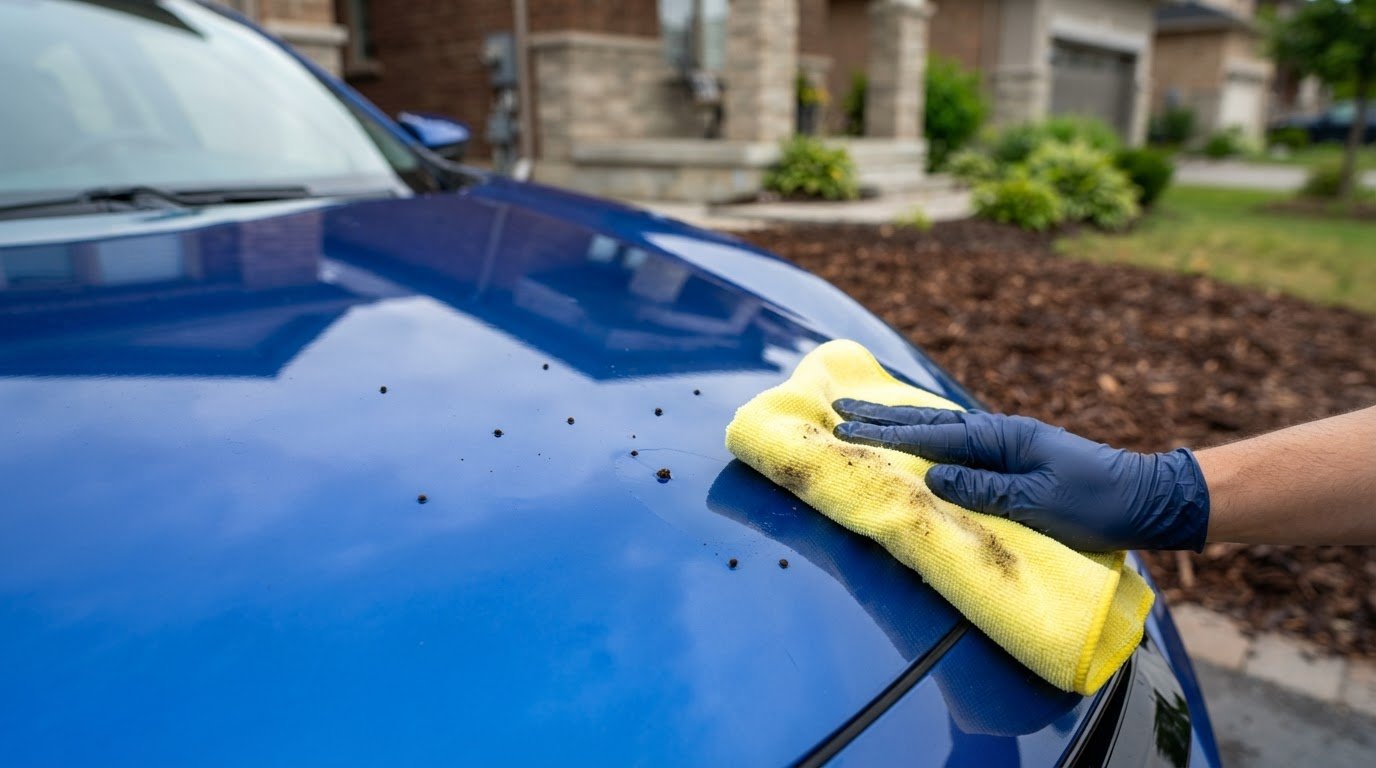
Use a soft microfibre cloth. That one choice prevents a surprising amount of trouble. Paper towels and coarse shop cloths can leave fine scratches that become obvious when sunlight hits the glass.
Choose gentle cleaners and skip ammonia-based products. Harsh sprays can dry out or weaken film over time, especially around the edges where lifting often begins. If you're unsure about a product, test it on a small area first or ask a professional detailer what they use on tinted glass.
Washing method matters too. Fresh water, mild soap, and a careful hand finish are easier on tinted windows than rushed, abrasive cleaning. That's one reason many drivers prefer a wash routine built around regular maintenance instead of waiting until glass is coated with road film and requires harder scrubbing.
A simple upkeep checklist
After each wash, a quick check keeps minor issues from becoming expensive ones.
- Check the edges: Look for lifting, bubbling, or dirt collecting near the border of the film.
- Wipe with the right cloth: Use a clean microfibre reserved for glass, not one that has picked up grit from paint or wheels.
- Clean inside glass gently: Light pressure is enough. Tint doesn't need aggressive rubbing.
- Watch winter residue: Salt haze and interior moisture can make tinted windows look dull even when the film itself is fine.
- Book deeper cleaning when needed: If the vehicle's interior glass feels greasy or cloudy, professional interior cleaning can restore clarity without rough handling.
For frequent drivers, especially rideshare and delivery drivers, consistency matters more than perfection. A steady wash schedule is easier on tint than occasional heavy cleanups after weeks of grime.
FAQs and Next Steps for Window Tint Shades
You have read the percentages, checked the Ontario rules, and compared film options. The last few questions usually show up at this point, right before booking an install.
Can I tint my windshield sun strip?
Use caution here. In Ontario, the top strip of the windshield has stricter limits than the side glass, and the main viewing area needs to stay clear for safe driving. A good rule is to treat the windshield like your primary line of sight, not a place for style experiments. If an installer suggests something that sounds aggressive, ask how it fits Ontario rules before saying yes.
Do I need the darkest tint for UV protection?
No. Film darkness and film performance are two different dials. A lighter film can still help block UV and improve comfort, much like sunglasses with a good lens coating do not need to be the darkest pair on the rack. For many Ontario drivers, especially those who split time between city streets, highways, and winter evenings, a moderate shade often gives a better balance of comfort and visibility.
What if I drive mostly at night?
Choose a shade that keeps signs, pedestrians, and lane markings easier to see after dark. Tint can feel perfect in bright afternoon sun and much heavier on a rainy night in Mississauga or Brampton. If most of your driving happens before sunrise, after work, or during winter evenings, ask to see the film on a vehicle outdoors, not only on a sample card under shop lighting.
How often should I maintain tinted windows?
Gentle, regular cleaning is easier on tint than waiting until the glass feels greasy or gritty. Road film, salt haze, and interior fog build up slowly, like a thin layer on eyeglasses, and drivers often blame the tint, though residue on the glass is the cause. If the windows start looking smeared, deal with it early so you are not forced into harder scrubbing later.
Your next step is simple. Match the shade to how you drive, confirm the film choice fits Ontario law, and ask the installer to explain how it will look on your specific vehicle glass.
Once your tint is chosen and installed, care becomes the final step.
Keep your tinted windows looking sharp with regular, film-safe cleaning and interior glass care from Nanak Car Wash. For GTA drivers, their express washes, full-service options, and membership plans can help you stay ahead of road film, salt haze, and everyday grime without putting extra wear on the film.

 6600 Finch Ave W, Etobicoke, ON M9V 3Z6
 647-703-8515
 MON – SUN 8 AM to 7 PM