
You're probably here because the sun is cooking the side of your face on the QEW, or because you're tired of everyone at the light getting a full tour of your back seat. That's when individuals start shopping for tint. Then the quotes come in, and suddenly one shop is cheap, one is expensive, and one is saying words like ceramic, carbon, warranty, plotter cut, and lifetime coverage like you're supposed to nod along.
Window tinting cost isn't just the price on the invoice. It's what you pay today, what you avoid paying later, and whether the job still looks good after real Ontario summers and winters. Cheap tint can turn into a second bill fast if it fades, peels, bubbles, or has to come off for a legal or cosmetic reason.
That's where most guides fall short. They talk install price. They don't talk ownership.
Table of Contents
- So You Want That Sleek Tinted Look
- Decoding Your Window Tinting Bill
- The Great Film Debate Dyed vs Carbon vs Ceramic
- Real World Tinting Costs in the GTA and Ontario Law
- How to Pick a Pro Installer and Avoid a Botch Job
- Protecting Your Investment Tint Care and Savings Tips
- Frequently Asked Tinting Questions
So You Want That Sleek Tinted Look
You're driving west after work. The sun is low, blasting through the glass like it has a personal issue with you. You flip the visor down, squint anyway, and start thinking the same thing every driver thinks at some point. I should've tinted this car months ago.
Or maybe it's not the sun. Maybe it's privacy. Maybe it's the look. A clean tint job changes the whole stance of a vehicle the same way the right wheels do. It makes the car look finished.
Then reality kicks in. One shop says one number. Another says something much higher. A friend says they got “a guy” to do it cheap. That's usually the moment people start shopping by price alone, and that's where they get burned.
A tint job is a lot like buying tires. If all you compare is the upfront number, you'll miss the part that affects daily driving. Film quality matters. Install quality matters. Warranty matters. Removal matters later if the old film goes bad or the current tint isn't what you thought it was.
Practical rule: If a quote sounds wildly lower than everyone else's, ask what film brand they're using, what warranty is included, and whether the price covers clean edges and old tint removal. If they get slippery, walk.
Good tint doesn't just look dark. It looks even. It sits flat. It cures clean. It doesn't go purple, peel at the corners, or leave you picking at bubbles every time you park.
That's the difference between buying tint and buying value.
Decoding Your Window Tinting Bill
A lot of tint quotes are messy on purpose. You ask, “How much to tint my car?” and you get a number with almost no breakdown. That's like ordering a custom suit and being told only the total, not the fabric, fit, or tailoring.
What you're actually paying for
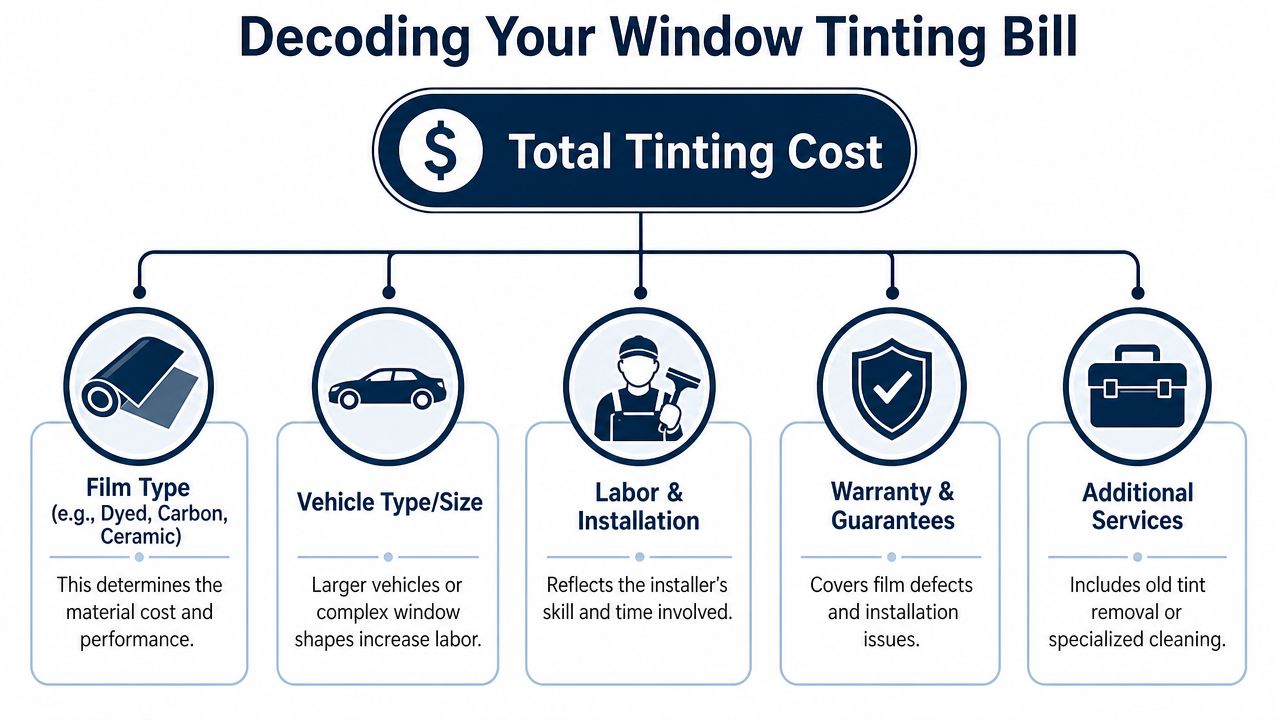
There are usually five moving parts behind a tint bill:
- Film type: Dyed, carbon, and ceramic don't cost the same because they don't perform the same.
- Vehicle size: Bigger glass area means more film and more labour.
- Window shape complexity: Tight curves, tricky rear glass, and frameless windows can slow the job down.
- Installer skill: A veteran tech costs more than a rushed bay worker, and usually for good reason.
- Warranty coverage: Good shops build the warranty into the price rather than treating it like an afterthought.
The film is the obvious part, but labour is where a lot of the result lives. A proper installer has to prep the glass, cut accurately, shrink the rear film properly, manage contamination, and finish edges cleanly. If the shop rushes prep, dust and hair get trapped. If the shrinking is sloppy, fingers and lift lines show up. If the edge work is lazy, the tint starts looking tired way too early.
Where cheap quotes usually cut corners
The most common ripoff isn't always fake film. Sometimes it's real but low-grade film installed in a hurry. Sometimes the price excludes old tint removal. Sometimes the warranty sounds strong until you realise it covers only the film, not the labour to redo the job.
Here's the part people miss when thinking about total cost of ownership. In California retrofit projects, old tint removal adds $2 to $5 per square foot, and high-labour regions can stack a 15% to 20% markup on top of removal fees, according to this California cost breakdown on tint removal and retrofit markups. That's California, not Ontario, but the lesson travels well. Removal is real labour, and it can turn a “cheap” first job into an expensive second one.
The first tint bill is only half the story. The second bill shows whether the first shop saved you money or cost you money.
Ask for a written quote that spells out what's included. You want to know whether the number covers film grade, labour, warranty, and any prep or removal. If the shop can't explain the bill in plain language, don't let them explain your bubbles later.
The Great Film Debate Dyed vs Carbon vs Ceramic
A lot of drivers get stuck on the first number they hear. That is how people end up paying twice. Film choice drives the install price, but it also decides how long the tint keeps its colour, how well it handles heat, and whether removal becomes a nasty extra bill a few years later.
What each film is good at
Dyed film is the cheap entry point. It gives the dark look people want and can make sense on an older car, a short-term lease, or a vehicle you do not plan to keep long. The trade-off is simple. Dyed film usually fades sooner, does less for heat rejection, and is the type that more often turns purple or tired-looking with age. Cheap upfront can become expensive if you strip it off and redo the whole car later.
Carbon film is where value starts to look sensible. It costs more than dyed, but it usually holds its colour better and gives a cleaner, richer finish. For a daily driver you plan to keep, carbon often lands in the sweet spot because the upfront hit is still manageable and the service life is usually better.
Ceramic film is the expensive option for a reason. It gives the best heat control of the three, keeps the cabin more comfortable, and tends to be the film owners appreciate most on long commutes or cars parked outside all day. On a car you plan to own for years, ceramic often wins the total cost argument because it can spare you from redoing the job early.
If your goal is privacy for a home or office rather than a vehicle, it helps to compare frosted and mirrored films because building film and automotive film solve different problems.
Window Tint Film Comparison
| Feature | Dyed Film | Carbon Film | Ceramic Film |
|---|---|---|---|
| Upfront cost | Lowest | Mid-range | Highest |
| Cabin comfort | Basic | Better | Best overall |
| Fade resistance | Weaker over time | Better | Strong |
| Look | Classic dark tint | Rich, clean finish | Premium look with strong clarity |
| Long-term value | Can be poor if it ages badly | Often the sweet spot | Best for owners keeping the car |
| Best fit | Budget jobs, short-term ownership | Most daily drivers | Long-term ownership, hot parking, comfort-focused buyers |
What's worth buying for most Ontario drivers
For most Ontario cars, the decision is not dyed versus ceramic on day one. It is whether you want the lowest invoice now or the lowest ownership cost over the life of the vehicle.
Dyed film still has a place. I would call it fair value on a beater, a flip, or a lease return where appearance matters more than long-term performance. Carbon is the film I would point many daily drivers toward because it avoids a lot of the weak points that make cheap tint feel like a ripoff later. Ceramic makes the most sense for newer vehicles, families keeping a car long term, and drivers who care about heat, comfort, and doing the job once.
Warranty matters here too. A good warranty is worth real money only if the film lasts and the shop will stand behind the labour if something fails. A weak film with a vague warranty is still a weak film.
The short version is easy. If you plan to keep the car, buy tint the same way you buy tires or brakes. Cheap parts can work for a while, but the better-value choice is usually the one you do not have to replace early.
Real World Tinting Costs in the GTA and Ontario Law
A lot of Ontario drivers get the same surprise. The quote sounded fine on the phone, then the bill grows after tax, upgraded film, or old tint removal. That is how a cheap tint job turns expensive.
What people actually pay in Ontario
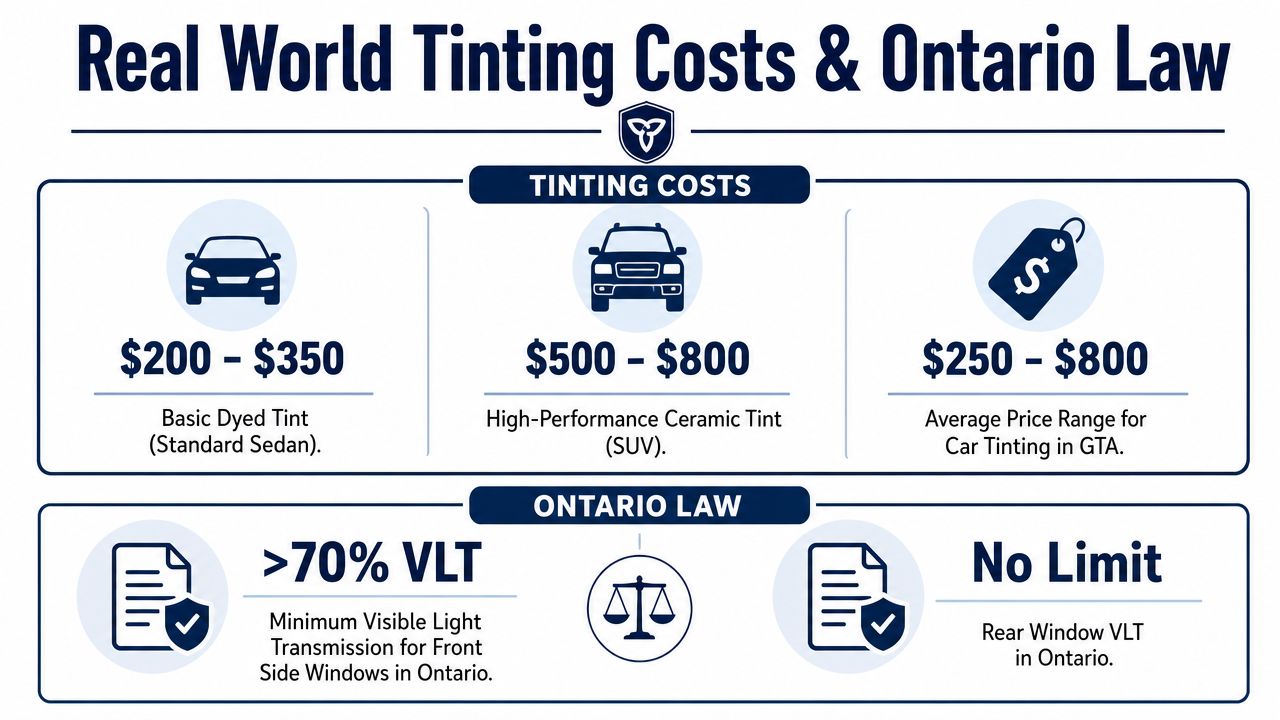
In the GTA, especially Toronto and Mississauga, dyed tint typically ranges from $100 to $250, carbon from $200 to $400, and ceramic from $400 to over $800 for a standard sedan. Analysts in this 2026 GTA tint cost breakdown also note that a standard car with mid-range film in Toronto averages about $400 for side and rear windows, and Ontario's 13% HST pushes that $400 job to about $452 out the door.
That last number matters. One shop may quote before tax. Another may quote all-in. If you do not compare the same way, you can mistake a higher quote for a better deal or a lower quote for a bargain when it is not.
Vehicle size changes the bill too. SUVs and trucks usually cost more than sedans and coupes because they have more glass and often take more labour to prep, shrink, and cleanly finish. That part is legitimate. A shop charging more for a Suburban than for a Civic is being realistic, not shady.
What is shady is leaving out removal. If your car already has bubbling, purple, or peeling film, ask about removal before you book. Old film can come off fast or turn into a half-day glue fight. That labour costs money, and if a shop hides it until the car is in the bay, that is a bad sign.
The smarter way to judge price is total ownership cost:
- Low upfront price: Fine for an older car or short-term ownership, but cheap film can fade, turn purple, or fail sooner.
- Mid-range install with a real warranty: Often the best value for daily drivers because the film lasts longer and the shop is more likely to stand behind it.
- Higher-end ceramic: Costs more now, but it can make sense on a newer vehicle if you plan to keep it and want to avoid redoing the job later.
That is the part customers miss. A $250 tint that needs replacement in a few years can cost more than a $450 job that stays clean and backed by warranty for the life of the car.
The law matters more than the sales pitch
A slick sales pitch does not pay your ticket or your removal bill. Ontario rules matter, and a good shop should be clear about them before they cut a pattern.
Ontario is stricter on the front side windows than the rear glass. The practical move is simple. Do not walk in asking for the darkest setup possible. Ask what is legal for your vehicle and what the finished result will look like from inside and outside.
A legal tint that's installed properly is cheaper than an illegal tint you pay to remove.
The windshield is where shops can get slippery. In California, legal windshield sun strips are often priced separately at $119 to $199, and some low-price offers create confusion about what is allowed, according to this Los Angeles 2026 tint price guide covering windshield strip pricing. Different market, same lesson. Separate style choices from legal choices, and separate the base tint quote from any add-ons.
Before you book, ask these questions and wait for straight answers:
- Is this setup legal for my vehicle in Ontario?
- Is the quote before tax or all-in?
- Does the price include old film removal?
- Who handles warranty labour if the film fails?
If a shop gets vague on any of those, keep shopping. A clean quote, legal film choice, and warranty you can use are worth more than a low number scribbled on the back of a business card.
How to Pick a Pro Installer and Avoid a Botch Job
You save $80 on the quote, pick the shop with the fastest opening, and six months later the rear window is purple, the edges are lifting, and now you are paying for removal before you can even start over. That is how cheap tint turns expensive.
Installer quality decides whether your tint is a one-time cost or a repeating bill. A clean install with a real warranty usually costs more up front, but it often wins on total cost of ownership because it lasts longer, looks better, and does not leave you paying twice for removal and reinstallation.
What a solid shop looks like
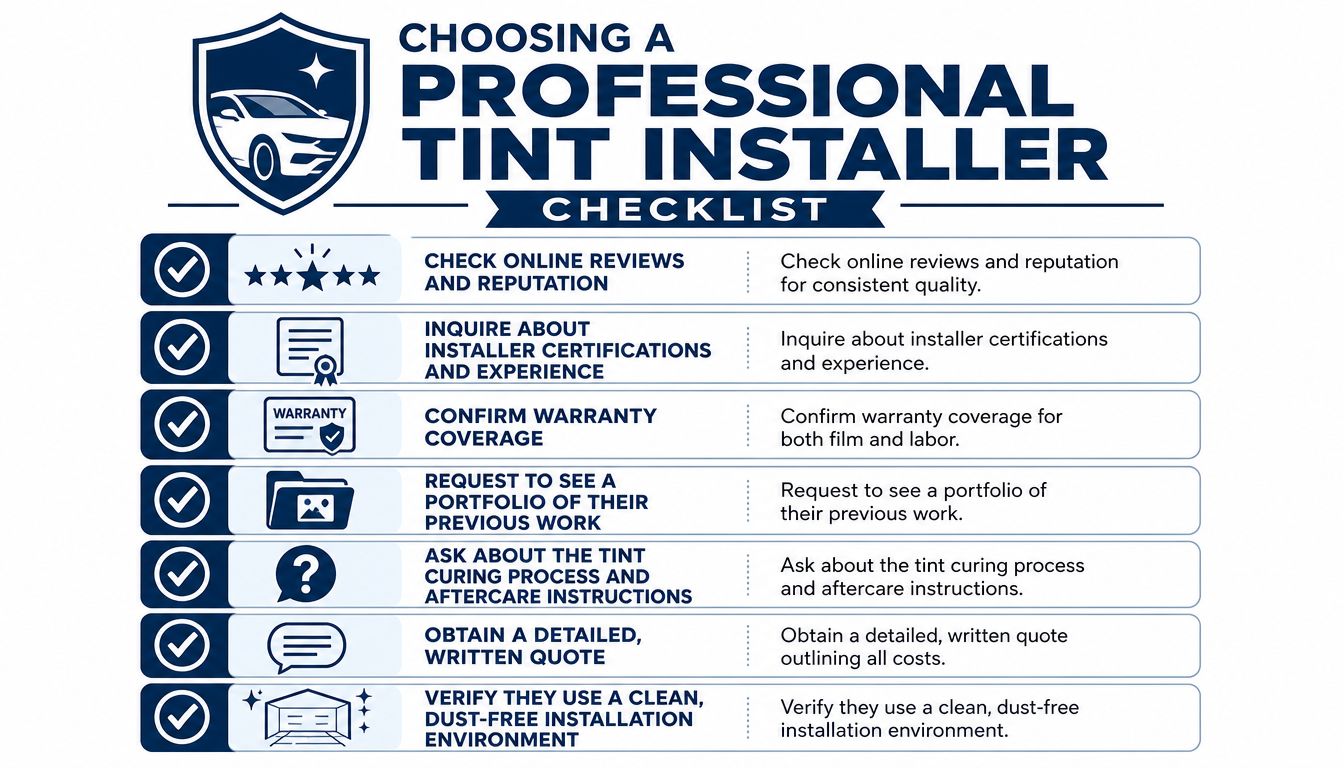
Start with the shop itself. If the install bay is dusty, cluttered, or packed with half-finished jobs, assume some of that mess ends up under the film. Tint is precision work. Dirt, rushed prep, and sloppy trimming show up fast once the car is back in sunlight.
A pro shop should be able to answer basic questions without tap dancing:
- What film is this, exactly? You want the brand and film line, not “premium” or “top quality.”
- What does the warranty cover? Ask about both film defects and labour. Those are not always the same.
- Who stands behind the job if there is a problem later? A warranty is only worth something if the shop will still honour it.
- How do they cut and install the film? Clean edges and careful prep matter more than a flashy waiting room.
- What should the tint look like during curing? Good installers set expectations before you leave.
Shops that run their business properly usually run their installs properly too. If you want a quick read on the difference between liability coverage and basic sales talk, this explainer on bonded vs insured window cleaning gives useful context for asking better service-company questions.
What is actually worth paying more for
Some upgrades are real. Some are fluff.
Pay more for a shop that uses a known film brand, has clean install habits, gives a written warranty, and is honest about what happens if a panel fails later. That extra money can save you a removal charge, a second install bill, and the headache of driving around with bubbling film while you argue with someone who suddenly stops answering the phone.
I tell customers to look at tint the same way they look at tires. The cheapest set can get you out the door today. That does not make it the smart buy over the life of the car.
Warning signs that should make you leave
A few red flags are enough to kill the deal:
- Mystery film: If they cannot name the product, do not buy it.
- Rock-bottom pricing with no details: Cheap quotes often leave out removal, warranty labour, or better film options.
- Promises that sound too fast: Good prep takes time.
- No written warranty: Verbal promises are worth very little once the film starts failing.
- Bad sample boards or rough demo cars: Burnt, scratched, or peeling samples tell you what they are willing to put their name on.
- Hard-sell pressure: Quality shops explain the job. Weak shops push urgency.
Good installers explain cost, lifespan, warranty, and failure risk clearly. Bad installers sell a low number and hope you do not ask what happens later.
The right tint shop should make you feel informed, not cornered. If the quote is vague, the film is vague, and the answers are vague, the bill gets very clear later.
Protecting Your Investment Tint Care and Savings Tips
A tint job can save you money or waste it. The difference usually shows up a year or two later, not on install day.
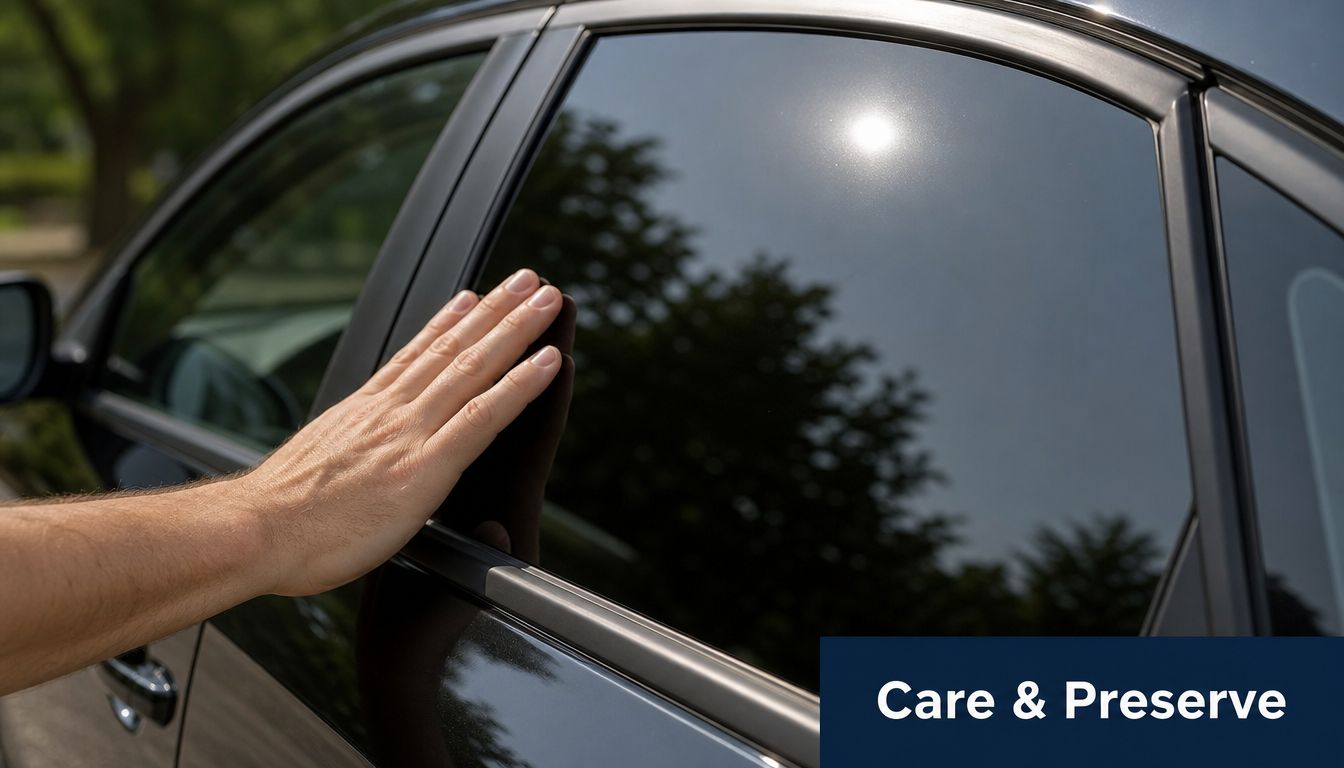
The first week matters more than people expect. Fresh film needs time to cure, so keep the windows up and leave the inside glass alone until the installer says it is safe. A bit of haze or tiny water pockets can be normal early on. What matters is that they shrink as the film settles.
After that, good care is simple and cheap:
- Use ammonia-free glass cleaner: Harsh cleaners can dry out or discolor film over time.
- Wipe with clean microfibre: Dirt trapped in a rough towel scratches film fast.
- Keep abrasive pads off the glass: They leave marks that do not polish out.
- Watch rings, watches, and seat belts: A lot of tint damage is mechanical, not chemical.
This part gets ignored, but it affects total cost of ownership. If the film stays clean and scratch-free, you keep the look longer and avoid paying for early replacement. If it gets gouged up or starts lifting because the edges were abused, you are back in a shop paying for removal and a new install.
Saving money on tint starts before the work begins. Pick the film that fits how long you will own the car. A leased commuter or a car you plan to sell soon does not always need premium ceramic. A car you will keep for years often does. Paying more once can be cheaper than paying for faded film, removal, and a second round of tint later.
A few ways to keep the bill under control without buying junk:
- Price removal upfront: Old purple film or failed adhesive can add real labour.
- Read the warranty like a repair invoice: Check whether it covers film only, or film and labour.
- Ask what happens if one window fails later: A strong warranty is worth more than a low headline price.
- Do not overbuy for your use case: Rear privacy, heat rejection, and long-term durability are different goals.
This is the part cheap quotes hide. The install price is only one line on the bill. Warranty support matters. Removal matters. Film lifespan matters. A low-end film that fails early can turn a bargain into the most expensive option on the car.
Good tint should age like a well-kept interior. It should stay clean, stay dark enough to look right, and stay out of your wallet for a long time.
Frequently Asked Tinting Questions
Can tint be installed in winter in Ontario?
Yes, a capable shop can install tint in winter. The bigger difference is curing. Colder weather can slow that down, so follow the installer's aftercare instructions and don't rush to roll the windows down.
Will tint damage my rear defroster lines?
A proper installer works around them. The bigger danger usually shows up during bad removal work, not careful installation. That's one more reason to avoid bargain-bin shops.
What's the dot matrix on some windows, and why does it matter?
That dotted border near the edge of some glass can make the finish look less uniform. Good installers know how to manage expectations there. If someone promises every edge will look identical on every piece of glass, they're overselling.
Is the cheapest quote ever worth it?
Sometimes it's a fair deal. More often, it's cheap because something is missing. That might be better film, proper prep, clean working conditions, or a warranty that has substance.
What's the smartest overall buy?
For many daily drivers, carbon often lands in the sweet spot. It usually makes more sense than entry-level film if you plan to keep the car and want to avoid paying twice.
Should I tint a car I'm planning to sell soon?
Maybe. If the goal is appearance and basic privacy, a sensible mid-level option can be enough. If you're selling soon, the premium jump doesn't always come back to you.
If you want to keep your car looking sharp after tinting, regular wash and interior care matter more than is often underestimated. Nanak Car Wash serves drivers across the GTA with exterior washes, interior cleaning, detailing, and rust proofing, which makes it a practical option if you want ongoing car care without juggling multiple stops.


 6600 Finch Ave W, Etobicoke, ON M9V 3Z6
 647-703-8515
 MON – SUN 8 AM to 7 PM