
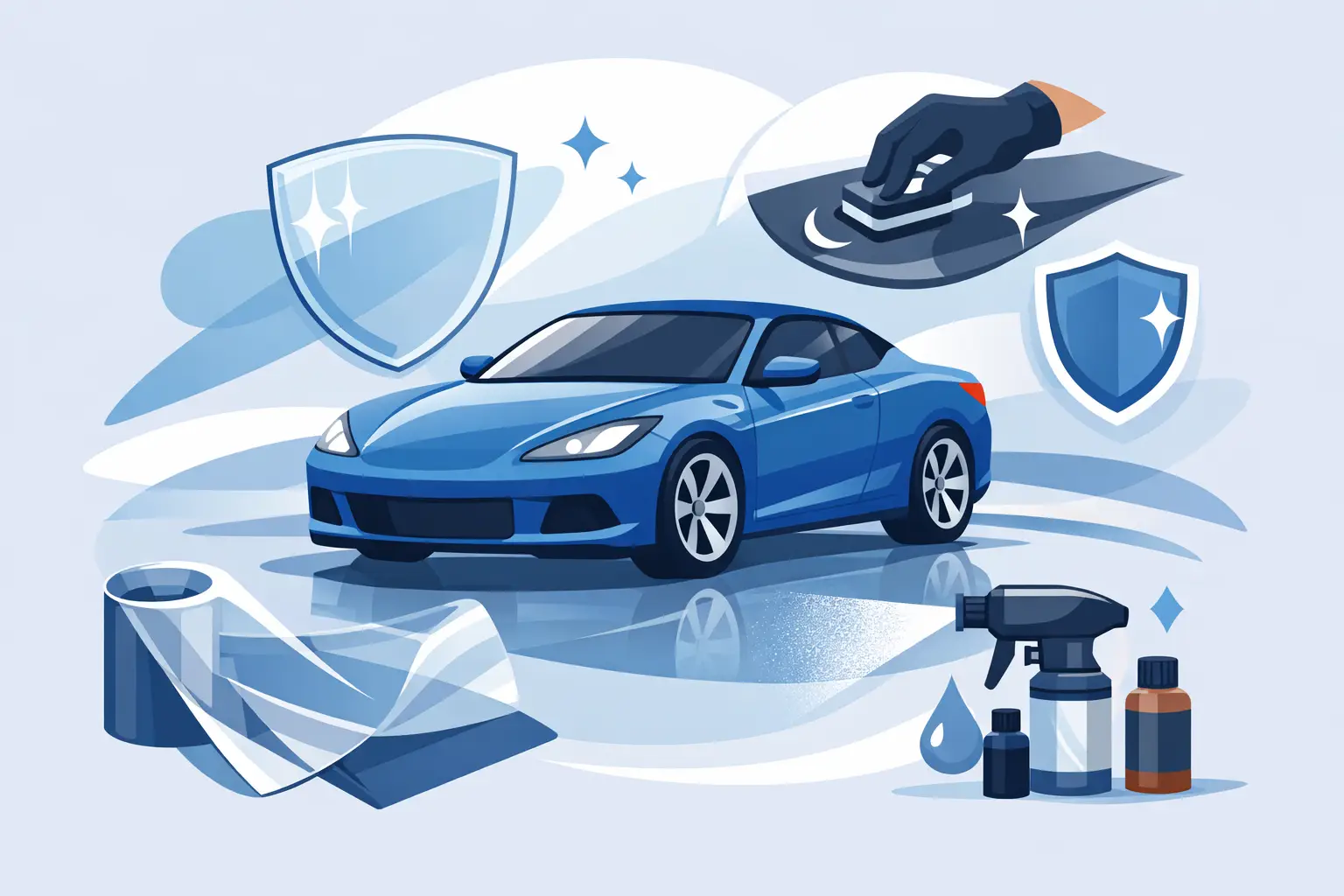
A car can look great the day you wash it, then lose that fresh finish fast after one highway run, a stretch of bad weather, or a few days parked outside. That is why paint protection options matter for everyday drivers, not just for showroom cars. If you want your vehicle to stay cleaner, look better, and hold up against road grime, sun, salt, and water spots, the right protection can save time and money.
Most drivers are not trying to build a show car. They want something practical. They want the paint to stay glossy, the surface to be easier to wash, and the car to keep a cleaner appearance between visits. That is where choosing the right level of protection makes a real difference.
What paint protection options actually do
Paint protection is not magic, and every product has limits. It will not make your car invincible, and it will not fix damaged paint. What it does is create a barrier between your paint and the everyday mess that wears it down.
That barrier can help reduce oxidation, fading, light contamination buildup, and the way dirt sticks to the surface. Some products mainly improve shine and water beading. Others are built for stronger long-term defense. The best choice depends on how you drive, where you park, how often you wash your vehicle, and what you want to spend.
A commuter car that sees highway miles, winter salt, tree sap, and apartment parking has different needs than a weekend vehicle that stays in a garage. If you drive every day, convenience matters just as much as appearance.
Comparing the main paint protection options
The most common paint protection options are wax, paint sealant, ceramic coating, and paint protection film. Each one has a different price point, lifespan, and level of defense.
Wax
Wax is the classic option and still works well for drivers who want affordable shine and short-term protection. It gives paint a warm gloss and helps water roll off more easily. It can also make routine washing easier because dirt does not cling as aggressively.
The trade-off is durability. Wax wears down faster than other products, especially if the vehicle is exposed to frequent washing, heat, rain, road salt, and harsh seasons. For many daily drivers, wax is a good maintenance choice, but not the strongest long-term answer.
Paint sealant
Paint sealant is a step up in durability from traditional wax. It is designed to last longer and offer more consistent protection against the elements. For drivers who want a practical balance of price and performance, this is often a smart middle-ground option.
Sealants usually give a slick, clean finish and better staying power than wax. They are popular with people who want protection that fits a real-world budget without committing to a premium treatment.
Ceramic coating
Ceramic coating is one of the most talked-about choices because it offers strong, longer-lasting surface protection and easier maintenance. It creates a harder protective layer than wax or sealant and helps resist water spotting, road grime, UV exposure, and chemical contamination better than basic products.
For busy drivers, the biggest benefit is often maintenance. A ceramic-coated car is usually easier to clean, and it tends to stay looking better between washes. That matters if you are trying to keep up with a family vehicle, a work truck, or a rideshare car that needs to stay presentable.
Ceramic coating does cost more upfront, and proper prep matters. If the paint is not cleaned and corrected properly before application, the final result will not look as good as it should. It is also worth being clear about expectations. Ceramic coating helps protect paint, but it does not stop rock chips or deep scratches.
Paint protection film
Paint protection film, often called PPF, is the heavy-duty option for physical impact protection. This is the clear film applied over painted surfaces to help defend against stone chips, road debris, bug acids, and minor abrasion.
If you drive a lot of highway miles or want the strongest protection on vulnerable areas like the front bumper and hood, PPF is worth serious consideration. It is especially useful on newer vehicles where owners want to preserve the finish as long as possible.
The trade-off is price. PPF is usually the most expensive option, particularly if you cover the full vehicle. Many drivers solve that by applying it only where damage is most likely, then using another protective product on the rest of the paint.
Which paint protection options make sense for your budget
If your goal is basic shine at the lowest cost, wax is the easy entry point. It gives visible results and is fine for drivers who do not mind more frequent reapplication.
If you want better staying power without moving into premium pricing, paint sealant is often the practical value choice. It fits drivers who want decent protection and cleaner-looking paint without stretching the budget.
If you want less maintenance, stronger long-term protection, and a vehicle that is easier to keep clean, ceramic coating is usually the better investment. The upfront cost is higher, but it pays off in convenience and appearance over time.
If you are protecting a newer vehicle, a higher-value vehicle, or one that sees a lot of highway exposure, paint protection film can make the most sense where physical damage is the bigger concern. For many owners, a mixed approach works best rather than going all-in on one product everywhere.
How to choose the right protection for your driving habits
The right answer depends on how your car is used. A garage-kept vehicle with light weekend use does not need the same protection as a daily driver parked outside year-round. If your car sees snow, road salt, construction dust, long commutes, and constant washing, stronger protection is easier to justify.
Think about your routine. Do you want to wash the car often and keep up with maintenance yourself, or do you want something that makes upkeep simpler? Are you mostly worried about fading and grime, or do you want defense against chips on the front end? Those answers point you toward the right option faster than chasing whatever sounds most premium.
For families and commuters, easy cleaning is usually a major selling point. For rideshare drivers and fleet vehicles, appearance matters because customers see the car up close. For people planning to keep their vehicle for years, protecting the paint can also help maintain a better overall look and resale appeal.
Protection works better with regular washing
Even the best paint protection options still need upkeep. Dirt, salt, bird droppings, bug residue, and industrial fallout should not sit on the surface for long. Protection helps, but maintenance is what keeps the finish looking sharp.
That is why regular washing matters. Keeping the surface clean reduces the chance of contaminants bonding to the paint and wearing down the protective layer too quickly. A good wash routine also lets you spot issues early, whether that is tree sap, fallout, or damage from road debris.
For many drivers, convenience is the deciding factor. If it is easy to get your car washed regularly, your protection performs better and your vehicle keeps its clean, glossy look longer. That is where a value-focused wash plan can make everyday car care much more manageable.
When to upgrade from basic protection
If you are waxing the car often and still feel like the finish loses its look too quickly, it may be time to move up to a sealant or ceramic coating. If the front of your vehicle keeps getting chipped from highway driving, basic surface protection is probably not enough, and film may be the smarter move.
The upgrade usually makes sense when the hassle of constant redoing starts costing you more time than the extra protection would. It also makes sense when your vehicle is newer, when you care about appearance, or when you simply want less work every month.
At Nanak Car Wash, that practical mindset is what matters most. Not every vehicle needs the top-tier option, but every vehicle benefits from the right level of care for how it is actually driven.
The smartest choice is the one you will maintain
A cheaper option that gets maintained properly can outperform a premium option that gets neglected. That is the part many drivers miss. The best protection is not just about what goes on the paint. It is about picking something that fits your budget, your schedule, and your real driving conditions.
If you want your car to stay cleaner, keep its shine longer, and take less effort to maintain, paint protection is worth doing. Start with the level that makes sense for your vehicle now, then build from there as your needs change.

 6600 Finch Ave W, Etobicoke, ON M9V 3Z6
 647-703-8515
 MON – SUN 8 AM to 7 PM