
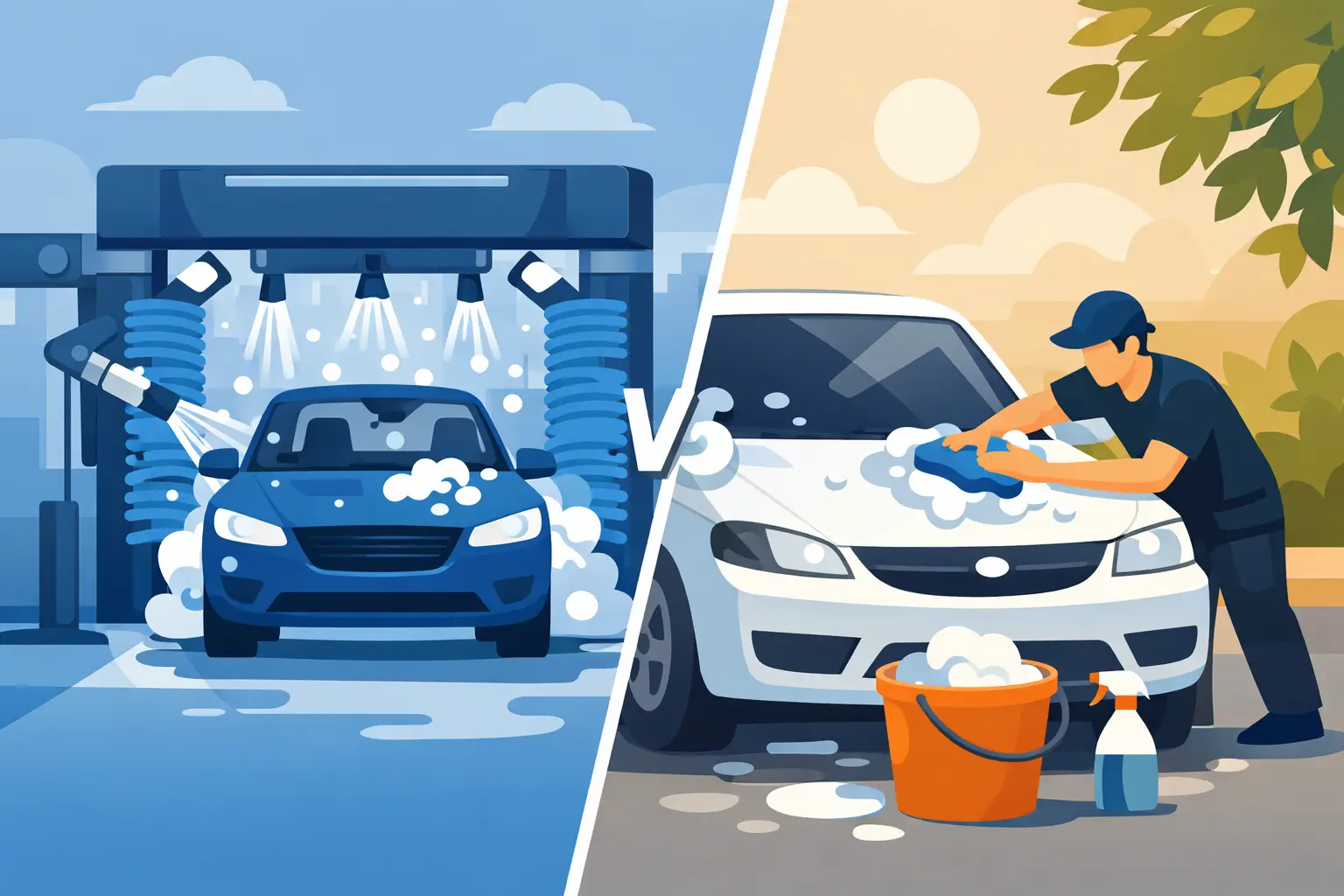
If your car is covered in road salt, pollen, or a week of highway grime, the touchless wash vs hand wash question gets real fast. Most drivers are not looking for a theory lesson. They want to know what gets the car clean, what protects the paint, what fits the budget, and what makes sense when life is busy.
The honest answer is simple: both have a place. A touchless wash is built for speed, convenience, and regular upkeep. A hand wash is better when your vehicle needs closer attention, more detail, or a more finished result. The right choice depends on how dirty the car is, how often you wash it, and how much time you want to spend.
Touchless wash vs hand wash: the real difference
A touchless wash cleans your vehicle using water pressure and cleaning solutions, without brushes or mitts making contact with the paint. That is the main selling point. Less physical contact means less chance of dirt being dragged across the surface.
A hand wash uses people, tools, and direct contact to remove dirt from the exterior. When it is done properly, it can reach areas a machine may miss and deal with stubborn buildup more effectively. It also gives more control over the finish, especially around trim, wheels, and problem spots.
That sounds like hand wash should always win, but it is not that simple. A touchless wash is often the smarter choice for drivers who need a fast, affordable clean on a regular basis. If your car gets washed often, dirt does not have much time to bake on, and a touchless system can keep it looking presentable with very little effort.
When a touchless wash makes more sense
For commuters, families, rideshare drivers, and anyone trying to keep a vehicle clean without turning it into a half-day project, a touchless wash has a lot going for it. You can get in, get clean, and get back on the road.
The biggest advantage is convenience. If you wash frequently, speed matters. A quick exterior wash is easier to fit into a workweek than a full manual service. That is one reason touchless washes pair well with unlimited wash memberships. If you can wash as often as you need for one monthly price, it becomes easier to stay ahead of dirt instead of letting it build up.
Touchless washes are also a good fit during messy seasons. In places where roads get hit with salt, slush, rain, and dust, regular washing is part of basic vehicle care. You may not need white-glove detailing every week, but you do need to remove grime before it sits too long.
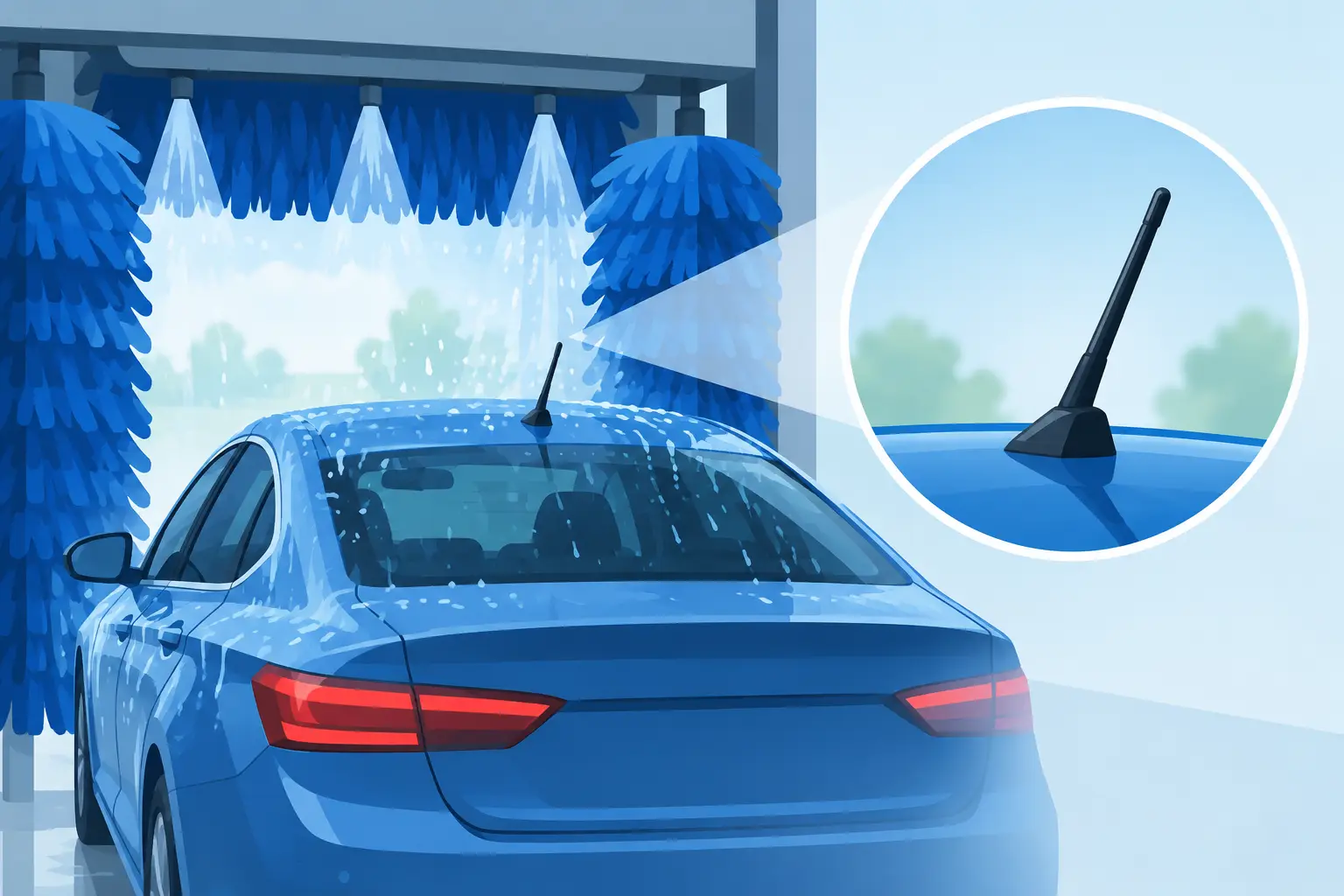
Another plus is reduced contact. Drivers worried about brushes or cloth materials touching the paint often prefer a touchless system for peace of mind. While no wash method is completely risk-free if the vehicle is extremely dirty, less contact can be a benefit for routine maintenance.
Where touchless washes can fall short
The trade-off is cleaning strength. Because a touchless wash relies heavily on chemicals and water pressure, it may not remove every bit of stuck-on dirt. If your car has heavy mud, bug splatter, road film, or weeks of buildup, the finish may come out much better than before but not perfect.
That is the part many drivers notice. The body panels might look clean from a distance, but lower panels, wheels, or rear surfaces can still hold onto grime. Touchless works best as a maintenance wash, not a miracle fix for neglected vehicles.
Drying can also be less precise than a hand-finished service. Depending on the package and the condition of the vehicle, a touchless wash may leave more water behind in mirrors, edges, and trim.
Why hand wash still has a strong edge
A proper hand wash is better at detail work. It gives attention to the parts of the vehicle that collect the most stubborn dirt, and that extra labor shows in the final result.
If your vehicle has gone too long between washes, hand washing is usually the stronger option. Staff can focus on problem areas instead of relying on one automatic process to handle everything. Wheels, rocker panels, door jambs, and areas around badges and trim tend to benefit from manual cleaning.
Hand washing also makes sense when appearance matters more than speed. If you are preparing for an event, cleaning up after a road trip, getting ready to sell the car, or just want a more complete finish, hand work usually delivers a better cosmetic result.
This is also where add-on services start to matter. Interior vacuuming, dashboard wipe-downs, mat cleaning, shampooing, polishing, and other finishing services can turn a basic wash into a full refresh. For many drivers, the exterior is only half the job.
The limits of hand wash
Hand wash is not automatically perfect. The quality depends on the people, the process, and the tools being used. A careful hand wash can be excellent. A rushed one can miss spots or create issues if dirty towels or poor technique are involved.
It also costs more because labor costs more. That does not make it overpriced. It just means you are paying for extra attention and time. If your goal is simply to knock off fresh dust and road film twice a week, a hand wash every time may not be the best value.
There is also the time factor. Even when the service is efficient, a hand wash or full-service wash will generally take longer than a simple express option. For some people that is worth it. For others, the faster choice wins most days.
Which is safer for your paint?
In the touchless wash vs hand wash debate, paint safety is one of the biggest concerns. The short answer is that both can be safe when done properly, and both can cause problems when done poorly.
Touchless washing reduces physical contact, which lowers the chance of friction from dirt being rubbed across the paint. That is a real advantage, especially for vehicles that are washed often and not heavily soiled.
Hand washing can also be very safe when clean tools, fresh water, and proper technique are used. In fact, it may be better for removing stubborn grime because it can lift contamination more completely instead of leaving residue behind. But if the wash process is careless, contact becomes the weak point.
For the average driver, the safer option is often the one that keeps the vehicle consistently clean. Dirt, salt, and grime sitting on the surface for too long are not doing the finish any favors either.
What gives you better value?
Value is not just about the cheapest ticket. It is about what you get for the money and how often you need the service.
If you wash often, touchless usually offers stronger day-to-day value. It is fast, affordable, and practical. For drivers who rack up miles, park outside, or deal with bad weather, regular express washes can help maintain a cleaner vehicle without stretching the budget. That is why membership plans are so popular. One monthly plan can make frequent washing easy and cost-effective.
If you wash less often and let dirt build up, hand wash may offer better value because it can do more in one visit. Paying a little extra for a stronger clean may save frustration compared with repeating a cheaper wash that does not fully solve the problem.
A lot of customers end up using both. They rely on touchless for routine maintenance and choose hand-finished or full-service cleaning when the vehicle needs extra work. That mix often gives the best balance of cost, convenience, and visible results.
How to choose for your car
If your vehicle is lightly dirty and you need a quick clean before work, after a storm, or during a busy week, touchless is the easy call. It keeps the exterior in shape and helps prevent buildup.
If the car has caked-on dirt, salt residue, bug marks, or neglected wheels, hand wash is usually worth the upgrade. The same goes if you care about a more complete finish or want interior cleaning at the same time.
For newer vehicles, dark paint, or drivers who are extra careful about appearance, the best approach is consistency. Wash the car often enough that grime never gets severe. That way, a touchless wash can handle a lot of routine maintenance, and occasional hand-finished service can take care of the rest.
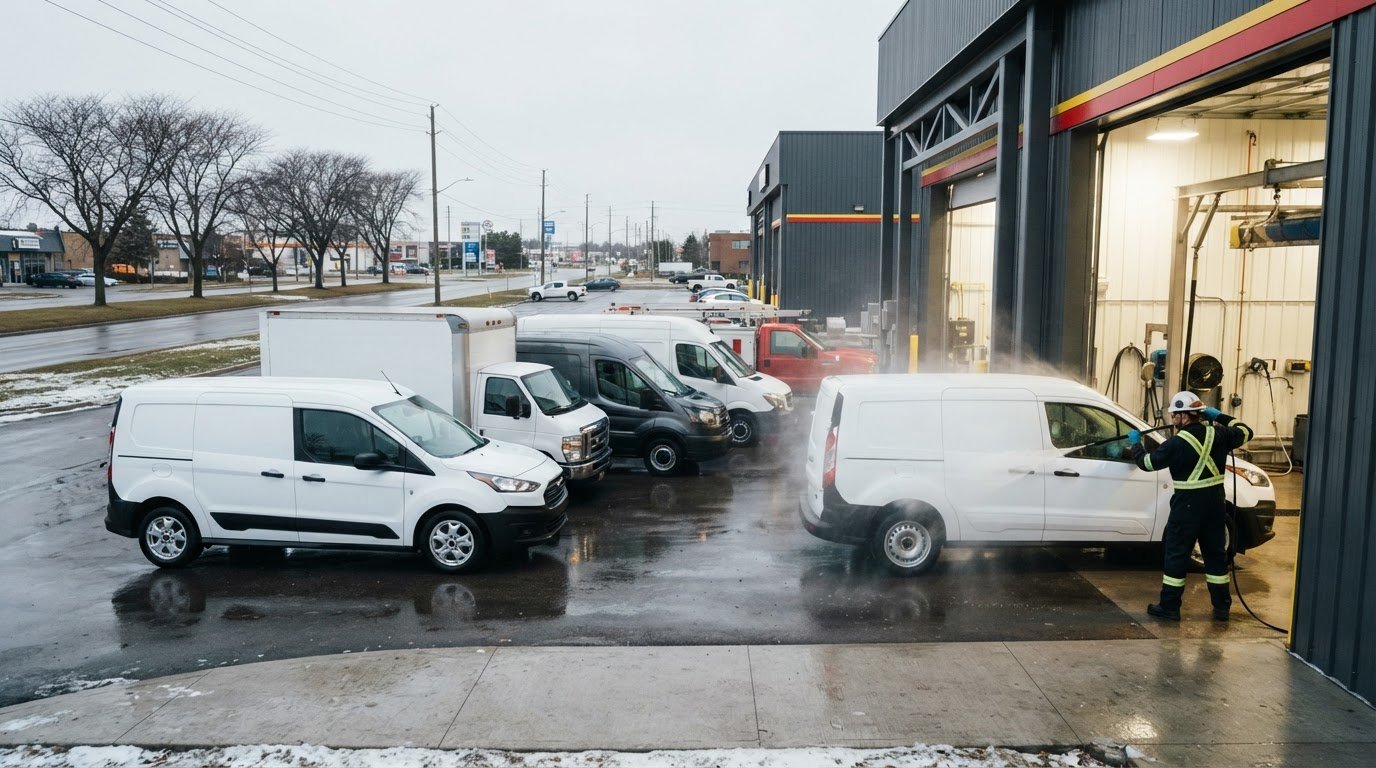
At a practical, everyday level, this is not about picking one winner forever. It is about choosing the right wash for the condition of the vehicle and your schedule. A busy parent may want speed on weekdays and a fuller service once a month. A rideshare driver may need frequent exterior washes to keep the car presentable, with interior work added in when needed. A fleet operator may care most about keeping multiple vehicles clean at a reasonable cost.
That is why one-size-fits-all advice does not help much. What works best is a wash routine you will actually keep up with. For many drivers, that means using touchless for convenience and hand wash for deeper cleaning when the car needs extra attention. If you want clean results without overspending, that balance usually gets the job done better than choosing sides.

 6600 Finch Ave W, Etobicoke, ON M9V 3Z6
 647-703-8515
 MON – SUN 8 AM to 7 PM