

That fading on the hood, the light scratches around the door handles, the chalky look that makes a car seem older than it is – that’s usually what gets people asking what protects car paint best. The short answer is that no single product wins for every driver. The best protection depends on how you use your vehicle, where you park it, how often you wash it, and how much you want to spend upfront.
For most everyday drivers, paint protection works best when you think in layers. Regular washing removes the stuff that wears paint down. A quality protective product adds a barrier against water, grime, UV exposure, and road contamination. For the highest level of defense, physical protection goes even further. If you want the honest answer, the best choice is not always the most expensive one. It is the option you will actually maintain.
What protects car paint best for most drivers?
If you want the best overall protection, paint protection film gives the strongest defense against chips, road rash, and physical damage. If you want strong long-term shine and easier cleaning without paying film prices, ceramic coating is the better fit. If you want affordable protection that still makes a visible difference, a paint sealant or wax can do the job, but you will need to reapply it more often.
That means the real ranking usually looks like this: paint protection film for impact protection, ceramic coating for long-lasting surface protection and easier maintenance, sealant for budget-friendly durability, and wax for short-term gloss and water beading.
The catch is simple. Film is expensive. Ceramic coating needs proper prep and good aftercare. Sealants and waxes cost less, but they wear out faster. So when people ask what protects car paint best, the better question is what kind of damage they are trying to prevent.
The biggest threats to your paint
Car paint does not usually fail all at once. It gets worn down a little at a time. Sun exposure oxidizes the surface and dulls the finish. Bird droppings, bug splatter, tree sap, and road salt can stain or etch if they sit too long. Automatic brushes, dirty wash mitts, and skipped washes create swirl marks and fine scratches. Highway driving adds stone chips and sand abrasion, especially on the front bumper and hood.
If your car lives outside year-round, UV rays and fallout matter more. If you drive a lot on highways, chips matter more. If you do frequent quick washes but never add protection, water may rinse dirt away, but the paint still stays exposed.
That is why protection is not one service. It is a system.
Wax: affordable and easy, but short-lived
Wax is usually the first thing people think of. It gives paint a warm shine, nice water beading, and a smoother feel. It can help protect against light contamination and make the car easier to wash for a while.
The downside is durability. Traditional wax does not last long, especially in harsh weather, strong sun, repeated washing, or winter driving. For someone who enjoys regular upkeep and wants a low-cost option, wax is still useful. For someone who wants months of dependable protection with less attention, wax alone is not usually enough.
There is nothing wrong with wax. It is just not the strongest answer to what protects car paint best if long-term protection is the goal.
Paint sealants: better durability for daily use
Sealants are a practical step up from wax. They are made to last longer and hold up better against weather, washing, and daily driving. For many value-conscious drivers, this is where price and performance start to meet in a smart way.
A good sealant can help repel water, reduce dirt buildup, and keep the paint looking cleaner between washes. It also gives better staying power than standard wax, which matters if you are dealing with rain, grime, salt, and long commutes.
For a commuter car, family SUV, or rideshare vehicle, a sealant often makes more financial sense than chasing a premium product you are not ready to maintain. It is a solid middle-ground option.
Ceramic coating: strong protection with easier maintenance
Ceramic coating gets a lot of attention for a reason. It creates a more durable protective layer than wax or many sealants, and it helps water, dirt, and contaminants release more easily during washing. That means the car stays glossier and is generally easier to clean.
It also does a better job with UV resistance and chemical resistance than simpler products. For drivers who want their vehicle to keep that sharper, cleaner look for longer, ceramic coating is one of the strongest options available.
But there are trade-offs. Ceramic coating is not bulletproof. It does not stop rock chips the way film does. It also works best when the paint is prepped properly first, because coating over scratches or oxidation does not fix them. If the finish needs polishing, that prep work matters.
For many drivers, ceramic coating is the best mix of appearance, durability, and easier upkeep. If you wash your car regularly and want that wash to work harder for you, this option makes sense.
Paint protection film: the highest level of defense
If your main concern is physical damage, paint protection film is the top answer. It is a clear film applied over the paint to absorb impact from small rocks, road debris, and abrasion. It is especially useful on high-impact areas like the front bumper, hood, fenders, mirrors, and door edges.
This is the closest thing to real armor for your paint. It helps preserve the finish underneath and can save the front end of a vehicle from the kind of chip damage that builds up quickly on highways.
The reason everyone does not choose film comes down to cost. It is usually the most expensive option, especially if you cover the full vehicle. For many people, a smarter move is partial coverage on the areas that take the most abuse, then using another protectant on the rest of the car.
If you drive a new vehicle, a dark-colored car, a premium vehicle, or anything that sees lots of highway miles, film is worth serious consideration.
So what protects car paint best in real life?
In real life, the best protection is usually matched to the vehicle and budget.
For a newer daily driver, ceramic coating plus regular washes is a strong practical choice. For a highway vehicle, front-end paint protection film gives the best defense where chips happen most. For an older car that still needs to look good without a big investment, a paint sealant and consistent washing can go a long way.
And if the budget allows, the strongest setup is combining film on high-impact areas with ceramic coating on top or on the rest of the vehicle. That gives you both physical protection and easier maintenance.
Why washing matters as much as the product
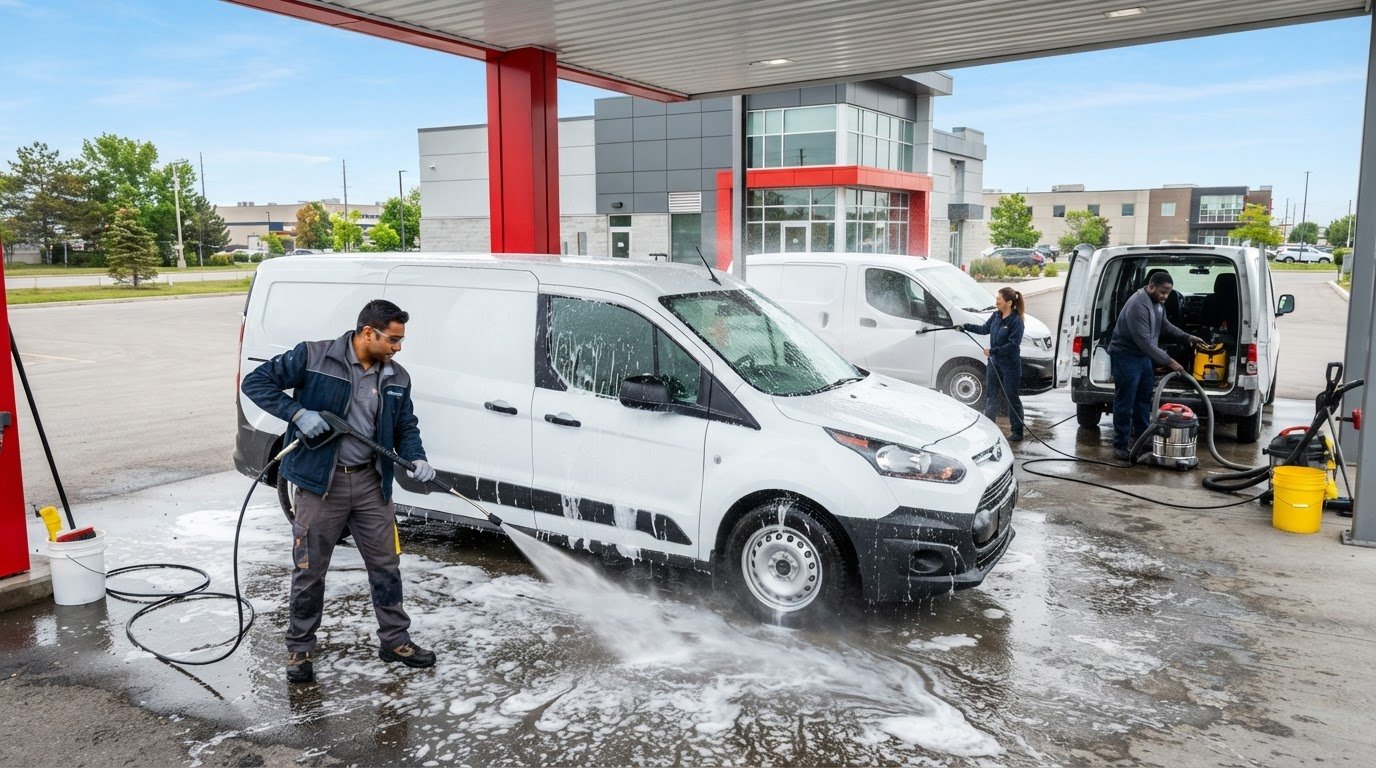
A lot of paint damage starts because contaminants stay on the surface too long. Dirt, salt, bird droppings, and bug residue are not just ugly. They wear the finish down. Even the best protective product performs worse when the vehicle is neglected.
That is why routine washing is not just cosmetic. It is paint care. Clean paint holds up better, looks brighter, and gives any protective layer a better chance to do its job. Fresh water washing and consistent upkeep help reduce long-term wear, especially in areas with winter salt, dust, and heavy traffic.
For drivers trying to save money over time, regular maintenance is usually cheaper than paint correction or repainting later.
How to choose the right option for your budget
If your goal is lowest cost now, wax is fine, but expect to repeat it often. If you want better value over time, sealant is a better everyday choice. If you want the best mix of shine, durability, and easier cleaning, ceramic coating is hard to beat. If your vehicle faces lots of highway driving or you want the best chip protection available, paint protection film is the leader.
That is the honest answer to what protects car paint best. It depends on whether you are fighting sun damage, grime, swirl marks, or rock chips.
For most drivers, the smartest move is not chasing the most expensive package. It is picking a protection plan you can keep up with. A clean, regularly maintained car with the right level of protection will usually look better and last longer than a neglected car with a premium product on it. If you want to keep your finish looking sharp without overspending, start with the damage your car sees most and build from there.

 6600 Finch Ave W, Etobicoke, ON M9V 3Z6
 647-703-8515
 MON – SUN 8 AM to 7 PM