
Monday morning coffee on the console, crumbs under the seats by Wednesday, road film on the paint by Friday – that is how a clean car turns messy fast. If you are wondering how to keep cars clean without spending your whole weekend on it, the answer is not one big deep clean every few months. It is a simple routine that matches how you actually drive.
For most drivers, the real problem is not knowing what to do. It is keeping up with it when work is busy, kids are in and out, and the weather keeps changing. A clean car comes down to smaller, repeatable habits, plus getting a proper wash before the dirt, salt, and interior mess build up into a bigger job.
How to keep cars clean week after week
The easiest way to stay ahead of the mess is to stop treating car care like a special occasion. If you only wash your vehicle when it looks terrible, you are always playing catch-up. Regular upkeep is faster, cheaper, and easier on your vehicle.
Start with the exterior. Dust, pollen, rain spots, bird droppings, and road grime do more than make a vehicle look dull. They cling to the surface, bake in the sun, and become harder to remove later. In winter, salt and slush are the bigger issue. They collect around the wheel wells, rocker panels, and underbody, where long-term damage can start if they are ignored.
That is why frequency matters. A quick wash every week or two often does more for your vehicle than an occasional heavy scrub. If you commute daily, park outside, or drive through construction zones, you may need more frequent washing. If your vehicle spends most of its time in a garage and sees lighter use, you can stretch that schedule a bit. It depends on your driving habits, the season, and how fast grime builds up.
The interior works the same way. A few minutes of upkeep prevents the kind of deep mess that takes hours to fix. Dirt from shoes, food wrappers, pet hair, dust on the dash, and sticky cup holders all add up. Once stains set into carpet or seats, cleaning gets slower and more expensive.
Build a realistic clean-car routine
A good routine has to fit real life. If it feels too complicated, most people stop doing it.
A practical schedule for everyday drivers is simple. Try a quick exterior wash every 7 to 14 days. Vacuum and wipe down the interior every couple of weeks. Add a deeper interior clean or detailing service every few months, especially if you have kids, pets, or use your vehicle for rideshare or work.
This rhythm keeps the vehicle presentable without turning maintenance into a chore. It also helps protect resale value. Clean paint, cleaner upholstery, and fewer long-term stains make a difference when it is time to sell or trade in.
There is also a money angle here. Letting dirt pile up usually means needing more labor later. A vehicle that gets regular washing and occasional detailing often costs less to maintain than one that gets neglected and then needs restoration work.
Keep a few basics in the car
You do not need to carry a full cleaning kit. Just keep a few useful items on hand so small messes do not sit for days.
A small trash bag or container keeps receipts, cups, and snack wrappers from taking over the cabin. A pack of interior wipes helps with dust, fingerprints, and spills on hard surfaces. Floor mats make a big difference too, especially in rainy or snowy weather, because they catch dirt before it gets ground into the carpet.
If you have children, a backseat organizer can save you a lot of cleanup. If you drive for work or rideshare, keeping microfiber towels handy helps you quickly freshen up high-touch areas between trips.
The biggest mistakes that make cars dirty faster
One common mistake is waiting too long after a spill. Coffee, juice, fast-food grease, and mud are all easier to clean right away. Leave them too long and they sink deeper into fabric, leave odors behind, or stain plastic and trim.
Another mistake is brushing off the outside and calling it good. A dusty car might not look terrible from a distance, but surface dirt still sticks to the finish. Wiping dry dirt with the wrong cloth can also scratch the paint. If the vehicle is visibly dirty, it needs a proper wash, not a quick rub-down in the driveway.
People also underestimate seasonal buildup. Summer brings bugs, tree sap, and baked-on dust. Winter brings salt, slush, and grime that cling to lower panels and undercarriage areas. Spring often means pollen and muddy floors. Fall adds leaves, moisture, and debris that can collect around trims and drains. The routine should change with the season.
How to keep cars clean in bad weather
Bad weather is where most clean-car routines break down. You wash the car, then it rains. You vacuum the interior, then everyone tracks in mud. That does not mean the effort was wasted.
In wet or snowy conditions, the goal is maintenance, not perfection. Focus on removing the worst buildup before it sits too long. Exterior washes help remove dirt, salt, and residue that can wear on the finish. Interior vacuuming and mat cleaning keep moisture and grime from settling into the floor.
This is where convenience matters. If washing your vehicle is difficult, you are more likely to delay it. Fast, affordable wash options make it easier to stay consistent, which is exactly what keeps the vehicle cleaner over time.
Exterior cleaning: fast habits that pay off
The outside of your vehicle takes the most abuse, so keeping it clean should not be an afterthought. Frequent washing helps preserve shine, improve appearance, and reduce the amount of stuck-on grime that can lead to more aggressive cleaning later.
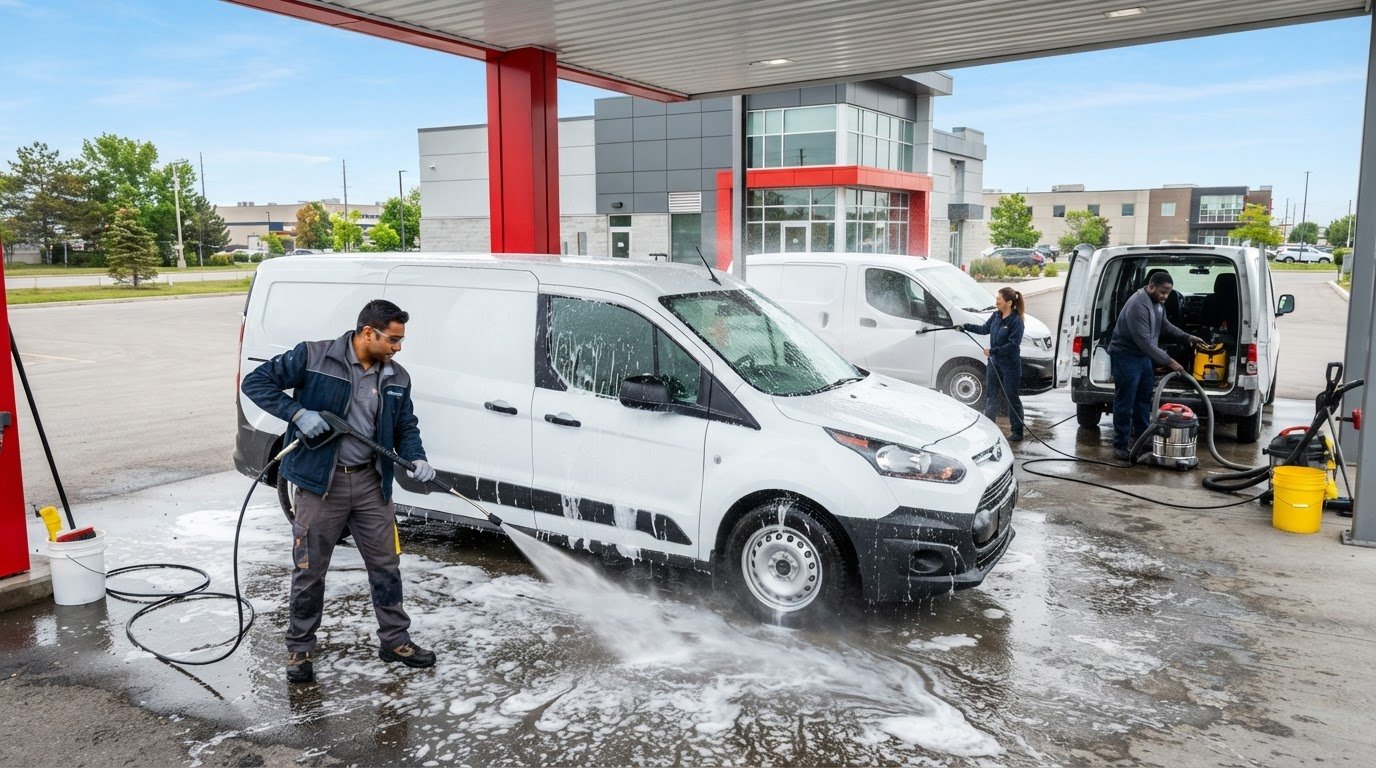
For daily drivers, an express exterior wash is often the smartest move. It is quick, affordable, and easy to repeat. If you are washing often, you do not always need a big detailing package. You just need a reliable way to remove road film, dust, and seasonal residue before it turns into a bigger problem.
If your paint looks dull, your wheels are heavily soiled, or your vehicle has not been cleaned in a long time, then a more complete service may be worth it. That is the trade-off. A basic wash is great for upkeep. A fuller cleaning is better when buildup has already gone too far.
Interior cleaning: where clean really gets tested
A shiny exterior gets attention, but the interior is where drivers feel the difference every day. If the cabin smells stale, the mats are gritty, and the dashboard is dusty, the vehicle does not feel clean no matter how glossy the paint looks.
The easiest way to manage the interior is to clean in layers. First, remove trash and personal items. Then vacuum seats, carpets, trunk space, and floor mats. After that, wipe down the hard surfaces like the dash, console, door panels, and cup holders.
For light upkeep, that may be enough. But if you are dealing with pet hair, ground-in dirt, spilled drinks, or stains on cloth seats and carpets, deeper work is usually needed. Shampooing, mat washing, and hand-finished detailing can bring the cabin back much faster than trying to spot-clean everything yourself.
This matters even more for families, commuters, and anyone using a vehicle all day. The more time spent in the car, the quicker interior wear shows up.
Why regular service beats occasional deep cleaning
If you are serious about how to keep cars clean, the best strategy is consistency. One professional wash does not solve everything if the vehicle then goes untouched for months. The same goes for interior cleanup. A spotless cabin can get messy again in a week if there is no basic routine behind it.
That is why recurring wash plans make sense for many drivers. They turn cleaning into a habit instead of a decision you keep putting off. For commuters, rideshare drivers, families, and anyone who wants a clean vehicle without overthinking it, regular service is usually the most practical option.
A local wash business like Nanak Car Wash fits that need well because it gives drivers a simple way to stay on schedule without paying detailing prices every time. Quick exterior washes, deeper interior options, and value-focused membership plans make routine care easier to stick with.
You do not need a perfect car. You need a clean one that feels good to drive, looks cared for, and does not take a major effort every time it gets dirty. Start with a routine you can actually maintain, clean small messes before they become big ones, and make regular washes part of the schedule instead of a last-minute fix.

 6600 Finch Ave W, Etobicoke, ON M9V 3Z6
 647-703-8515
 MON – SUN 8 AM to 7 PM