
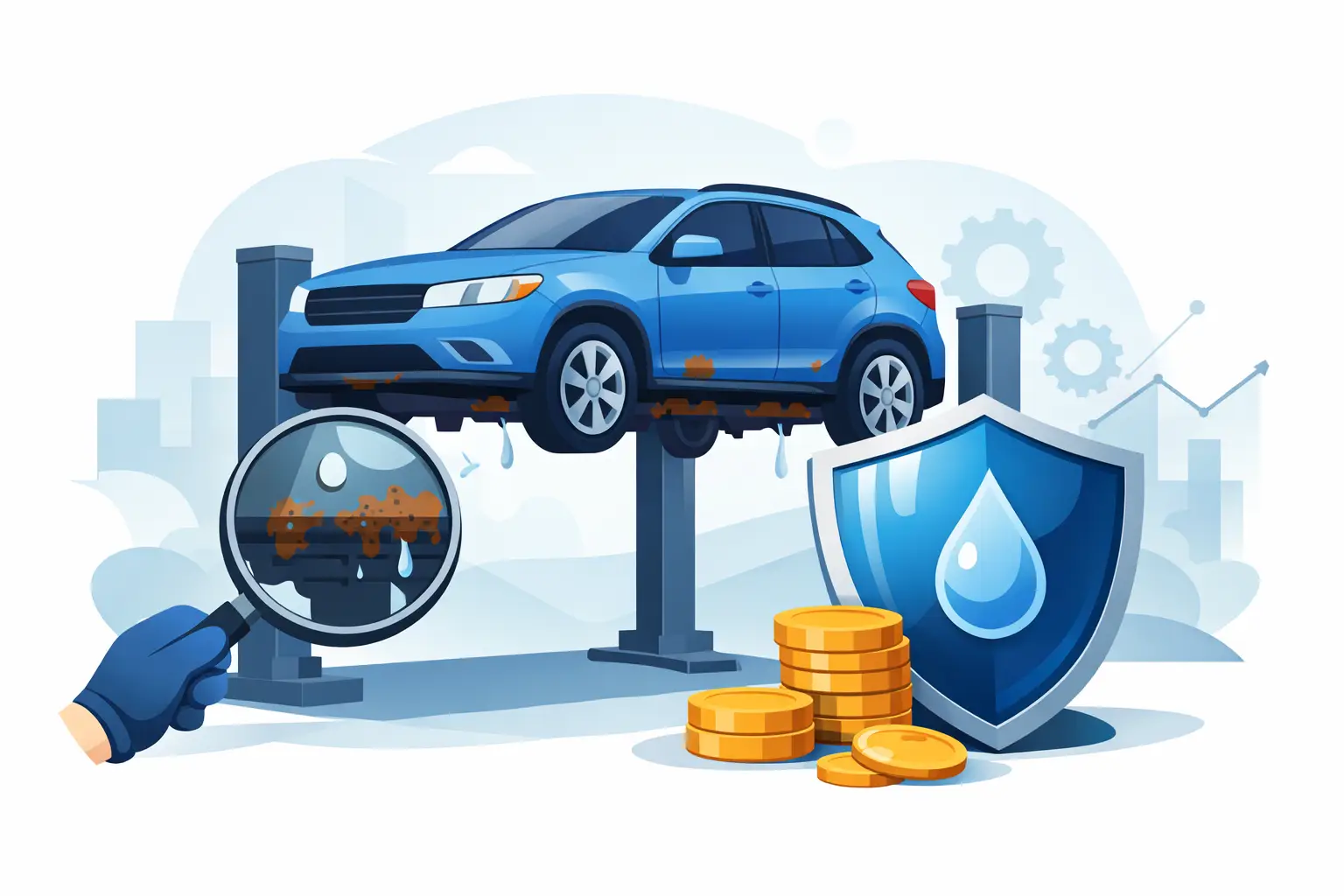
If you have ever looked under an older car and seen flaky metal, bubbling paint, or rusty brake lines, you already know why people ask what does rust proofing cost. Rust starts small, but once it gets into the underbody, doors, rocker panels, and frame areas, repairs get expensive fast. For most drivers, the real question is not just the price of rust proofing. It is whether spending money now can save a much bigger repair bill later.
What does rust proofing cost for most vehicles?
For most everyday vehicles, rust proofing usually costs somewhere between $100 and $300 for a basic application, and it can go higher for larger vehicles, premium products, or more detailed treatment. A compact sedan will usually be on the lower end. SUVs, trucks, vans, and work vehicles often cost more because there is simply more area to cover.
That price range is broad because rust proofing is not one single service. Some shops offer a quick spray treatment focused on the underbody. Others include door panels, rocker panels, wheel wells, seams, and other rust-prone spots. The more complete the service, the more you should expect to pay.
If you see a very low advertised price, ask what is actually included. A cheap package may only cover exposed underside surfaces. A more complete rust proofing service may take more time, use more material, and protect the places where corrosion often starts out of sight.
Why rust proofing prices vary so much
The biggest factor is vehicle size. A small commuter car needs less product and less labor than a pickup truck or three-row SUV. That part is simple.
The second factor is the type of rust proofing being used. Oil-based and dripless products are not the same, and they are not priced the same either. Oil sprays are often more affordable and popular because they creep into seams and small gaps. Dripless coatings tend to dry firmer and may appeal to drivers who want a cleaner finish, but they can cost more depending on the product and process.
Condition matters too. If the vehicle is new or still very clean underneath, prep work is easier. If there is already dirt buildup, road salt residue, or early surface rust, the shop may need extra cleaning time before applying protection. That can raise the cost.
Location also plays a role. In places with harsh winters, road salt, slush, and freeze-thaw cycles, rust proofing is in higher demand. Shops in those areas may offer more package options, but prices can reflect the value of seasonal protection.
The main types of rust proofing and what you pay for
Oil spray rust proofing is one of the most common options because it is effective, practical, and usually budget-friendly. It leaves a protective film that can work its way into small crevices where moisture likes to sit. This type often needs reapplication on a regular basis, usually once a year, but the lower upfront cost makes it attractive for drivers who want ongoing protection without a big one-time bill.
Dripless rust proofing usually uses a thicker coating that hardens more after application. Some drivers prefer it because it is less messy, but it does not always penetrate hidden seams as well as oil-based products. Pricing can be moderate to high depending on the product and the vehicle.
Electronic rust protection systems are another category, but many drivers are skeptical because results are less straightforward than a physical coating or spray. These systems can cost more upfront, and they are not usually the first choice for a value-focused driver looking for visible, practical protection.
For most people, the best value is still a professional spray-based service done properly and repeated as needed.
What is usually included in the price?
A rust proofing package may include treatment of the undercarriage, wheel wells, door bottoms, rocker panels, trunk seams, hood seams, and other vulnerable areas. Some services also include drilling access points with plugs if needed to reach enclosed sections, while others only treat accessible areas.
This is where comparing services matters more than comparing price tags alone. A $129 service that covers key rust-prone areas can be a better deal than a $99 service that only sprays the obvious spots. If you are trying to protect the car long-term, coverage matters.
Ask if the service includes any prep washing. Applying protection over heavy grime or salt buildup is not ideal. A clean surface gives the product a better chance to do its job.
Is rust proofing worth the cost?
For many drivers, yes. If you live in an area with snow, salted roads, wet winters, or frequent slush, rust proofing is one of the more practical preventive services you can buy. It is not glamorous, and you will not get the instant shine of a fresh wax or detail, but it can help preserve parts of the vehicle that are expensive to repair.
Think about the cost of replacing brake lines, patching rusted rocker panels, fixing corroded underbody sections, or dealing with seized bolts and damaged suspension components. Those repairs can quickly cost hundreds or thousands of dollars. Against that, spending a couple hundred dollars on protection starts to look reasonable.
That said, it depends on the vehicle and your plans. If you lease a car for a short term and return it in two or three years, rust proofing may matter less. If you plan to keep the car for a long time, drive daily through winter, or rely on it for commuting or rideshare work, the value is much easier to see.
New car, older car, or high-mileage vehicle?
Newer vehicles usually benefit the most because protection starts before rust has a chance to spread. This is the ideal time to invest. A fresh application on a newer car helps protect seams, underbody areas, and hidden cavities while they are still in good shape.
Older vehicles can still benefit too, but expectations should be realistic. Rust proofing does not reverse existing corrosion. What it can do is slow further spread if the rust is still manageable. If the underside already has major flaking rust or structural damage, protection alone will not fix the problem.
For high-mileage cars that are still mechanically solid, rust proofing can be a smart way to stretch the life of the vehicle. Many drivers would rather spend a modest amount each year on prevention than face major body or underbody repairs later.
How often do you need rust proofing?
This depends on the product and how you drive. Many oil-based treatments are recommended once a year. That recurring cost matters, so when asking what does rust proofing cost, you should think in yearly terms, not just one visit.
If the average application costs $150 to $250 annually, that may still be a solid value for someone who wants to keep a vehicle in good shape for several years. The cost is easier to justify when spread over time, especially compared with repair bills caused by neglect.
Drivers who do a lot of highway miles, park outside, or regularly drive in wet and salty conditions may benefit most from staying on schedule.
How to get the best value on rust proofing
The best value is not always the cheapest option. Look for clear package details, fair pricing, and a shop that handles vehicle care every day, not as an afterthought. Good prep, proper coverage, and a practical maintenance schedule matter more than a flashy sales pitch.
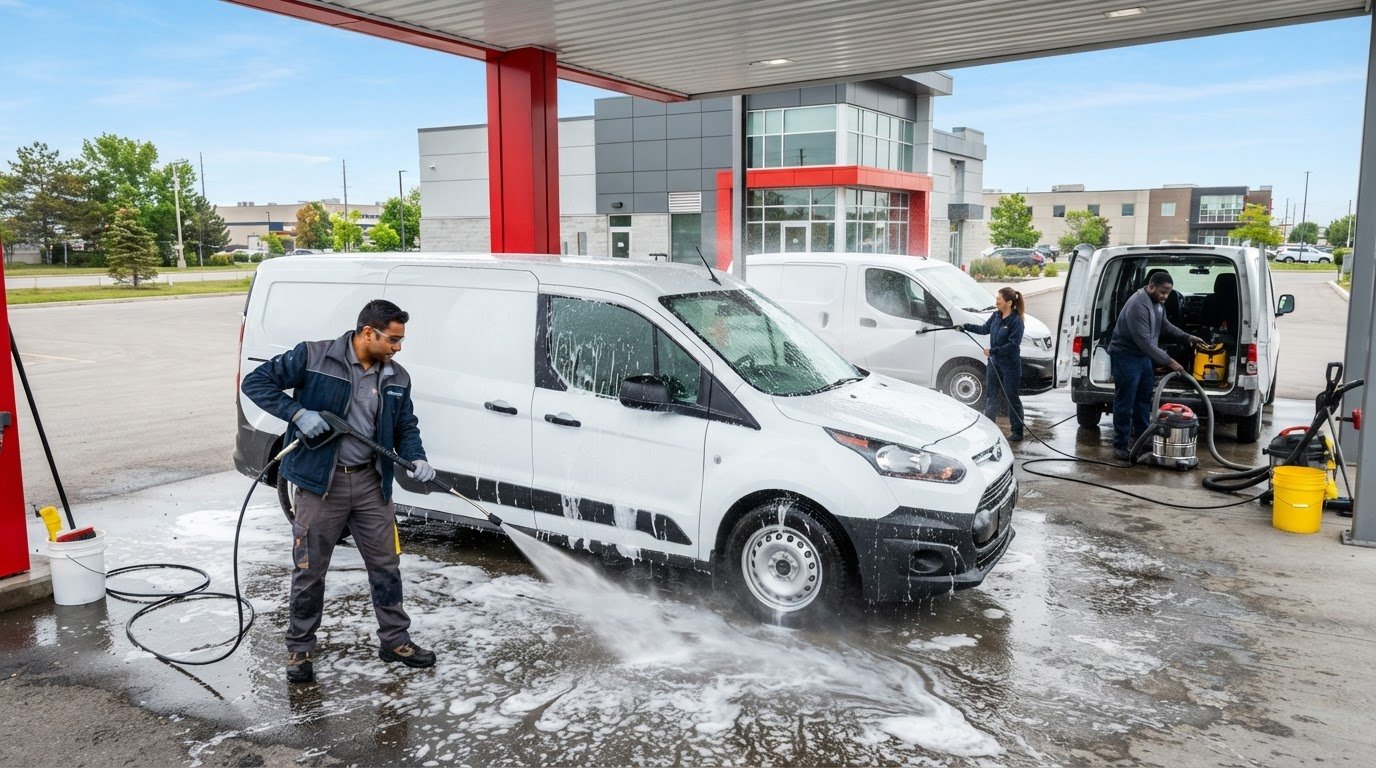
It also helps to bundle service when it makes sense. If a shop already provides wash, detailing, and protection services, it may be easier to keep your vehicle on a regular care schedule. At Nanak Car Wash, for example, customers often look for that kind of convenience because saving time matters just as much as saving money.
If you are comparing quotes, ask a few simple questions. What areas are covered? Is prep cleaning included? What type of product is used? How often should it be reapplied? Clear answers usually tell you a lot about the value you are getting.
When paying more makes sense
Sometimes a higher price is justified. Larger vehicles need more labor and product. Fleet vehicles and work trucks often face heavier wear, more road exposure, and more reasons to stay protected. If the service includes more complete area coverage and better prep, paying extra can make sense.
What does not make sense is paying premium pricing for vague promises. Rust proofing should be straightforward. You want coverage, protection, and a fair price. That is it.
If you are driving through winter, carrying the family every day, commuting to work, or trying to protect a vehicle you depend on, rust proofing is one of those maintenance costs that can quietly pay off over time. The smart move is to treat it like any other practical service – get it done before the damage starts, not after.

 6600 Finch Ave W, Etobicoke, ON M9V 3Z6
 647-703-8515
 MON – SUN 8 AM to 7 PM