
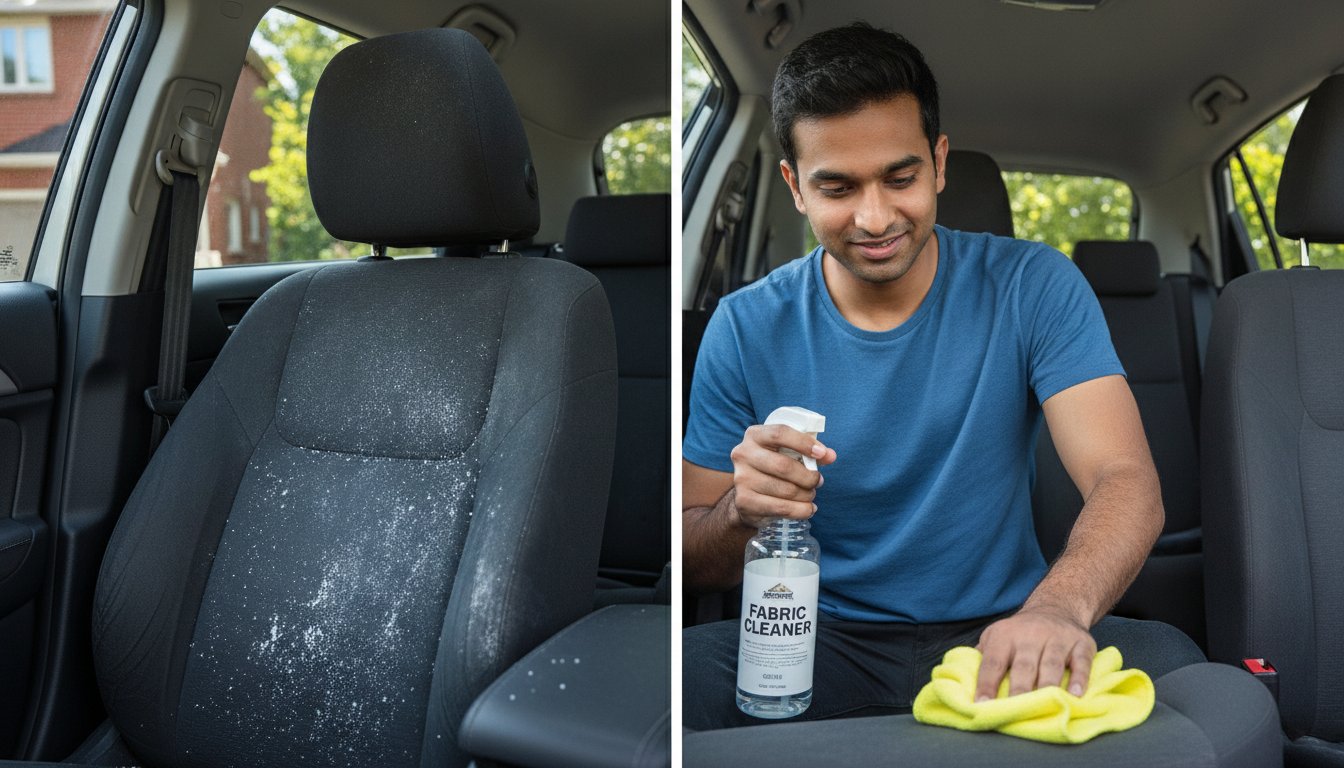
Did you know that using too much water to scrub a simple coffee spill is actually the fastest way to grow mold inside your seat cushions? It’s a common mistake that turns a small mess into a permanent odor problem. Most drivers in Brampton know the struggle of fighting stubborn salt stains after a long winter or dealing with a lingering smell that just won’t quit. You want a clean cabin, but you’re afraid of soaking the foam. Learning how to clean fabric car seats doesn’t have to be a gamble with your upholstery. You can get professional results at home with the right strategy.
We agree that your vehicle should be a source of pride, not a source of stress. This guide promises to teach you the best ways to remove deep-set stains and deep clean your fabric car seats like a pro. We’ll preview the essential tools, explain the latest 2026 Canadian VOC regulations for cleaning products, and show you how to spend just $30 to $50 on supplies for a total interior refresh. Learn how to choose cleaners that meet the new 10% limit for 2-butoxyethanol while mastering the perfect balance of vacuuming and chemical action for a spotless, healthy ride.
Key Takeaways
- Stop permanent fiber breakdown and bacteria buildup by establishing a consistent cleaning routine for your upholstery.
- Master a simple 5-step process on how to clean fabric car seats using basic tools like a vacuum and microfiber cloths.
- Remove stubborn coffee, mud, and winter salt stains with specific blotting techniques and safe cleaning mixtures.
- Compare the cost of DIY maintenance against the deep restoration power of professional hot water extraction.
- Get a showroom-quality finish and avoid mold risks by choosing professional interior detailing packages for deep shampooing.
Why You Must Clean Fabric Car Seats Regularly
Your car seats are a magnet for the environment. Every time you climb into the driver’s seat, you bring dust, pollen, and bacteria from the outside world. Fabric upholstery is porous. This means it traps these particles deep within the fibers where a simple wipe won’t reach them. Regular cleaning isn’t just about looks. It’s about maintaining a healthy environment inside your cabin for you and your passengers. Ignoring your seats leads to more than just a messy look; it causes permanent damage to your vehicle’s interior.
The Hidden Dangers of Dirty Upholstery
Dust mites and allergens love uncleaned fabric. These microscopic pests thrive in the warm, dark spaces of your seat cushions. When you spill a drink, the liquid doesn’t stay on the surface. It sinks deep into the foam. Without proper extraction, this leads to mold growth that you can’t see but will definitely smell. Over time, ground-in grime acts like sandpaper. Every time you sit down, that dirt rubs against the fabric fibers. It causes them to fray and break down. This leads to premature wear and unsightly holes that are expensive to fix.
Understanding Your Seat Fabric
Not all seats are created equal. Most modern cars use either nylon or polyester. Nylon is durable but very absorbent. Polyester is more stain-resistant but can be harder to deep clean once a spill sets in. Check your vehicle tags for cleaning codes before you start. A “W” means you can use water-based cleaners. An “S” means you must use specialized solvent-based cleaners only. Even if your car features “stain-resistant” fabric, the protective coating wears off over time. Regular maintenance ensures these built-in defenses keep working. Knowing how to clean fabric car seats based on their specific material prevents you from accidentally shrinking or bleaching the fabric.
Clean interiors pay off in the long run. When you decide to sell or trade in your vehicle, the condition of the upholstery is a major factor. Stained, smelly seats can knock a huge amount off the resale value. Professional car wash techniques often include specialized upholstery care to prevent this financial loss. Maintaining your seats now saves you money later.
Fresh upholstery also eliminates odors rather than just masking them. Masking smells with air fresheners is a temporary fix. It doesn’t solve the problem. True freshness comes from removing the source of the odor. Deep cleaning pulls out the rotting food particles, spilled milk, or pet dander that causes the stench. You get a truly clean cabin that smells fresh because it’s actually clean. Don’t let your car’s interior become a health hazard or a financial liability. Stick to a cleaning schedule to keep your fabric looking and smelling like new.
How to Clean Fabric Car Seats: A 5-Step DIY Process
You don’t need expensive industrial machinery to get your interior looking fresh again. Most drivers can master how to clean fabric car seats using simple household items found in any garage. Efficiency is key here. You want to work quickly and avoid making the seats too wet. Grab your high-powered vacuum, a pack of microfiber cloths, and a soft-bristled upholstery brush. If you don’t have a dedicated fabric cleaner, a mix of mild dish soap and warm water works well for basic maintenance. This simple setup allows you to tackle most messes without a massive financial investment.
Step 1: The Power of the Vacuum
Start with the most thorough vacuuming possible. Loose debris acts like sandpaper on your fabric, so you must remove it before adding any liquid. Move the seats all the way forward and then all the way back to reach every hidden corner. Use your crevice tools to dig deep into the gaps between the seat base and the center console. Don’t forget the seat backs and the headrests. These areas often collect dust and hair that you don’t notice at first glance. A helpful pro tip is to brush the fabric with your soft brush while you vacuum. This action agitates the fibers and helps the vacuum pull up stubborn pet hair and deeply embedded crumbs that a standard nozzle might miss.
Step 2: Applying the Cleaning Solution
Now it’s time to apply your cleaner. The biggest mistake people make is over-saturating the fabric. Use a spray bottle to apply a light, even mist over the surface. If you soak the seat, moisture will trap itself in the foam and lead to mold growth. Once the cleaner is on the seat, let it sit for about 2 to 3 minutes. This is known as dwell time. Dwell time is critical because it gives the chemicals enough time to break the bond between the dirt and the fabric fibers without you having to scrub too hard. For heavy grime, you might need a second light application, but always start small to keep the moisture levels low.
After the dwell time, use your soft brush to gently agitate the surface. Use circular motions to lift the dirt to the surface. Once you see the dirt lifting, immediately blot the area with a clean, dry microfiber cloth. Don’t rub the cloth back and forth. Instead, press down firmly to soak up the liquid and the grime. Repeat this process across the entire seat until the fabric feels barely damp. Finally, leave your car windows cracked to ensure the seats dry completely. If you find this process too time-consuming, our Car Detailing Packages offer a professional alternative that saves you the effort and delivers a deeper restoration.
Removing Tough Stains: Coffee, Mud, and Winter Salt
Different stains require specific chemical reactions. Speed is your best friend when learning how to clean fabric car seats after a spill. If you catch a coffee spill early, you can prevent a permanent shadow on your upholstery. Blot the area immediately with a dry microfiber cloth. Do not rub the fabric. Rubbing pushes the liquid deeper into the seat foam. Use a mixture of one part white vinegar and one part water with a small drop of dish soap. Spray the solution on the spot and blot until the color lifts. This simple home remedy handles most daily spills without damaging the fibers.
Grease and ink stains are more aggressive. Use rubbing alcohol on a microfiber cloth sparingly. Put the alcohol on the cloth first, then dab the spot carefully. For mud, patience is mandatory. Let mud dry completely before you touch it. Vacuum the dried chunks first to remove the bulk of the dirt. Scrubbing wet mud just pushes the grit into the weave of the fabric. Once the area is dry and vacuumed, use a soft brush and a mild cleaner to lift the remaining residue.
The Brampton Winter Salt Challenge
Ontario roads are brutal on vehicle interiors. Road salt is the #1 enemy of car interiors in Brampton. Those white crusty rings are more than a cosmetic issue. Salt crystals act like tiny knives. They shred fabric fibers from the inside out every time you sit down. To fix this, use a 1:1 water and white vinegar solution. This acidity breaks down the calcium and sodium minerals. Spray the solution on the salt ring and let it dwell for two minutes. Use a soft brush to agitate the salt and blot it away with a clean towel. Repeat this until the white residue disappears completely.
Dealing with Lingering Odors
Stains often leave smells behind that air fresheners can’t fix. Don’t use heavy perfumes. They just hide the stink for a few hours. Baking soda is a cheap, effective tool for neutralizing odors. Sprinkle a generous layer on dry seats and let it sit overnight. Vacuum it up in the morning to pull out trapped moisture and smells. For organic messes like spilled milk or pet accidents, use an enzyme-based cleaner. These products contain active bacteria that consume the source of the odor. These DIY tricks handle most daily messes and keep your interior fresh on a budget.

DIY Cleaning vs. Professional Detailing: A Real Comparison
Choosing between a weekend of scrubbing and a professional appointment depends on the condition of your vehicle. Learning how to clean fabric car seats is a vital skill for managing daily coffee spills or fresh mud. DIY methods are affordable. You usually spend about $30 to $50 on basic supplies like brushes and soaps. However, hand-scrubbing has physical limits. Professional detailing uses hot water extraction and industrial steamers, similar to the advanced equipment utilized by lakegenevacarpetcleaning.com for home upholstery, that penetrate deep into the seat foam. These machines remove bacteria and allergens that a standard spray bottle simply cannot reach.
Time is your most valuable asset. A thorough DIY session usually takes two to four hours of hard labor. You have to gather supplies, vacuum every corner, scrub the fabric, and then wait hours for it to dry. Just as you might outsource your weekly chores to Prescott’s Laundry to save time, hiring professionals for your car’s interior delivers a deeper clean while you wait. Industrial vacuums have significantly higher suction power. This means they pull more moisture out of the seats. Your car is ready to drive sooner without the risk of mold growth from over-wetting. It’s a pragmatic choice for drivers who value efficiency.
When DIY Just Isn’t Enough
Sometimes, household cleaners won’t cut it. If your stains have been set for more than six months, they have likely bonded with the fabric fibers. Persistent musty smells are another red flag. These odors often signal mold or bacteria growth deep inside the cushion. In these cases, surface cleaning only masks the issue. You need professional-grade heat and suction to sanitize the interior properly. For a deeper look at what professionals do differently, check out our interior car detailing guide.
The Value of Your Time
Think about the cost of your free time. Spending an entire Saturday morning fighting stubborn salt stains might not be the best use of your weekend. Our Full-Service Car Wash options are designed for busy drivers who want results without the hassle. Professionals achieve a showroom finish that is nearly impossible to replicate with store-bought tools. You get deep-cleaned upholstery, sanitized surfaces, and a fresh scent in one visit. If you want a total restoration without the physical strain, explore our high-value Car Detailing Packages for an efficient and affordable solution.
Get a Professional Clean at Nanak Car Wash Brampton
Nanak Car Wash in Brampton is your top choice for a professional interior. Knowing how to clean fabric car seats is a great skill, but some messes require industrial power. Our team uses specialized shampooing techniques to revive tired upholstery. We remove the deep-set grime that household cleaners can’t touch. We’re conveniently located in Brampton to serve drivers across the GTA. You get high-level results without the weekend-long effort. Our service is direct, effective, and built for your convenience.
Our process focuses on value and efficiency. We use professional-grade extractors to pull moisture and dirt out of your seat cushions. This prevents the mold growth and musty smells often caused by DIY over-wetting. We offer specialized care for all vehicle types. Whether you drive a daily commuter or a family van, we have a solution for you. We pride ourselves on being a hard-working, no-frills provider. We get the job done right the first time. Experience the psychological satisfaction of a clean car today.
Our Detailing Packages
Maximize your savings by choosing one of our comprehensive detailing packages. These bundles are designed to give you the most value for your money. They include:
- Deep vacuuming of all carpets, mats, and hard-to-reach crevices.
- Professional seat shampooing and hot water stain extraction.
- Dashboard, door panel, and console sanitization.
- Interior window cleaning for a crystal-clear view.
We offer significant discounts when you choose a full package. It’s the most cost-effective way to get a total vehicle refresh for one low price. If you’re searching for car detailing near me, our Brampton facility is the trusted choice for local drivers. We make your car look great and your wallet feel even better. Save more by combining interior cleaning with our wash packages.
Book Your Service Today
Don’t wait for stains to become permanent. Visit Nanak Car Wash in Brampton for a spotless, healthy interior. Our team works fast so you can get back on the road in a car that feels new. Want to keep your car clean every single day? Join our Unlimited Wash Club. It’s the ultimate way to stay ahead of Ontario’s road salt and grime all year round. Stop fighting with household sprays and let the pros handle it. RELAX WHILE WE DO THE HARD WORK.
Revive Your Interior Today
You now have the skills to handle basic spills and routine maintenance. Regular vacuuming and smart blotting techniques keep your upholstery from wearing out too soon. Surface cleaning is a great start, but it often misses the bacteria hiding deep in the foam. Mastering how to clean fabric car seats at home is perfect for daily messes. However, true restoration requires specialized industrial power to protect your health and your car’s value.
Don’t let stubborn stains and Ontario road salt ruin your driving experience. Choose a top-rated Brampton detailing service for a deeper, more reliable clean. We use professional-grade shampooing equipment to lift the toughest grime while you wait. Our convenient full-service wash packages are designed to save you both time and money. Visit us today for a showroom finish that DIY methods simply can’t match.
SAVE BIG ON YOUR NEXT DETAIL AT NANAK CAR WASH
Your vehicle is a major investment. Keep it looking like new with a mix of smart DIY care and expert professional attention. You’ve got this!
Frequently Asked Questions
Can I use laundry detergent to clean my car seats?
Yes, but you must use a very small amount diluted with water. High concentrations of laundry detergent leave a sticky residue that attracts more dirt over time. Mix one tablespoon of detergent with two cups of warm water in a spray bottle. Always test a small, hidden area first to ensure the colors don’t bleed. Using too much soap makes the rinsing process nearly impossible without professional extraction equipment.
How long does it take for fabric car seats to dry after cleaning?
Expect a drying time of 3 to 6 hours depending on the humidity and how much water you used. Keep your windows cracked or use a portable fan to circulate the air inside the cabin. Never close the doors completely while the seats are still damp. Trapped moisture is the primary cause of mold and musty odors. If the seats feel wet after 6 hours, use dry towels to blot up the excess.
What is the best way to remove salt stains from car upholstery?
The most effective method is using a 1:1 mixture of warm water and white vinegar. This acidic solution breaks down the mineral crystals found in road salt. Spray the white rings and let the solution dwell for two minutes before blotting with a clean cloth. This is a critical maintenance step for drivers in Brampton. It prevents the salt from permanently damaging your fabric fibers during the harsh Ontario winters.
Is steam cleaning safe for all types of fabric car seats?
Steam cleaning is generally safe for most nylon and polyester upholstery, but always check your vehicle’s cleaning codes first. Look for a “W” or “WS” on the tag. High heat is excellent for killing bacteria and lifting deep-set oils. However, you should avoid keeping the steam head in one spot for too long. Excessive heat can sometimes melt or distort sensitive synthetic fibers if you aren’t careful during the process.
How often should I have my car seats professionally detailed?
Schedule a professional detail at least twice a year for the best results. We recommend one session in the spring to remove winter salt and another in the fall to prep for the cold months. Regular professional care prevents the permanent breakdown of fabric fibers. It also ensures your vehicle maintains its maximum resale value. Busy drivers often find this schedule keeps their cabin smelling fresh without the constant need for DIY scrubbing.
Will professional detailing remove old, set-in coffee stains?
Yes, professional hot water extraction is designed to lift stains that household cleaners can’t reach. While very old stains might leave a slight permanent shadow, the deep-cleaning process usually removes the majority of the pigment and all the lingering odors. Professionals use specialized chemicals that break the bond between the coffee oils and the fabric. It is a much more effective restoration method than hand-scrubbing with basic store-bought soaps.
How can I protect my fabric seats from future spills?
Fabric protector sprays are the best defense against new messes. Apply a high-quality protector after learning how to clean fabric car seats and allowing them to dry completely. These products create an invisible, hydrophobic barrier that causes liquids to bead up on the surface. This gives you time to blot away a spill before it sinks into the foam. Re-apply the protector every six months to maintain the shield.

 6600 Finch Ave W, Etobicoke, ON M9V 3Z6
 647-703-8515
 MON – SUN 8 AM to 7 PM