
Close to 80% of untreated vehicles show visible rust by the six- or seven-year mark in Canada, and that timeline gets uglier fast when a car lives through Ontario winters with calcium and magnesium chloride on the roadways The Globe and Mail report on Rust Check. That's why car rust prevention spray isn't a cosmetic add-on. It's recurring maintenance, and if you skip it, the salt belt will collect its payment in seams, brake lines, wheel wells, and underbody metal.
In the GTA, I've seen too many owners wait until rust is visible. By then, the spray is no longer prevention, it's damage control. The smart move is to treat rust proofing the same way you treat oil changes, brake service, and winter tyres, because Ontario road salt doesn't care how new the car is.
Table of Contents
- Why Ontario Vehicles Rust Faster Than You Think
- How Road Salt Attacks Your Undercarriage
- Types of Car Rust Prevention Spray and Which One Fits Your Vehicle
- Step-by-Step Preparation and Application Tips
- How Often Should You Reapply in Ontario Winters
- DIY Spray Versus Professional Rust Proofing Costs
- Your Seasonal Rust Defence Action Plan
Why Ontario Vehicles Rust Faster Than You Think
Ontario doesn't just rust cars, it attacks them from the ground up. Winter road salt, slush, repeated freeze-thaw cycles, and constant moisture keep metal wet, dirty, and exposed for long stretches. That matters even more on modern vehicles with sensor-heavy underbodies, EV battery enclosures, and hybrid components that sit low and collect spray. Corrosion does not wait for a dramatic failure. It starts where drainage is poor and cleanup is skipped.
The real countdown starts under the car
Rust starts in the places drivers rarely inspect, the underside, hidden cavities, edge seams, and boxed sections. Those spots trap salty slush and hold moisture far longer than painted panels, which is why a car can look fine on top while steel underneath is already degrading. Annual oil-based spraying remains the common Canadian prevention approach because it keeps reaching into joints and overlaps that factory coatings and paint cannot fully protect. The recurring service model exists for a reason, once chloride contamination gets into a seam, it keeps working.
Practical rule: If a vehicle already has dry seams, chipped paint, or winter road film on the underbody, it needs protection before the next salt season, not after the first rust spot.
Ontario's salt problem is not just about fresh snow. Road treatment leaves residue on suspension parts, brake hardware, wiring routes, and the lower edges of electronic modules, and that residue keeps attracting moisture long after the roads look clear. Corrosion resistance on exposed parts depends on blocking that moisture and salt film before it settles in, which is the point made in Galhor Inc on bumper longevity. On newer vehicles, that same logic applies to the underbody plastics, sensor brackets, and battery-area shielding that owners often forget to inspect.
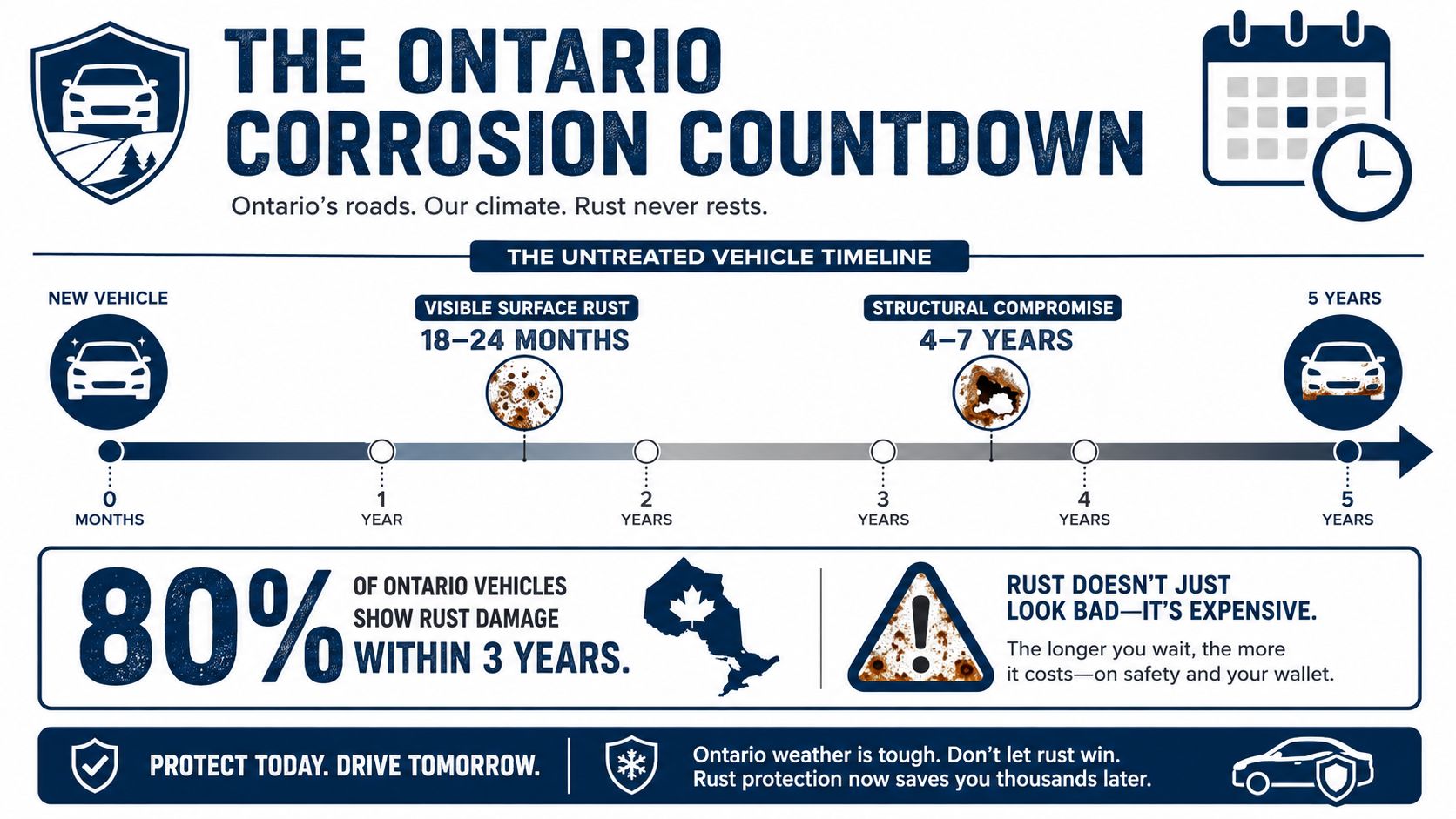
The takeaway is blunt. Prevention beats repair because repair happens after chloride has already done the first round of damage. Once rust appears in the seams, the easy window is gone.
How Road Salt Attacks Your Undercarriage
Ontario road salt attacks metal through a steady electrochemical reaction. Sodium chloride and calcium chloride in slush and spray act as electrolytes, so exposed steel keeps corroding as long as the film stays wet. A vehicle can sit still in the driveway and still keep losing metal underneath.
Where the damage starts first
The first failures show up in the places that trap grime and hold moisture. The undercarriage, wheel wells, brake lines, fuel tanks, seams, and suspension mounts all keep salt spray longer than flat painted panels do. Oilgard on Ontario car rust mechanisms explains why those hidden areas rust so aggressively in Ontario, and that is exactly why a car rust prevention spray has to reach boxed sections, overlap joints, and seam welds instead of just coating visible steel.
Salt keeps working after the road surface looks clean. Hygroscopic residue pulls moisture out of the air, which leaves a conductive film on the metal long after the plough trucks are gone. That is why underbody spraying and undercarriage flushing need to work together. A coating can protect the surface while rinsing removes the electrolyte underneath.
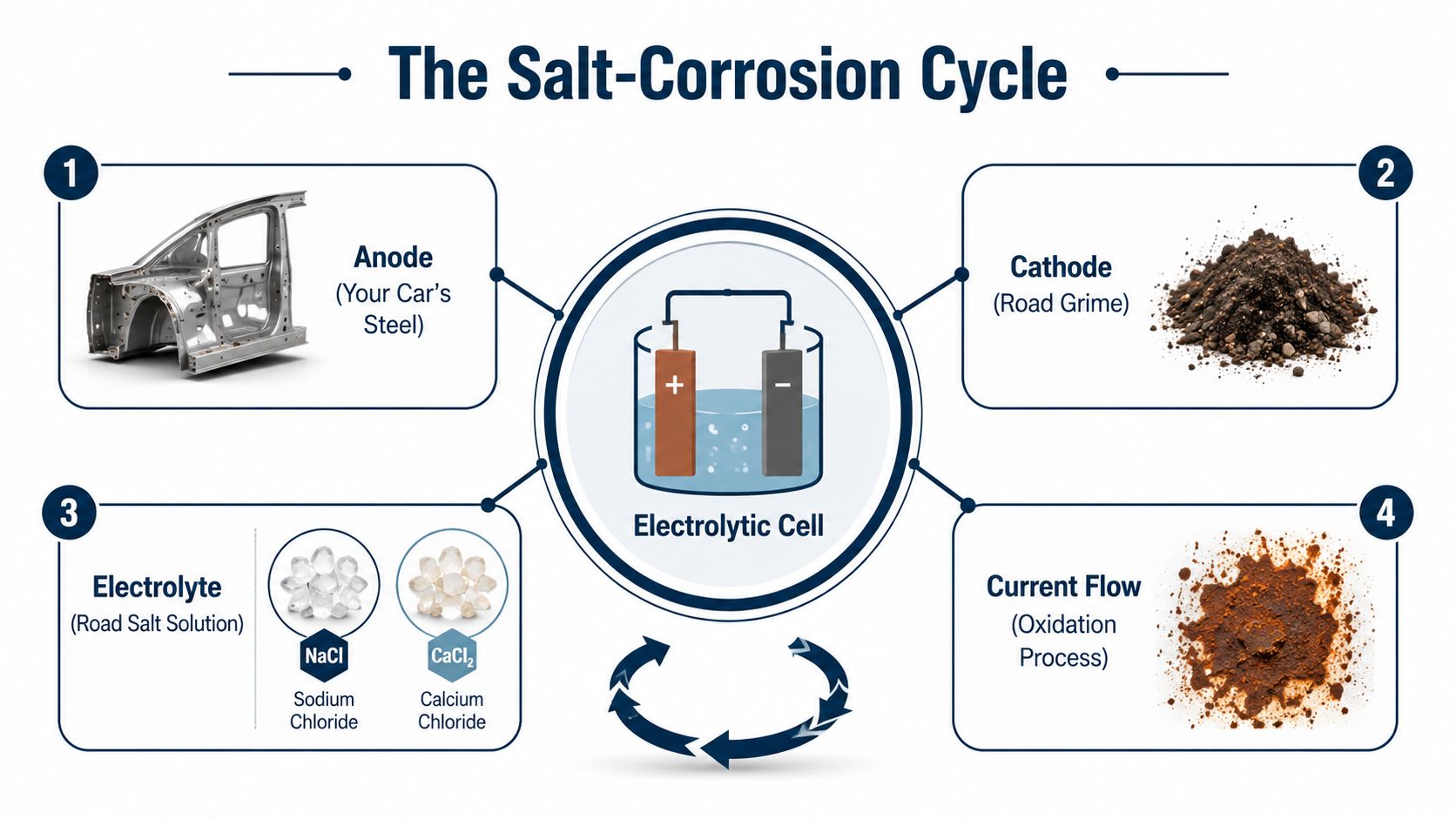
The corrosion cell is why rinsing matters
The shop-floor version is simple. Salt-laden moisture sits on steel, oxidation starts, and trapped grime slows drying. Once that cycle gets into a seam or pocket, the spray on top cannot fully stop it unless the salt film is removed first.
Shop-floor advice: Flush the undercarriage often enough that salt never gets a long uninterrupted stay on the metal. The spray protects the surface, rinsing removes the electrolyte.
This matters even more on newer vehicles. EVs, hybrids, and sensor-heavy underbodies carry wiring, connectors, shielding, and control modules close to the splash zone, so the job is no longer just protecting steel. The coating has to stay off the wrong parts and still cover the rust-prone ones, because sloppy application around electronics creates its own problems while the salt keeps doing its work.
Types of Car Rust Prevention Spray and Which One Fits Your Vehicle
Not every rust prevention spray behaves the same way, and that matters more in Ontario than it does in a dry climate. The right choice depends on the age of the vehicle, how much exposed steel it carries, and how much sensor-heavy hardware hangs underneath it. A simple steel-frame truck can take a different treatment than a modern EV or hybrid with exposed connectors, wiring, shields, and control units tucked close to the splash zone.
Match the chemistry to the platform
Oil-based spray is the classic Canadian choice for a reason. It wicks into seams well, works well on older vehicles, winter beaters, trucks, and anything with hidden cavities that need penetration, and it suits owners who plan to keep up with yearly maintenance. The tradeoff is simple. You have to stay on schedule, because it is protection, not a permanent shell.
Wax-based spray makes more sense on newer vehicles with cleaner underbodies and owners who want a firmer surface film. It can leave a tidier finish, but it still needs careful application around moving parts and vulnerable electronics. On newer platforms, the product matters less than whether the applicator respects the vehicle's layout.
Electronic modules get marketed as if they solve corrosion on their own. They do not. Physical protection still has to do the heavy lifting in Ontario, because salt, moisture, and trapped grime keep attacking steel no matter how modern the vehicle looks.
EVs and hybrids need masking discipline
The biggest gap in mainstream advice is obvious, too many guides act like every car is a basic sedan with no electronics under it. They aren't. On EVs and hybrids, the person spraying the vehicle needs to know what gets covered and what stays untouched. A repair-focused guide warns not to spray directly on connectors and to cover hybrid orange high-voltage wires before application, while still treating exposed steel at wheel-well edges and brake-line ends as key corrosion points YouTube guide on rust-proofing newer vehicles. That is the part generic articles usually miss.
Here's a clean decision table.
| Spray Type | Best For | Reapplication Interval | EV/Hybrid Safe | Typical Cost Range |
|---|---|---|---|---|
| Oil-based | Older steel vehicles, trucks, high-salt use | Annual, before winter | Yes, with masking | Varies by service |
| Wax-based | Newer cars, cleaner underbodies | Seasonal or annual, depending on exposure | Yes, with masking | Varies by service |
| Electronic modules | Supplementary use, not standalone underbody protection | Device-dependent | Depends on installation | Varies by product |
The honest recommendation is straightforward. If your vehicle has lots of hidden steel and you drive salted roads all winter, pick the product that reaches seams. If you own a newer EV or hybrid, insist on masking around connectors, wiring, and any sensitive underbody components before anyone sprays a thing.
Step-by-Step Preparation and Application Tips
A proper rust proofing job starts before the can opens. If the car is dirty, damp, or packed with salt crust, the spray has less chance of wicking into the areas that matter. The best results come when the vehicle is warm and dry, because the coating can move into seams instead of sitting on top of grime.
Prep the car like the coating has to earn its keep
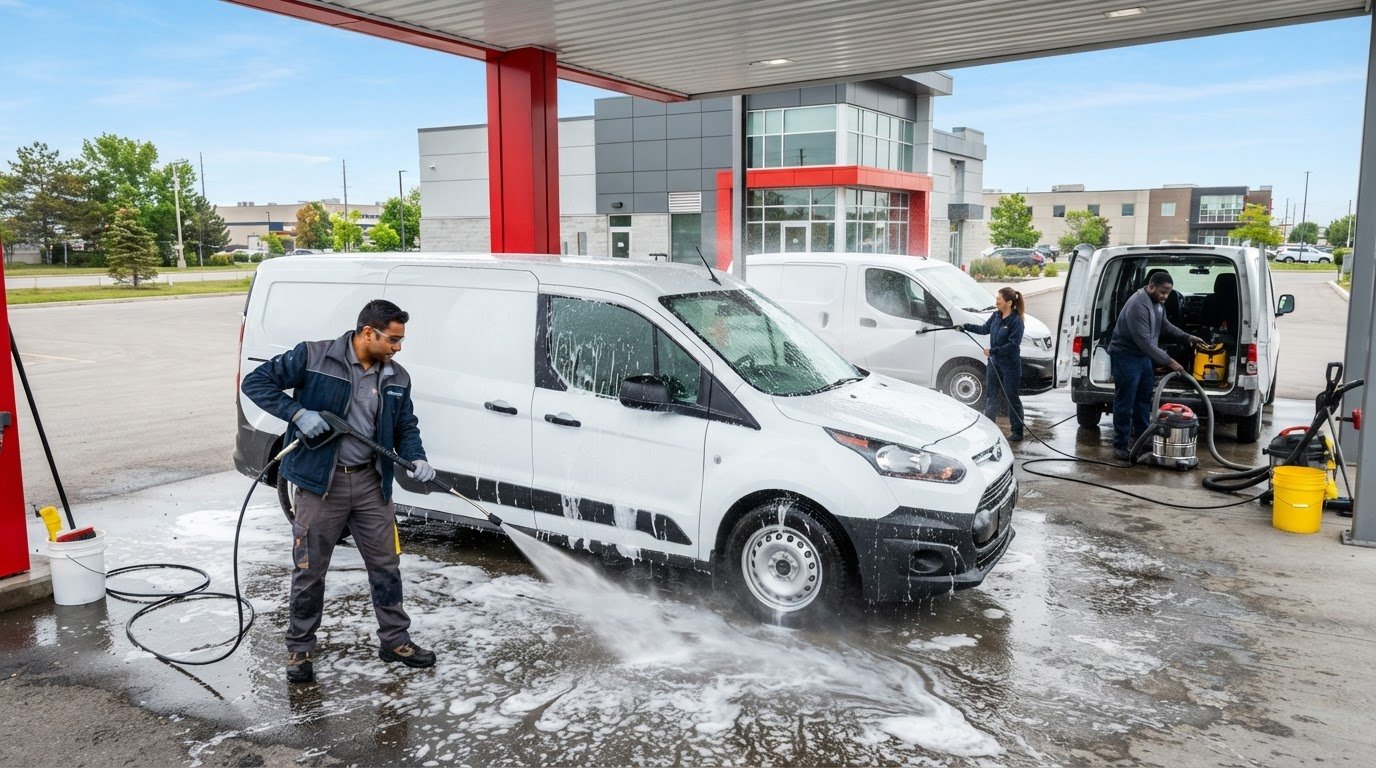
Start with a thorough wash, then dry it completely. Clear the drain holes, because trapped water inside doors, rockers, and boxed sections is bad news. If the vehicle has been through a salty week, an undercarriage rinse matters just as much as the exterior wash.
Next, mask what doesn't belong in the spray path. Connectors, sensors, wiring runs, exhaust areas, and any visible electrical components need to be protected before application. On hybrids and EVs, the orange high-voltage cables deserve extra caution, not guesswork.
Never spray blindly around modern electronics. If you can see a connector, a harness, or a sensor housing, you need to know whether it should be covered before the coating goes anywhere near it.
Spray the hidden stuff, not just the easy stuff
The job is in the seams, box sections, and folded metal where salt-laden moisture lingers. An underbody spray should wick into those joints, not just mist the flat floor pan. That means taking your time around wheel wells, trailing edges, and any pocket where grime collects and stays wet.
Then let it cure properly. Rushing the car back into slush defeats the point. If the coating hasn't settled, washed residue can strip away the fresh barrier before it ever gets to do its work.
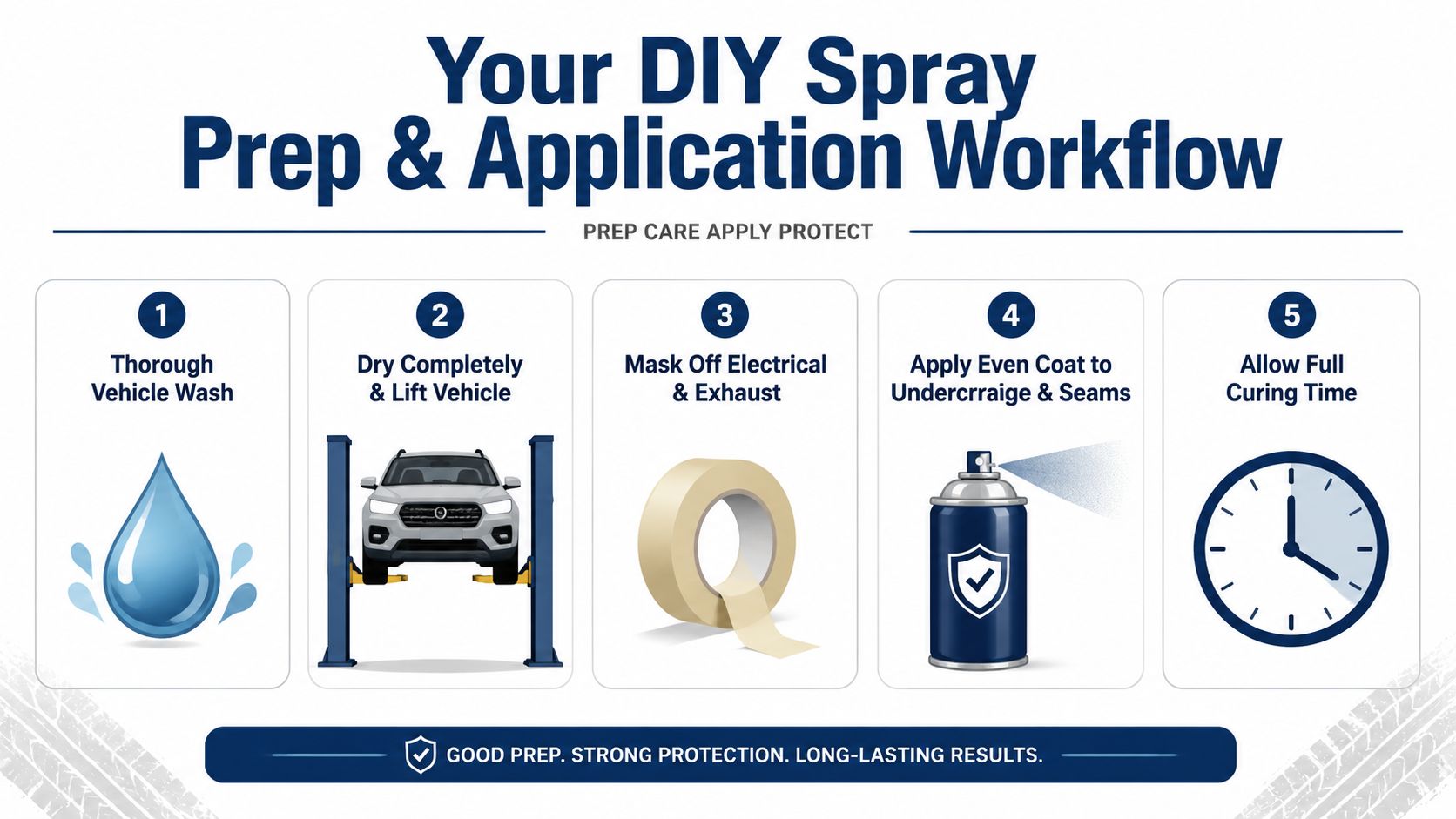
The checklist is straightforward.
- Wash thoroughly: Remove salt film before the coating goes on.
- Dry completely: Moisture in seams cuts the quality of the bond.
- Mask electronics: Sensors, connectors, and high-voltage wiring need protection.
- Apply evenly: Hit seams, boxed sections, and corrosion-prone pockets.
- Let it cure: Don't treat fresh coating like it's instantly invincible.
If a shop can't explain where it masked and where it sprayed, it probably didn't do enough.
How Often Should You Reapply in Ontario Winters
Ontario winter driving is hard on any car rust prevention spray, but the pace of wear depends on exposure, not just time. A vehicle that lives on salted highways, gets packed with slush, and skips underbody washes will need fresh protection sooner than a car that stays garaged and sees light use. That is the rule I trust in the bay.
Daily salt exposure beats calendar logic
The most honest schedule is use-based. Daily highway commuters, ride-hailing drivers, delivery vehicles, SUVs, and fleet trucks collect more spray, more grime, and more wet chloride residue than weekend cars. If the underside keeps getting blasted and never gets cleaned, the coating loses ground faster, especially around modern sensors, harnesses, and connector pockets that hold moisture after thaw cycles.
Here is the practical way to handle it.
- High-exposure winter drivers: Reapply on a tighter cycle, especially if the vehicle sees repeated slush, highway spray, and freeze-thaw grime.
- Moderate-use urban drivers: Annual treatment still makes sense if the car is washed underneath on a steady basis.
- Weekend or seasonal drivers: They can stretch the interval more, but only if storage is dry and the underbody stays clean.
The reason is simple. Ontario road salt does not just sit there. It stays active in wet seams, boxed sections, and around exposed hardware, then keeps working through every thaw. That is why annual spraying is the common baseline, and why vehicles that are left bare keep building corrosion in the salt-belt cycle The Globe and Mail report on Rust Check. The calendar matters less than how much salted spray your vehicle takes.
Wash frequency changes the schedule
Underbody washing changes the equation. Cars that get rinsed after storms hold up better than cars that never see a wash bay. Remove the salt film often, and the coating has an easier job. Let that residue sit, and the spray spends all winter fighting fresh chloride on top of old grime.
Sensor-heavy vehicles need the same discipline, just with more care. EVs and hybrids have more underbody wiring, covers, and electronic modules that should stay protected during application, then stay clean afterward so corrosion does not creep into places you cannot see.
| Driver Profile | Reapply Window |
|---|---|
| Daily highway commuter | Every 6 to 12 months |
| Ride-hailing or urban driver | Every 12 to 18 months |
| Weekend or seasonal driver | Every 18 to 24 months |
Use that as a decision guide, not a promise. The dirtiest cars always need the earliest attention, and the ones with the most winter exposure are the ones that punish neglect first.
DIY Spray Versus Professional Rust Proofing Costs
DIY rust proofing looks cheap until you count the hidden costs. You buy the spray, the tools, the masking material, and then you spend a Saturday lying under the car hoping you didn't miss a seam or fog a connector. That's fine if you're meticulous and patient. It's a bad trade if you're trying to protect a newer vehicle with sensitive underbody systems.
What you pay for with DIY
Consumer spray cans are the obvious low-entry route. They can work on simple steel areas, but coverage is usually basic, and it's easy to miss the awkward spots that trap salt. The biggest failure isn't the can. It's incomplete application.
A proper professional service costs more, but it gives you full-time labour, lift access, and a better shot at seam coverage. Nanak Car Wash lists rust proofing applications with tiered pricing by vehicle size at approximately $119.95 to $149.95 plus tax. That's the benchmark for a done-for-you service in the GTA, not an abstract estimate.
| Option | Pros | Cons |
|---|---|---|
| DIY spray | Lower upfront spend, flexible timing | Missed seams, more labour, more masking risk |
| Professional rust proofing | Better access, more complete coverage, less hassle | Higher upfront price |
For one local option, Nanak Car Wash offers rust proofing alongside its wash services, which matters if you want underbody cleaning and protection from the same stop. That kind of bundled setup is practical in Ontario because the car needs both salt removal and barrier maintenance, not just one or the other.
The hidden cost of doing it badly
A sloppy DIY job can create more problems than it solves. If you spray where you shouldn't, especially around connectors or high-voltage components, you've turned a simple maintenance task into a risk. If you miss the seams, you've also paid for partial protection that may look fine on the surface and fail underneath.
My honest take: DIY only makes sense if you're disciplined, have the right space, and know exactly which parts of the vehicle should stay masked. If not, pay for the lift and the experience.
Your Seasonal Rust Defence Action Plan
The cleanest rust defence is built around the season, not panic. Start in autumn with a thorough wash, underbody rinse, and drain-hole check before the first heavy salt application. Get the spray on when the car is warm and dry, then keep the underbody cleaner through winter so the coating isn't fighting a layer of chloride film every week.
Use wash services as maintenance, not vanity. Nanak Car Wash offers express exterior washes with underbody rinse options starting from $9.99 plus tax, full-service packages, and monthly membership options, which makes it easier to keep salt from building up between spray applications. The broader maintenance mindset also lines up with Top Motor Keys' car maintenance guides, which treat upkeep as a schedule, not a rescue mission.
A simple Ontario rhythm that actually works
- Before winter: Wash, dry, clear drains, and apply rust protection.
- During winter: Rinse the underbody after heavy salt events and keep the vehicle clean.
- After winter: Remove residue, inspect seams, and plan the next application before corrosion gets a head start.
That routine works because each step attacks a different part of the problem. The wash removes the salt, the spray blocks the metal, and the inspection catches the places where road grime still collects.
If you drive every day in the GTA, don't wait for visible rust to tell you what the roads are already doing. Book a wash, keep the underbody clean, and treat rust proofing like the recurring maintenance it is. Visit Nanak Car Wash to line up rust proofing and wash service together, then stay ahead of Ontario salt before it starts eating the metal you rely on.

 6600 Finch Ave W, Etobicoke, ON M9V 3Z6
 647-703-8515
 MON – SUN 8 AM to 7 PM