

A clean car can lose its fresh look fast when water spots, road dust, sun, and grime land on unprotected paint. Knowing how to protect car paint after wash helps your vehicle stay shinier between visits, makes future washes easier, and can help preserve its value over time. The good news is that you do not need an expensive garage full of products to get real protection. You need the right wash, a proper dry, and a protection product that fits how you use your vehicle.
Why Paint Protection Matters After Every Wash
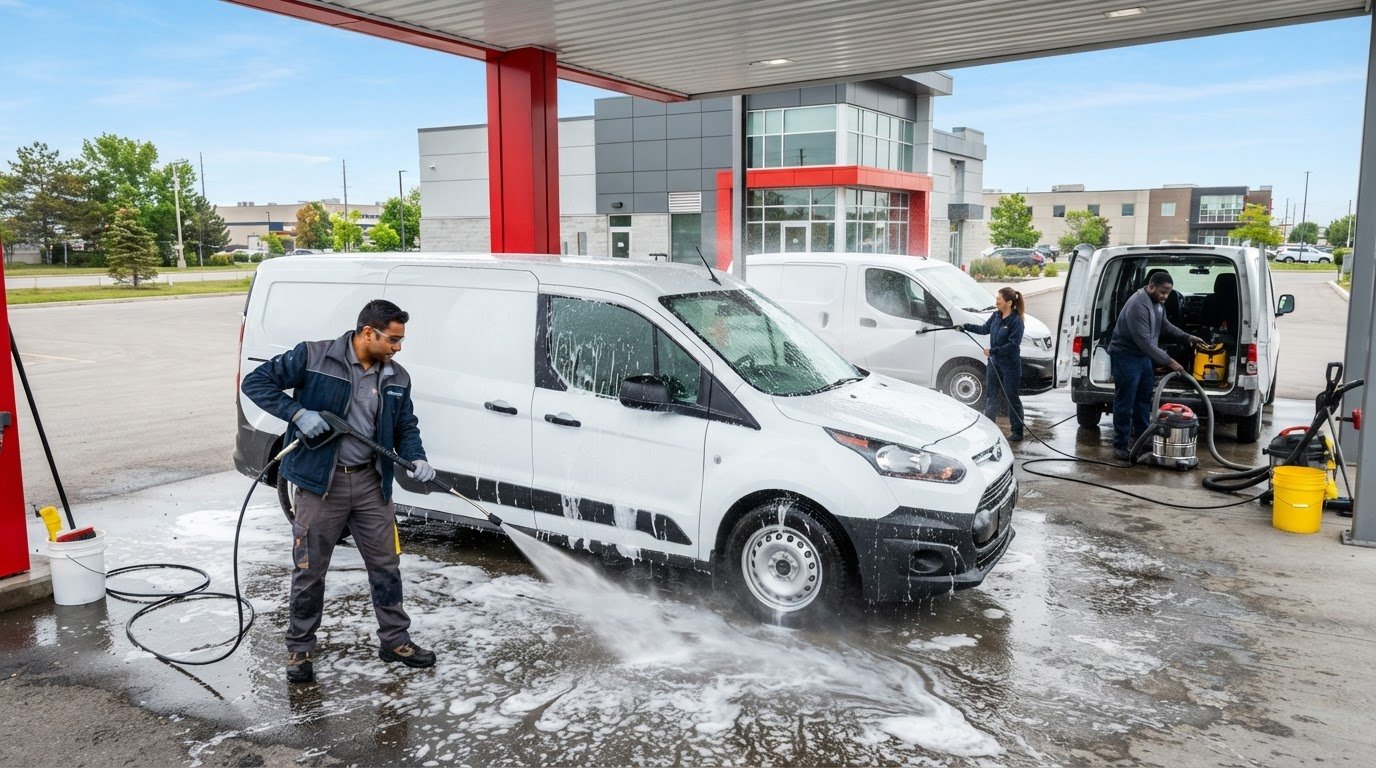
Washing removes the dirt that scratches and dulls your finish, but washing alone does not leave a lasting barrier on the paint. Once the surface is clean, it is exposed to UV rays, bird droppings, tree sap, brake dust, rain minerals, and road salt. For commuters, family vehicles, rideshare cars, and work trucks, those contaminants can build up quickly.
Protection creates a slick layer over the clear coat. Water beads or sheets away more easily, dirt has less grip, and cleanup takes less effort next time. It will not make a car damage-proof. Rocks can still chip paint, and neglect can still cause staining. But a protected finish handles normal daily use much better than bare paint.
This matters even more during winter and wet-weather driving. Road salt and dirty slush do not just make a vehicle look bad. If they are left sitting on lower panels, wheel arches, and behind the wheels, they can contribute to corrosion problems over time.
How to Protect Car Paint After Wash Starts With Drying
Do not apply wax, sealant, or spray ceramic protection to a wet, dirty, or hot vehicle. First, rinse thoroughly so soap and loose debris are gone. Then dry the car as soon as possible using clean microfiber drying towels or a touch-free air dryer.
Skipping the drying step is one of the biggest causes of water spots. Tap water and rainwater can contain minerals that remain behind after the water evaporates. On dark paint especially, those spots can show up as white marks or dull rings. A clean microfiber towel absorbs water without dragging rough debris across the surface.
Work from the roof downward, using light pressure. Do not use an old bath towel, paper towel, or a towel that has been dropped on the ground. Those materials can hold grit and leave fine scratches. If a towel becomes soaked or dirty, switch to a fresh one.
Pay extra attention to mirrors, door handles, trim, the trunk seam, and around the gas door. Water trapped in these areas can drip out later and leave streaks on an otherwise clean finish. Opening and closing the doors once during drying can help release hidden water.
Pick the Right Protection for Your Vehicle
The best product depends on your budget, how much time you have, and how long you want the protection to last. For most everyday drivers, a quality spray protectant after regular washes is a practical choice. It is fast, affordable, and easy to maintain.
Here is how the common options compare:
- Spray wax adds gloss and short-term water beading. It is simple to use and works well for quick upkeep, but typically needs to be reapplied often.
- Paint sealant generally lasts longer than traditional wax and gives dependable protection against everyday grime, rain, and UV exposure.
- Spray ceramic protectant offers strong water behavior and a slick finish with easy application. It is a good middle ground for drivers who want more durability without a major detailing bill.
- Professional ceramic coating can last much longer, but it costs more and requires careful paint preparation. It makes sense for newer vehicles, high-value vehicles, or owners who want long-term appearance protection.
Traditional paste wax can still give a warm, deep shine, particularly on darker colors. The trade-off is time. It takes longer to apply and does not always last as long as modern sealants or ceramic-based products. There is no single best option for every car. A busy driver may be better off applying a spray protectant regularly than buying a premium coating and never maintaining it.
Apply Protection on a Cool, Clean Surface
Park in the shade or wait until the paint is cool to the touch. Direct sun can cause products to dry too quickly, making them streaky and harder to buff off. Read the label on the product you choose because application instructions vary, but the basic process is simple.
Mist a small amount onto one panel at a time or onto a clean microfiber applicator towel. Spread it evenly, then use a separate dry microfiber towel to wipe away any excess. Do not soak the panel. More product does not mean more protection. Too much product often leaves smears, especially on black paint, glass, and plastic trim.
Start with the hood, roof, trunk, doors, and fenders. If the product is safe for plastic trim and wheels, it may be used there as well, but always check first. Avoid getting protectant on brake rotors or tire tread. Those are safety areas, not shine areas.
After application, give the product time to cure if the instructions call for it. Some sprays are ready right away, while other protectants need a few hours without rain or washing. Planning this step after a wash on a dry day gives you the best result.
Keep Dirt From Wearing Down the Finish
Paint protection works best when it is maintained. A vehicle that is washed regularly has less time for salt, bug residue, sap, and industrial fallout to bond to the clear coat. That is why consistent washing is often more valuable than one big detail each year.
For daily drivers, wash whenever the vehicle visibly collects dirt, salt, or bird droppings. In winter, more frequent exterior washes are worth it, especially if the wash includes a good underbody rinse. In warmer months, remove bugs, sap, and bird droppings as soon as you can. These contaminants can be acidic or sticky enough to mark paint when left in direct sun.
Between full washes, use a quick detail spray only on lightly dusty paint. If the car is covered in sand, mud, or road grit, do not wipe it dry. Rinse it first. Rubbing dry dirt across a panel is an easy way to create swirl marks.
A simple test tells you when protection is fading: watch the water. When water no longer beads or slides off as it once did, it is time to reapply your spray wax, sealant, or ceramic topper. Do not wait until the paint feels rough or looks flat.
Avoid These Common Paint Protection Mistakes
The biggest mistake is protecting paint that is not truly clean. If the surface feels gritty after washing and drying, bonded contaminants may still be present. A clay treatment or professional paint decontamination may be needed before applying a long-lasting sealant or coating. Otherwise, you are sealing contaminants into the finish.
Another mistake is using household cleaners, dish soap, or harsh degreasers on painted panels. They can strip existing protection and dry out exterior trim. Use car wash products designed for automotive paint, and keep separate towels for paint, wheels, and dirty lower panels.
Do not polish every time you wash. Polishing removes a very thin amount of clear coat to reduce scratches, oxidation, or swirls. It has a place when paint correction is needed, but it is not routine maintenance. Most cars simply need gentle washing and regular protection.
When Professional Detailing Is Worth It
If your paint looks faded, feels rough, has stubborn water spots, or is covered in swirl marks, a quick spray protectant may not be enough. Professional detailing can include deep cleaning, clay treatment, polishing, and protection that gives the finish a better foundation. This is especially useful before selling a vehicle, after a tough winter, or when you want to bring back the shine on an older car.
For drivers in Brampton, Toronto, Mississauga, Vaughan, and nearby areas, Nanak Car Wash can help keep regular maintenance affordable with exterior wash options, hand-finished detailing, and rust proofing services. Regular care is often easier on your wallet than waiting until paint, trim, and lower panels need major restoration.
A clean vehicle deserves more than a good rinse. Dry it carefully, add a protection layer that fits your routine, and wash away salt and grime before they settle in. Those small habits keep your ride looking cared for without turning car care into an expensive project.

 6600 Finch Ave W, Etobicoke, ON M9V 3Z6
 647-703-8515
 MON – SUN 8 AM to 7 PM