
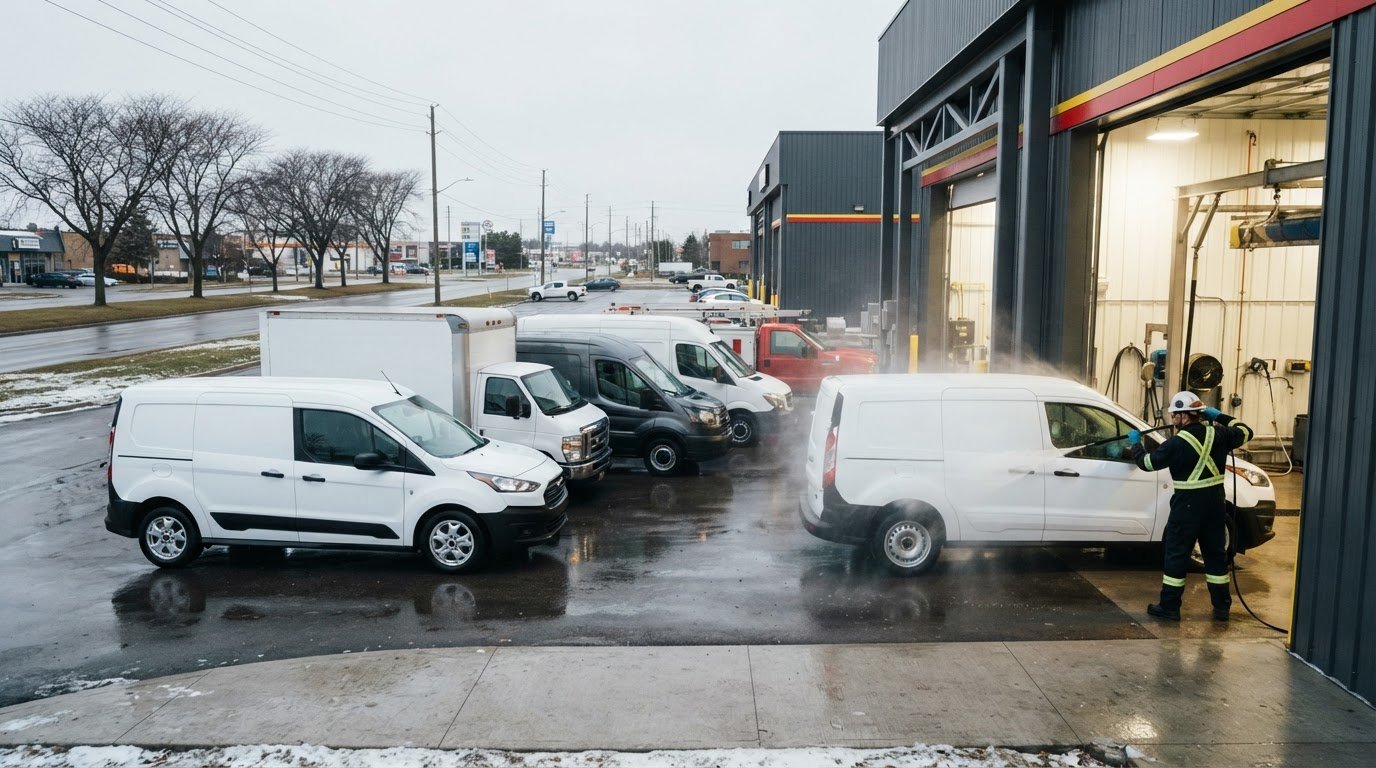
You pull into a GTA gas-station wash in late March, watch the foam and touchless rinse sweep away the obvious grime, and expect a clean car. Instead, the lower doors still look hazy, salt crust remains in the jambs, and the hood has a dull, chalky finish. The wash removed loose dirt. It didn't deal with the contamination that stayed bonded to the vehicle.
That gap is where detailing on cars earns its place. A proper detail isn't just a glossy finish for photographs. It removes embedded road film, brake-dust particles, tree sap, salt residue, stains, and odours, then adds protection where Ontario driving conditions are hardest on a vehicle.
Table of Contents
- Why Detailing on Cars Matters More Than a Quick Wash
- What Interior and Exterior Detailing Actually Includes
- How Ontario Road Salt Destroys Vehicles and What Stops It
- DIY Detailing Versus Professional Service
- Pricing and Timing for Every Detailing Package
- Memberships Versus One-Off Visits for GTA Drivers
- When to Book a Professional Detail
Why Detailing on Cars Matters More Than a Quick Wash
A standard automated wash has a useful job. It rinses loose grit, applies soap, moves water across the exterior, and may add wax or drying agents. That service is excellent for maintaining a reasonably clean vehicle between deeper appointments.
It isn't paint correction, decontamination, or corrosion prevention. A quick wash usually won't remove bonded salt film from rocker panels, iron deposits embedded in clear coat, sap that has started etching the finish, or grime packed into weatherstripping and door seams. It also won't extract a stained carpet, deep-clean leather, or remove an odour source from fabric.
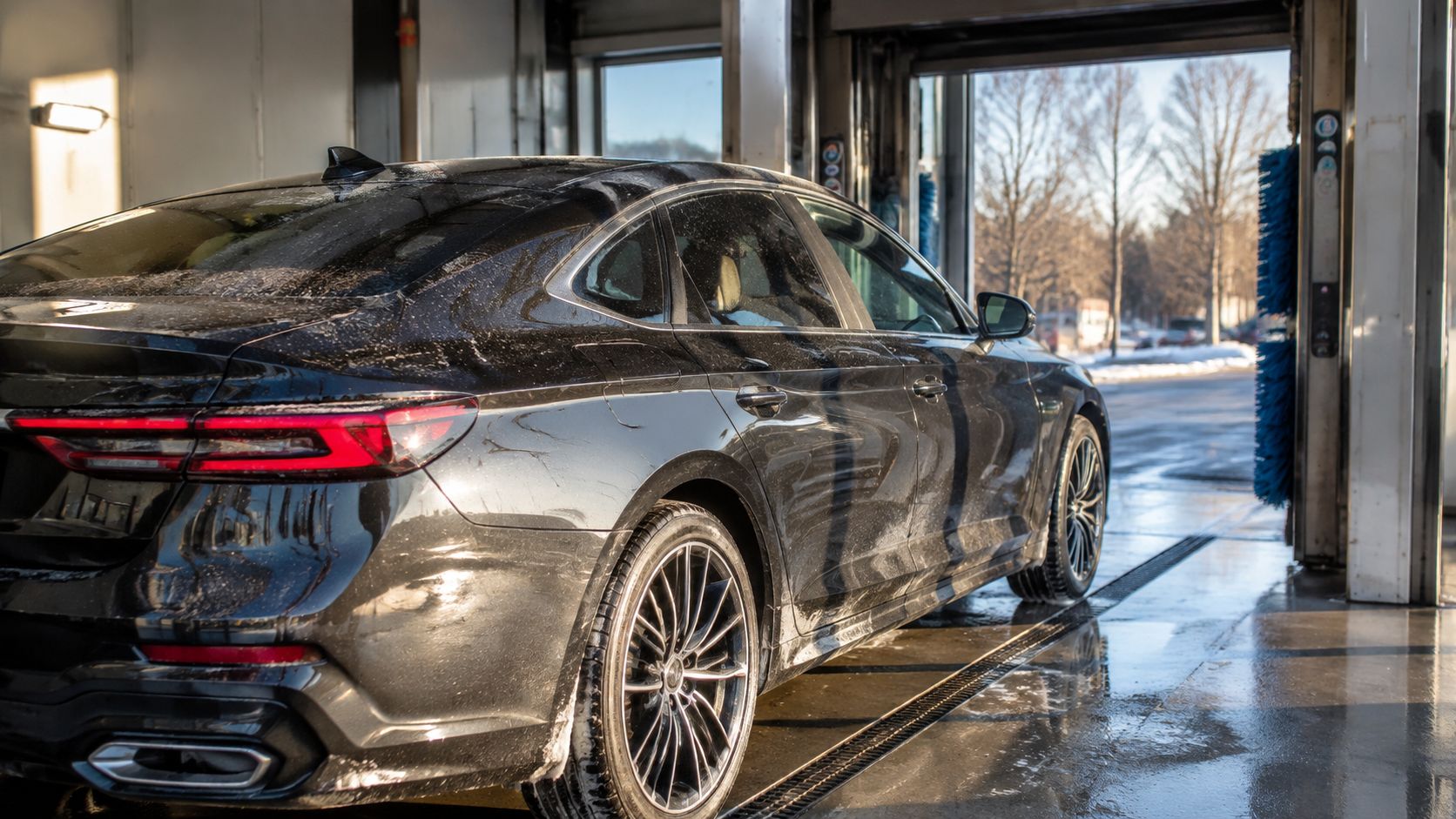
The wash removes loose dirt, detailing removes the problem
Think of a wash as housekeeping and detailing as restoration and protection. A detailer first cleans the surface safely, then identifies contamination that ordinary shampoo can't lift. Iron remover dissolves metallic particles from brake dust. A clay bar removes rough, bonded material. Machine polishing improves paint clarity by refining light defects, while a sealant or coating gives the cleaned surface a more durable barrier.
The same distinction applies inside the cabin. Vacuuming handles loose debris, but it doesn't pull embedded salt and soil from carpet fibres. Interior detailing uses brushes, steam, extraction, leather cleaners, and targeted odour treatments to address what has settled below the visible surface.
Practical rule: If the car looks clean from a distance but feels rough under your fingertips, smells stale, or shows salt in seams, it needs more than another rinse.
Ontario's market reflects how common this need is. The province is Canada's largest market for car wash and auto detailing, with a projected $617.2 million market size in 2026, 1,478 businesses, and 8,146 employees, according to IBISWorld's Ontario car wash and auto detailing profile. That scale doesn't mean every vehicle needs premium correction. It does show that detailing is a meaningful service category built around recurring demand.
The smart approach is simple: use regular washes to control loose contamination, then book detailing when the surface or cabin needs correction. Spending on the right process protects more than spending on a shiny package that never addresses the lower panels, jambs, underbody, or interior fibres.
What Interior and Exterior Detailing Actually Includes
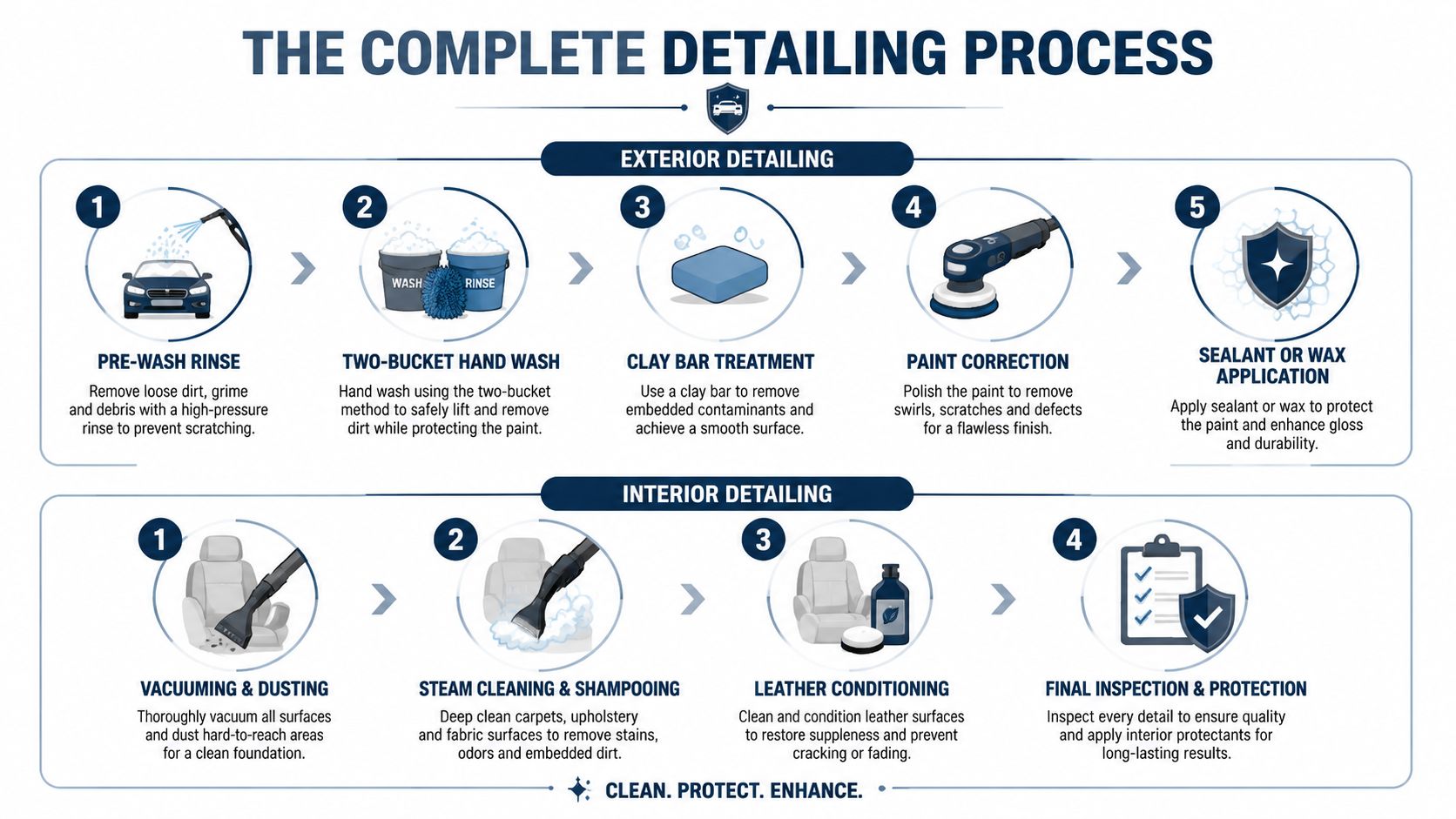
A complete detail follows a sequence. The order matters because each stage prepares the vehicle for the next one. Treat it like a skincare routine: cleanse, exfoliate, treat, and protect.
Exterior detailing
A careful exterior process usually includes:
- Pre-wash and rinse. The detailer loosens heavy grit before touching the paint. This reduces the chance of dragging abrasive soil across the clear coat.
- pH-neutral hand wash. A two-bucket method separates clean shampoo solution from rinse water. Wheels and tyres should have their own brushes and wash media because brake dust is aggressive contamination.
- Chemical decontamination. Iron removers react with metallic particles that ordinary shampoo leaves behind. Tar and bug removers may be used where road film has hardened.
- Clay treatment. A lubricated clay bar or synthetic clay mitt lifts remaining bonded particles. The paint should feel smooth afterward, not gritty.
- Paint correction. A machine polisher and suitable pad refine swirl marks, oxidation, and light scratches. This step changes the paint itself, so it shouldn't be attempted casually with a harsh compound and excessive pressure.
- Protection. Wax, paint sealant, or ceramic coating creates a sacrificial layer that makes future cleaning easier. It doesn't make paint immune to chips, scratches, or poor washing.
The important distinction is between correction and protection. Polishing can improve defects. A coating can help resist contamination and simplify maintenance. Neither replaces safe washing.
Interior detailing
Interior work starts with removal, not fragrance. The technician vacuums seats, carpets, mats, boot areas, and crevices, then uses soft brushes and compressed air to release debris from vents, switches, seams, and console gaps.
Fabric seats and carpets may receive steam cleaning, shampooing, and extraction. That combination targets material trapped in fibres rather than just wetting the surface. Leather needs a compatible cleaner followed by conditioner, especially along bolsters and high-contact areas. Vinyl and plastic surfaces should be cleaned without leaving a greasy film that attracts more dust.
Headliners need restrained spot treatment because excess moisture can affect the adhesive beneath the fabric. Odour elimination should target the source with enzymatic products or, where appropriate, ozone treatment. Masking a smell with a strong scent is not a deep clean.
Ask the shop to identify what each package includes. “Interior clean” can mean a quick vacuum at one location and full extraction at another. You should know whether the quote covers salt removal, pet hair, stain treatment, leather conditioning, odour work, and the boot area before approving the service.
How Ontario Road Salt Destroys Vehicles and What Stops It
Ontario road salt leaves more than an unattractive film. Sodium chloride and calcium chloride dissolve in moisture, creating a conductive brine that supports corrosion on exposed or damaged metal. Dirt traps that moisture against the vehicle, giving the reaction more time to continue.
Historical research shows why Toronto drivers should take winter residue seriously. A Transportation Research Board corrosion study recorded atmospheric corrosion in Toronto at 5,108 mg/dm² during a 19-month exposure period, placing the city among the highest-corrosion locations examined. Canada also uses about five million tons of road salt annually, and Ontario remains especially vulnerable because winter moisture and maintenance chemicals repeatedly attack metal surfaces.
Testing offers another practical warning. In Transportation Association of Canada research on road-salt corrosivity, treated Ontario-market sodium chloride produced an average 0.2117% weight loss in rebar tests, while the regular road-salt sample produced the highest corrosion in that testing. For vehicle owners, the recommendation is straightforward: remove brine before it sits on the vehicle and protect surfaces that remain exposed.
Where salt collects
Salt spray reaches wheel wells, frame rails, brake lines, suspension hardware, door sills, lower fender edges, rocker panels, and underbody seams. It dries into crystals, then dissolves again when the vehicle meets wet snow, slush, or rain. Every wet-and-dry cycle gives corrosion another opportunity to advance.
The first visible sign may be a dull lower panel. Damage underneath can include rust perforation, seized hardware, deteriorated brake components, and weakened seals. Detailing cannot reverse structural corrosion that has already progressed. It can remove residue that continues feeding the process and make developing problems easier to spot.
| Vehicle Area | Salt Damage Risk | Detailing Countermeasure |
|---|---|---|
| Wheel wells and lower panels | Salt spray bonds to paint and trim, encouraging staining and oxidation | Pre-rinse, chemical decontamination, careful hand washing, and paint protection |
| Undercarriage and frame rails | Brine remains in seams and on exposed metal | Thorough underbody and undercarriage flushing |
| Brake and suspension hardware | Wet salt accelerates corrosion on metal components | Focused wheel and underbody rinsing, followed by inspection |
| Door sills and jambs | Crystals collect in drainage paths and weatherstripping | Jamb cleaning, seam rinsing, drying, and rubber conditioning |
| Painted horizontal surfaces | Salt film and winter grime reduce clarity and leave contamination behind | Clay treatment, polishing where needed, then sealant or coating |
A pH-neutral wash protects paint chemistry, but it does not eliminate every corrosion risk. The required sequence is physical removal, complete rinsing, drying, and protection. Rust proofing can provide another layer of defence for suitable vehicles. Rubber conditioner helps keep seals flexible instead of dry and brittle. Spend on underbody flushing and residue removal before paying for cosmetic gloss.
DIY Detailing Versus Professional Service
A home wash is enough for routine upkeep when the vehicle is already in decent condition. Clean microfibres, separate wheel tools, interior vacuuming, and light wipe-downs stop everyday grime from becoming a larger job. That is where DIY detailing earns its place.
Correction work carries a different level of risk. Without inspecting the paint or checking product compatibility, a dirty clay bar can mark clear coat, while the wrong polishing pad can create haze or deepen defects. Excess wax may stain textured trim. Aggressive interior shampooing can drive moisture toward switches and electronics.
What the trade-off looks like
| Factor | DIY Detailing | Professional Detailing |
|---|---|---|
| Equipment | Requires wash media, microfibres, brushes, chemicals, and possibly a polisher or extractor | Shop supplies commercial equipment and specialised products |
| Time | Maintenance washing is manageable; a full correction can consume a weekend | The shop handles the workflow while you use the vehicle downtime |
| Technique | Results depend on product choice, pressure, lighting, and experience | Technicians can assess paint, fabric, leather, and contamination before treatment |
| Risk | Mistakes may create swirls, trim staining, water intrusion, or uneven protection | Proper tools and process reduce avoidable damage |
| Best use | Regular upkeep between professional visits | Paint correction, heavy salt contamination, odour removal, and restoration |
Spend your effort on maintenance, not on learning paint correction on your favourite vehicle.
For DIY maintenance, buy clean microfibres, a quality pH-neutral shampoo, a dedicated wheel bucket, soft brushes, and a drying towel first. Skip the crowded shelf of specialised bottles. Clean tools and a disciplined top-to-bottom wash method protect more than a large product collection.
Professional service earns its cost when paint still feels rough after washing, the finish looks oxidised, stains have entered upholstery, or winter residue sits in areas you cannot safely reach. It also makes sense before ceramic coating application. Coating over contamination or defects locks the existing problem beneath the protection.
The break-even point depends on the work. Use DIY washing for frequent maintenance if you can control the process and have suitable space. Book one professional visit when correction, extraction, odour removal, or hard-to-reach salt residue requires equipment you would otherwise buy and learn to use. A membership only makes sense when you will use its maintenance visits often enough to replace repeated one-off washes, not when you need a single corrective detail.
The question is whether your vehicle needs tools and correction steps that a home setup cannot perform safely.
Pricing and Timing for Every Detailing Package
A detailing quote should match the vehicle's condition, not just its size. A lightly used sedan with clean upholstery may need a maintenance detail. A family SUV with salt-stained carpets, pet hair, and neglected paint requires more labour, products, and inspection time. Condition drives the bill.
Nanak's published service information lists express exterior washes starting from $9.99 plus tax and full-service washes start from $29.99 plus tax. Appointment-based detailing generally takes one to four hours, while larger vehicles and pet hair may add surcharges. Review the service structure through Nanak Car Wash's detailing and wash information.
Match the package to the defect
| Package Tier | Typical Price Range | Estimated Duration | Best For |
|---|---|---|---|
| Express exterior maintenance | Starting from $9.99 plus tax | Short visit | Loose dirt, routine road film, and frequent winter maintenance |
| Full-service wash | Starting from $29.99 plus tax | Short scheduled visit | Exterior washing plus hand drying, vacuuming, dashboard, and window cleaning |
| Interior and exterior detail | Quote based on vehicle condition | One to four hours | Salt, stains, cabin grime, leather cleaning, and moderate paint correction |
| Premium correction and protection | Specialist quote | Extended appointment | Dull paint, noticeable swirls, multi-stage correction, and advanced protection |
Prices vary by shop, vehicle condition, size, and selected add-ons. Treat the lower-priced wash as maintenance, not as a substitute for detailing. Frequent washing limits contamination buildup, while deeper service addresses extraction, polishing, and targeted protection.
Watch the add-ons
Before approving the quote, ask whether it includes underbody rinsing, engine-bay cleaning, headlight restoration, pet-hair removal, odour treatment, leather conditioning, and stain extraction. Each task requires separate labour and can change the final price.
Timing matters as much as the package. Book routine exterior maintenance during winter when road film and salt return quickly. Schedule a deeper interior and exterior detail after heavy seasonal exposure, before selling the vehicle, or when washing no longer removes roughness, stains, or odour.
Vehicle size affects labour because an SUV, van, or pickup has more surface area and interior material. Condition matters more than age. A neglected newer vehicle can need more correction than an older car washed carefully through the winter.
Spend on the defect affecting the vehicle's condition. If salt removal and ongoing protection are the priority, skip paint correction. If the clear coat is dull and the cabin holds stains, a basic wash will not solve the problem. Use the simpler service afterward to maintain the result.
Memberships Versus One-Off Visits for GTA Drivers
The right choice follows your driving pattern and the work your vehicle needs. A membership suits repeated maintenance. A prepaid bundle offers several visits with more flexibility. One-off service fits a spring reset, pre-sale preparation, or occasional interior restoration.
The International Carwash Association's pulse report reports that 54% of former subscription members still wash at the same car wash where they previously subscribed, while customers continue asking for loyalty programmes. Consistent access can support consistent care, but a subscription is wasteful if the vehicle sits unused.
Use frequency as the break-even test
Count realistic visits before accepting a sales pitch.
- Daily commuters: Highway grime, winter spray, and salt return quickly. A membership can pay off when you will use it regularly to maintain protection after deeper detailing. Confirm that the plan includes the wash level your vehicle needs.
- Weekend drivers: A garaged vehicle may need occasional washing and a seasonal interior service. One-off bookings or prepaid tickets usually cost less than paying through weeks when the car barely moves.
- Rideshare and delivery drivers: Frequent passengers create steady interior wear. A membership may handle repeat exterior maintenance, but check whether cabin cleaning is included, discounted, or charged separately.
- Small fleets: Predictable scheduling can simplify upkeep. Track every vehicle's visits, because unused benefits can erase the membership's value.
Industry data shows frequent drivers using memberships three or more times per year, with a 2.5-services-per-year break-even pattern. Use that pattern as a starting comparison, not a universal answer. Your actual break-even point depends on the membership fee, included services, bundle expiry rules, interior add-ons, and one-off prices.
A membership only saves money when it changes your behaviour from occasional cleaning to consistent cleaning.
For many GTA drivers, a seasonal detail paired with regular wash maintenance is the sensible arrangement. High-mileage work vehicles may justify a membership. Lightly used vehicles generally fit one-off visits or a prepaid bundle better. Before committing, ask about cancellation terms, included wash level, underbody coverage, interior pricing, and whether unused visits roll over.
Ontario has a dense detailing market. POIData's Canadian car-detailing report identifies about 2,734 of 7,287 national car-detailing services in Ontario. Access is not the problem. Choose the plan you will use, and reserve one-off spending for work that protects the vehicle rather than adding temporary gloss.
When to Book a Professional Detail
Ontario winter leaves more than visible dirt. Salt settles in wheel wells, door jambs, lower panels, carpets, and underbody areas, then combines with moisture to accelerate corrosion. Book a professional detail when a routine wash cannot remove the residue or restore the cabin. Look for salt residue on lower panels, rough paint, fading or oxidation, stained upholstery, dry-feeling leather, and odours that return after vacuuming.
Early spring is the strongest booking window for most Ontario vehicles. Removing winter contamination before warmer, wetter conditions gives the paint, seams, carpets, and underside a better chance of staying clean and dry. Ask whether the service includes underbody rinsing. If salt buildup is visible underneath, discuss rust proofing before paying for cosmetic polishing.
Schedule an interior deep clean before a long summer road trip when the cabin has stains, food residue, pet hair, or persistent smells. Fall also deserves attention after wet leaves and moisture have been tracked into carpets and mats. These appointments address contamination at the point when it is easiest to remove.
Choose by condition and driving pattern
- Lightly used, garaged car: Maintain it with routine washes, then book a seasonal detail when contamination becomes visible.
- Daily commuter: Pair regular exterior maintenance with a spring detail and targeted paint protection.
- Rideshare or delivery vehicle: Prioritise frequent cabin cleaning, stain extraction, and odour control.
- Older vehicle with exposed metal or existing rust: Request an inspection and rust proofing assessment before cosmetic correction.
- Vehicle being sold: Spend first on dull paint, dirty jambs, stained seats, odours, and neglected wheels, the defects buyers notice quickly.
Ontario drivers are price-sensitive, so package discipline matters. The market declined 0.9% in 2025 to about $1.6 billion, according to POIData's market overview. Skip upgrades that only add temporary gloss. Pay for salt removal, contamination treatment, interior restoration, and protection when the vehicle's exposure justifies them.
Nanak Car Wash offers express and full-service washes, appointment-based detailing, rust proofing, prepaid options, and wash memberships across GTA communities. Compare the vehicle's condition with the service scope, then book before spring or pre-trip demand limits convenient appointments. For occasional drivers, one well-timed detail often beats a membership. Frequent commuters should calculate whether repeated visits lower their annual cost.

 6600 Finch Ave W, Etobicoke, ON M9V 3Z6
 647-703-8515
 MON – SUN 8 AM to 7 PM