
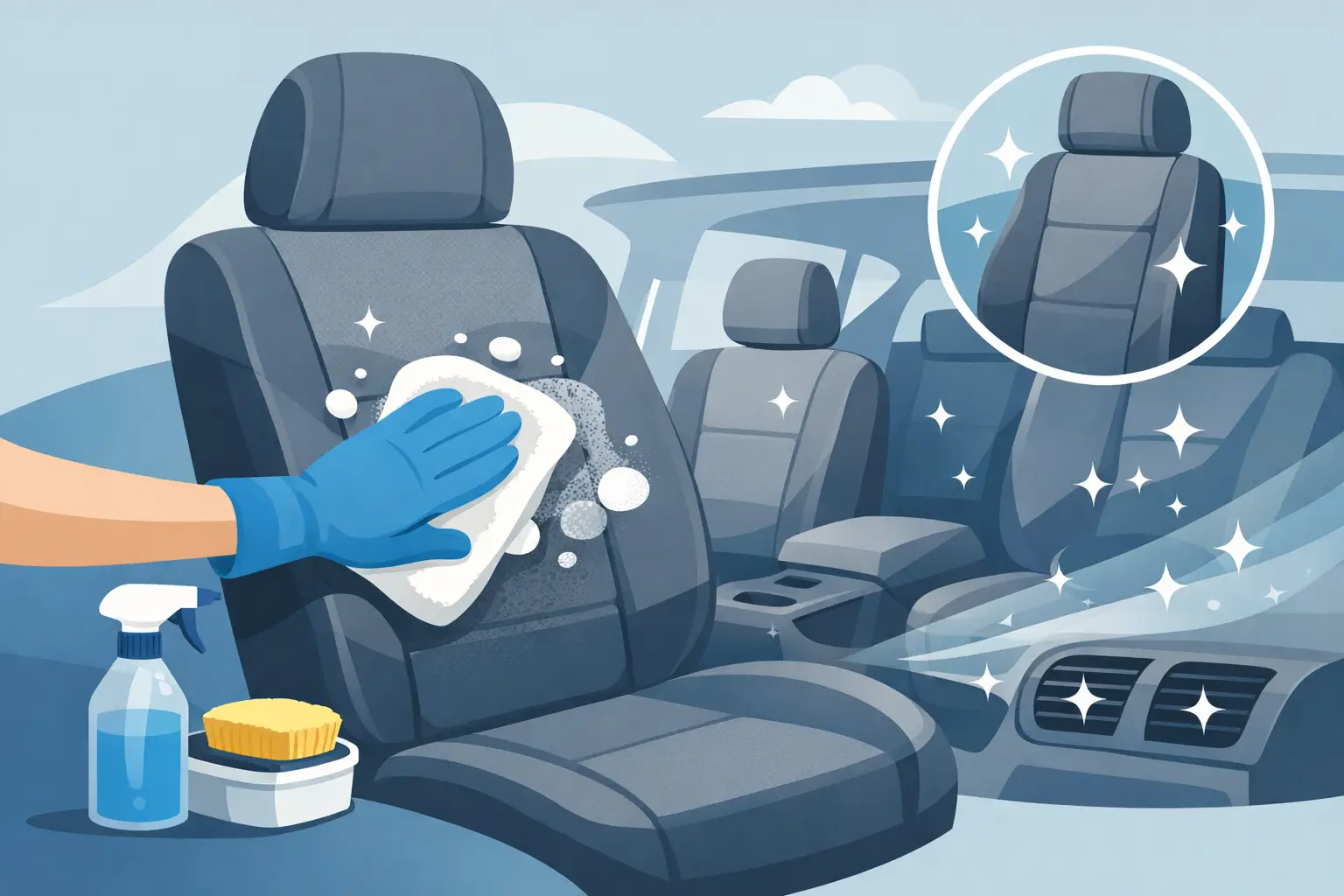
A coffee spill before work, muddy shoes after practice, a dog ride on the weekend – cloth seat cleaning can quickly become the difference between a car that feels cared for and one that always looks a little tired. Fabric seats hold onto dirt, crumbs, body oils, odors, and moisture more than most drivers realize. A quick vacuum helps, but it will not pull old stains or trapped grime out of the fibers.
For everyday drivers, families, commuters, and rideshare operators, clean upholstery is not about making a car look fancy. It is about keeping the interior comfortable, presentable, and easier to maintain. The right approach depends on the stain, the fabric, and how long the problem has been sitting there.
Why Cloth Seats Get Dirty So Fast
Cloth upholstery is comfortable and affordable, but it is porous. Instead of keeping spills on the surface like leather or vinyl, fabric absorbs them. A little soda, coffee, milk, road salt, makeup, or wet clothing can sink below the top layer and leave behind a stain or smell.
Daily use adds up too. Dust settles into seat fibers, food crumbs work their way into seams, and oils from hands, skin, jackets, and hair gradually darken high-contact areas. The driver’s seat, front passenger seat, armrests, and rear seats used by children usually need attention first.
Winter creates another challenge. Snow, slush, and salt can get tracked into the car and transfer from boots or damp pants to cloth seats. If the fabric stays wet, it can develop a musty odor. That is why regular interior care costs less and takes less effort than waiting until the seats look heavily stained.
Start Cloth Seat Cleaning With the Right Prep
Do not spray a cleaner onto a seat covered in loose dirt. Moisture turns dust and crumbs into mud, making the job harder. Start by removing floor mats, garbage, personal items, and anything tucked into seat pockets.
Vacuum the upholstery carefully, including seams, under the seat, and the narrow spaces beside the center console. Use a crevice tool where possible. This step matters because dry debris can scratch or grind into the fabric when you begin cleaning.
Before applying any product, check the upholstery tag or owner’s manual if available. Many vehicles use durable synthetic fabrics, but cleaning instructions can vary. Test any upholstery cleaner in a small hidden spot first, such as near the lower edge of the seat. You are checking for color transfer, fading, or a rough texture after drying.
Avoid soaking the fabric. More cleaner does not mean better results. Overwet seats can take a long time to dry, leave water marks, and create odors below the surface.
How to Clean Common Cloth Seat Stains
Fresh spills are easier to handle than old stains. Blot the area with a clean microfiber towel or absorbent cloth right away. Press down firmly to lift liquid, but do not rub aggressively. Rubbing pushes the spill deeper into the fibers and can spread the stain outward.
For most everyday marks, use a fabric-safe upholstery cleaner according to the label directions. Apply it lightly to a microfiber towel or soft upholstery brush rather than flooding the seat. Work in small sections using gentle circular motions, then blot away the loosened soil with a dry towel.
Coffee, juice, and soft drink stains often respond well when treated early. The key is removing the sticky residue, not just lightening the visible mark. Food stains may need two or three light passes, especially if grease is involved.
Mud should dry before you try to remove it. Once dry, vacuum as much as possible first. Then use a small amount of upholstery cleaner to treat what remains. Trying to clean wet mud immediately usually creates a larger brown patch.
For pet accidents, milk spills, or other odor-causing messes, surface cleaning may not be enough. The liquid can reach the padding beneath the seat cover. An odor-neutralizing treatment and extraction cleaning may be needed to remove the source instead of simply covering it with fragrance.
Be Careful With DIY Stain Remedies
Household cleaning advice is everywhere, but not every home remedy belongs on car upholstery. Bleach, harsh all-purpose cleaners, dish soap mixtures, and heavy amounts of vinegar can discolor fabric, leave residue, or create a strong smell inside a closed vehicle.
Baking soda can help with mild surface odors when used sparingly and vacuumed thoroughly, but it will not fix a deep spill in the padding. Steam can be useful in trained hands, yet too much heat or moisture may affect adhesives, seat sensors, or delicate fabric. If you are unsure, use a vehicle upholstery product or choose professional service.
Extraction Cleaning Delivers a Deeper Result
A proper upholstery shampoo and extraction service goes beyond wiping the seat surface. It uses cleaning solution, agitation, and a specialized extractor to lift dissolved dirt and moisture from the fabric. This is often the best option for visible staining, ground-in dirt, salt residue, lingering odors, or a car that has not had interior cleaning in a long time.
The trade-off is drying time. A deep cloth seat cleaning can leave upholstery slightly damp for several hours, depending on the weather, ventilation, and how heavily soiled the seats were. Keeping windows cracked in a secure area, running the vehicle fan, or parking in a dry covered space can help the interior dry faster.
Professional detailing is especially useful before selling a vehicle, after buying a used car, after a tough family road trip, or when rideshare passengers use the vehicle regularly. Clean seats improve the whole feel of the car, even if the vehicle is not brand new.
When DIY Cleaning Is Enough and When It Is Not
A light at-home cleanup is usually enough when the stain is fresh, small, and limited to the top fabric layer. Regular vacuuming, spot treatment, and quick attention after spills can keep cloth upholstery in good shape between full interior cleanings.
Book a deeper service when stains keep coming back after drying, there is a musty or sour smell, the fabric feels stiff from product buildup, or the dirt covers more than one small area. Repeated DIY spraying can leave residue that attracts more dirt, so there is a point where another bottle of cleaner is not the value choice.
For families, a seasonal interior shampoo can make sense after winter salt and again after summer travel. Rideshare drivers and fleet vehicles may benefit from more frequent upholstery care because the seats see more passengers, more spills, and more daily wear.
Keep Fabric Seats Cleaner Between Details
The easiest way to save money on deep cleaning is to stop dirt from settling in. Vacuum the seats during regular car washes, wipe up spills immediately, and avoid leaving wet towels, gym clothes, or food containers in the car. Seat covers can also be practical for pet owners, young children, or work vehicles, as long as they do not interfere with side airbags.
Do not forget the floor mats. Dirty mats transfer salt, dust, and moisture onto clothing and then onto the seats. A clean interior works best as a system: washed mats, vacuumed carpets, wiped touchpoints, and fresh upholstery all support each other.
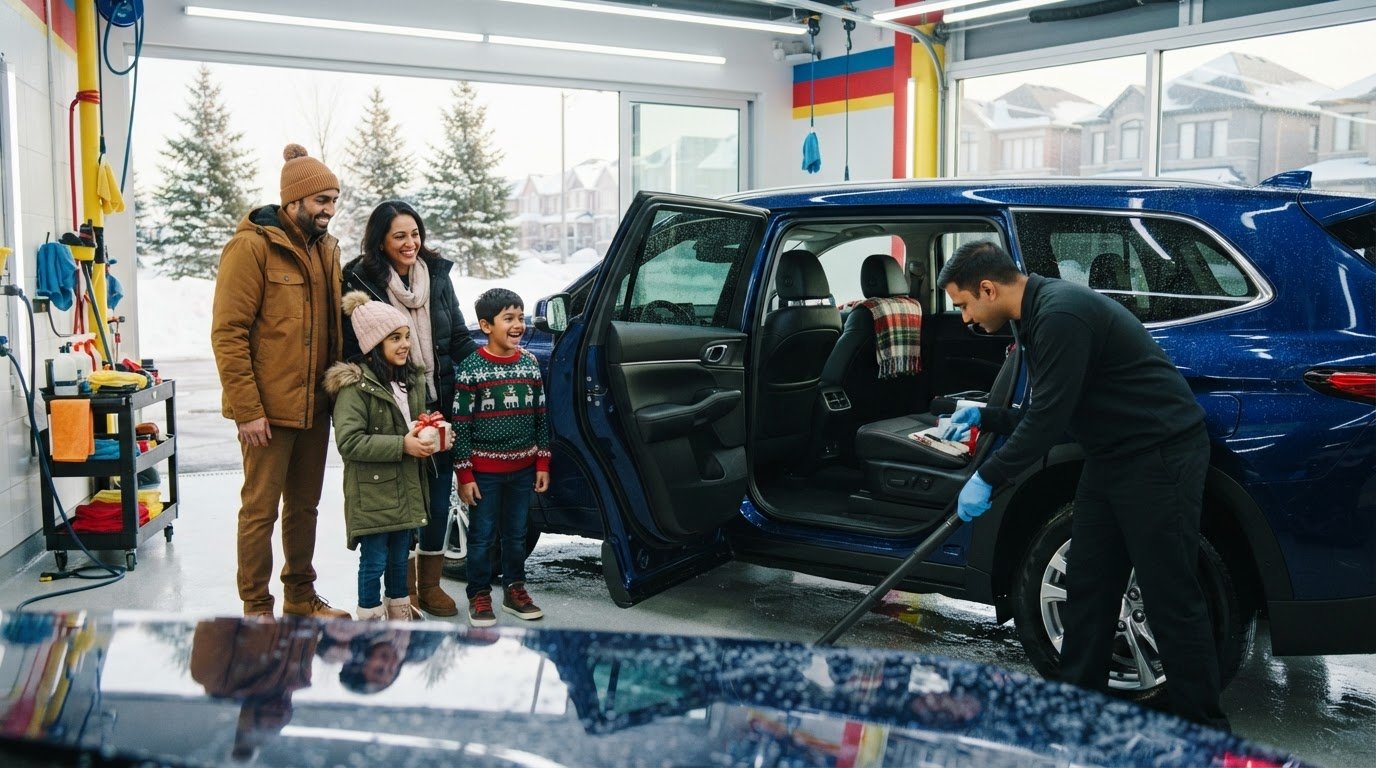
At Nanak Car Wash, interior detailing can help bring back the clean, cared-for look that a basic vacuum cannot always deliver. It is a practical choice when your cloth seats need more than a quick touch-up.
A clean seat makes every commute, school run, and weekend drive feel better. Handle small spills early, choose deep cleaning when the fabric needs it, and your car interior will stay easier to enjoy for the miles ahead.


 6600 Finch Ave W, Etobicoke, ON M9V 3Z6
 647-703-8515
 MON – SUN 8 AM to 7 PM