

Winter does not leave quietly. It leaves road salt in the wheel wells, sandy mats under the seats, cloudy windows, and a layer of grime that makes even a reliable daily driver look tired. This spring cleanup guide helps you handle the mess in the right order, so your car looks cleaner, feels better to drive, and gets the protection it needs before rain, pollen, and warmer weather arrive.
Start Your Spring Cleanup With the Exterior
The first warm day is tempting, but do not rush straight to a quick rinse. Winter dirt sticks to paint, trim, wheels, and underbody areas. If you only wash the visible panels, salt and grime can remain where they cause the most trouble.
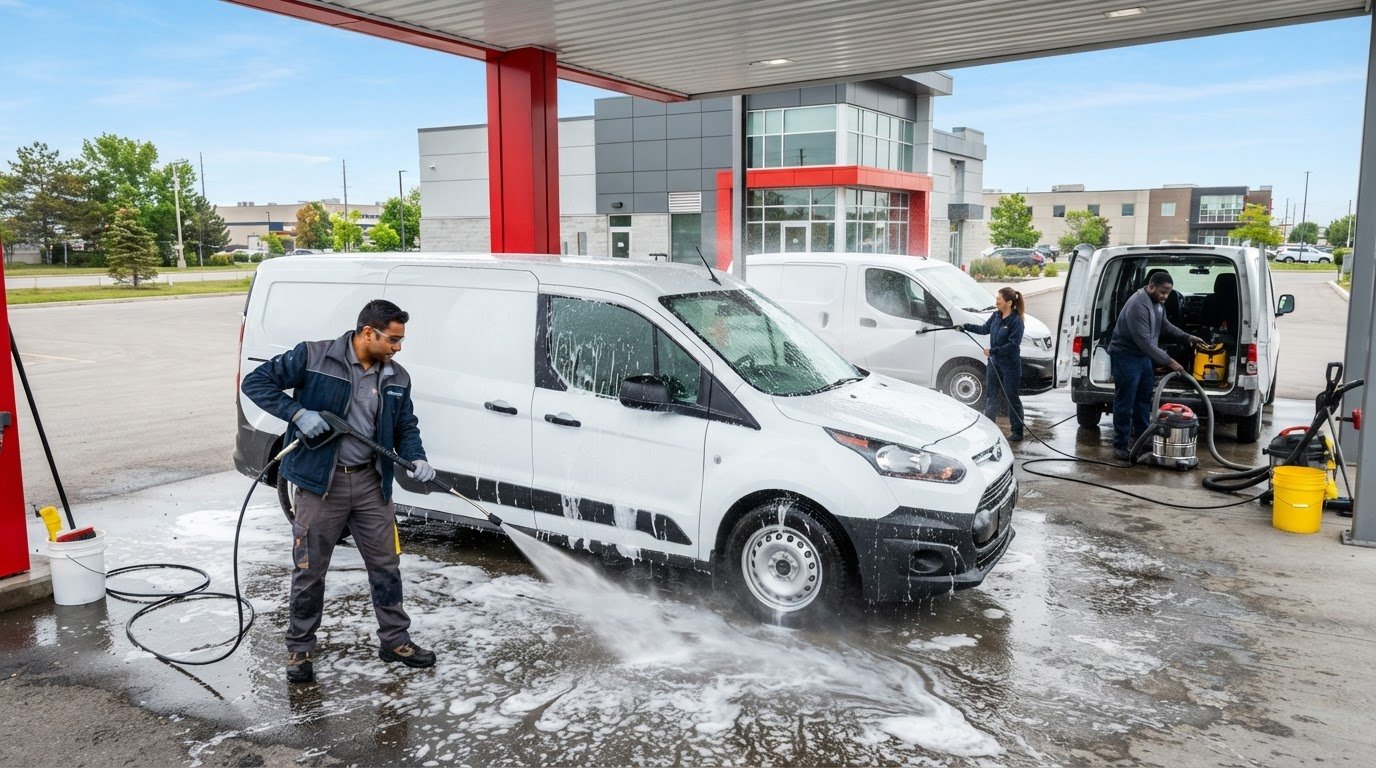
Start with a thorough exterior wash that removes built-up road film. Pay close attention to the lower doors, rocker panels, bumpers, wheel wells, and behind the tires. These areas take the hardest hit from slush, salt, sand, and dirty water. A proper wash should also include wheels and tires, because brake dust and winter grime can make clean paint look unfinished.
Fresh-water washing matters after a long winter. It helps rinse away residue without adding more contaminants to the surface. For drivers who use their vehicle every day, an express wash is often the fastest way to get the basic cleanup done without spending a full afternoon in the driveway.
Do Not Forget the Undercarriage
Salt is not just a cosmetic issue. It collects underneath your vehicle, especially around suspension parts, brake lines, frame components, and seams. Over time, that buildup can support corrosion.
An undercarriage rinse is one of the best spring habits for vehicles that spent the winter on roads treated with salt or brine. It is especially worthwhile if you commute frequently, drive on highways, or park outside. If you own an older car, truck, or SUV, combine a spring wash with a rust-proofing check. The cost of prevention is usually much lower than dealing with rust repairs later.
Clean the Interior Before It Becomes a Bigger Job
A vehicle can look great from the outside and still feel dirty the second you open the door. Winter brings wet boots, melted snow, food wrappers, pet hair, sand, and extra clutter. The sooner you remove it, the easier the interior is to maintain.
Take out everything that does not belong in the car first. Check door pockets, seat-back storage, the center console, trunk, and under the seats. Then remove the floor mats and shake out loose dirt. Rubber mats can usually be washed and dried easily. Carpet mats may need vacuuming, spot treatment, or shampooing if they have salt rings or deep stains.
Vacuum seats, carpets, floor edges, and the spaces between seats and consoles. Use a crevice tool if you have one. The areas you cannot see are usually where coins, crumbs, and dirt collect. Once the loose debris is gone, wipe down hard surfaces such as the dashboard, steering wheel, door panels, cup holders, and console.
Be careful with interior cleaners. A strong product may leave a shiny finish that looks good for a day but creates glare on the dashboard or makes surfaces feel slippery. For most daily drivers, clean and natural-looking is better than overly glossy.
Handle Salt Stains and Winter Moisture
White salt marks on carpet are common after a Canadian winter. They are easier to remove when treated early. Shampooing the mats and carpets can lift deep dirt, but heavily stained carpets may need professional attention to avoid leaving moisture behind.
Moisture is the other issue to address. Damp mats and wet carpets can create odors, foggy windows, and eventually mildew. Let mats dry completely before putting them back in the vehicle. If your car has a lingering musty smell, check under the mats, in the trunk, and around the spare-tire compartment for trapped water.
Make Your Windows, Mirrors, and Lights Clear Again
Spring rain and low sun can make poor visibility more dangerous than drivers expect. A dirty windshield causes streaks and glare, especially during early-morning or late-day commutes. Clean the inside and outside of every window, including the rear glass and side mirrors.
Use a clean microfiber towel rather than an old paper towel or a rag that has been used on dirty paint. Wipe in one direction on the outside and another direction on the inside. That simple trick makes it easier to tell which side a streak is on if you see one later.
Check your wiper blades while you are there. If they skip, chatter, smear, or leave strips of water behind, replace them. Winter ice can damage the rubber edge even when the blades still look fine. Also inspect headlights, taillights, and backup lights. A clean lens improves light output, but yellowing or hazy headlights may need polishing for a noticeable improvement.
Protect Paint From Pollen, Rain, and Sun
A wash removes dirt. Protection helps keep the next round of dirt from sticking as hard. After winter, your paint may feel rough because of embedded contaminants, road film, and fallout. If the surface is clean but still dull, a hand-finished detailing service can help restore a smoother, brighter appearance.
Wax, sealant, and other paint-protection options all have a place, but the right choice depends on your budget, how often you wash, and where the car is parked. A driver who parks outdoors and travels daily may benefit from stronger protection than someone who keeps a vehicle in a garage and drives it only on weekends.
You do not need to chase a show-car finish to get real value. A basic protective layer helps water bead, makes routine washing easier, and gives the paint a better defense against bird droppings, tree sap, and spring pollen. The key is consistency. A car that is washed and protected regularly is easier and less expensive to keep looking good.
Check the Places Most Drivers Miss
A proper spring cleanup is also a chance to inspect small problems before they become expensive ones. Look at door jambs, trunk seals, fuel doors, license plate areas, and the edges of the hood and tailgate. Clean out leaves and debris near the base of the windshield, where blocked drains can contribute to water buildup.
Open the trunk and check for dampness, especially if you noticed fogged windows or a musty odor during winter. Inspect seat belts for stains and make sure they retract properly. If you have kids, check car seats and the areas underneath them. If you drive for rideshare or delivery work, spend extra time on rear seats, cup holders, and high-touch surfaces. A clean cabin makes a better impression and is more comfortable during long shifts.
For commercial vehicles, dealer inventory, and fleet cars, spring cleanup should be scheduled rather than treated as a one-time chore. Regular washing keeps vehicles presentable, helps staff spot damage sooner, and prevents grime from becoming a labor-heavy detailing job later.
Build a Simple Spring Car Care Routine
The best spring cleanup guide is not about doing everything once and forgetting about it. It is about starting the season clean, then making upkeep easy. Keep a small microfiber cloth in the glove box for touch-ups. Empty trash once a week. Shake out mats regularly. Wash off bird droppings, pollen, and mud before they bake onto the paint.
How often you need a wash depends on your driving habits. A vehicle used for daily commuting, rideshare, school runs, or job sites will need more frequent cleaning than a weekend vehicle. Unlimited wash memberships can make sense for drivers who want a clean exterior without paying for a full service every visit. For a deeper reset, schedule interior detailing when carpets, seats, or trim need more than a quick vacuum.
Nanak Car Wash makes this easy with options for quick exterior cleaning, full-service washing, interior care, detailing, and rust protection, so you can choose the level of service that fits your vehicle and your budget.
A clean car is not just about looks. When the glass is clear, the interior is fresh, and winter salt is rinsed away, every drive feels a little easier. Start with one thorough cleanup now, then keep the small jobs from piling up all season.



 6600 Finch Ave W, Etobicoke, ON M9V 3Z6
 647-703-8515
 MON – SUN 8 AM to 7 PM