
You're scraping frost from the windshield of your car on a bitter Mississauga morning when the travel mug tips. McDonald's coffee runs across the passenger carpet, straight into the gritty winter salt already ground into the fibres. You can blot it, spray it, and hope the smell disappears, or you can decide whether this is the moment to buy a carpet shampooer.
That decision isn't really about finding the machine with the most impressive name. It's about whether you'll use the machine often enough to justify storing, cleaning, drying, and maintaining it. For one daily driver in a GTA condo, a detailing appointment can be the more sensible choice. For a family with a three-row SUV, pets, stained cloth seats, or ride-share duty, owning the right portable extractor can earn its space.
| Your situation | Best choice | Why |
|---|---|---|
| One vehicle, occasional stains, little storage | Professional detailing | No bulky machine to store or maintain |
| Small spills and seat spots | Portable shampooer | Fast setup and easy access |
| Several vehicles or repeated interior cleaning | Full-size extractor | Better coverage and stronger recovery |
| Winter salt, coffee, and general upkeep | Wash plus periodic detailing | Routine cleaning and deep extraction serve different jobs |
The Ontario market is established enough to support specialised cleaning providers and equipment. The province's carpet-cleaning occupation carries a C$20.00 median hourly wage, with a reported range of C$17.20 to C$27.00 per hour, according to the Ontario Job Bank wage report, updated December 3, 2024. That labour cost matters whenever you compare DIY work with a professional appointment.
Table of Contents
- The Coffee Spill on a Cold GTA Morning
- What a Carpet Shampooer Actually Does
- Portable vs Full-Size Shampooers Compared
- Price Tiers on Canadian Shelves
- Maintenance, Drying and Storage Realities
- When a Detailing Appointment Beats Owning One
- Which Path Fits Your Vehicle and Routine
The Coffee Spill on a Cold GTA Morning
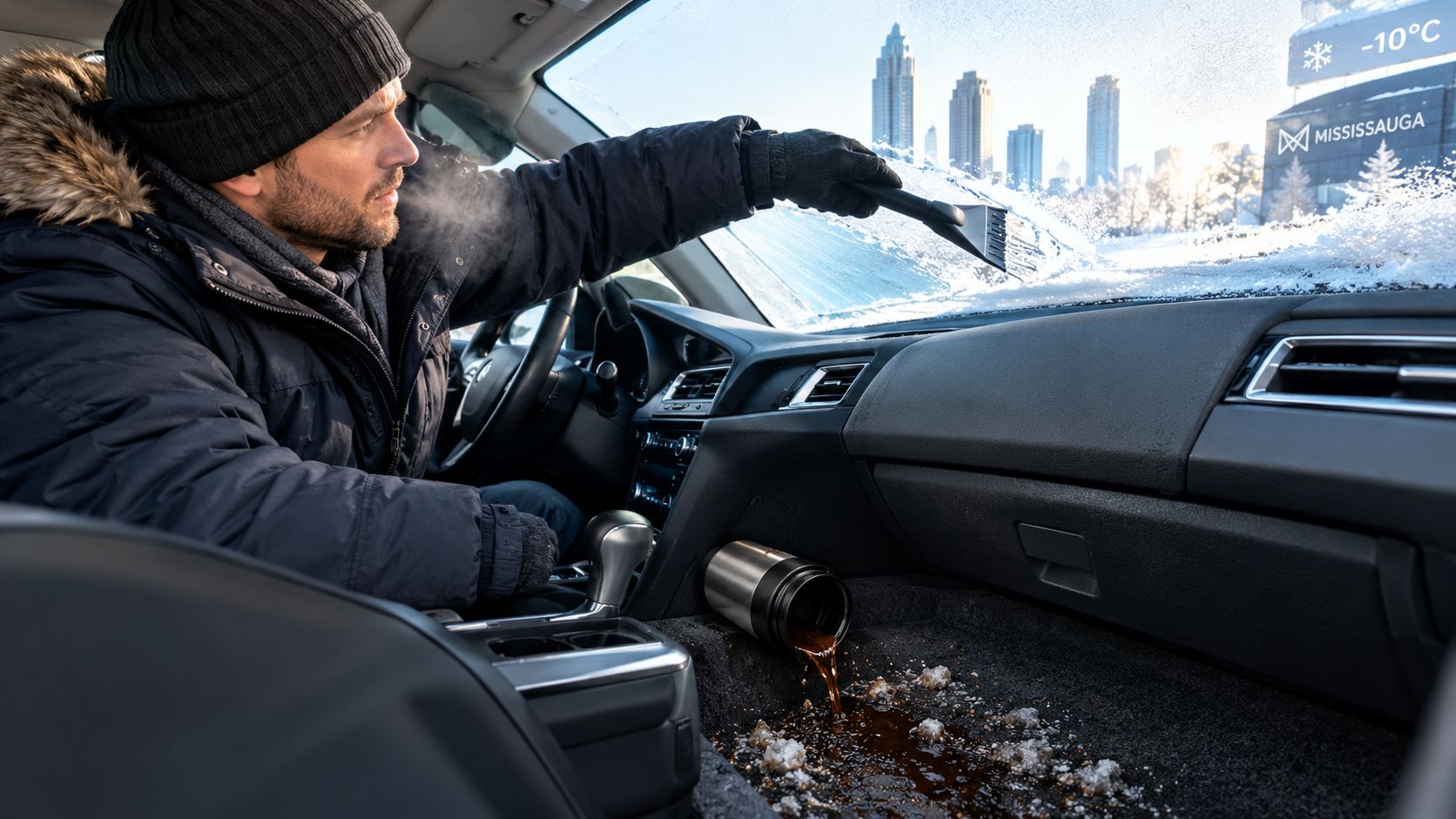
The coffee has soaked into the carpet before you've finished clearing the windshield. The salt residue makes the stain look worse, and the cold means you can't leave every door open while the interior dries. In a suburban garage, you might have room to work. In a condo parking structure or apartment lot, you're crouched beside the car with nowhere convenient to dump dirty water and no practical place to leave damp mats.
That's where the ownership question becomes more honest. A home carpet shampooer costs enough to matter, then demands solution, storage, rinsing, drying, and a place to work. If you'll clean one sedan a few times a year, the machine may spend most of its life behind winter tires, bicycles, or moving boxes.
The real cost is use, not purchase
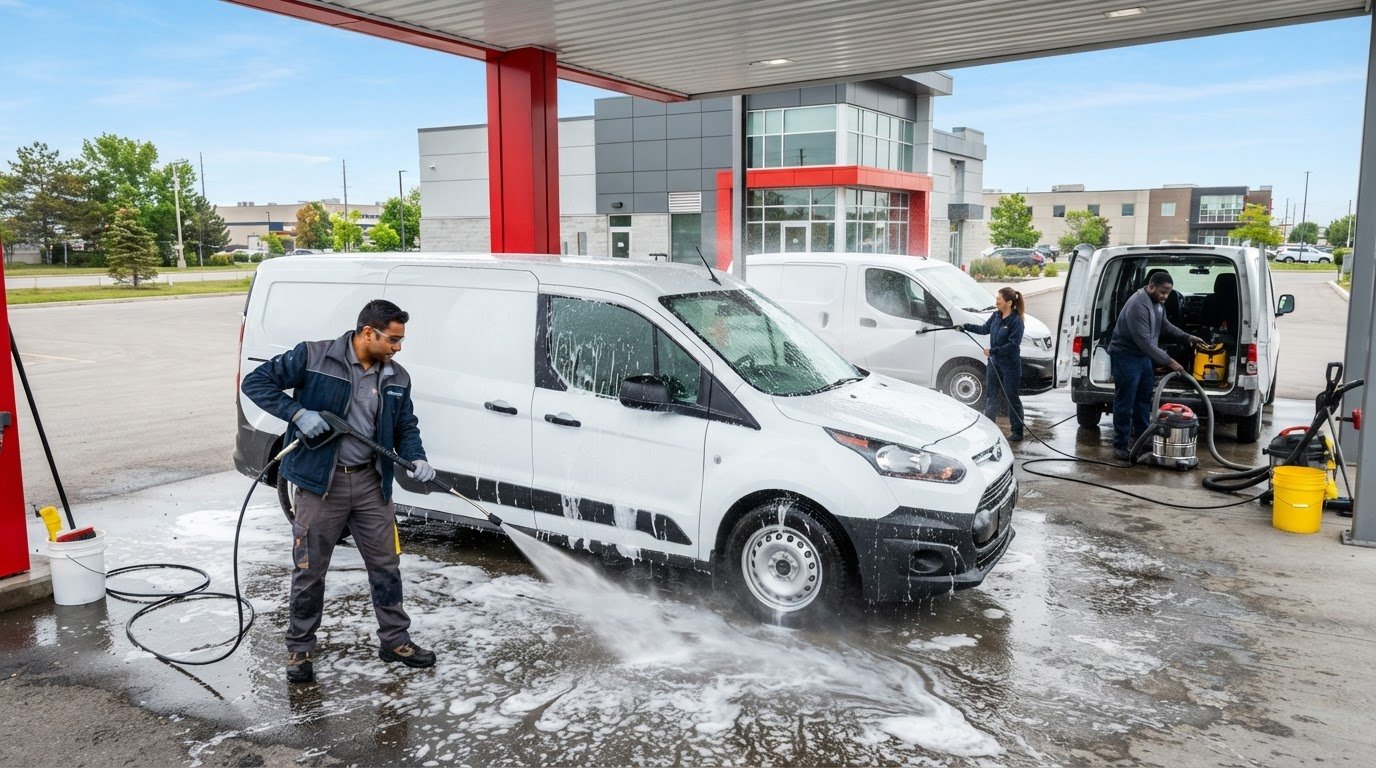
A detailing appointment lasting one to four hours can handle carpet shampooing, seat cleaning, salt, stains, vents, and hard-to-reach crevices, according to the Nanak Car Wash service information supplied for this article. A full-service wash starting from C$29.99 plus tax includes interior vacuuming and surface cleaning, while deeper extraction belongs to the detailing service.
Those are different jobs. A wash keeps the cabin presentable. Extraction deals with coffee residue, embedded salt, and damp odours. Treating them as interchangeable leads to disappointment, whether you buy a machine or book a service.
My rule for GTA drivers: If you've got one car and clean the carpets only occasionally, don't buy equipment just to feel prepared for the next spill.
Ownership starts making sense when the machine will serve several vehicles, children, pets, or frequent ride-share passengers. It also makes sense when you have a garage, a utility sink, and enough ventilation to dry the interior properly. Without those advantages, the machine's convenience can disappear the moment the dirty tank needs emptying.
Ontario's broader cleaning-services market is commercially significant. Canada's carpet-and-upholstery cleaning industry had 1,506 business locations in December 2023, while Ontario's carpet and upholstery cleaning services industry reported average SME revenue of C$249.7 thousand and a 79% profitability rate for 2024, as reported by Statistics Canada's cleaning industry overview. That scale tells you something practical: professional cleaning isn't an unusual workaround. It's a normal service category.
What a Carpet Shampooer Actually Does
A carpet shampooer is a wet extraction machine. It sprays water and cleaning solution into carpet fibres, agitates the material, then vacuums the dirty liquid into a separate recovery tank. For car interiors, that process matters because stains often sit below the visible surface, especially in floor mats and heavily used footwells.
Read any product listing through four practical functions. Retailers may describe them with different terminology, but the underlying questions remain the same.
Spray, agitate, recover, dry
Suction and water recovery determine how much moisture leaves the carpet. Higher suction generally supports faster drying, but manufacturers don't always publish comparable measurements. Don't judge a machine by suction language alone. Look for a recovery design that pulls water consistently instead of leaving the fabric saturated after several passes.
Brush action loosens soil that suction alone can't lift. A rotating brush reaches deeper into carpet pile, while a stationary tool gives you more control over delicate materials. Aggressive agitation can roughen delicate looped carpet, so the most powerful brush isn't automatically the right brush for every vehicle.
Tank capacity controls your working rhythm. A small clean-water tank may be easy to carry but can force repeated refills during an SUV interior. A larger tank reduces interruptions, although it adds weight and takes more room in a closet or trunk.
Drying power comes from extraction, airflow, preparation, and technique. Move slowly on the wet pass, then make additional passes without spraying to remove moisture. A machine with strong brushes but weak recovery can make a visibly clean carpet that stays damp long enough to develop an odour.
How the functions work together
Strong suction won't rescue a machine with poor agitation on ground-in salt. A vigorous brush won't compensate for weak recovery when the carpet is soaked. The tank also shapes the job. A compact unit can be excellent for a seat bolster or floor mat, but frustrating when you're treating every carpeted surface in a three-row vehicle.
Before using any machine, vacuum loose grit and salt. Pre-treat the stain with a solution compatible with the carpet and extractor, then use controlled passes rather than flooding the area. For a deeper explanation of stain treatment and carpet-cleaning technique, keep this professional carpet cleaning advice nearby.
Portable vs Full-Size Shampooers Compared
Portable and full-size machines solve different problems. A portable upholstery extractor, such as the Bissell SpotClean ProHeat 2, is built around a hose, hand tool, compact tanks, and access to awkward areas. A full-size machine, such as the Bissell ProHeat 2X Revolution or Rug Doctor Mighty Pro X3, behaves more like an upright floor cleaner with broader coverage and a larger footprint.
For vehicle interiors, portability usually wins until the job becomes too large. A hand tool reaches under seats, along door-side carpet, around pedals, and into cargo corners. A full-size head covers open floor quickly but can be awkward around seat rails and trim.
| Criterion | Portable/Upholstery | Full-Size |
|---|---|---|
| Cleaning power | Better for targeted work and tight areas | Better for broad carpet coverage |
| Drying | Smaller passes are easier to control | Stronger extraction can shorten drying on large areas |
| Storage | Easier in a GTA closet or vehicle trunk | Bulky and harder to lift or park |
| Vehicle fit | Reaches footwells, seats, mats, and cargo corners | Best on open floor areas |
| Working rhythm | More refills and slower coverage on large interiors | Fewer interruptions, but more setup |
| Best user | One vehicle, spot jobs, compact storage | Several vehicles or repeated large-area cleaning |
Where portable units earn their keep
A portable machine is the smart buy for coffee spills, pet accidents, children's messes, and stained cloth seats. You can carry it from a condo locker, set it beside the car, and work one section without dragging an upright through a narrow parking space.
The trade-off is capacity and extraction. You'll spend more time emptying tanks and making careful passes across a large SUV. Portable machines also make it easier to over-wet a small area because users tend to keep spraying until the stain looks visually gone.
Consumer Reports' 2026 testing offers a useful way to think about machine quality. Its lab methodology evaluates cleaning, dryness, noise, and convenience, using large off-white nylon carpet swatches so cleaning is tied to measured soil removal rather than a subjective glance. The highlighted Bissell Little Green HydroSteam Pet 3618 scored good for cleaning and dryness and excellent for convenience, with convenience including weight, coverage, cord length, and tank access, as described in Consumer Reports' carpet-cleaner testing.
When full-size is justified
Choose full-size when you clean multiple vehicles, several rooms, or broad carpeted areas regularly. The extra weight and storage demand become reasonable when the machine replaces repeated rental trips or professional visits.
For a single car, full-size is often overkill. It can fit the main floor, but it won't automatically make seat seams, footwell edges, or trunk corners easier. A strong portable with a good crevice tool may produce a cleaner vehicle because you can reach the places where dirt collects.
Price Tiers on Canadian Shelves
Canadian retail listings cover a wide spread. Home Depot Canada lists carpet cleaners from about C$19.98 to C$349, while Best Buy Canada frames machines around needs such as pets, children, and deep stains, as shown in its Canadian carpet-cleaner category. Those listings give you a useful range, but the sticker price doesn't show the labour, solution, maintenance, or storage burden.
| Price Tier | Price Range (CAD) | Example Models | Tank Size | Estimated Annual Cost |
|---|---|---|---|---|
| Entry portable | About C$70 to C$130 | Basic Bissell or Hoover portable units | Compact | Solution and routine maintenance |
| Mid-tier portable or upright | About C$150 to C$300 | Bissell SpotClean ProHeat 2, Rug Doctor Portable | Moderate | Higher solution use, filters, and upkeep |
| Premium full-size | About C$350 to C$700 | Bissell ProHeat 2X, Rug Doctor Mighty Pro X3 | Larger | More storage and maintenance, stronger coverage |
The entry tier suits a driver who wants a tool for fresh spills, mats, and occasional seat work. It won't turn a small extractor into a professional detailing bay. Expect slower coverage and more attention to drying.
The mid-tier is where most vehicle owners should look if they're committed to ownership. You'll generally get better tools, more useful agitation, or heated cleaning features, depending on the model. Don't pay for features you can't support with a practical drying area.
Premium full-size machines make sense for repeated large jobs. They're expensive enough that you should already know your cleaning pattern. Buying one because a single coffee spill was frustrating is emotional shopping, not sound equipment planning.
Calculate the ownership burden
Solution is only one running cost. You'll also deal with filters, brush wear, replacement parts, electricity, and the time required to rinse and dry the machine. A cheap machine used rarely can cost less than a premium machine that sits untouched, but a weak machine used frequently can waste hours.
Use the same discipline you'd apply to any recurring service budget. A pricing reference such as Donivo pricing plans can help you think in terms of recurring cost and service frequency, even though a carpet machine is a different purchase category.
The practical comparison is simple. If you clean one vehicle occasionally, a professional appointment may deliver better value. If you clean several interiors repeatedly and already have storage, the mid-tier segment usually offers the most balanced ownership proposition.
Maintenance, Drying and Storage Realities
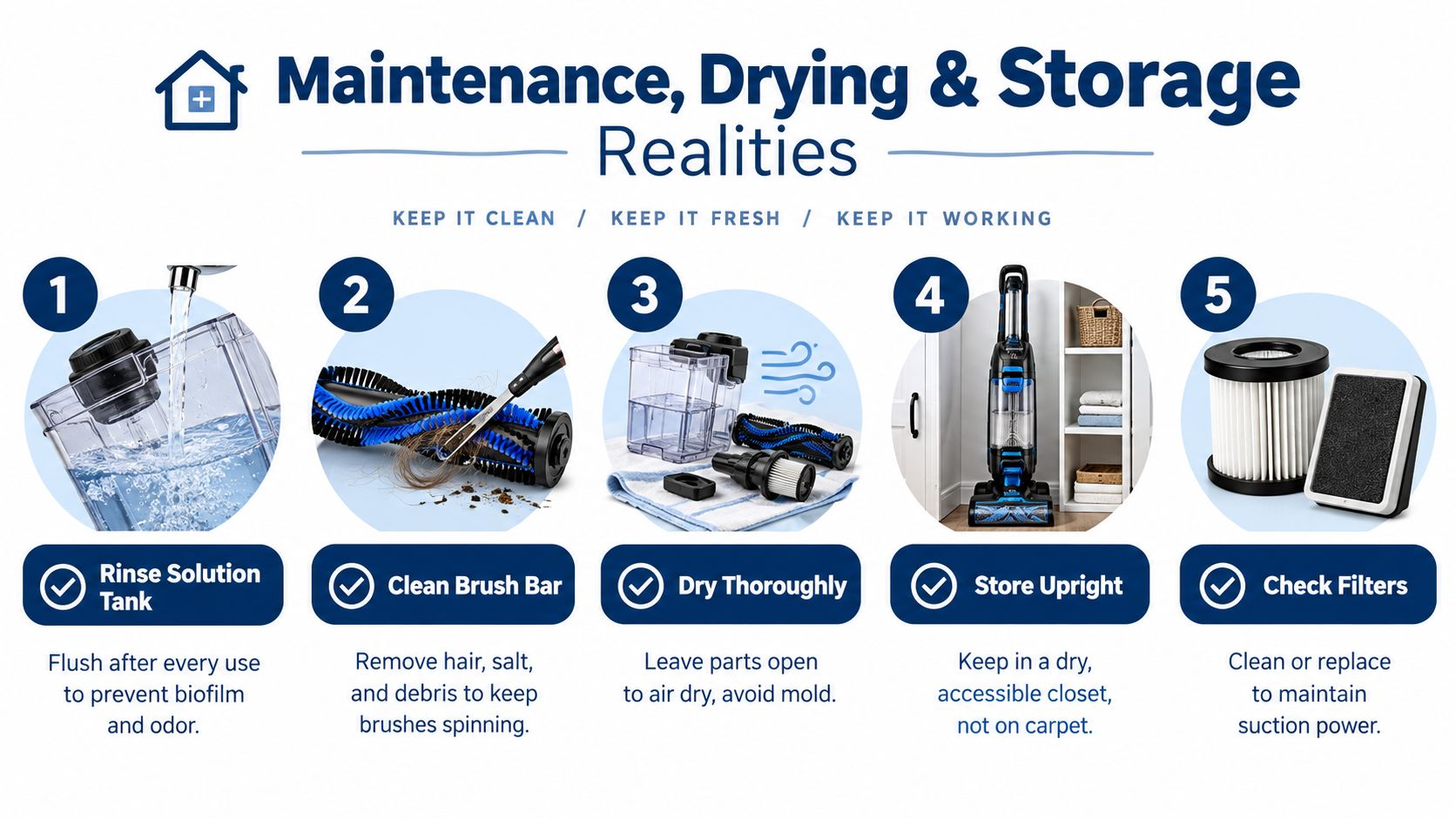
The machine doesn't finish the job when the carpet looks clean. It finishes when the dirty water is emptied, the tanks are rinsed, the brush is clear, the parts are dry, and the vehicle's carpet is dry enough to close up without trapping odour.
The cleanup after the cleanup
Rinse the solution tank and recovery tank after every use. Dirty water contains dissolved soil, salt, food residue, and whatever else came out of the carpet. Leave that mixture inside the machine and it can create biofilm, odour, and a sour-smelling hose.
Remove hair and salt crystals from the brush bar. Check the intake path and hand tool, especially after cleaning pet hair or heavily contaminated mats. A blocked tool reduces recovery and makes you think the motor has failed when the actual problem is a wad of debris.
Leave tanks, lids, hoses, and tools open to air-dry. Storing a damp tool in a sealed condo closet is how a clean-up appliance becomes the source of the next smell.
Storage reality: A machine that can't be carried, drained, and dried easily won't get used consistently.
Drying a car in GTA weather
A vehicle parked outside in late autumn is a difficult drying environment. Cold air, closed windows, damp mats, and limited airflow can leave moisture trapped in carpet backing. That creates a mildew risk and may contribute to frozen windows when temperatures drop.
Use the least water that will complete the job. Make slow extraction passes with no spray, remove mats from the vehicle when possible, and use ventilation or a fan in a safe indoor space. Don't close the car immediately after saturating the floor and assume the heater will solve everything.
Condo owners face a second problem, storage. A stacked parking space, a small locker, or a compact apartment closet may not provide a sink or floor area for rinsing. Choose sealed tanks, a strong carrying handle, and removable tools that can dry separately. Avoid leaving the machine directly on carpet, where a small leak becomes a larger problem.
A workable maintenance rhythm
- After every job: Empty and rinse both tanks, flush the hose, remove debris, and leave components open.
- Before storage: Confirm that the tank, brush, tool, and hose are dry.
- Before the next use: Inspect seals, filters, brush movement, and the intake path.
- During the season: Clean mineral deposits according to the manufacturer's instructions, especially if Ontario's hard water leaves visible scale.
- When suction drops: Check the tool and filter before blaming the motor.
This routine is not difficult, but it is unavoidable. If you won't do it, hire the cleaner who will.
When a Detailing Appointment Beats Owning One
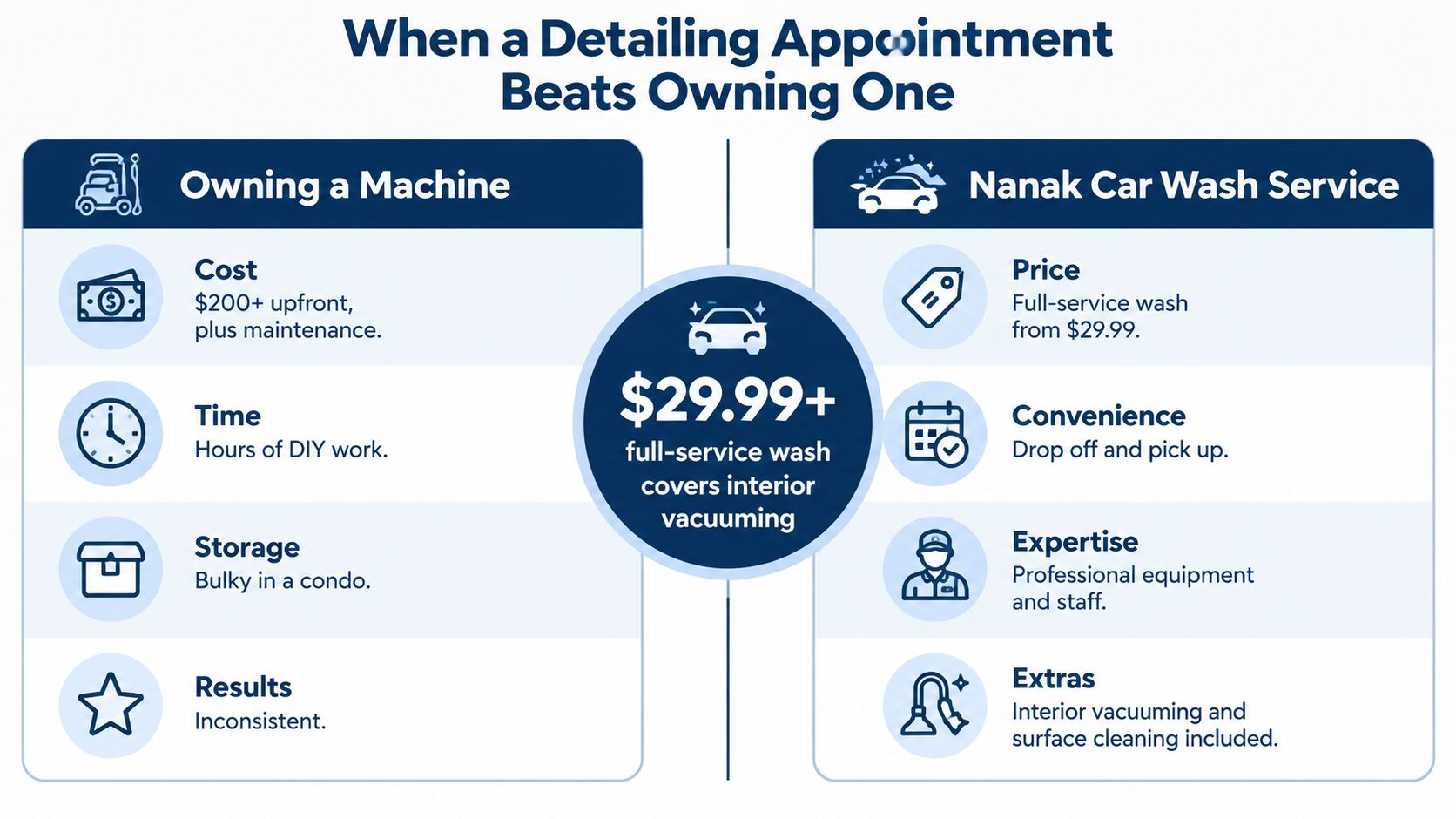
A detailing appointment wins when the vehicle is the only thing you need cleaned and the machine would sit idle between jobs. The strongest case is a condo renter with one sedan, limited storage, no balcony workspace, and no useful place to dry wet mats.
A full-service wash starting from C$29.99 plus tax includes interior vacuuming and surface cleaning, according to the Nanak Car Wash information provided for this article. Deeper appointments add carpet and seat shampooing, salt and stain removal, vent and crevice blowout, and other interior work, with service duration typically listed as one to four hours.
What you're actually paying for
You're not only paying for sprayed solution and suction. You're paying for preparation, access to specialised tools, dirty-water handling, drying decisions, and the time you don't spend kneeling on a frozen parking surface.
Professional labour also changes the economics. Ontario's median carpet-cleaning wage is C$20.00 per hour, and 53.5% of workers in the occupation receive at least one non-wage benefit, according to the Ontario Job Bank wage report. That figure doesn't set an automotive detailing price, but it shows why labour is a real component of a service rather than an invisible extra.
A professional service is especially sensible when the spill has reached seat foam, when pet hair is packed into seams, or when winter salt is spread through the front and rear footwells. A domestic portable machine can help, but it may not reach every contaminated surface.
The pro-versus-machine decision
Choose service if you clean fewer than four times a year, own one daily driver, lack storage, or don't want to manage drying in cold weather. Choose ownership if you have several vehicles, frequent child or pet messes, a garage, and a routine that makes regular extraction realistic.
A full-service wash and a deep detail are not the same appointment. The former handles routine interior vacuuming and surface cleaning. The latter is the option for shampoo extraction and stubborn contamination. Ask for the service that matches the condition of the cabin instead of paying for a package that sounds broader than the work you need.
Which Path Fits Your Vehicle and Routine
The fastest way to choose the best carpet shampooer is to start with your routine, not the product aisle. Count the vehicles, the storage space, the likely cleaning sessions, and the kind of mess you face.
| Driver Type | Vehicle | Best Option | Est. Annual Cost (CAD) |
|---|---|---|---|
| GTA condo renter | One sedan, limited storage | Detailing appointment or compact portable spotter | Service or occasional ownership cost |
| Suburban family | Three-row SUV, garage | Mid-tier or premium full-size extractor | Equipment, solution, and maintenance |
| Ride-share driver | Frequently used sedan or SUV | Portable extractor plus periodic detailing | Repeated DIY and service costs |
| Weekend hobbyist | Car with wet/dry vacuum already available | Portable upholstery shampooer | Lower equipment burden, added solution cost |
The practical matches
Condo renter with one sedan: Book the detail unless you regularly deal with coffee, pets, or children's stains. If storage under a small footprint matters more than broad coverage, choose a compact portable unit, not a full-size upright.
Suburban family with a garage: A mid-tier full-size machine is the sensible starting point when the SUV carries muddy boots, snacks, pets, and sports equipment. Move to premium equipment only when cleaning has become a regular household task.
Ride-share driver: Frequent passenger use can justify a portable extractor because quick spot treatment prevents small stains from becoming a full interior reset. Keep professional detailing in the routine for odour, embedded soil, and areas the hand tool can't properly recover.
Weekend hobbyist: If you already own a wet/dry vacuum, add a portable shampooer only when you need wet extraction. Don't buy another large appliance because it promises deeper cleaning if your existing setup already handles dry debris and loose salt.
Pet hair, stained cloth seats, and repeated winter salt are strong reasons to consider ownership. Limited storage, infrequent use, and no safe drying area point toward service.
The rule is simple: under three cleans annually, book the professional; above that, match the machine tier to the vehicle size and your storage space.
Nanak Car Wash offers routine full-service washing with interior vacuuming, plus appointment-based detailing for carpet and seat shampooing, salt and stain removal, and hard-to-reach interior areas. If your GTA vehicle needs more than a quick vacuum, visit Nanak Car Wash and choose the service that matches the mess instead of storing a machine you'll rarely use.


 6600 Finch Ave W, Etobicoke, ON M9V 3Z6
 647-703-8515
 MON – SUN 8 AM to 7 PM