
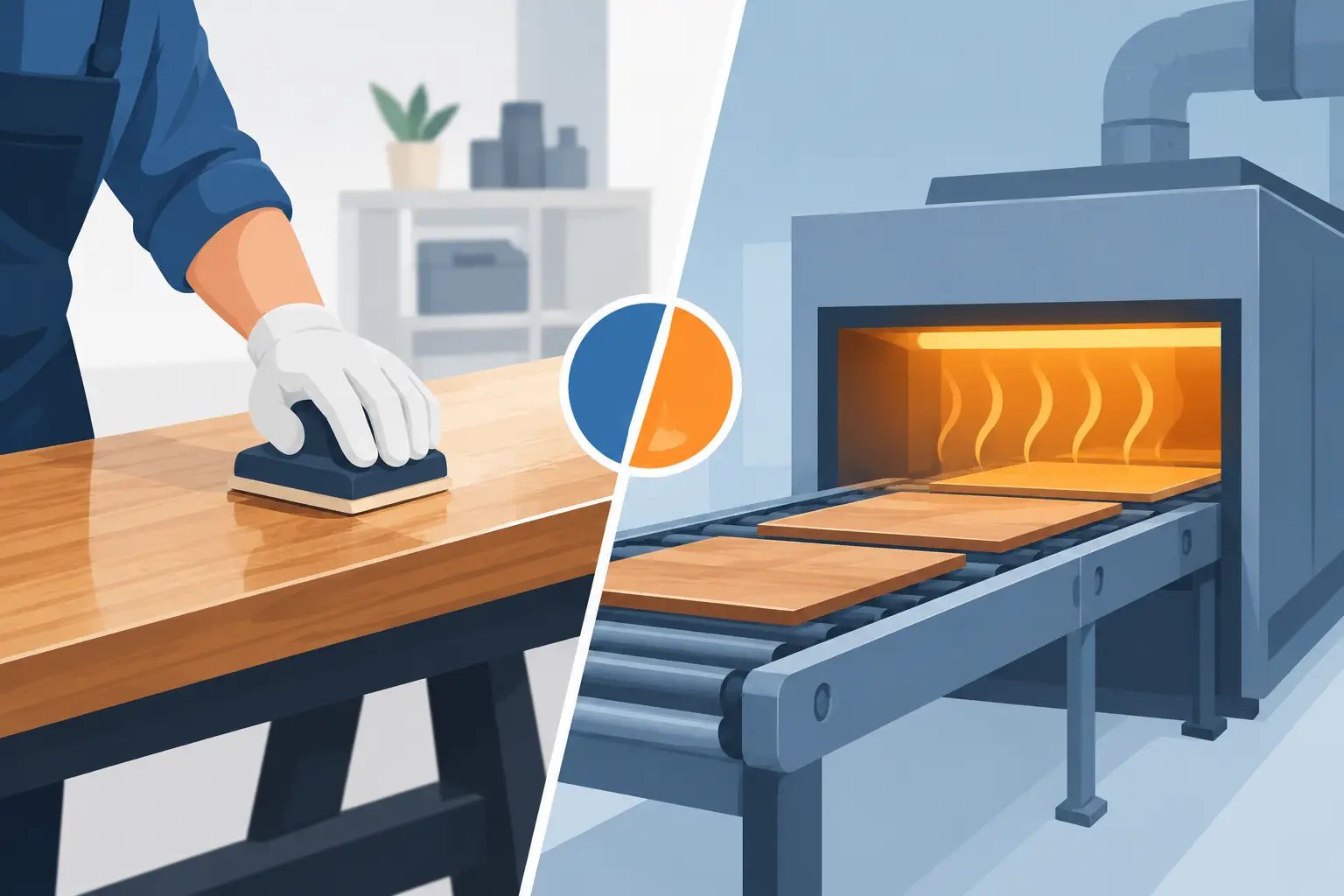
A clean car can leave the wash tunnel looking great, then show water spots on the mirrors, drip lines under the doors, and moisture around the trunk a few minutes later. That is where hand finishing vs automatic drying becomes a real choice, not just an extra service. Both methods have a place. The better option depends on how much time you have, how clean you want the final result to look, and what your vehicle needs that day.
For a quick weekly wash, automatic drying keeps things moving and helps deliver a fast, affordable clean. For drivers who want the details handled – especially after a full-service wash, interior cleanup, or special occasion – hand finishing can make the vehicle look noticeably more complete.
What Automatic Drying Does Well
Automatic drying uses high-powered air blowers at the end of a car wash tunnel. The system pushes water off the roof, hood, windshield, side panels, and rear glass as your vehicle moves through. It is built for speed, which is exactly why it works well for commuters, busy families, rideshare drivers, and anyone trying to keep regular car care simple.
The main advantage is efficiency. You can wash your car without planning half your day around it. When your vehicle gets cleaned regularly, a fast exterior wash with automatic drying is often enough to remove road grime, salt, dust, pollen, and everyday buildup before it becomes harder to deal with.
Automatic dryers also avoid the need to wipe every painted surface with a towel. That matters when a vehicle has heavy grit on it or when wash volume is high. Quality wash equipment, proper soap, fresh water, and a clean vehicle surface all work together to make air drying more effective.
Still, air dryers have limits. Water naturally collects in places the blowers cannot fully reach: behind mirrors, around license plates, inside wheel openings, under trim, near door handles, and around the rear hatch or trunk. After driving away, that trapped water can run down and leave marks. Dark-colored vehicles, black wheels, and vehicles with lots of chrome tend to show those leftover spots more clearly.
Hand Finishing vs Automatic Drying: The Real Difference
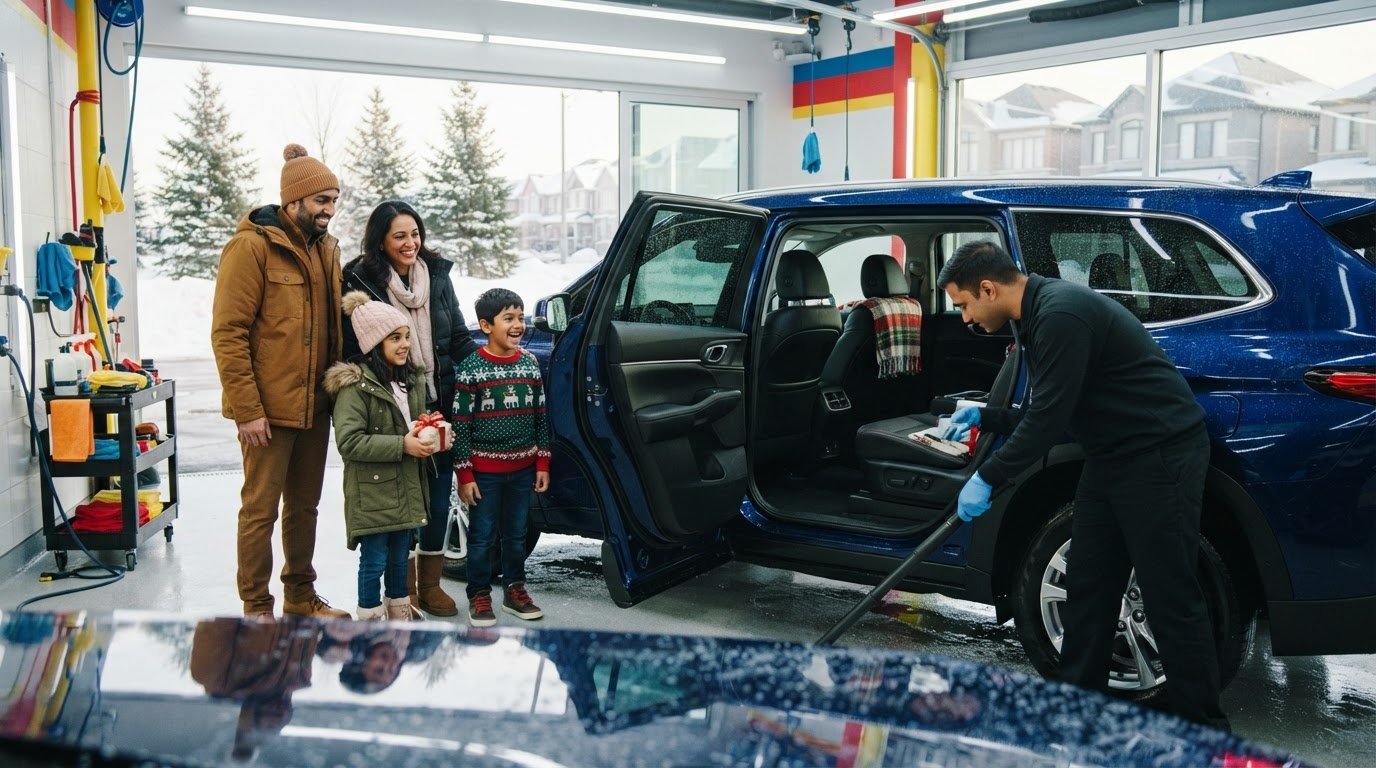
Hand finishing means a team member checks and dries the areas where water remains after the wash. Depending on the service selected, this can include drying exterior panels, cleaning door jambs, wiping mirrors, treating tires, cleaning windows, vacuuming the cabin, and giving the dashboard and mats attention.
The difference is not simply air versus towels. It is speed and consistency versus detail and inspection.
Automatic drying handles broad surfaces quickly. Hand finishing allows someone to notice what the equipment cannot judge. A person can see a drip under the mirror, a muddy edge near the rocker panel, a missed spot on the rear window, or moisture hiding around the fuel door. That final check is why a hand-finished vehicle often looks better up close, not just from the road.
For many customers, the best answer is a combination. Let the automatic dryers remove most of the water first, then use hand finishing for the areas that need extra care. This approach keeps service practical while delivering a cleaner final presentation.
When Automatic Drying Is the Better Value
Automatic drying is a strong fit when your goal is regular maintenance at a low cost. If you wash every week or every other week, you are preventing dirt, salt, and road film from sitting on the vehicle for too long. In that situation, a fast wash and dry can be the smart choice.
It also makes sense before a workday, after a rainy commute, or when your vehicle is generally clean inside. A wash membership can be especially useful for drivers who want to keep a car presentable without paying for a full detail every time. Regular washing is usually more affordable than waiting until the vehicle needs a bigger cleanup.
For fleets, rental vehicles, dealer inventory, and rideshare cars, speed matters. Taking multiple vehicles through an efficient wash process helps control downtime. Automatic drying supports that goal, particularly when the vehicle does not need show-room-level finishing on every visit.
That said, do not expect an automatic dryer to perform like a detail service. It is designed to remove a large amount of surface water quickly, not to reach every tight gap or manually inspect every panel.
When Hand Finishing Is Worth It
Hand finishing is worth considering when appearance matters beyond a basic clean. Maybe you are picking up clients, taking the family out, preparing a car for sale, or simply tired of seeing water spots after every wash. A little more attention can change the way the vehicle looks and feels.
It is also a good choice after winter driving. Road salt, slush, and grime tend to collect around lower panels, wheels, door edges, and wheel wells. A manual final check helps catch the areas that often need more than a quick pass through the tunnel.
Choose hand finishing when your vehicle has a darker paint color, lots of exterior trim, large wheels, or body shapes that hold water. SUVs, vans, pickup trucks, and hatchbacks commonly have more places where water can hide. The same goes for older vehicles with weather stripping or trim that does not sit as tightly as it once did.
A hand-finished service can also be the right move when you are adding interior cleaning. If someone is already vacuuming, wiping the dashboard, cleaning mats, and washing windows, completing the exterior dry creates a more complete result. You are not just getting a wash. You are getting back into a car that feels cared for.
Does Hand Drying Protect Your Paint Better?
This depends on the process. A clean, well-maintained microfiber towel used on a properly washed surface can safely remove remaining water and improve the finish. But any towel can create issues if it is dirty, dropped on the ground, or used on a surface that still has abrasive grit on it.
That is why the wash process matters more than the label alone. Proper pre-rinsing and cleaning should happen before anyone touches the paint for final drying. Professional hand finishing should use clean materials and careful technique, not rushed wiping with a worn towel.
Automatic air drying has the advantage of limited physical contact. But it may leave water behind, and mineral deposits can create spots if the droplets dry in the sun. Hand finishing reduces that risk by removing water from the areas most likely to drip or spot.
Neither option replaces paint protection. Wax, sealants, and other protective treatments can help water sheet off more easily and make routine drying more effective. They also make it easier to keep the vehicle looking clean between washes.
Choose Based on Your Visit, Not a One-Size-Fits-All Rule
There is no need to pay for maximum service every time if a quick wash meets your needs. A practical routine might include fast automatic drying for regular visits and hand finishing when the weather is rough, the vehicle is heavily used, or you want a more polished look.
Think about your next drive. Are you headed straight to work with a vehicle that only needs the dust and road film removed? Automatic drying is likely enough. Are you taking photos to sell the car, meeting customers, transporting passengers, or getting ready for an event? Hand finishing can be money well spent.
For drivers in Brampton and across the Greater Toronto Area, seasonal conditions are another factor. Winter salt and spring grime can demand more attention, while a quick summer maintenance wash may be all you need. Keeping up with washes also supports the value of rust protection by helping remove the corrosive material that collects underneath and around the body.
At Nanak Car Wash, the practical goal is simple: choose the service that gives your vehicle the clean result you need without paying for more than you will use. Use automatic drying when time and budget lead the decision. Add hand finishing when the final details matter. The best wash is the one you can keep up with, visit after visit.

 6600 Finch Ave W, Etobicoke, ON M9V 3Z6

 647-703-8515
 MON – SUN 8 AM to 7 PM