
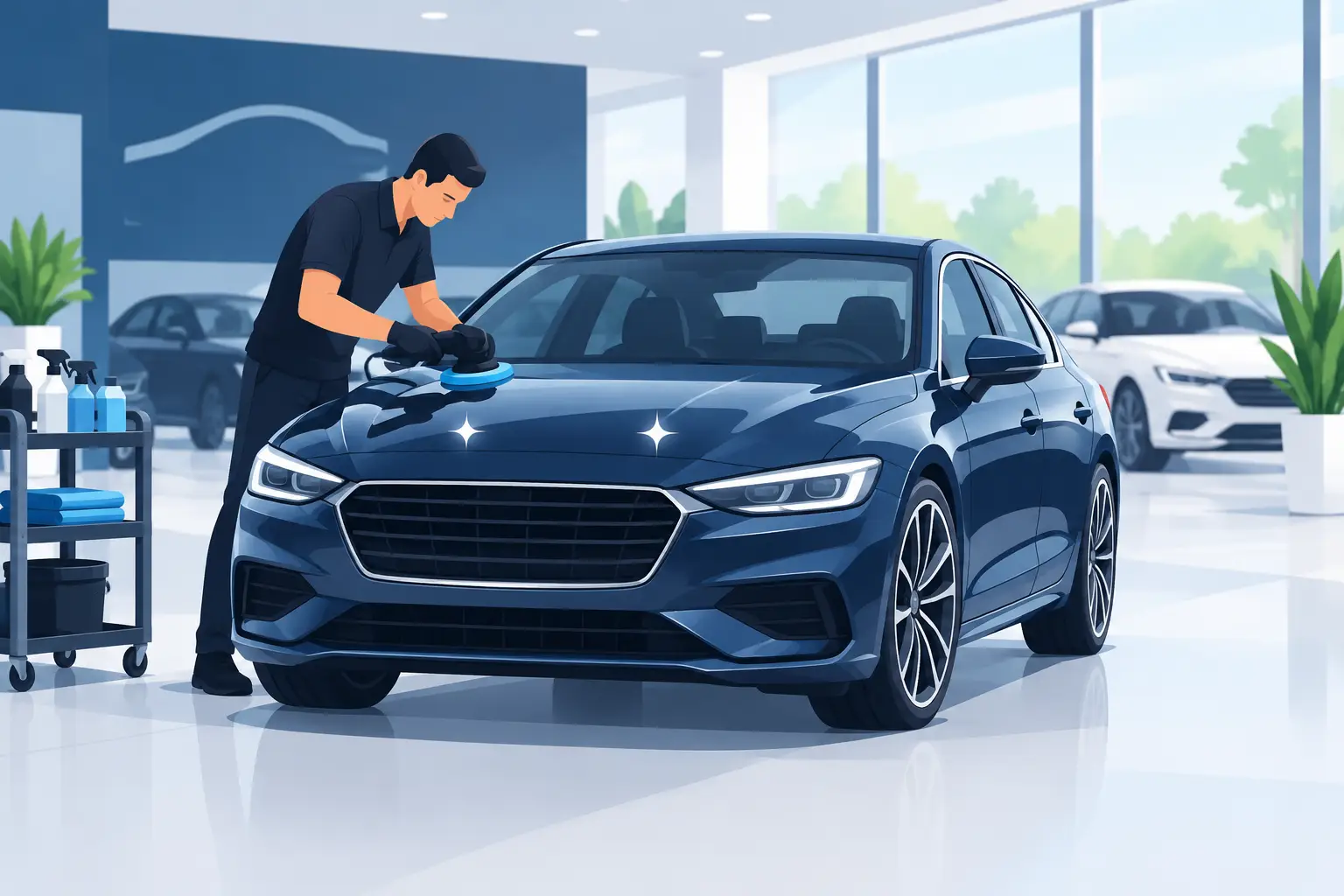
A vehicle can have the right year, trim, mileage, and price, then still sit on the lot because it looks neglected. Smudged glass, salt-stained mats, pet hair, and a dull dashboard send a message before a salesperson gets the chance to explain the value. Dealership vehicle detailing gives every unit a clean, buyer-ready presentation without turning inventory prep into an expensive bottleneck.
For dealerships, rental operators, and fleet managers, detailing is not just about making a car shine. It is part of merchandising, reconditioning, customer confidence, and faster turnover. The right process keeps used vehicles photo-ready, makes trade-ins easier to assess, and helps new deliveries feel like a proper handoff.
Why dealership vehicle detailing affects the sale
Buyers make fast judgments. A clean interior lets them focus on the features instead of the previous owner’s mess. Clear windows improve the test-drive experience. Fresh-looking tires, clean wheel wells, and a polished exterior make the vehicle look cared for rather than rushed through a wash.
This matters most on used inventory, where condition plays a major role in perceived value. Two similar vehicles can have the same mechanical inspection and comparable pricing, but the cleaner one usually creates more confidence. Detailing will not hide major wear or turn a high-mileage vehicle into a new one. It does make honest condition easier to see and helps the vehicle show at its best.
There is also a practical time benefit. Sales staff should not be pulling cars off the line to vacuum crumbs from the seats or wipe fingerprints from the dash before an appointment. A consistent detailing standard means vehicles are ready when customers arrive, when photos need updating, and when a sale closes quickly.
What a dealer-ready detail should include
The right package depends on the vehicle’s condition, price point, and intended use. A late-model lease return needs different work than an older trade-in with stained upholstery and months of winter road grime. Still, every retail unit needs a clean baseline.
Exterior presentation
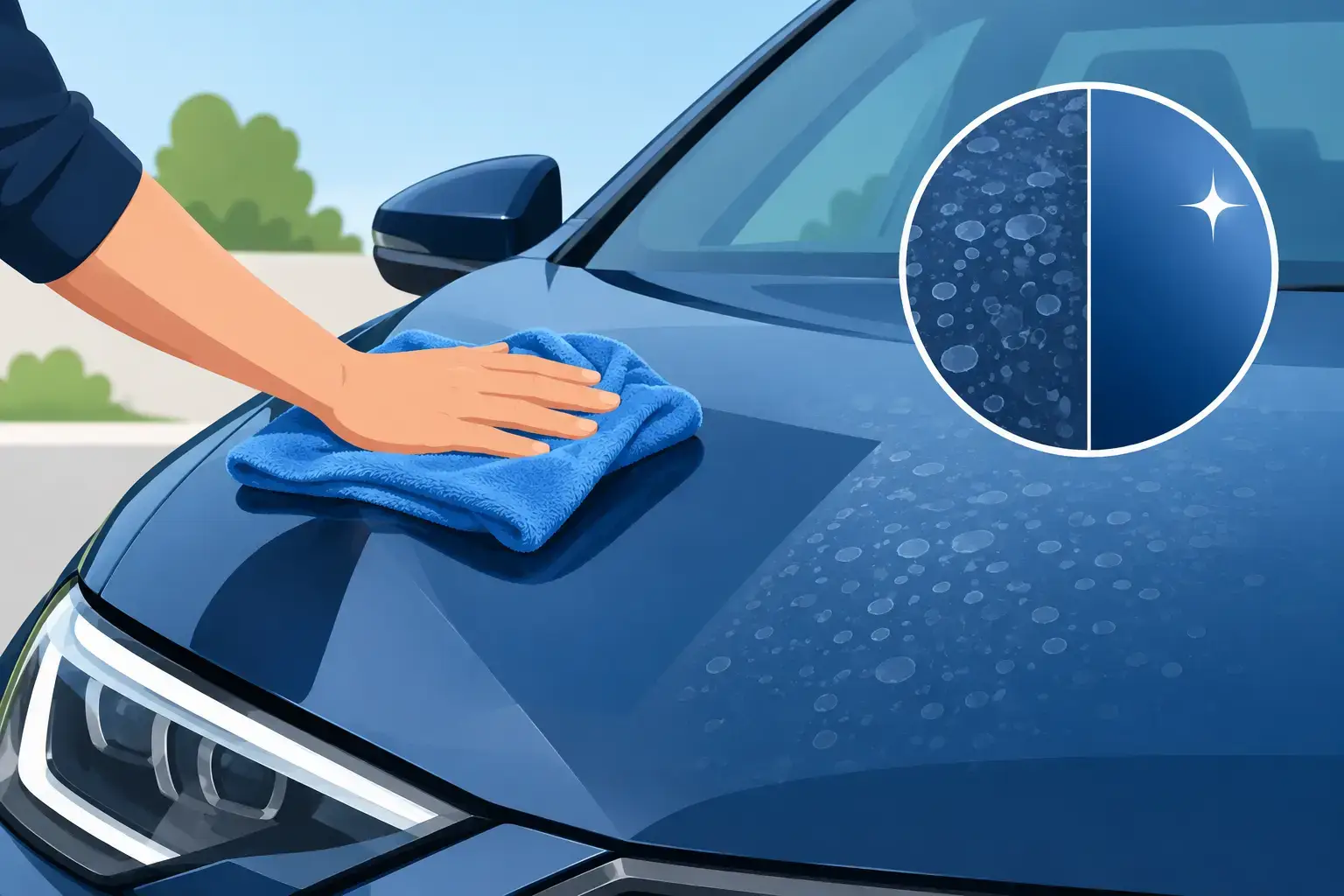
A proper exterior service starts with a fresh-water wash that removes road film, dust, salt, and surface dirt. Wheels, tires, wheel wells, door jambs, mirrors, and exterior glass need attention because buyers notice these areas up close. Drying matters too. Water spots and drips around mirrors or trim can make a newly washed vehicle look unfinished.
For vehicles with dull paint, light polishing can improve gloss and reduce the appearance of minor marks. It is a good value add for premium inventory or vehicles being photographed for online listings. Deep scratches, peeling clear coat, and body damage are different jobs. Detailing should improve presentation, not make promises it cannot keep.
Interior cleaning that feels complete
The interior is where a buyer spends the most time. Vacuuming should cover carpets, floor mats, seats, trunk space, and the spaces between seats. Dashboard surfaces, cup holders, door panels, center consoles, vents, and interior glass should be cleaned carefully, not quickly wiped over.
Mat washing and shampooing are especially useful after wet weather, family use, rideshare service, or trade-ins with visible stains. Odor treatment may also be necessary, but it should be matched to the source. A light fresh scent cannot solve moisture, smoke residue, pet contamination, or spilled food trapped in carpet. When odors are heavy, deeper cleaning and drying time are worth the extra effort.
Final checks before the vehicle goes live
A vehicle can be washed and detailed yet still look unprepared if the final inspection is skipped. Check for streaks on glass, residue on screens, missed debris under seats, water trapped in mirrors, and dirty license plate frames. Make sure floor mats are dry and placed correctly.
This final walk-around should also confirm that the vehicle is ready for photos. Turn the steering wheel straight, remove temporary cleaning supplies, and make sure personal items from a previous owner are gone. Small details protect the dealership’s presentation standards.
Build a detailing workflow around inventory movement
The biggest problem is rarely a lack of cleaning options. It is poor timing. When every car is treated as an emergency, detailing becomes expensive, rushed, and inconsistent.
A better approach is to separate vehicles by stage. Trade-ins need an initial clean before appraisal photos and evaluation. Vehicles entering reconditioning may need heavier interior work after repairs are finished. Retail-ready units need a final detail just before online photos, lot placement, or customer delivery. This keeps staff from detailing the same vehicle repeatedly after it has been moved, repaired, or driven.
Set a realistic turnaround target based on the service needed. A basic wash and interior refresh can often be completed quickly. Shampooing, stain treatment, polishing, odor removal, and heavy pet hair extraction take longer. Trying to force a deep detail into a short window usually leads to missed areas and unnecessary rework.
For high-volume operations, a simple condition grading system helps. For example, units can be marked as light, standard, or heavy cleaning needs when they arrive. That gives the team a clear starting point and prevents a basic package from being expected to handle a heavily soiled vehicle.
Control costs without cutting visible results
Detailing costs should match the vehicle and the likely return. Spending heavily on a low-margin unit may not make sense, while a higher-value vehicle may benefit from more complete paint correction, upholstery shampooing, or odor treatment. The goal is not to use the most expensive service on every car. It is to spend where the customer can see the difference.
Regular maintenance washes are one of the simplest ways to keep costs down. Inventory that sits outside collects dust, pollen, bird droppings, road salt, and water spotting. A quick recurring wash is usually cheaper than letting dirt build up until the vehicle needs a full correction before a weekend sale event.
Dealers and fleets also benefit from clear package pricing. A standard retail prep package can handle the majority of clean trade-ins, while add-ons are reserved for stains, pet hair, excessive grime, polishing, or specialty restoration. This makes approvals easier and helps management track where detailing dollars are going.
At Nanak Car Wash, dealer-friendly service can combine quick exterior washing with hand-finished interior detailing for vehicles that need more than a tunnel wash. The practical advantage is choice: keep clean inventory maintained at a value price, then step up to deeper work only when a vehicle needs it.
Do not overlook rust protection and seasonal cleanup
In areas with winter salt, clean presentation and vehicle protection go together. Salt left on undercarriage areas, wheel wells, and lower panels can affect appearance and contribute to corrosion over time. Frequent washing during winter helps remove buildup, especially for dealer demo vehicles, fleet units, and cars stored outdoors.
Rust proofing may be worth discussing for qualifying customer deliveries, dealer-owned vehicles, or fleets that will see regular winter driving. It is not a replacement for washing, and washing is not a replacement for rust protection. Each service does a different job. One removes contaminants now; the other helps protect vulnerable areas over the long term.
A cleaner lot starts before the appointment
The best dealership vehicle detailing process is repeatable. It gives every vehicle a clear standard, keeps the sales team from scrambling, and gives buyers a better first impression the moment they open the door. Start with the vehicles customers will see this week, set a condition-based service plan, and keep those units clean before the next test drive puts them back on the lot.

 6600 Finch Ave W, Etobicoke, ON M9V 3Z6

 647-703-8515
 MON – SUN 8 AM to 7 PM