
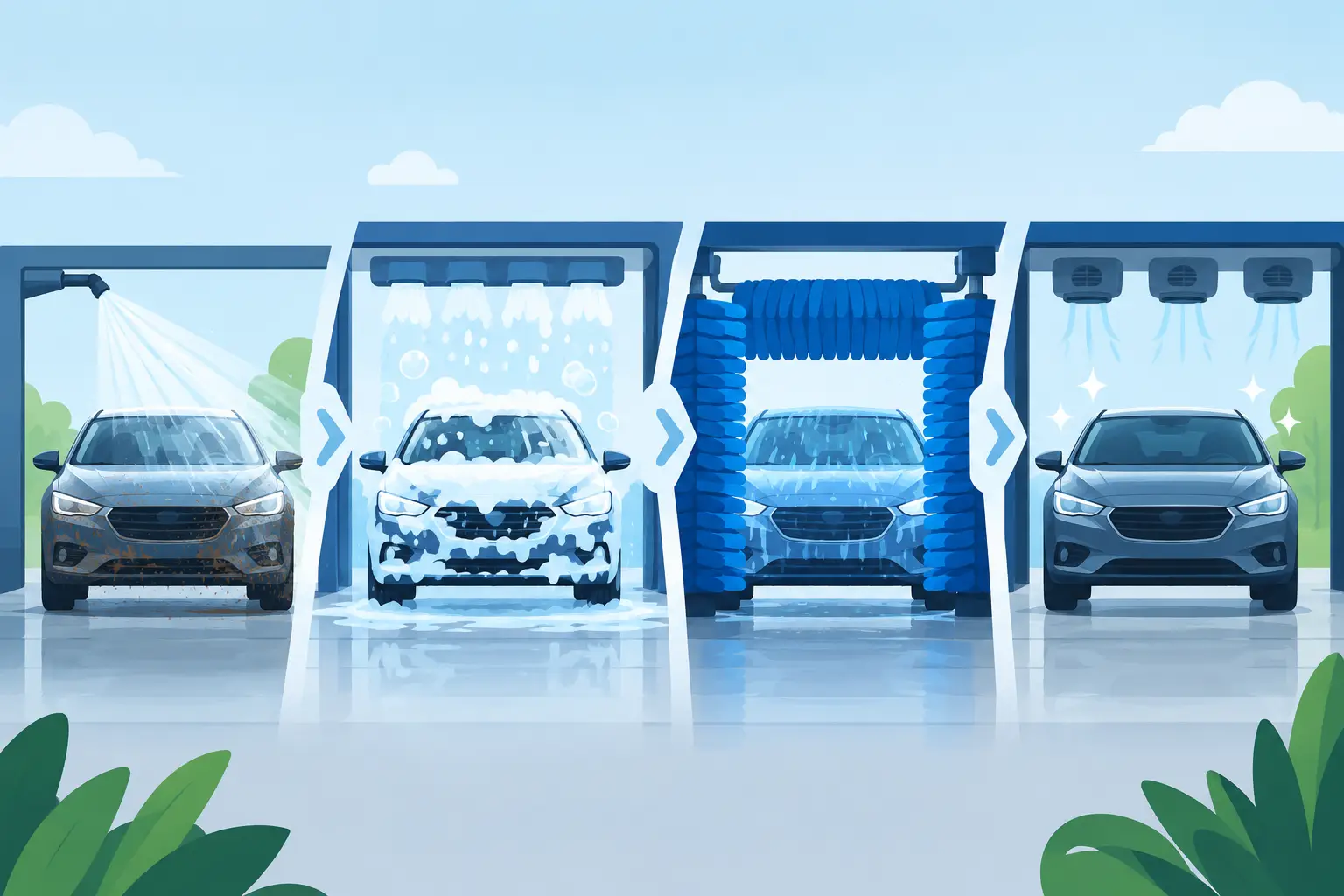
A clean car should not mean guessing what is being sprayed on your paint. The freshwater car wash process uses clean incoming water throughout the wash to help lift away road salt, dust, pollen, mud, and everyday traffic grime. For drivers who wash often, especially after rough weather or long commutes, that clean-water approach helps deliver a fresher finish you can see.
At Nanak Car Wash, the goal is simple: get your vehicle clean, keep the process convenient, and give you real value whether you need a quick exterior wash or a more complete interior and exterior service. Here is what happens during a quality freshwater wash and why each stage matters.
What Freshwater Means at a Car Wash
Freshwater is clean water supplied to the wash, rather than water that has already been used during earlier wash cycles. In a professional wash process, water may be used differently at different stages depending on the equipment and package. A freshwater-focused service prioritizes clean water where it makes the biggest difference for rinsing away loose debris, soap, and remaining residue.
That matters because the dirt on a vehicle is not all the same. Dry dust may come off easily, but road film can cling to paint, glass, wheels, and lower panels. Salt, slush, brake dust, tree sap, and oily traffic grime can be tougher still. Starting with a proper rinse helps move abrasive material away from the surface before brushes, mitts, or wash cloths make contact.
Freshwater alone is not a magic fix for neglected paint or deep scratches. The result also depends on the wash chemicals, the condition of the wash equipment, the skill of the staff, and how much buildup is on the vehicle. Still, clean water is a practical part of a safer, more consistent wash.
The Freshwater Car Wash Process, Step by Step
1. Vehicle check and pre-rinse
The process starts with a visual check. Staff can spot heavy mud around wheel wells, stubborn bugs on the front bumper, loose exterior accessories, or areas that may need extra attention. If your vehicle has damage, a loose trim piece, or an antenna that does not retract, mention it before the wash begins.
A pre-rinse follows. Freshwater is applied to loosen surface dirt and carry away grit from the paint, wheels, rocker panels, and underbody areas. This step is especially useful after winter driving, construction-zone travel, or a rainy week when road spray sticks to the sides of the car.
Skipping the pre-rinse can leave gritty particles on the surface. When those particles are rubbed across paint, they can contribute to fine swirl marks over time. The goal is not to scrub hard right away. It is to let water do the first part of the work.
2. Soap and targeted cleaning
Next comes the cleaning solution. Professional car wash soap is designed to break down traffic film without using harsh household cleaners that can leave residue or affect protective finishes. Depending on the package, the wash may also include wheel cleaner, tire treatment, bug remover, or a pre-soak for heavy grime.
This is where package choice matters. A quick exterior wash is a smart fit when your car is lightly dusty and you need a fast reset. If the vehicle has caked-on dirt, stained mats, pet hair, salt marks, or a sticky interior, a full-service wash or detailing appointment will give you a better result than a basic wash alone.
3. Gentle contact cleaning
After the soap has had time to work, the vehicle is cleaned with wash equipment or by hand, based on the service you choose. Good contact cleaning focuses on even coverage, clean tools, and steady technique rather than aggressive pressure. The paint, glass, mirrors, wheels, and lower panels each collect dirt differently, so they should not all be treated exactly the same.
Hand-finished work can be especially helpful for areas automatic equipment may not fully reach, such as around badges, door handles, fuel doors, wheel faces, and tight body lines. It also gives staff an opportunity to catch spots that need a second pass.
No wash can guarantee the removal of every bonded contaminant. Sap, overspray, oxidation, etched water spots, and deep brake dust may require specialty treatment, polishing, or detailing. Being honest about that saves customers time and prevents the disappointment of expecting a standard wash to fix paint damage.
4. Freshwater rinse and protection
A thorough rinse removes loosened dirt and cleaning products from the vehicle. This stage is important because leftover soap can dry unevenly and leave dull-looking residue, especially on dark paint and glass. Clean water helps leave the surface ready for drying and any protectant included in your package.
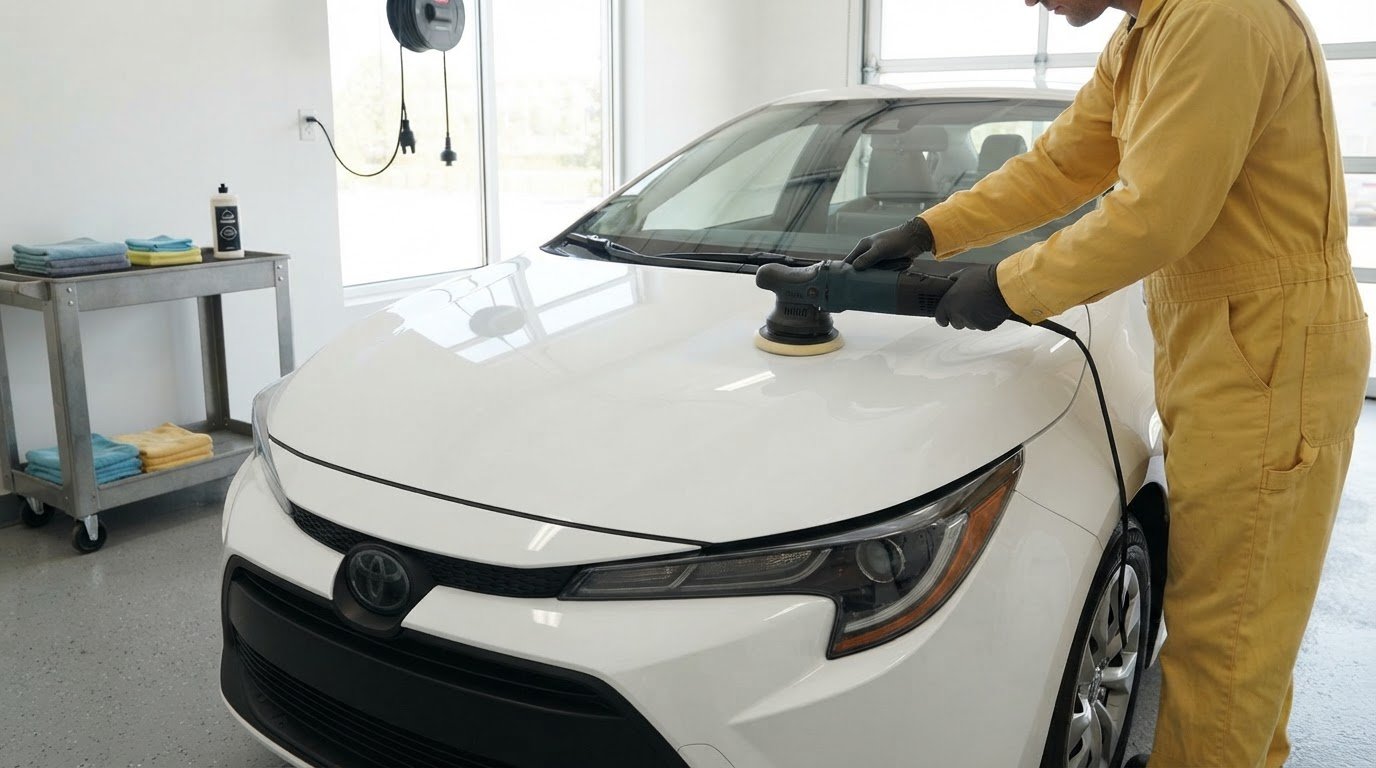
Many wash packages add a wax or protective treatment at this point. These products can improve shine and help water bead off more easily. They are useful for regular upkeep, but they are not the same as paint correction or a long-term ceramic coating. Think of them as a convenient layer of routine protection between deeper detailing services.
5. Drying, interior care, and final touch-ups
The final stage is where a car goes from washed to presentable. Exterior drying reduces water spots and streaks on paint, windows, and mirrors. Depending on the package, the service may also include vacuuming, dashboard cleaning, mat washing, interior wipe-downs, tire shine, and glass cleaning.
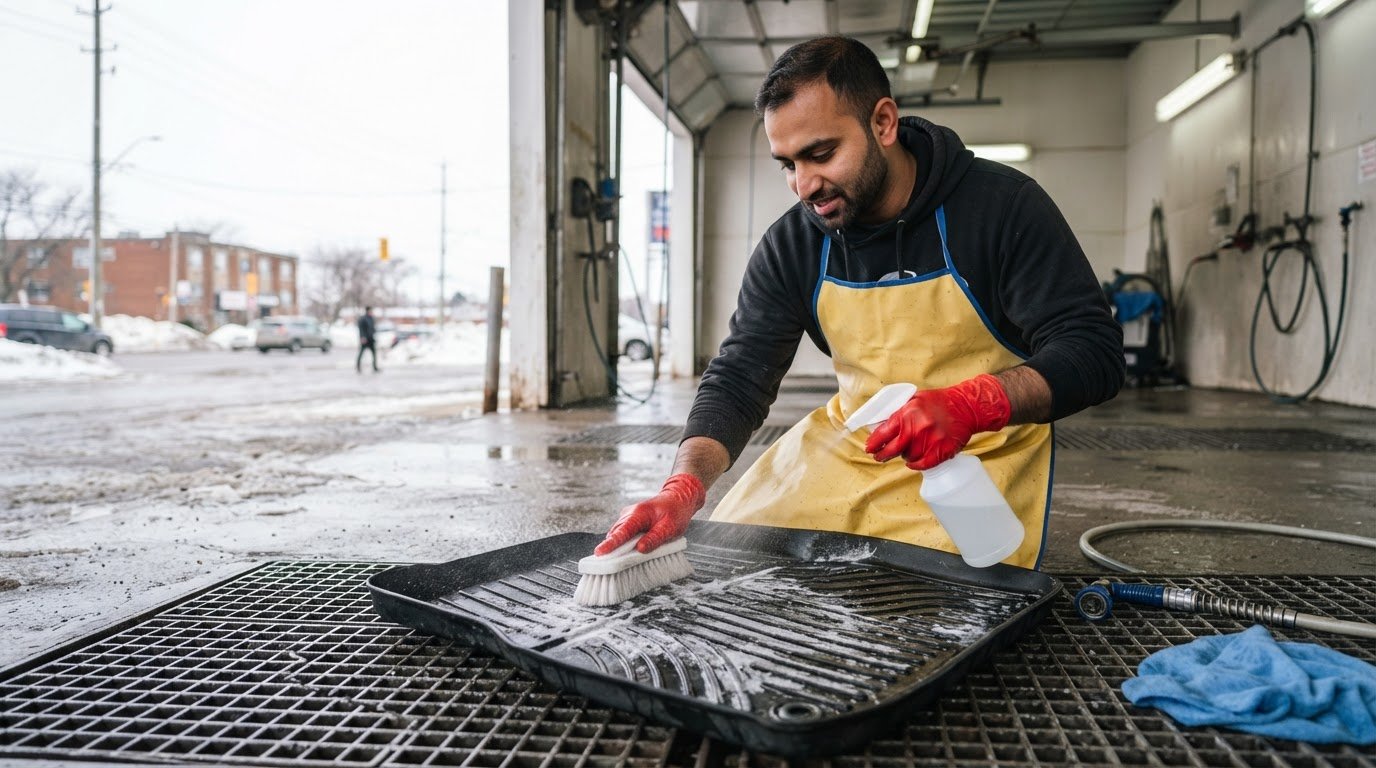
For families, commuters, and rideshare drivers, interior care often makes the biggest day-to-day difference. A clean dash, clear windows, vacuumed carpets, and fresh mats make the vehicle more comfortable to use, even if it has not had a full detail. If the interior needs shampooing, stain treatment, odor removal, or deep seat cleaning, schedule the service that matches the job instead of paying for a quick wash that cannot reasonably do it all.
Why Freshwater Washing Matters Through the Year
Regular washing is not only about appearance. It helps remove the grime that builds up where you may not notice it right away. Road salt and slush can collect around wheel wells and lower body panels. Pollen and bird droppings can affect the look of paint. Brake dust can make wheels look neglected even when the rest of the car is clean.
How often you wash depends on how and where you drive. A garage-kept vehicle used occasionally may only need a wash when it looks dirty. A daily commuter, family SUV, delivery vehicle, or rideshare car may benefit from frequent exterior cleaning. During winter or after wet, salty roads, washing sooner is usually the better value than waiting for buildup to become harder to remove.
For business vehicles, a clean exterior also supports a professional image. Dealers, fleets, rental vehicles, and service companies often need predictable upkeep, not a one-time detail. Prepaid washes and unlimited wash memberships can make routine cleaning easier to budget for when vehicles need to look ready every day.
Get the Right Wash for the Condition of Your Car
The best wash is not always the most expensive one. It is the service that fits your car’s condition, your schedule, and what you want done. Choose an express exterior wash when you need clean paint, wheels, and windows fast. Move up to a full-service option when the cabin needs vacuuming and touch-up cleaning. Book detailing when the vehicle has stains, neglected surfaces, embedded dirt, or needs a deeper refresh.
If you are comparing packages, ask what is included in the rinse, exterior cleaning, drying, interior work, and protective finish. Clear answers make it easy to pay for the results you actually need. It is also worth asking about monthly memberships if you wash regularly. A low monthly plan can cost less than repeated single washes and makes it easier to keep up with seasonal grime.
A freshwater wash is one of the simplest ways to keep your vehicle looking cared for between major services. Wash the salt off early, clean the interior before messes set in, and choose a package that makes regular car care easy enough to stick with.

 6600 Finch Ave W, Etobicoke, ON M9V 3Z6

 647-703-8515
 MON – SUN 8 AM to 7 PM