
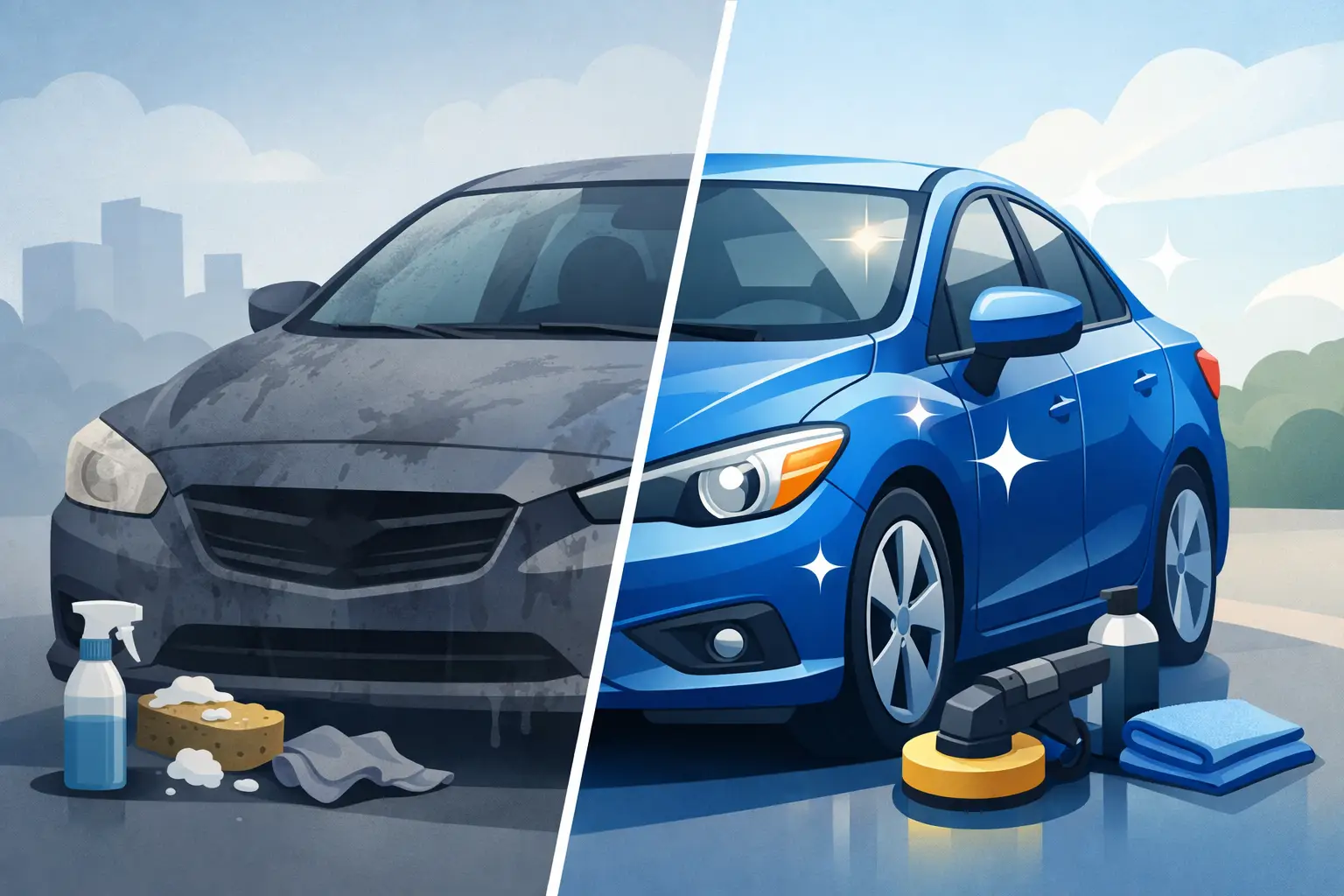
A car can look fine from a distance and still feel worn out the moment you open the door. Dust sits in the vents, crumbs collect under the seats, winter salt leaves white marks on carpets, and the dashboard starts to look dull. That is where before and after detailing tells the real story: the difference is not just a shinier vehicle. It is a cleaner, more comfortable ride that is easier to maintain.
For busy drivers, detailing is not about treating a car like a showpiece every weekend. It is about getting ahead of the mess before it becomes harder and more expensive to remove. Whether you drive kids to school, commute daily, run rideshare trips, or manage company vehicles, a proper detail brings back the clean feeling that regular quick washes cannot always reach.
What Before and After Detailing Actually Shows
The best detailing results are usually visible in the places people use every day. A clean exterior catches the eye, but the interior change is often what drivers appreciate most. Seats look fresher, mats stop feeling gritty, cup holders are usable again, and the windows are clearer in bright sun or at night.
Before detailing, dirt is often spread across many small areas instead of sitting in one obvious spot. Fingerprints build up around door handles and touchscreens. Pet hair works its way into fabric. Road salt gets pressed into carpets. Food spills leave behind stains or odors. Left alone, those small issues can make a vehicle feel older than it is.
After detailing, the goal is a vehicle that feels cared for, not one that looks artificially coated or perfumed. Surfaces should be properly cleaned, vacuumed, wiped down, and finished so the car is ready for everyday use. The work should make your next regular wash easier too, because loose dirt, interior debris, and built-up grime have already been addressed.
The Areas That Make the Biggest Difference
Carpets, mats, and seats
Floor mats take a beating, especially through wet weather and winter driving. Salt, mud, sand, and slush can quickly turn a clean interior into a mess. Vacuuming removes loose debris, while mat washing and shampooing can improve the appearance of heavily used areas.
Fabric seats can hold crumbs, dust, pet hair, and light stains. Shampooing may make a dramatic difference, but results depend on the material, how long the stain has been there, and what caused it. A fresh coffee spill is very different from a stain that has been baked into the fabric for months. Leather and specialty materials need the right cleaning method, so aggressive scrubbing is not always the answer.
Dashboards, consoles, and touch points
The driver area is where grime becomes most noticeable. Steering wheels, gear selectors, cup holders, door panels, and center consoles pick up oils and dust every day. Cleaning these surfaces improves the look of the cabin, but it also changes how it feels to drive.
A quality interior detail focuses on the spots hands touch most. It should not leave a greasy, overly shiny finish that reflects across the windshield. The better result is clean, tidy, and natural-looking.
Windows and mirrors
Clean glass is a safety issue as much as an appearance issue. Film on the inside of a windshield can create glare at night, while streaks on exterior glass make rain and road spray more frustrating. Detailing includes the careful cleaning of windows and mirrors so drivers can see clearly.
Exterior paint, wheels, and trim
An express wash is a smart choice when your vehicle needs a fast refresh. Detailing goes further when road film, brake dust, dirt around trim, and neglected exterior surfaces need more attention. A hand-finished process can help bring out a more even, cleaner appearance across the vehicle.
Polishing can improve the look of light surface imperfections and restore some gloss, but it is not a magic fix for deep scratches, dents, peeling clear coat, or paint damage. Honest before and after results set the right expectation: a detail can greatly improve condition, but it cannot reverse every form of wear.
Why Detailing Is Worth It for Everyday Drivers
A clean car is easier to live with. There is less dust moving around the cabin, fewer odors trapped in upholstery, and less chance of grime becoming a permanent problem. Families get a more pleasant space for passengers. Rideshare drivers make a better impression. Commuters start and end the day in a vehicle that does not feel neglected.
There is also a money side to it. Keeping up with interior cleaning and exterior care can support resale or trade-in appeal later. Buyers and appraisers notice stained carpets, dirty upholstery, dull trim, and heavily neglected surfaces. Detailing will not turn an old car into a new one, but it can help show that the vehicle has been looked after.
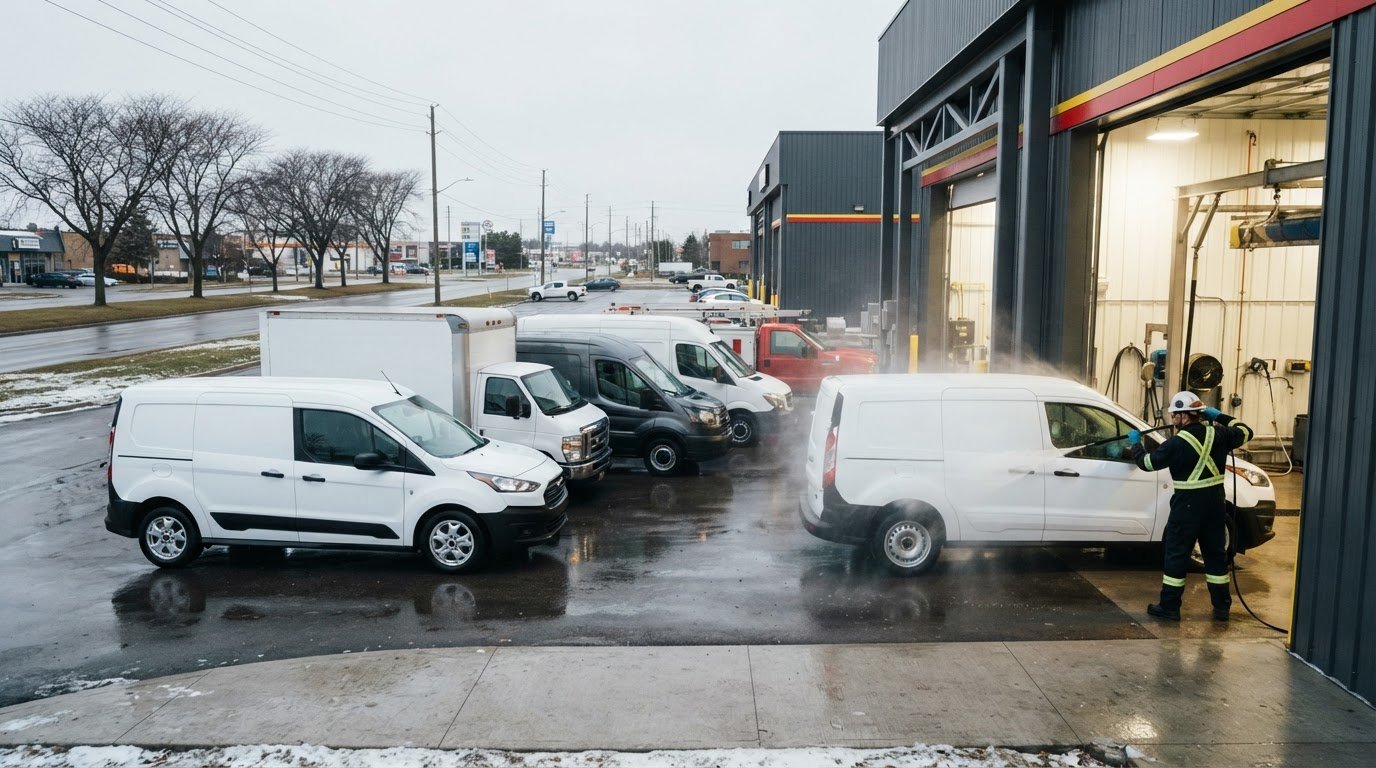
For fleet operators, dealers, and rental vehicles, presentation matters even more. A clean vehicle is easier to hand over, photograph, inspect, and put back into service. Regular cleaning helps avoid the large catch-up job that happens when several vehicles are left unattended for too long.
When a Regular Wash Is Enough and When to Detail
Not every visit needs a full detail. If your exterior is dusty, covered in road spray, or losing its clean finish after a week of driving, an express or full-service wash may be all you need. It is quick, practical, and a good way to keep dirt from building up.
Detailing makes more sense when the interior has visible stains, salt residue, pet hair, lingering odors, or debris that a quick vacuum will not handle. It is also a good choice before selling a vehicle, after a busy season of family travel, or when you simply want to reset the condition of your car.
A useful approach is to use regular washes for ongoing upkeep and schedule deeper detailing when the vehicle needs attention beyond the surface. That balance keeps costs reasonable while helping your car stay cleaner year-round.
How to Get Better Results From Your Detail
The biggest factor is timing. Bring the vehicle in before stains harden, salt accumulates, or odors settle into fabrics. The longer a mess stays in place, the more effort it can take to remove and the less predictable the final result may be.
It also helps to clear out personal belongings before your appointment. Remove loose items from trunks, door pockets, seatbacks, and consoles so the team can reach the surfaces that need cleaning. If there is a specific spill, stain, or odor you are concerned about, point it out before service begins. That gives the detail team a chance to assess it and recommend the right treatment.
Afterward, protect the work with simple habits. Shake out mats regularly, wipe up fresh spills quickly, avoid letting garbage collect in the cabin, and use routine washes to keep exterior grime under control. These small steps can make the next detail faster and help preserve the cleaner look longer.
Before and After Detailing Is About the Feeling, Too
Photos can show cleaner seats, brighter carpets, and a more polished exterior. What photos cannot fully show is the difference when you sit behind the wheel. The cabin smells fresher, the controls look cared for, and the vehicle feels ready for the road again.
At Nanak Car Wash, the practical goal is simple: give everyday drivers a clean ride at a price that makes regular care realistic. A full detail is especially satisfying when the mess has gotten ahead of you, but it works best as part of a routine that includes regular washes and basic upkeep.
If your vehicle no longer feels as clean as it should, do not wait until every stain and salt mark becomes a bigger job. A well-timed detail can bring back the pride of driving it, one clean surface at a time.

 6600 Finch Ave W, Etobicoke, ON M9V 3Z6
 647-703-8515
 MON – SUN 8 AM to 7 PM