

A dirty service van arrives before your driver says a word. Mud on the rocker panels, salt on the doors, stained seats, and a cluttered cab can make a well-run business look careless. The best fleet vehicle cleaning practices help protect that first impression while keeping vehicles safer, more comfortable, and ready to work.
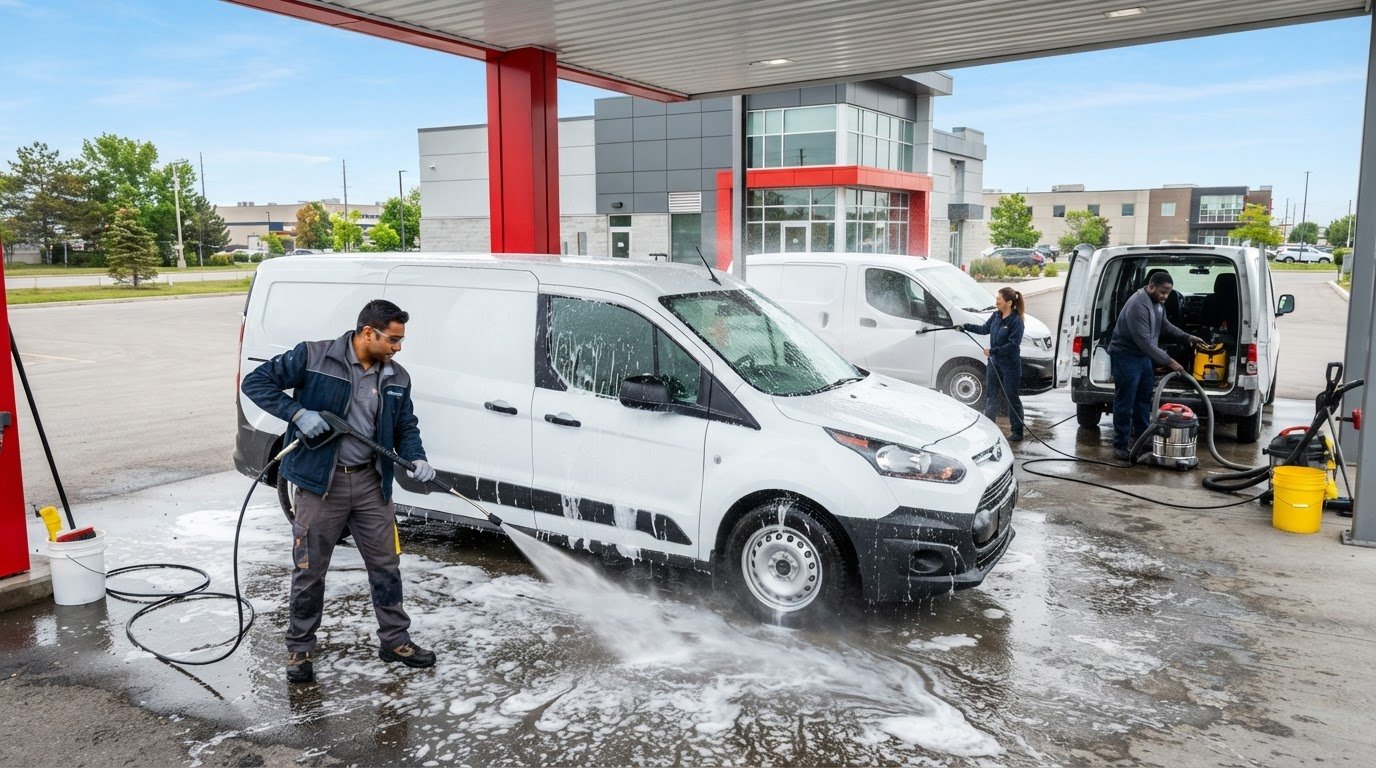
For fleet managers, cleaning is not just about making vehicles look good for the day. It is a practical maintenance routine. Regular washing removes road salt, grime, fuel residue, tree sap, and brake dust before they have more time to damage paint, wheels, trim, and underbody components. A clean interior also helps drivers stay organized and makes it easier to spot wear, leaks, or damaged equipment early.
Build Fleet Cleaning Into the Work Schedule
The biggest mistake is treating cleaning as something to do only when a vehicle looks especially bad. By that point, dirt has built up, stains have set in, and the cleanup takes longer. A simple schedule is easier to manage and usually costs less than occasional deep cleaning for every unit.
How often your fleet needs service depends on the work it does. Delivery vans and rideshare vehicles may need exterior washing several times a week. Construction vehicles may collect mud and dust every day, while sales vehicles may stay presentable with a weekly wash and regular interior touch-ups. In winter, fleets operating around Brampton, Toronto, Mississauga, and Vaughan often need more frequent washing because road salt can build up fast.
Set a base schedule, then adjust for weather and use. A practical system might include quick exterior washes during the week, a weekly cab cleanup, and a more detailed interior and exterior service each month. Keep it realistic. If the schedule takes drivers off the road for too long, it will not last.
Best Fleet Vehicle Cleaning Practices Start With the Undercarriage
Painted panels get attention because customers see them. The undercarriage deserves just as much attention because it takes the hardest hit from water, salt, slush, and road debris. Skipping this area may save a few minutes today, but it can leave corrosive material sitting around brake lines, suspension parts, wheel wells, and frame components.
During salt season, use a wash that includes an underbody rinse. This is especially worthwhile for work trucks, cargo vans, and vehicles that run long routes in poor weather. Rust protection can also be a smart add-on for fleets that plan to keep vehicles for years, but it works best alongside regular washing. Protection is not a replacement for removing salt and dirt.
Pay close attention to wheel wells, lower door panels, running boards, bumpers, and behind mud flaps. These are the places where grime collects and where small paint chips can become bigger problems.
Use the Right Wash Method for Each Vehicle Type
Not every fleet needs the same cleaning process. An express exterior wash is a strong choice for vehicles that need frequent, fast cleaning between jobs. It keeps the fleet presentable without tying up drivers for an hour. For high-mileage vehicles, an unlimited wash membership can make regular cleaning easier to budget and easier for drivers to use.
Full-service washing or hand-finished detailing makes more sense when vehicles carry customers, sales staff, equipment, or branded graphics. These units need a cleaner interior, better glass visibility, and more attention to detail. A real estate vehicle, shuttle, rental unit, or executive service car is part transportation and part storefront.
Be careful with oversized trucks, ladder racks, decals, aftermarket accessories, and sensitive equipment. Confirm that the wash method is suitable before sending the whole fleet through. A fast wash is valuable, but preventing damage to mirrors, antennas, graphics, or mounted tools is more valuable.
Keep the Cab Clean Enough to Work In
A fleet interior does not need to look like a showroom every day. It does need to be clean enough for safe, professional work. Loose garbage, dirty glass, spilled drinks, and packed floor mats create distractions. They also make drivers less likely to take care of the vehicle over time.
Give drivers a short end-of-shift routine: remove trash, take personal items out, shake out loose debris, and report spills or damage. This takes only a few minutes and keeps the cab from becoming a major detailing job.
A scheduled interior service should go further. Vacuum seats and carpets, clean dashboards and door panels, wash mats, wipe touch points, and clean inside glass. For passenger-facing vehicles, shampooing and stain removal may be needed more often. For utility vans, the priority may be clearing dust and debris from the driver area while keeping cargo spaces organized.
Do not overlook odor. Smoke, food, damp mats, and spilled products can leave a smell that drivers and customers notice immediately. Address the cause quickly instead of masking it with air freshener. A clean smell is better than a strong scent trying to cover a dirty interior.
Standardize What Drivers Check Before and After a Wash
Cleaning time is a good time for a quick condition check. Staff members do not need to become mechanics, but they can spot visible issues before they turn into missed work. Create one simple checklist that drivers or supervisors can follow during regular wash visits.
- Check mirrors, headlights, taillights, and backup cameras for dirt or damage.
- Look at tires for obvious low pressure, cuts, or uneven wear.
- Inspect wiper blades and windshield condition for safe visibility.
- Check doors, handles, steps, and cargo areas for damage or loose hardware.
- Note new dents, paint chips, fluid leaks, or warning lights.
- Make sure company graphics, phone numbers, and license plates are readable.
This is not about adding paperwork for its own sake. It gives managers a simple record of vehicle condition and helps avoid arguments about when damage happened. It also makes cleaning part of a wider vehicle care routine instead of a separate expense.
Control Costs Without Cutting the Wrong Corners
Fleet cleaning costs can get out of hand when there is no plan. One driver washes every day, another waits until the vehicle is heavily soiled, and a third submits an unexpected detailing bill after a spill. Consistency is where the savings come from.
Start by grouping vehicles by use. Customer-facing vehicles may need premium appearance standards. Work trucks may need stronger exterior and undercarriage care. Low-use support vehicles may only need scheduled maintenance washes. There is no reason to pay for the same service level on every vehicle if the job is different.
Prepaid wash tickets, fleet pricing, and recurring wash plans can also make monthly costs more predictable. The right option depends on volume. A small fleet that washes once or twice a month may do better with prepaid services, while a busy group of delivery or rideshare vehicles may save with an unlimited plan. Track usage for a month or two before committing, then compare what you actually spend against the plan cost.
The cheapest wash is not always the lowest-cost choice. If poor cleaning leaves salt on vehicles, creates driver complaints, or sends a dirty branded van to a customer appointment, the business pays in other ways. Choose service based on the vehicle’s workload, the image your business needs to maintain, and how long you expect to keep the vehicle.
Make Accountability Easy for Drivers and Managers
Fleet cleaning works when it is simple enough for drivers to follow and visible enough for managers to measure. Assign wash responsibility by vehicle, not by vague team expectations. Drivers should know where to go, what package to use, when the next service is due, and who to contact for an interior spill or damage issue.
Keep the process short. A shared log, a fleet number, or a monthly service calendar is usually enough. The goal is not to create extra administrative work. The goal is to make sure no vehicle disappears from the routine until it becomes an expensive problem.
Nanak Car Wash can help fleet operators choose practical wash, detailing, and protection options that fit real work schedules. Whether you run a few service vans or a larger group of customer-facing vehicles, regular care keeps the fleet looking ready for the next job.
The best routine is the one your team will actually use: frequent enough to stop buildup, flexible enough for busy days, and consistent enough that every vehicle represents your business well when it pulls up to the curb.



 6600 Finch Ave W, Etobicoke, ON M9V 3Z6
 647-703-8515
 MON – SUN 8 AM to 7 PM