
Monday's commute down Highway 401 left your car looking respectable. By Friday, the wheels are grey, the lower doors are streaked, and the road film has made a fresh wash feel overdue. If you drive around North York in winter, that pattern is familiar. The useful question isn't where to get a cheap wash. It's which kind of clean fits your vehicle, how often you'll use it, and whether a membership makes sense for your driving.
North York combines a large residential base with busy regional roads. The 2021 Census recorded approximately 683,511 residents, and the Highway 401 section crossing North York is reported to carry more than 400,000 vehicles per day, figures that help explain the area's steady exposure to commuter traffic and road grime (North York's population and transportation profile). Winter adds another layer: Toronto's winter road-maintenance data describes a season when salt, slush, and wet road film are ordinary driving conditions, not unusual surprises (City of Toronto winter road operations).
A sensible wash plan starts with your main problem. Is salt coating the paint and underbody, or has winter also left coffee, grit, and pet hair inside? Then consider whether you wash often enough for a monthly plan, or whether occasional visits suit you better. This guide lays out the service choices, the budget trade-offs, and what to ask for when you pull in.
Table of Contents
- Why North York Drivers Need a Smarter Car Wash Strategy
- The Two Main Service Categories Explained
- Express Exterior Packages and What Each Upgrade Does
- Full-Service Wash Tiers in Plain Language
- Detailing and Rust Proofing for Deeper Cleanups
- Memberships Versus Prepaid Tickets Versus Pay As You Go
- How Often to Wash in a Toronto Winter
- What to Expect on a Typical North York Visit
- Behind the Scenes Signals of a Well-Run Car Wash
- Environmental and Compliance Basics Worth Knowing
- Quick Reference Guide to Every Service and Package
- Matching the Right Service Mix to Your Driving Life
Why North York Drivers Need a Smarter Car Wash Strategy
By the end of a North York workweek, highway spray can stripe the doors, dull the paint, and leave salt around the wheels and underbody. If your vehicle sits outside or regularly travels busy roads, the cheapest advertised wash may not solve the problem. Start with what winter has left on your car.
Toronto typically gets about 130 centimetres of snow in an average winter, and the city applies between 130,000 and 150,000 tonnes of road salt each winter. Winter weather typically runs from November through March. These are citywide road-maintenance figures, not a schedule for your car, but they explain why rinsing salt from the lower body matters for local drivers. (Toronto's winter road operations)
Match the service to the mess. After a Highway 401 commute, an underbody rinse can target salt where it collects. School runs and wet boots call for attention to gritty mats and cabin surfaces. Paint that has spent months in slush may need more than a quick pass through an exterior wash. Detailing and rust proofing address different needs, so treat them as separate choices rather than automatic upgrades.
Keep your first visit straightforward. Check whether the underbody wash is included or costs extra, and confirm what the package covers before paying. Choose a payment option based on the number of visits you expect to make, not the frequency a promotion encourages. A wash that addresses your car's actual winter wear is a better buy than paying for services you won't use.
The Two Main Service Categories Explained
The pay station decision gets easier once you separate express exterior from full-service. They're built for different messes, so comparing them as if they're cheap and expensive versions of the same wash can lead to paying for work you don't need.
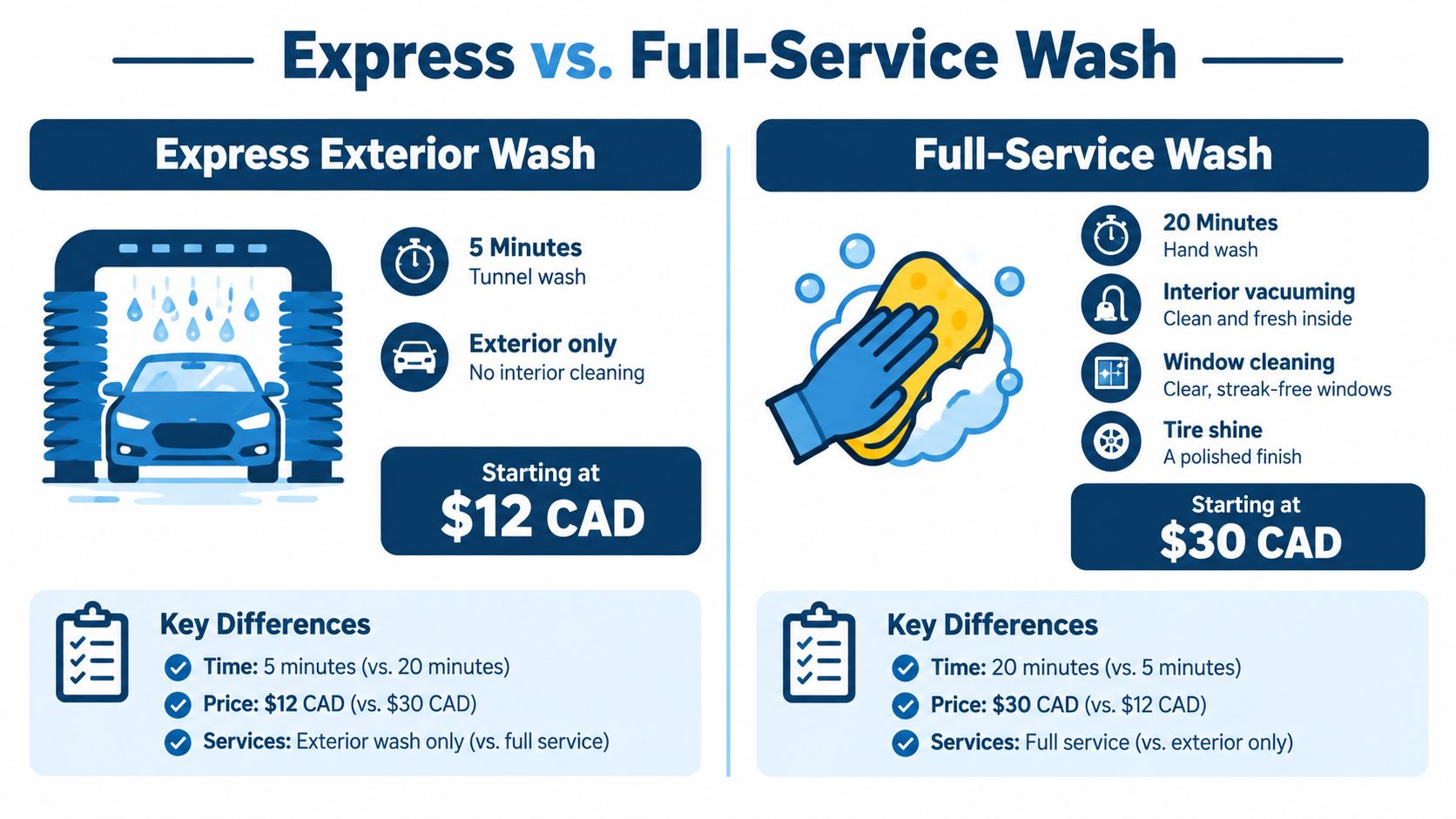
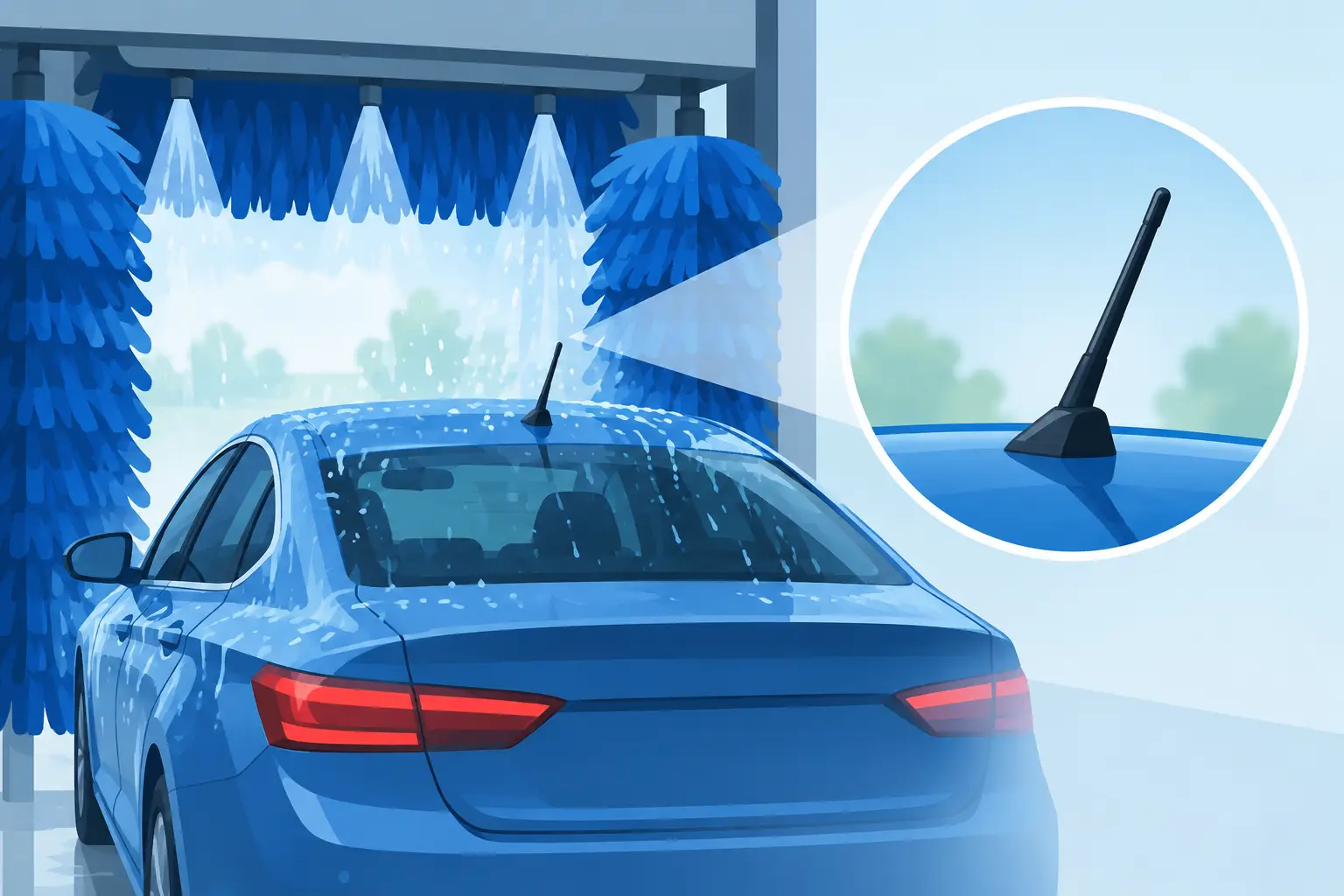
Express exterior wash: Choose this when the paint, glass, wheels, and exterior panels need a quick clean. The vehicle goes through an automated wash, with the service focused on removing surface grime rather than cleaning the cabin. It's the convenient pick when the car looks dirty outside but the interior can wait.
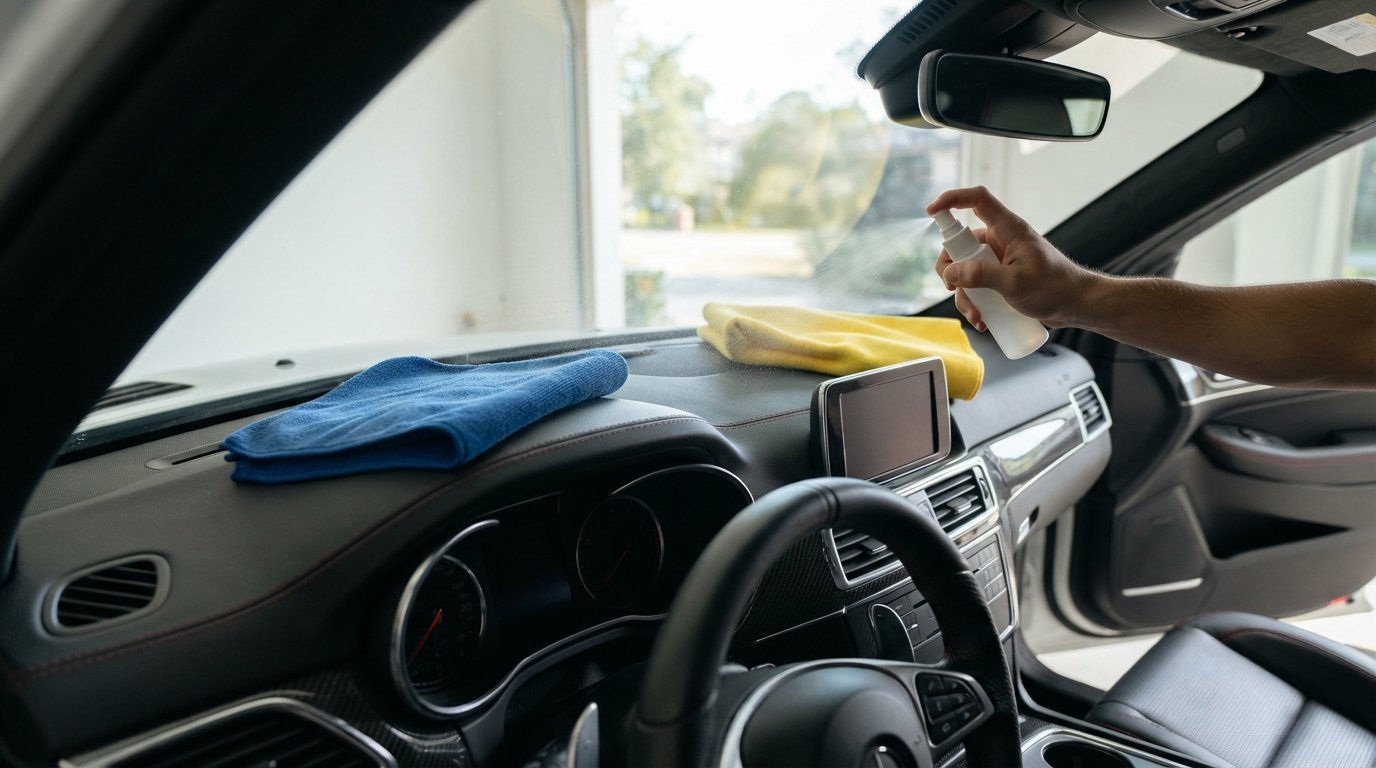
Full-service wash: Choose this when you want the exterior cleaned and the inside touched up as well. Depending on the package, that can include hand drying, vacuuming, dashboard and window cleaning, plus more detailed attention to door panels, consoles, or cup holders. It's a better fit after a week of commute snacks, wet shoes, and muddy floor mats.
At the pay station, make your decision based on what you'd be annoyed to leave behind. If your main complaint is salt film, an exterior option with an underbody wash may be enough. If the floor mats and windows are distracting you every time you get in, pay for the interior work rather than expecting an exterior tunnel to fix it. Actual wait and service times vary with the location, traffic, and package, so ask the attendant before you commit if you're on a tight schedule.
For home maintenance between professional visits, a useful primer is three-step car care from Vorsprung Autowerk. Treat it as background for caring for the vehicle, not a substitute for selecting a wash that handles the mess you have today.
Express Exterior Packages and What Each Upgrade Does
An express package is easiest to choose when you treat each upgrade as a response to a specific condition, rather than buying every button on the screen. Nanak's listed express exterior washes start at $9.99 plus tax, with presoak soap, foam bath, rinse, drying agent, and air blowers included. The right extras depend on what your car has picked up and how soon you expect to wash again.
Start with the basics. Presoak helps loosen surface dirt, foam covers the bodywork, and a rinse removes the loosened residue. Drying agent and air blowers help finish the exterior. If all you have is everyday dust or a light film, that may be plenty.
For winter driving, prioritize the underbody wash when it's offered. It targets road residue in places you can't easily reach with a bucket and garden hose. A second drying-agent application is a convenience upgrade if you want a more thorough drying finish, not a salt-removal step.
Spend on the upgrade that fits the weather
Triple foam wax is for drivers who want added shine. Hot wax and sealer wax are protection-oriented finishes, but neither replaces rinsing away salt or checking the vehicle for corrosion. Lava foam is a cleaning upgrade to consider when the exterior has heavier grime than a basic wash handles comfortably. Confirm the precise inclusions and price at the pay station, because the available package details don't establish a price for each add-on.
Here's the practical way to decide. After a salty commute, put your budget toward the underbody rinse before a shine-focused finish. If the car is already reasonably clean and you want a more finished look, a wax or sealer option may suit the occasion. If you haven't washed in a while and the bodywork is visibly dirty, choose a package intended for heavier grime rather than hoping an extra coat of foam will do the whole job.
Practical rule: In salt season, remove the road residue first. Treat shine and finish upgrades as extras, not as a replacement for cleaning.
Full-Service Wash Tiers in Plain Language
Full-service earns its place when you don't want a clean exterior paired with a grimy cabin. The starting package is listed at $29.99 plus tax and combines an exterior wash and hand dry with interior vacuuming, dashboard cleaning, and window cleaning. That's the sensible baseline for a car that needs a general reset but doesn't need a deep interior treatment.
Move up a tier only if the additional work matches the mess. A dusty dashboard and dirty windows may be handled by the base service; sand in the cup holders or smears on the console call for a package that includes those areas. Door panels and tire dressing are further upgrades in higher tiers. Ask the attendant to name the included tasks before you pay, because tier names alone don't tell you whether a particular spill or scuff is covered.
Think of the choice this way:
- Routine cabin upkeep: Vacuuming, dashboard attention, and clean windows are the priorities.
- Family-car debris: Look for a tier that explicitly includes door panels, consoles, and cup holders.
- Interior plus exterior finish: Choose a higher tier only when you'll use its added tire or trim work.
Full-service takes more coordination than a drive-through exterior wash, and busy periods can affect the wait. If you're arriving with a coffee spill, dried mud, or embedded pet hair, don't assume a standard wipe-down will remove it. Point out the problem before paying and ask whether it belongs in a detailing appointment instead.
The goal is not to buy the highest tier. It's to pay for the work that will make the car feel clean when you get back behind the wheel.
Detailing and Rust Proofing for Deeper Cleanups
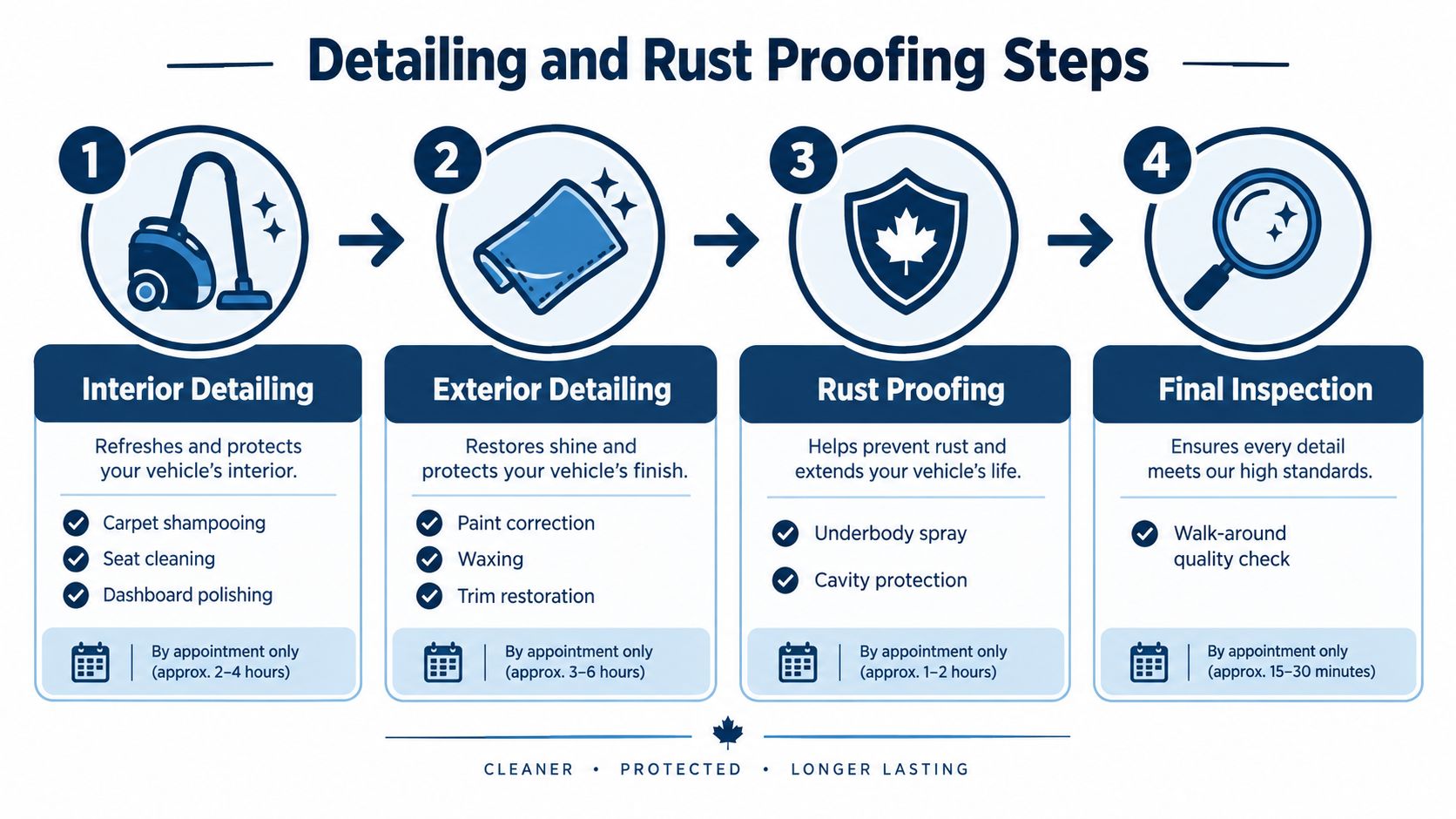
A regular wash removes surface dirt. Detailing is the next step when the interior has stubborn salt stains, the seats need shampooing, or grime has settled into vents and crevices. Appointment detailing can include carpet and seat shampooing, salt and stain removal, vent and crevice blowout, leather cleaning, and machine buffing or polishing. Nanak lists typical service duration of one to four hours, with possible surcharges for larger vehicles and pet hair.
Book detailing when a quick vacuum and wipe-down won't fix the problem. A seasonal interior reset can address dirt trapped in carpets and seats; exterior buffing and polishing are for a different need, such as paint that looks dull or has surface marks. Tell the provider what you want corrected before the appointment, particularly if pet hair or heavy staining is involved, and confirm which tasks the selected package includes.
Rust proofing is separate from a wash and should be considered on its own merits. The listed price range is approximately $119.95 to $149.95 plus tax, depending on vehicle size and the coverage selected. Ask what areas the application protects and how the provider prepares the vehicle. Don't treat it as a pay-station add-on or assume that a clean exterior means the underbody is protected.
For bigger vehicles, road trips, or an RV that needs a more specialised clean, a top RV cleaning supplies guide can help you think through the equipment and products involved. The key distinction remains: routine washing, deep detailing, and corrosion protection are different jobs, even when one provider offers all three.
Memberships Versus Prepaid Tickets Versus Pay As You Go
A monthly membership isn't automatically a bargain. Compare it against how often you'll wash, including the weeks when weather, work, or family plans get in the way. Statistics Canada reported that 69.4% of Toronto CMA commuters used a car, truck, or van as their main commuting mode in May 2025, and the average commute among the largest Canadian CMAs was 34.9 minutes (Statistics Canada's commuting data). Those numbers describe regional commuting patterns, not your personal wash frequency or whether an unlimited plan will save you money.
| Driving profile | Typical washes per month | Best option |
|---|---|---|
| Occasional driver who parks indoors | One or fewer, depending on conditions | Pay as you go |
| Regular North York commuter | Depends on road exposure and personal standards | Compare a monthly pass with prepaid tickets |
| Ride-hailing or delivery driver | Frequent, based on work and road conditions | Test whether a membership costs less than repeat visits |
| Small fleet with vehicles on the road regularly | Varies across vehicles and schedules | Compare membership eligibility with prepaid or fleet arrangements |
The comparison is a simple calculation: take the monthly fee and compare it with what you'd spend on the number of washes you expect to use. Check whether the plan covers the wash you want, whether there are restrictions, and what happens if you cancel. First-month promotions and the absence of activation or cancellation fees can make trying a plan easier, but a promotion doesn't make a low-use membership good value.
Prepaid tickets suit drivers who wash regularly but don't want a recurring monthly charge. They offer a set of visits without requiring you to predict that every month will be busy. Pay as you go is the cleaner choice for low-mileage drivers, people who mainly need periodic interior cleaning, or anyone who wants to decide visit by visit.
Recheck your choice as winter conditions change. Don't renew a membership out of habit if your driving pattern has shifted.
How Often to Wash in a Toronto Winter
There is no single wash schedule that fits every North York car. A daily commuter on busy roads picks up more salt and grime than someone who drives occasionally and parks indoors. Set your timing by road exposure and what's collecting on the car, not by a fixed calendar.
After a storm cycle with repeated salting, wash within a few days rather than waiting for a visible film to form on the paint. Check the wheel areas and lower body, where road residue tends to collect. An underbody rinse is a sensible choice when salt and slush have been building up; a basic exterior wash may be enough after lighter exposure.
Use these signs to choose the service:
- Salt on the bodywork or wheel areas: Choose an exterior wash that removes visible road film, and add an underbody rinse when available.
- Cabin dirt as well as exterior grime: Choose full-service if its vacuuming and interior cleaning match the mess.
- Stains, embedded dirt, or neglected surfaces: Book detailing. A routine wash won't solve deeper cleaning problems.
- Concern about corrosion: Ask about rust proofing separately. Washing removes residue, but it does not apply corrosion protection.
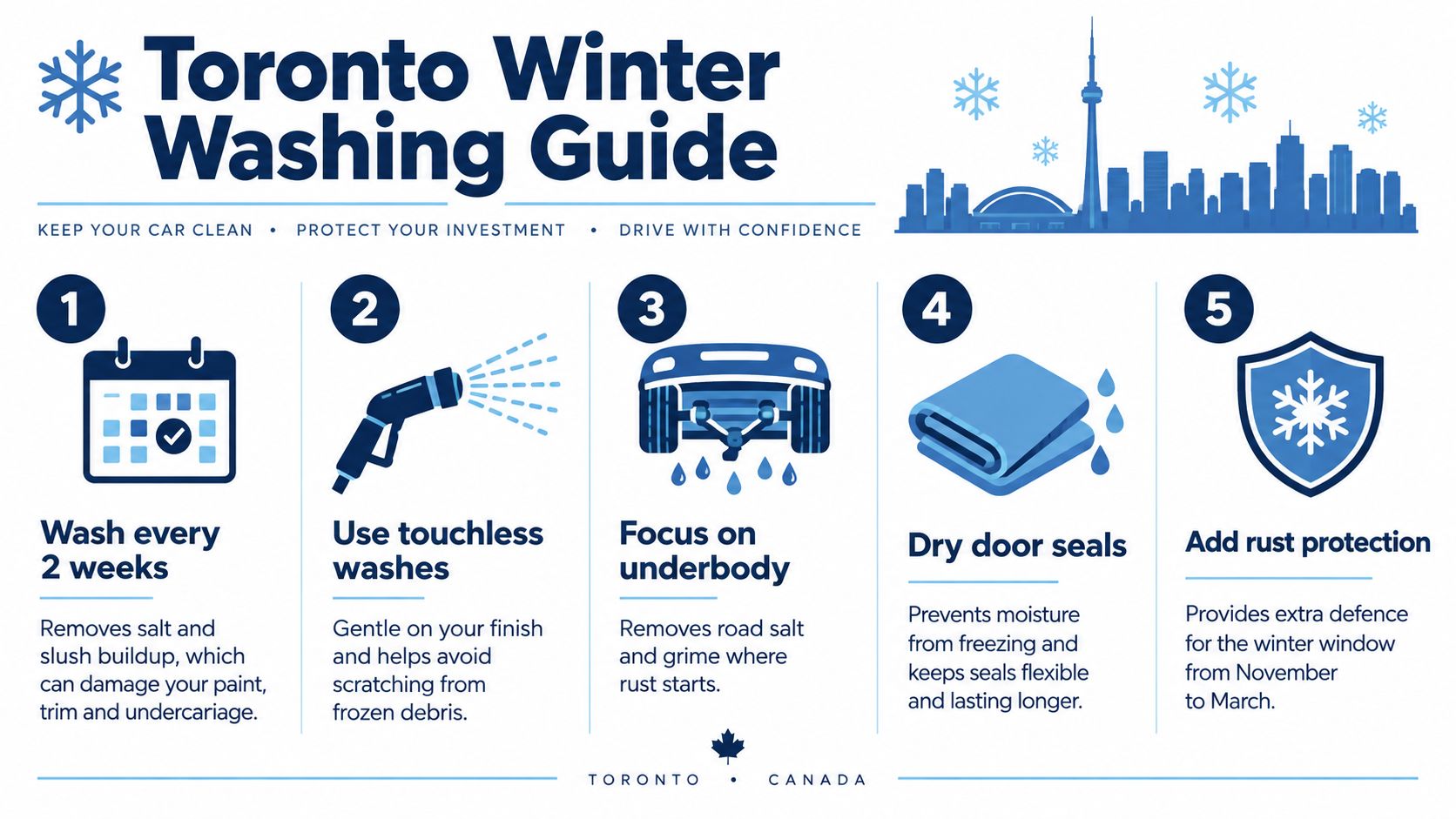
Match the wash to the job. Clear road residue first, then decide whether the interior needs deeper work or the vehicle needs a separate protective treatment. Don't buy rust proofing just because the car is dirty, and don't treat a wax upgrade as a substitute for an underbody rinse. For drivers covering the same salted routes day after day, consistency matters more than waiting until the grime is obvious.
What to Expect on a Typical North York Visit
If you're new to a wash, the easiest move is to tell the attendant what you're trying to clean before selecting a package. For an express visit, follow the lane instructions and stay in the vehicle if directed. The equipment and staff will guide you through the wash; don't open the door or change position unless you're told to do so.
For full-service, ask whether you should leave the vehicle and where to wait. Confirm what the selected tier includes, especially if you want attention to the console, cup holders, door panels, or a particular stain. At locations with free vacuums, check whether they're available to customers after the wash. Availability can vary by site.
Show a prepaid ticket or membership at the pay station before you pay for a single visit. If something in the finished wash doesn't meet expectations, point it out promptly and calmly so staff can see the area and explain what can be corrected.
Detailing and rust proofing may require an appointment rather than a quick lane visit. Book ahead, describe the vehicle and the work you need, and ask how long to leave it. If you're planning more than one service on the same day, confirm the schedule directly instead of assuming everything will be completed during a standard wash stop.
Behind the Scenes Signals of a Well-Run Car Wash
A tidy waiting area is nice. The details that matter more are whether staff explain the package, the equipment appears maintained, and the wash area keeps water and runoff under control. A fast sale is not a substitute for knowing what the service includes.
Fresh water and a combination of automated equipment and hand-applied finishing steps are useful things to ask about. Nanak states that it uses 100% fresh water and combines modern equipment with hand-applied work by trained staff. Those are provider statements; when comparing locations, ask what the wash process includes rather than assuming every site uses the same setup.
Membership terms also deserve a quick check before you hand over payment details. Confirm how the membership renews, how to cancel, which washes it covers, and whether any upgrade or vehicle-size restriction applies. Secure electronic payment is a sensible operational feature, but the practical test is whether the terms are clear and you can find them before enrolling.
A good attendant can explain the difference between the package you're considering and the next tier without making you feel rushed.
Look for clean equipment and an orderly wash area. If you're choosing a location for repeated visits, check whether it also offers the other services you may need, such as interior cleaning or appointment detailing. Convenience matters, but only when the provider makes it easy to understand what you're paying for.
Environmental and Compliance Basics Worth Knowing
A car wash has to manage more than dirt. In Toronto, vehicle-wash water must not drain into outdoor catch basins or storm sewers because it can carry soap, oil, grease, antifreeze, and automotive residue. Commercial wash facilities are expected to treat wastewater and discharge it to the sanitary sewer, where it can receive further treatment (Toronto's rules for washing cars and outdoor surfaces).
For a driver, the behind-the-scenes test is whether the facility appears designed to keep wash water contained. Toronto's automotive-service guidance recommends separating wash areas from uncontrolled roof and site drainage, routing wash water through sand-and-grit interceptors, and using oil-interceptor systems where applicable. Staff shouldn't be directing oily engine or parts wash water into ordinary systems without following the relevant handling requirements.
Water use is another operating measure, not just an environmental talking point. The Capital Regional District reports that well-maintained self-serve facilities typically use about 60 litres per vehicle without recycling, while automatic systems with recycling can use less than 30 litres per vehicle (vehicle-wash water-efficiency guidance). Those benchmarks can help operators track usage, calibrate nozzles, and spot leaks. They don't replace proper wastewater treatment.
In plain language, look for an isolated wash area, drains that route wash water to the approved treatment system, and no obvious mixing of wash water with storm runoff. Salt and grit coming off a car still need to be captured and managed responsibly.
Quick Reference Guide to Every Service and Package
Use this table as a starting point, then confirm the exact inclusions and price at the location. Starting rates and vehicle surcharges can vary by service, package, and vehicle.
| Service | Starting price | Best for |
|---|---|---|
| Express exterior wash | $9.99 plus tax | A quick exterior clean with the standard wash steps |
| Underbody wash | Ask at the pay station | Winter road residue beneath the vehicle |
| Drying-agent upgrade | Ask at the pay station | Drivers seeking an enhanced drying finish |
| Triple foam wax | Ask at the pay station | A shine-focused finish |
| Hot wax or sealer wax | Ask at the pay station | Drivers considering a wax or sealant upgrade |
| Lava foam | Ask at the pay station | Heavier exterior grime |
| Full-service wash | $29.99 plus tax | Exterior cleaning plus interior vacuuming and surface care |
| Higher full-service tiers | Ask at the pay station | Door panels, consoles, cup holders, or tire dressing |
| Detailing appointment | Quote required | Shampooing, salt and stain removal, leather care, or polishing |
| Rust proofing | Approximately $119.95 to $149.95 plus tax | A separately booked protective treatment, priced by vehicle size |
| Unlimited monthly membership | Confirm current offer and terms | Frequent washers who have checked the break-even |
| Prepaid wash tickets | Confirm current bundle | Repeat visitors who prefer not to pay monthly |
| Pay as you go | Price of selected visit | Occasional washes and one-off interior needs |
If you're unsure, describe the mess first. “Salt on the underbody,” “dirty mats and cup holders,” and “stained carpet” point to different services.
Matching the Right Service Mix to Your Driving Life
Your best fit depends on how the vehicle earns its keep and what the roads leave behind.
- Daily commuter: Start with an express exterior wash when road film is the main problem. Compare a membership with prepaid tickets using your real visit pattern, and consider full-service when the cabin needs regular attention.
- Ride-hailing or delivery driver: Frequent road exposure makes a repeat-wash option worth comparing. Don't pay for interior detailing every visit; book it when everyday cleaning no longer handles the mess.
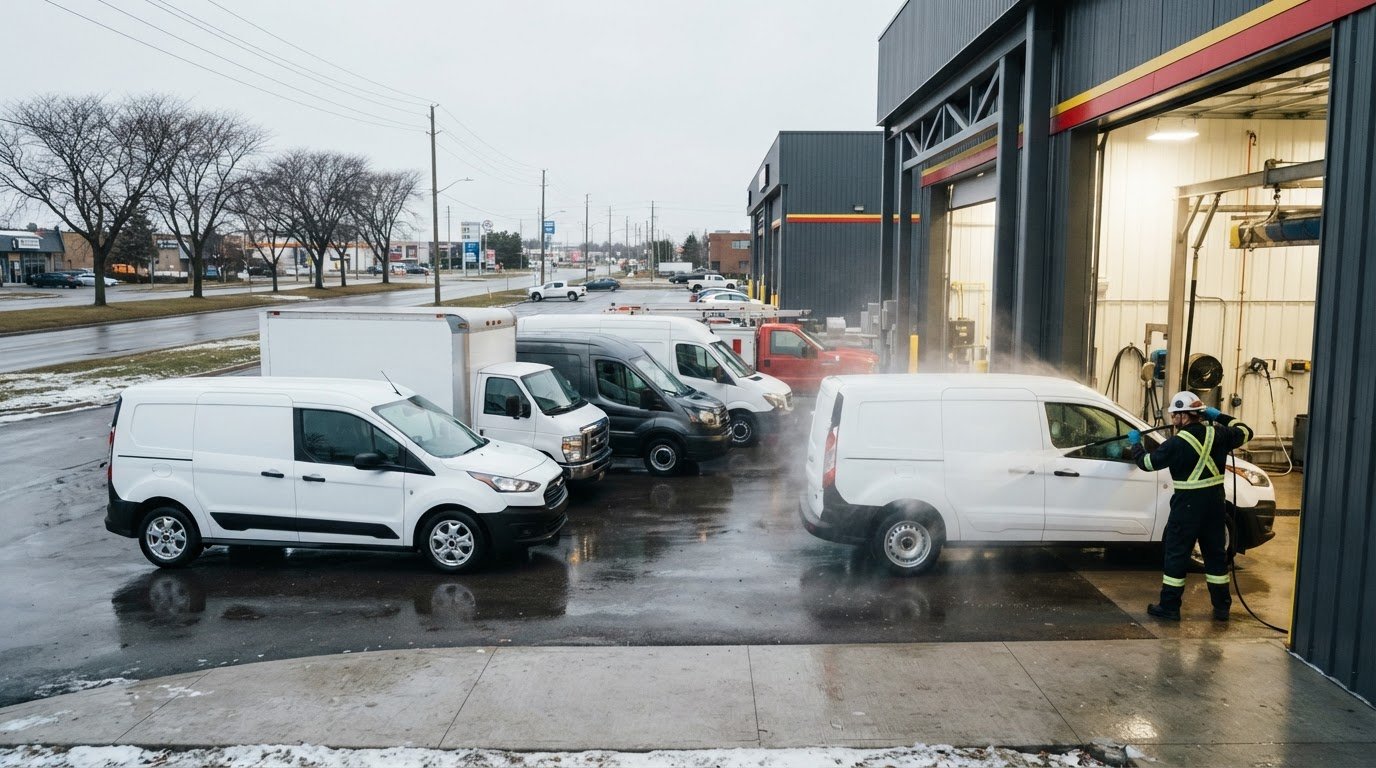
- Small-business fleet manager: Ask for a clear service scope and a payment arrangement that works across the vehicles you manage. Keep routine washes separate from deeper cleaning or protective treatments.
- Dealership or rental operator: Prioritize consistency and confirm how the provider handles volume, scheduling, and vehicle presentation. Match the service to turnover needs rather than ordering a deep detail for every vehicle.
- SUV, van, or pickup owner: Confirm vehicle-size pricing before booking. If the interior needs shampooing or the exterior needs more than a wash, ask about detailing; consider rust proofing separately rather than treating it as an express-wash upgrade.
For a local option that combines express and full-service washing with appointment detailing and rust proofing, Nanak Car Wash offers several service types and payment choices. Match the package to your vehicle's condition, check the current terms, and visit Nanak Car Wash to choose the service that fits your North York driving routine.

 6600 Finch Ave W, Etobicoke, ON M9V 3Z6

 647-703-8515
 MON – SUN 8 AM to 7 PM