
Ceramic coating in the GTA typically costs about CAD 599 to CAD 2,500+, depending on the package, vehicle size, coating type, and paint preparation. Toronto pricing commonly breaks into entry-level coatings at CAD 399 to CAD 599, professional coatings at CAD 599 to CAD 899, professional packages with correction at CAD 900 to CAD 1,400, and premium multi-year systems at CAD 1,500 to CAD 2,500+ (Toronto ceramic coating pricing guide).
That range is wide enough to make almost every quote sound suspicious. One shop offers a tempting special, another talks about multi-year protection, and both use the words “ceramic coating.” The bottle usually isn't the reason for the difference. Preparation, correction, vehicle size, shop time, and the level of aftercare decide whether you're buying useful protection or an expensive layer over dirty, swirled paint.
I've seen customers focus on the coating's advertised lifespan while ignoring how they use the car. A garage-kept weekend vehicle and a salt-covered commuter running through Mississauga every day don't need the same package. The sensible way to judge ceramic coating cost is to look at the total ownership spend over two to five years, then compare it with sealants, regular washing, and the value you place on easier maintenance.
Table of Contents
- What Drivers in the GTA Pay in 2026
- The Four Things That Move the Price
- Ceramic Coating vs Wax and Sealants
- Inside the Shop on Application Day
- When Ceramic Coating Is Not Worth It
- How to Pick the Right Shop in the GTA
- Matching the Right Option to Your Driving Life
What Drivers in the GTA Pay in 2026
The GTA market generally falls into four practical price bands. Entry-level work runs around CAD 399 to CAD 599, usually for smaller vehicles with lighter preparation. Professional consumer-grade systems sit around CAD 599 to CAD 899. Packages that include meaningful paint correction commonly cost CAD 900 to CAD 1,400, while premium multi-year services can reach CAD 1,500 to CAD 2,500+ (2026 Toronto pricing breakdown).
Vehicle size creates another clear price difference. An Ontario guide lists sedan and coupe packages starting at CAD 699, SUVs at CAD 779, pickups at CAD 855, and a Platinum package reaching CAD 2,065 for an XL SUV (Ontario ceramic coating price guide). A larger vehicle requires more panel cleaning, edge work, masking, inspection, and coating time. You are paying for labour and surface area, not more product.
The price ladder
| Tier | Price Range (CAD) | Lifespan | Included Prep | Best Fit |
|---|---|---|---|---|
| Entry-level | CAD 399 to CAD 599 | Short-term or basic protection | Wash and light preparation | Small cars with modest expectations |
| Professional | CAD 599 to CAD 899 | Consumer-grade, multi-year positioning | Decontamination and limited polishing | Newer daily drivers |
| Correction-focused | CAD 900 to CAD 1,400 | Professional 2 to 3 year systems | Decontamination, clay treatment, and at least one correction stage | Daily-driven cars with visible swirls |
| Premium | CAD 1,500 to CAD 2,500+ | Longer-life packages | Extensive correction and controlled application | Owners keeping a valuable, new, or special vehicle |
Treat lifespan claims as package descriptions, not guarantees. A professional Toronto package around C$900 to C$1,400 is commonly positioned as a consumer-grade 2 to 3 year system, while 5-year professional coatings are commonly priced around C$1,400 to C$2,200 (GTA ceramic coating cost analysis). Maintenance, parking, washing technique, and winter exposure still determine how long the coating performs.
Judge the quote against your total ownership spend over two to five years, not the sticker price. A coating can reduce maintenance effort, but a higher price does not automatically deliver better value on a daily-driven Ontario vehicle.
If your paint is new and clean, skip correction-heavy work unless inspection shows a real need. If years of tunnel washing, salt film, and visible swirls are present, proper preparation matters more than buying the most expensive coating. Paying for premium chemistry over poorly prepared paint is false economy.
The Four Things That Move the Price
A CAD 599 quote and a CAD 2,500+ quote can both be legitimate. They usually cover different amounts of product, surface area, preparation, and labour, rather than reflecting different profit margins. Judge either quote against the vehicle's expected ownership spend over two to five years, because the higher sticker price does not automatically mean better protection for a daily-driven Ontario vehicle.
Product grade is only one part
Lower-priced services may use a consumer-grade coating or a coating-like spray. Professional systems usually include a defined installation process and clearer warranty terms. Premium packages may add more layers or longer manufacturer support, but expensive chemistry will not conceal oxidation, sanding marks, or swirls left underneath.
The coating chemistry matters, but the installer cannot polish a dirty panel with chemistry.
Ask what the product is designed to do, how it is applied, and what maintenance the package requires. A longer stated lifespan describes the package, not a guarantee. Parking conditions, washing technique, road salt, and upkeep still decide how the finish performs.
Vehicle size changes the work
A sedan has less paint and fewer difficult sections than a truck or three-row SUV. Larger vehicles bring more vertical panels, roof area, trim, seams, and awkward areas that take longer to clean, inspect, mask, and coat. GTA pricing commonly starts around C$599 for a sedan, C$699 for an SUV or crossover, and C$799 for a truck, minivan, or large SUV (GTA vehicle-size pricing).
Those starting figures describe vehicle size, not the complete job. Paint condition and the requested correction work can move the final invoice substantially.
Preparation creates the biggest swing
Ontario vehicles collect bonded contamination that a routine wash leaves behind. Iron fallout, tar, brake dust, winter salt, and road film need removal before polishing. A credible package may include decontamination, clay treatment, at least one correction stage, coating application, and curing. That preparation explains why a properly executed job costs more than a quick spray-and-wipe service.
If the paint is new and clean, do not pay for correction-heavy work without an inspection showing a real need. If tunnel washing, salt film, or visible swirls have built up, preparation deserves more attention than the most expensive coating.
Labour is the invoice
Local installers cite 6 to 10 hours of application time, followed by a 24-hour curing window before water exposure (Toronto installation timing). The work includes lighting checks, panel-by-panel application, masking, wipe-downs, inspection, and controlled storage. A climate-controlled bay and trained installer cost more than a rushed application in an open garage, while temperature and humidity affect how the product flashes and levels.
| Cost Driver | Lower End Impact | Higher End Impact | Typical CAD Swing |
|---|---|---|---|
| Product grade | Basic coating or sealant-style product | Professional or premium system | Part of the broad CAD 399 to CAD 2,500+ market spread |
| Vehicle size | Sedan or coupe | Pickup, minivan, or large SUV | Starting prices can rise from CAD 599 to CAD 799 |
| Prep work | Wash and light polish | Decontamination plus correction | Often the difference between a basic quote and CAD 900 to CAD 1,400 |
| Labour | Short application in a basic setup | Full-day correction and controlled curing | Drives the final quote more than the bottle itself |
Ask the shop to list all four items on paper. A quote that gives only a coating brand and one total price leaves you guessing about the work.
Ceramic Coating vs Wax and Sealants
Ceramic coating isn't automatically the cheapest form of paint protection. It can be cheaper over several years, but only when you maintain the vehicle and value the reduced upkeep. If you already wash carefully and apply protection yourself, a coating may be a convenience purchase rather than a financial win.
Wax offers the warmest, deepest look for many show-car owners, but it needs regular renewal. Synthetic sealants generally last longer and demand less attention than wax, although they still need periodic reapplication. Ceramic coatings provide a harder, more chemically resistant surface and make routine cleaning easier, but they cost much more upfront and don't prevent stone chips or careless washing marks.
The honest comparison: don't compare a coating with one wax application. Compare the complete maintenance routine over the period you expect to own the car.
The common planning examples below illustrate the ownership logic. A CAD 120 wax job lasting 6 to 8 weeks works out to roughly CAD 40 to CAD 60 per month if reapplied seasonally. A CAD 90 sealant lasting 4 to 6 months runs about CAD 15 to CAD 25 per month. A CAD 1,200 coating lasting five years works out to roughly CAD 20 per month, before maintenance visits and washing supplies.
| Option | Upfront Cost (CAD) | Realistic Lifespan | Approx. Monthly Cost | Best For |
|---|---|---|---|---|
| Professional wax | CAD 120 | 6 to 8 weeks | CAD 40 to CAD 60 | Weekend cars and appearance-focused owners |
| Synthetic sealant | CAD 90 | 4 to 6 months | CAD 15 to CAD 25 | Budget-conscious commuters |
| Ceramic coating | CAD 1,200 | Five years in the planning example | Roughly CAD 20 | Owners who want lower upkeep and long-term protection |
These figures are useful for comparison, not promises. Wax gives visual richness but needs frequent attention. Sealant gives a sensible middle ground. Ceramic makes the most sense when you dislike waxing, keep the vehicle for years, or park it in conditions where easier cleaning has real value.
For a leased commuter, choose a sealant and regular detailing. For a new vehicle you plan to keep, ceramic becomes more reasonable. For a weekend show car, the decision is less about saving money and more about preserving a finish you enjoy looking after.
Inside the Shop on Application Day
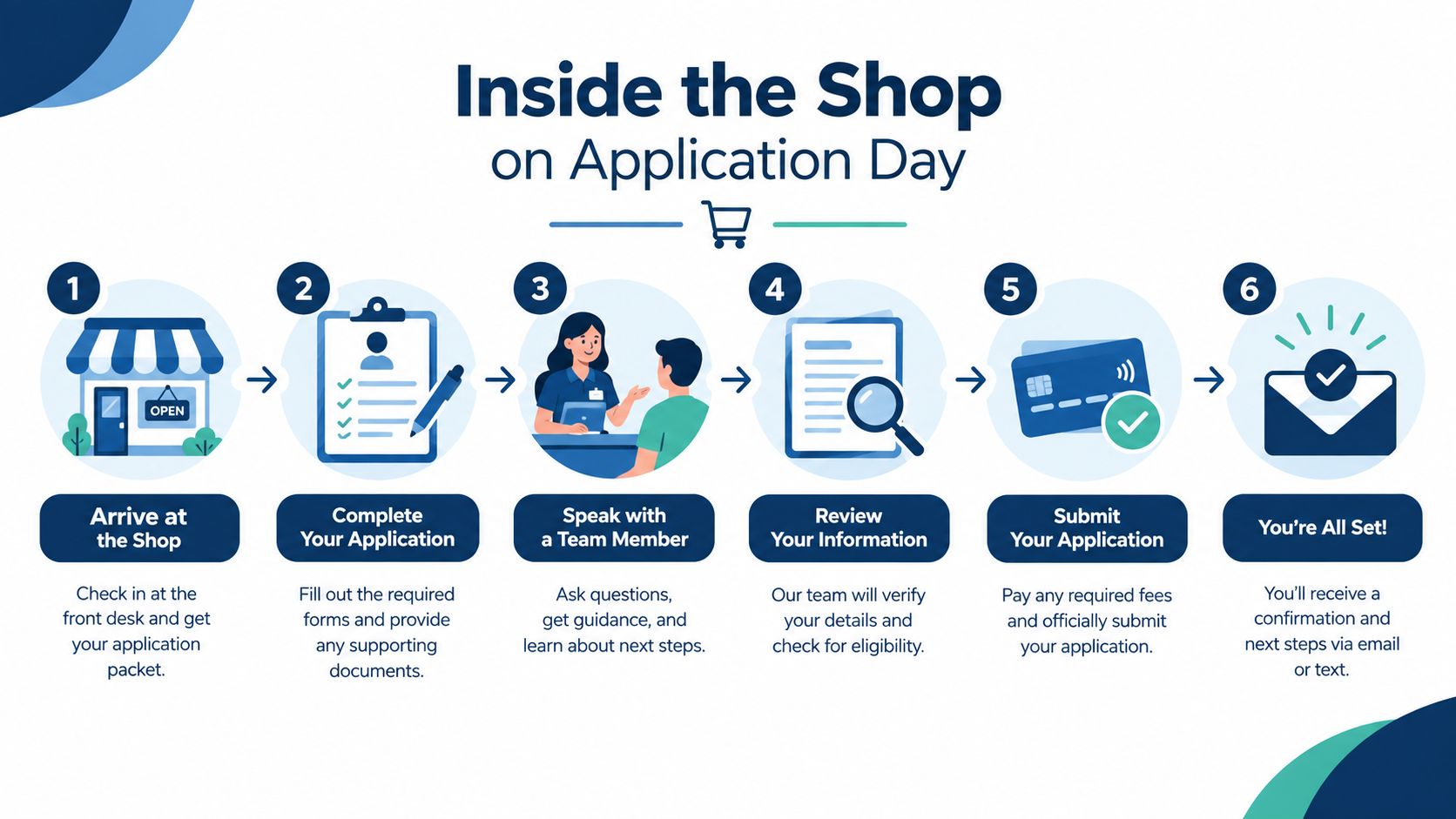
A proper installation day is preparation first. The coating bottle is a small part of the invoice and stays unopened until the paint is clean, smooth, and ready for application.
The process begins with an intake wash and inspection under strong lighting. The installer checks scratches, water spots, oxidation, repainted panels, stone chips, and existing protection. That inspection confirms whether the original quote still fits. A black daily driver with heavy wash marks needs a different correction plan from a nearly new white sedan.
Decontamination comes before polishing
The shop uses an iron fallout remover to dissolve bonded metallic particles, followed by a clay bar to lift contamination from the paint. Tar remover may be needed around wheel arches, lower doors, and behind the wheels. GTA winter conditions make this work important because salt and road film cling to areas a pressure rinse cannot fully clean.
Once the paint feels smooth, the installer selects the correction level. A single-stage polish can improve gloss and reduce lighter defects. Heavier swirls or neglected paint may require compounding followed by a refining polish. The coating preserves the finish beneath it, so rushed preparation preserves defects too.
Application demands control
After polishing, the installer wipes each panel with isopropyl alcohol or dedicated panel prep to remove polishing oils. The coating goes on in sections, is levelled before it over-cures, and is checked under focused lighting for high spots or uneven residue.
The vehicle stays indoors during the initial curing period. GTA installers commonly recommend a 24-hour curing window before water exposure. Total job time depends on vehicle size and the preparation required. At hand-off, the owner should receive wash instructions: use pH-neutral soap and clean wash media, and avoid automatic brushes during the early cure.
Your responsibility begins after the installer finishes. A coating still requires safe washing, careful drying, and periodic inspection. Neglect does not turn a good coating into permanent protection. If you will not follow that routine, spend less on a simpler protection option.
When Ceramic Coating Is Not Worth It
Ceramic coating is a poor spend for some GTA drivers. Judge it by the full two-to-five-year ownership cost, not the sticker price. The sales pitch highlights gloss, water behaviour, and durability, yet those benefits do not automatically justify the package for a short-term owner or a neglected daily driver.
A lease-return customer is usually a weak candidate. If you return the vehicle at the end of the lease, you may not recover the installation cost through resale value. A good synthetic sealant and careful washing protect the appearance without tying up money in a premium service you will not enjoy for long.
The same logic applies if you plan to trade within a year. The coating can make washing easier, but a short ownership window gives the upfront cost little time to pay off. Decide whether you want lasting protection or a tidy car at hand-back.
Older paint needs a reality check
A heavily swirled off-lease vehicle also needs an honest assessment. Coating over damaged paint preserves the defects rather than restoring the finish. If you will not pay for correction, choose a simpler protection routine and spend the difference on properly cleaning and preparing the surfaces.
Street parking brings another limitation. A coating can make routine washing easier, but it still faces Ontario salt, construction dust, bird droppings, ice contamination, and careless contact. A vehicle parked outside year-round and rarely washed will not receive the full value of an expensive package. Neglect remains the deciding factor.
My blunt recommendation: if you already wash every few weeks and apply a quality synthetic sealant twice a year, ceramic coating will mainly buy convenience. It will not produce a dramatic financial return.
Ceramic still makes sense for a new vehicle, a garage-kept weekend car, or a daily driver whose owner dislikes waxing and will follow the wash instructions. It also suits owners who want a consistently clean-looking vehicle without repeatedly booking exterior protection.
For many commuters in Etobicoke, Mississauga, and Scarborough, a disciplined sealant routine and careful washing deliver most of the visual benefit at a much lower initial cost. A higher-priced coating does not always provide better real-world protection on an Ontario daily driver. Buy it when the maintenance and ownership benefits fit your life, then keep the vehicle clean enough for the coating to earn its place.
How to Pick the Right Shop in the GTA
Start with the quote, not the sales language. Ask for the specific coating brand and version, the vehicle-size category, the included correction stage, the estimated labour time, the curing arrangement, and the warranty conditions. “Professional ceramic” isn't a product specification.
Questions worth asking before booking
- Which product is being installed? Get the exact name and version in writing. A shop that won't identify the product has made comparison impossible.
- What preparation is included? Look for decontamination, clay treatment, panel prep, and a clearly described polish or correction stage.
- How much correction time is budgeted? A newer car may need light polishing, while an older car may need more substantial work. The quote should acknowledge that difference.
- Where will the car cure? Ask whether the vehicle stays in a clean, climate-controlled bay during the initial curing period.
- Who installs it? Manufacturer certification doesn't guarantee perfect work, but it gives you a concrete credential to verify.
- What does the warranty require? Confirm maintenance visits, registration, inspection rules, exclusions, and whether the warranty follows the vehicle.
A phone quote without an inspection is a warning sign, particularly for an older or heavily used vehicle. A CAD 399 special can also be misleading if “ceramic” means a ceramic-infused sealant with minimal preparation. Shops that coat over contaminated wheels, skip paint inspection, or promise a warranty without paperwork deserve your scepticism.
The owner should receive the warranty card and any product serial number in writing. That documentation gives you something tangible for future maintenance and resale conversations. It doesn't make the coating increase the vehicle's value automatically, but it shows what was installed and what obligations apply.
| Signal | Green Flag | Red Flag |
|---|---|---|
| Product description | Exact brand and version named | “Premium ceramic” with no product details |
| Paint preparation | Decontamination and correction clearly listed | Wash-only application presented as full prep |
| Inspection | In-person assessment before final quote | Guaranteed phone price for every vehicle |
| Curing | Indoor, controlled curing plan | Immediate outdoor hand-off with no instructions |
| Warranty | Written terms, registration, and serial information | Verbal warranty or vague lifetime language |
| Quote comparison | Same product and prep listed across shops | One quote includes polish, another doesn't |
Compare two written quotes only after they name the same product, the same preparation steps, and comparable correction time. Otherwise, you're comparing a haircut with a full renovation because both sellers used the word “finish.”
Matching the Right Option to Your Driving Life
Your parking and washing habits matter more than the badge on the hood. Use this framework before choosing a tier.
| Driver Type | Annual KM | Recommended Tier | Wash Schedule | Monthly Cost |
|---|---|---|---|---|
| Garage-kept weekend owner | 2,000 km | Premium package if the finish matters | Regular gentle washing and annual inspection | Calculate from the written quote and expected ownership period |
| Ride-hail or delivery driver | 40,000 km | Mid-tier professional system | Every two weeks, especially through salt season | Divide the installed price by the months you'll keep it |
| Lease-return customer | Not specified | Sealant and periodic detailing | Regular washing with seasonal protection | Usually lower than a premium coating commitment |
| GTA commuter in an older Civic | Not specified | Sensible professional package, not boutique tier | Consistent washing and seasonal protection | Use the quote, not the marketing lifespan |
The garage-kept weekend owner can justify premium preparation because the vehicle is clean, visible, and likely to stay in the family. The ride-hail driver needs practical protection and strict washing, not an extravagant package that gets neglected under daily highway grime.
A lease-return customer should put the money into safe washing, interior care, and a quality sealant. The older commuter should choose a reputable shop with a transparent package, then keep the routine simple. Booster products and annual inspections are only worth paying for when the warranty requires them or the owner will use them.
Choose the least expensive option that matches your paint condition, ownership period, parking situation, and willingness to maintain it. Ceramic coating cost becomes sensible when those four answers line up. If they don't, spend less and wash better.
Nanak Car Wash offers express and full-service washes, appointment-based interior and exterior detailing, ceramic-safe maintenance options, and rust proofing at GTA locations. If you want a practical maintenance routine before committing to a coating, visit Nanak Car Wash and ask which service fits your vehicle and driving habits.

 6600 Finch Ave W, Etobicoke, ON M9V 3Z6
 647-703-8515
 MON – SUN 8 AM to 7 PM