
In the Greater Toronto Area, a basic exterior detail typically runs C$100–C$200 for sedans and C$150–C$300 for SUVs and trucks, while full correction work can climb to C$250–C$1,200. That's the practical answer to exterior car detailing cost, but the right price depends on whether you're paying for cleaning, winter protection, or paint restoration.
A tunnel wash can make a dirty vehicle look presentable for a few minutes. A proper exterior detail is a different purchase. You're paying for hand work, decontamination, drying, and protection, not just more soap. The mistake I see most often is choosing a package by its product names instead of asking what each step will do for the vehicle.
For GTA drivers, the useful question isn't “What's the cheapest detail?” It's “Which work will protect my paint and remove the contamination my car faces?”
Table of Contents
- What Exterior Car Detailing Costs in the GTA
- Exterior Detail vs Basic Car Wash
- The Four Main Factors That Drive the Price
- Add-Ons That Are Worth the Extra Dollars
- Typical Price Tiers from Quick Wash to Paint Correction
- Memberships, Bundles, and Other Ways to Bring the Cost Down
- Choosing the Right Package for Your Vehicle and Schedule
What Exterior Car Detailing Costs in the GTA
A GTA exterior detail generally starts at C$100–C$200 for a sedan and C$150–C$300 for an SUV or truck, according to Riverside Detailing's 2026 overview. Add machine polishing or paint correction, and the range rises to roughly C$250–C$1,200, depending on whether the job needs one polishing stage, two, or more intensive work, as outlined in IBISWorld's Ontario car wash and auto detailing data.
The price gap reflects labour, not just product. A sedan with light road film may need washing, wheel cleaning, chemical decontamination, clay treatment, drying, and sealant. A neglected SUV can require repeated iron and tar removal, detailed trim cleaning, and several machine-polishing passes.
Shop-owner rule: If a quote does not specify decontamination and protection, you are comparing package names rather than services.
A regular tunnel wash usually sits near C$10–C$30. Toronto-area pricing guides place basic exterior washes around C$89–C$130 and more complete exterior details around C$180–C$320, as shown by Toronto-area detailing pricing. The difference covers hand labour, inspection, and consumables. A tunnel wash prioritizes speed, while detailing addresses bonded contamination and leaves the finish protected.
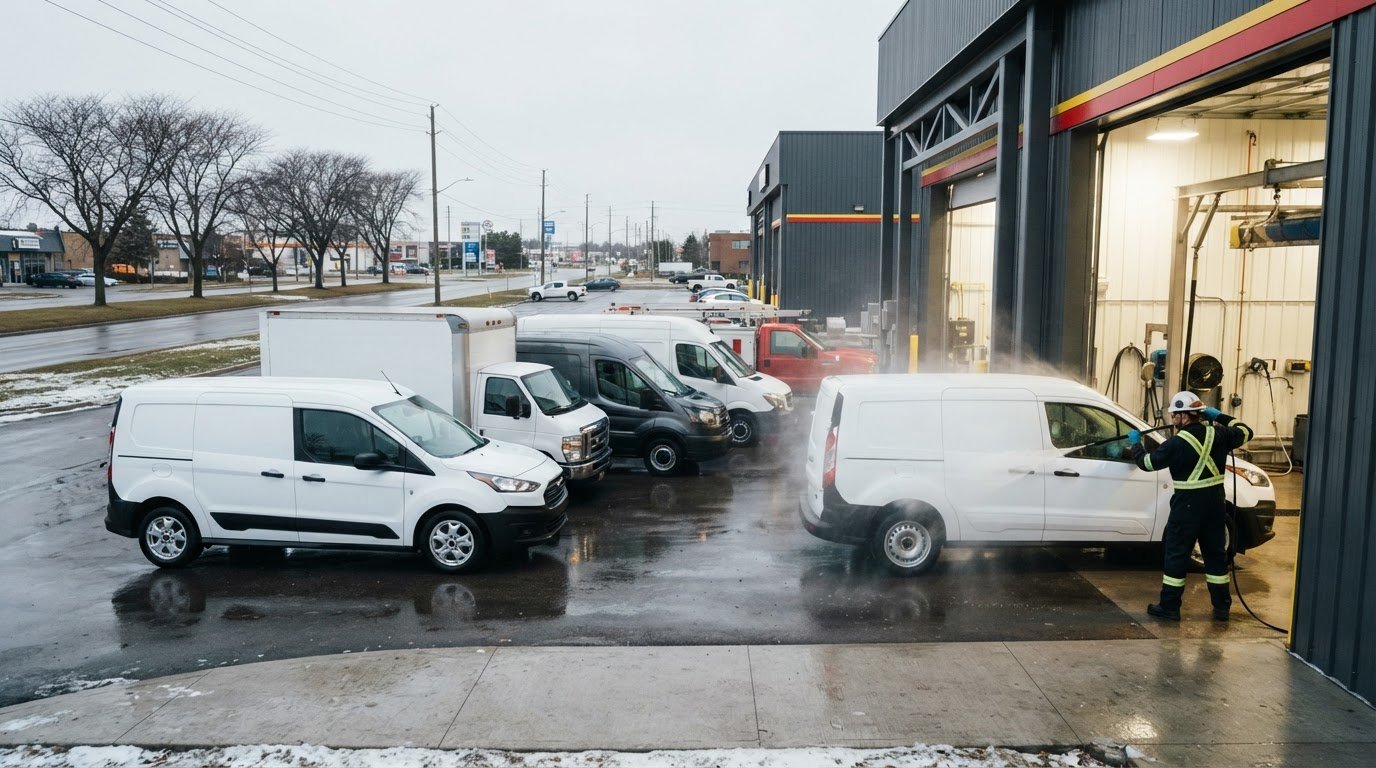
Location changes the quote. Downtown Toronto shops often carry higher bay and water costs than facilities in Mississauga, Brampton, or Vaughan. Mobile operators may charge differently because travel, setup, and weather exposure are part of the appointment.
Use the same test for every add-on. Underbody washing and winter protection usually earn their place. Decorative upsells often don't. Pay for a step only when it solves a clear problem, such as salt buildup, exposed paint, or visible surface defects.
Exterior Detail vs Basic Car Wash
A basic wash removes loose dirt. An exterior detail works through the dirt that has bonded to the paint, wheels, glass, trim, and lower panels.
A competent exterior detail usually follows a deliberate sequence:
- Pre-rinse: The technician loosens loose grit before touching the paint.
- Foam cannon dwell: A thick pre-soak breaks down road film while reducing the chance of dragging grit across the finish.
- Two-bucket hand wash: One bucket holds shampoo solution and the other rinses the mitt. A grit guard keeps heavier particles away from the mitt.
- Wheel and wheel-well cleaning: Dedicated brushes and cleaners address brake dust, mud, and salt residue.
- Decontamination: Tar, iron particles, tree sap, and other bonded material need chemical treatment or a clay mitt.
- Hand drying: A waffle-weave towel or controlled air removes water from seams, mirrors, badges, and trim.
- Protection: Wax, sealant, or another protective product leaves the surface easier to maintain.
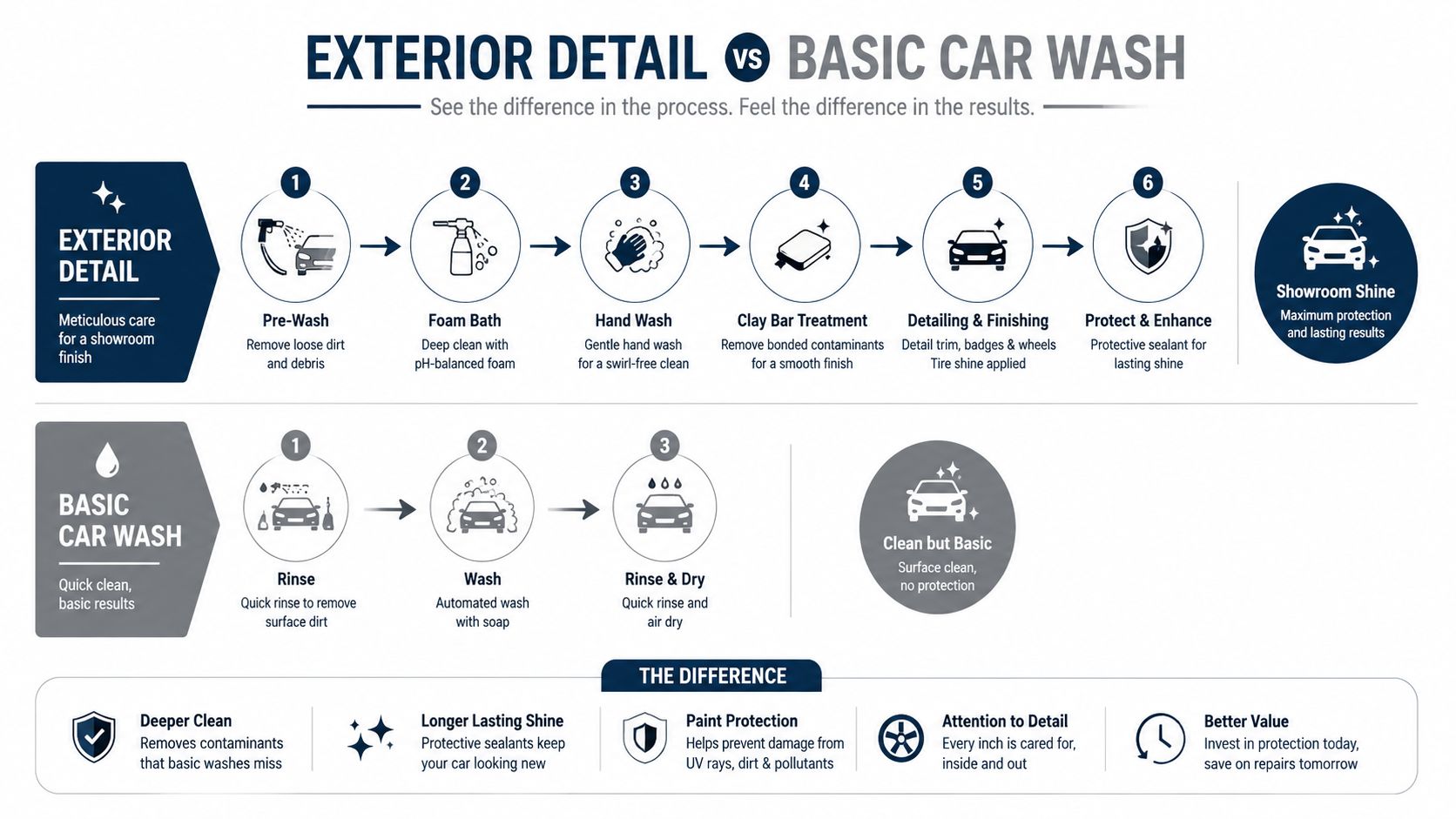
An express wash is closer to soap, brushes, rinse, and blower. It can be useful between details, especially when a vehicle needs frequent cleaning, but it generally doesn't include bonded-contaminant removal or careful paint inspection.
The time difference explains much of the price difference. A sedan exterior detail commonly takes roughly 90–180 minutes, while an express wash can take about 5 minutes, according to the service comparisons supplied for this guide. That isn't a minor difference in technique. It's the difference between a quick surface clean and a technician working around wheels, seams, trim, paint defects, and contamination.
A wash maintains a reasonably clean vehicle. A detail resets the surface and adds a layer of protection.
This is the baseline. Vehicle size, condition, correction depth, and optional protection steps are what push the final invoice higher.
The Four Main Factors That Drive the Price
A quoted exterior detail can vary by hundreds of dollars because four variables change the labour involved. I price the job by the work required, not by the badge on the hood.
Vehicle size
As noted above, sedan pricing starts around C$100–C$200. Larger SUVs, crossovers, trucks, and three-row vehicles cost more because they bring additional panels, wheels, trim, drying time, and product use. A truck also adds a bed, running boards, taller panels, and awkward areas that take longer to reach.
Size sets the starting point, not the final invoice.
Condition
A garage-kept car with regular maintenance belongs near the lower end of a package. A daily driver carrying winter road film, salt, tar, iron contamination, and neglected wheel residue needs more passes and more product.
Heavy-condition decontamination can add roughly C$40–C$100 to a straightforward job, depending on the vehicle and package depth, according to Jrek Autocare's Ontario pricing discussion. Ask whether the quote includes chemical treatment, mechanical decontamination, or both. Those steps determine whether the extra charge solves the problem.
Paint correction depth
Polishing and waxing serve different purposes. A single-stage polish may add approximately C$75–C$150 for light haze and swirls. A two-stage correction can add around C$200–C$600, since it involves inspection, compounding, refining, panel-by-panel machine work, and careful control of clear-coat removal.
For a daily driver, I would not pay for two-stage correction unless the paint defects bother you or you plan to keep the vehicle. A cleaner, protected finish is often the better use of the budget.
Add-ons
Underbody washing, wax, sealant, engine-bay cleaning, and headlight restoration can each add roughly C$15–C$120, depending on the service. They are problem-specific purchases. Underbody washing makes sense for winter-driven vehicles, while a sealer usually earns more than a decorative gloss upgrade. Paint correction deserves its own inspection before you approve the charge.
| Cost Driver | Typical Dollar Impact | Why It Adds Cost |
|---|---|---|
| Vehicle size | Higher starting price for larger vehicles | More panels, wheels, trim, drying, and product |
| Heavy contamination | C$40–C$100 extra | Additional chemical decontamination and hand work |
| Single-stage polish | C$75–C$150 extra | Machine polishing for light haze and swirls |
| Two-stage correction | C$200–C$600 extra | Compounding, refining, inspection, and multiple passes |
| Add-ons | C$15–C$120 each | Separate equipment, products, and labour |
These factors stack. A large, salt-loaded truck needing correction and winter protection can cost hundreds more than a clean compact sedan receiving a maintenance detail. That is why two quotes for the same service name can be far apart.
Add-Ons That Are Worth the Extra Dollars
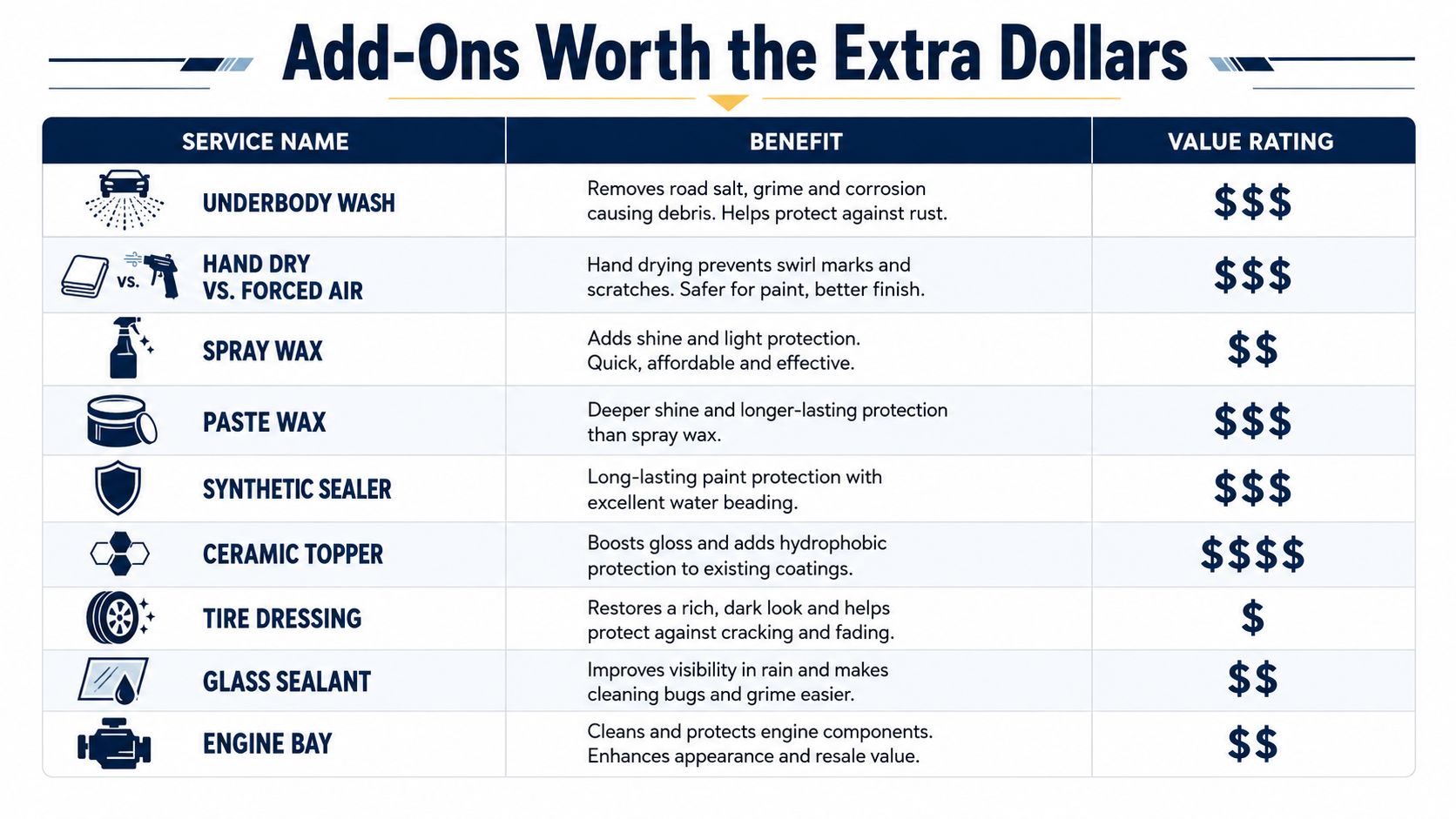
The best add-on is the one that answers a specific problem. If the salesperson can't explain what the product changes, skip it.
Underbody wash, typically C$15–C$25: Pay for this before and after winter. It flushes salt, brine, and muddy residue from areas you can't inspect easily. It won't reverse existing corrosion, but it's one of the more sensible GTA upgrades for vehicles driven through winter conditions.
Hand drying, typically C$10–C$20: Choose it when the service otherwise relies mainly on forced air. A careful towel finish catches water around mirrors, badges, door handles, and trim. The value is reduced water spotting and better attention to the finish, not a magical increase in gloss.
Spray wax, typically C$20–C$40: This gives a quick layer of slickness and water behaviour. It's useful for a regularly washed daily driver, but don't confuse it with long-term protection.
Paste wax, typically C$50–C$90: Paste wax can improve warmth and depth in the finish, but it's a cosmetic choice with limited practical advantage for a hard-used commuter. I'd choose it for a cared-for weekend car, not as the first upgrade on a salt-exposed SUV.
Synthetic sealer, typically C$80–C$150: This is the protection upgrade I recommend most often before winter. A sealer is designed to bond to the prepared paint and make future washing easier. It earns its cost more reliably than a decorative gloss booster.
Ceramic topper: A ceramic-infused topper can sit in the same premium protection category, but ask exactly what is being applied and how long the shop expects it to last. “Ceramic” on a menu doesn't automatically mean a professionally installed ceramic coating.
Tire and trim dressing, typically C$15–C$30: It improves the appearance of rubber and exterior plastics. Buy it when presentation matters, but don't mistake it for paint or corrosion protection.
Glass sealant, typically C$25–C$45: This can help water move off the glass and make maintenance easier. It's worthwhile for frequent highway drivers, especially those dealing with spray and dirty weather.
Engine bay cleaning: This is a presentation and maintenance-cleanliness service, not a standard exterior-paint protection step. I'd choose it before a sale or inspection, not as a default upgrade on every visit.
Premium-scent air fresheners and dealership-style gloss boosters rarely earn their keep. They change the experience for a short time, not the condition of the vehicle.
My verdict: Pay for winter readiness, surface protection, and contamination removal. Skip shine theatre.
Typical Price Tiers from Quick Wash to Paint Correction
GTA exterior detailing is a price ladder, not one average bill. Each tier buys a different amount of labour, preparation, and paint improvement.
| Service Tier | Typical Price, Sedan | What's Included | Typical Price, SUV/Truck |
|---|---|---|---|
| Express tunnel wash | C$10–C$25 | Soap, rinse, drying assistance, basic surface cleaning | C$10–C$25 or size-adjusted |
| Hand wash | C$40–C$80 | More careful hand cleaning and drying | Usually higher with size |
| Basic exterior detail | C$100–C$200 | Hand wash, wheels, decontamination level depending on package, basic protection | C$150–C$300 |
| Premium detail with sealant | C$200–C$400 | Deeper preparation and longer-lasting protection | Often toward the upper end |
| Single-stage correction | C$450–C$800 | Machine polish for light defects and improved clarity | Higher when surface area increases |
| Multi-stage correction | C$800–C$1,500 | Compounding and refining across multiple polishing stages | Higher with size and condition |
Mobile operators often adjust these prices for travel time, water and power requirements, and the condition of the vehicle at the appointment. Ask whether the quote includes those costs before comparing it with a fixed-location shop.
The correction figures fit the broader Ontario market, where paint-correction-heavy work can range from roughly C$250–C$1,200 based on the number of stages and vehicle condition. The higher tiers above reflect shops doing more preparation and polishing rather than applying a quick product and calling it correction.
A leased or newer vehicle usually does not need aggressive correction. If the paint remains reasonably clear, choose washing, decontamination, and protection. Pay for correction when you can see swirls, oxidation, or defects on a repainted panel, or when improving resale presentation matters. The technician should inspect the paint before promising a result.
For owners comparing menus, Estimatty's guide to pricing models for cleaning businesses provides useful context on how operators structure labour, tiers, and add-ons. Apply the same test here: compare the listed work, preparation, and protection period, not the package name.
My recommendation is simple. Choose the lowest tier that solves the vehicle's actual problem. A carefully completed basic detail beats a rushed premium package packed with products the car does not need.
Memberships, Bundles, and Other Ways to Bring the Cost Down
Recurring plans can reduce washing costs, but they don't automatically make detailing cheaper. Read the inclusions before you calculate the savings.
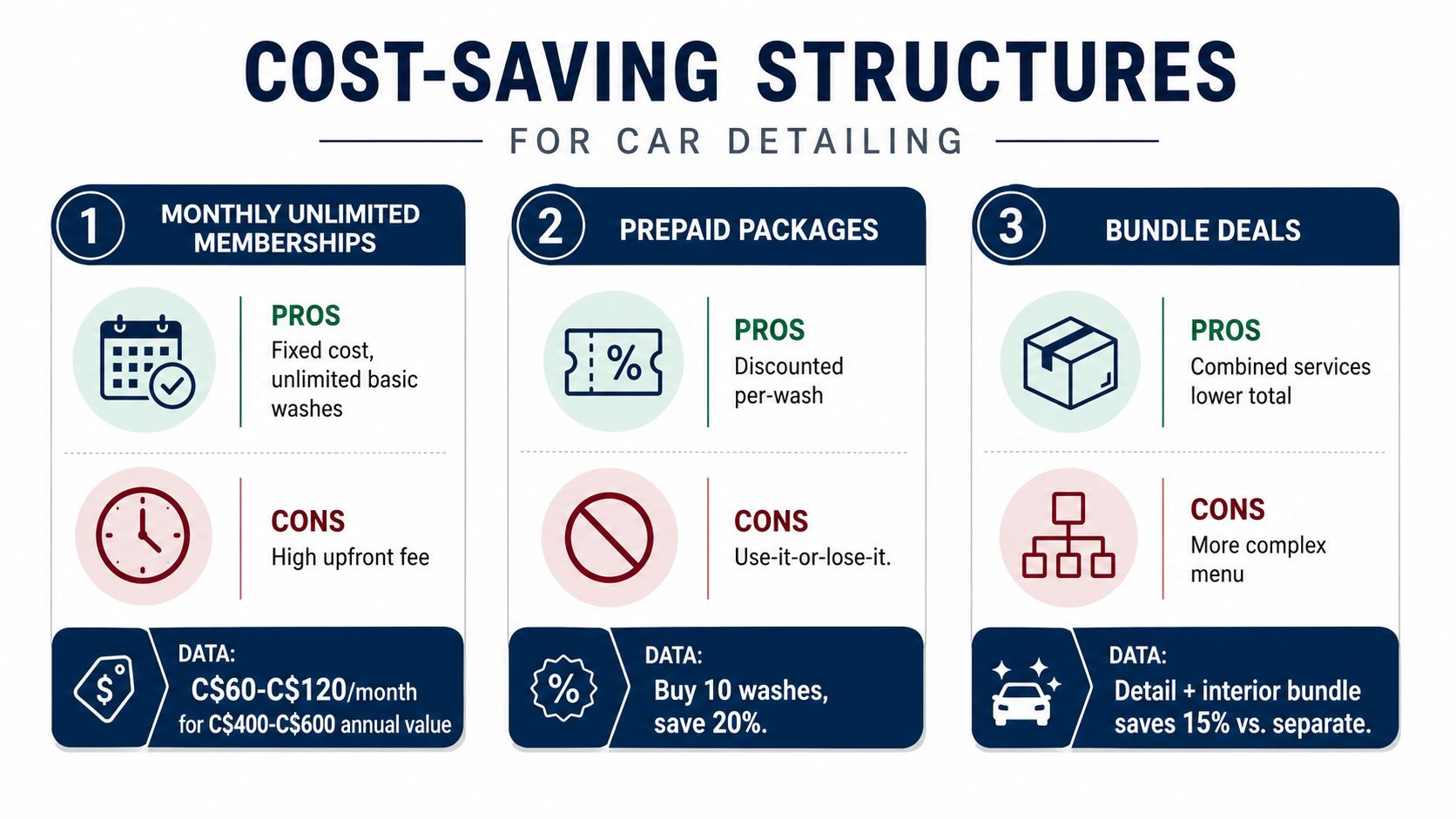
Monthly unlimited wash memberships commonly sit around C$60–C$120 per month, with the potential to bring individual basic-wash visits down from roughly C$18 to C$5–C$10, according to the supplied Canadian pricing data. That can work for a daily commuter who visits often. It's a poor deal for a vehicle that sits in a garage most of the week.
Monthly memberships
A membership makes sense when regular washing is already part of your routine. Before signing up, confirm whether the plan includes only express washes or whether it covers hand drying, underbody treatment, interior cleaning, and detailing. Many memberships cover frequent surface washing while charging separately for the work that protects paint and removes bonded contamination.
The practical break-even question is simple. If you'd normally book six or more visits a year, a recurring plan deserves a serious look. If you wash occasionally, paying as you go keeps your total lower.
Prepaid bundles
Prepaid detail bundles commonly advertise 10–20% off the menu price, based on Canadian industry pricing guidance from Vybrant's detailing-cost guide. They suit drivers who know they'll use the services, particularly ride-hailing drivers, delivery operators, and small fleets.
Check the expiry date first. A bundle that expires in 90 days can become expensive if your schedule, weather, or work route changes. Also confirm whether SUV, truck, pet-hair, or heavy-contamination surcharges remain payable.
Loyalty rates
A loyalty programme that locks in a fixed detail rate for 12 months can help when prices change seasonally or the vehicle needs predictable care. I'd favour a straightforward fixed-rate arrangement over a complicated package that forces you to buy services you won't use.
The best deal is the one you'll use without changing your habits. A daily driver can benefit from predictable wash spending. A weekend car should usually skip the unlimited plan and reserve money for a proper seasonal detail.
Choosing the Right Package for Your Vehicle and Schedule
Match the package to your driving, parking, and season. A commuter on the 401 needs more frequent contamination control than a garage-kept weekend car, while a family SUV needs more attention to wheels, lower panels, and winter residue than a lightly used sedan.
A daily-driven SUV, crossover, or truck with children, pets, or regular salt exposure should usually start with a mid-tier exterior detail in the C$175–C$250 range, based on Ontario pricing guidance from Riverside Detailing. Newer vehicles generally need protection rather than correction. Older daily drivers with visible swirls may justify a correction pass, but only after a paint inspection confirms that polishing will improve the finish.
Use this quick decision guide:
- Daily commuter: Prioritize underbody cleaning and sealant over decorative tire products.
- Garage-kept weekend car: Choose careful washing and periodic protection, with less frequent decontamination.
- Family SUV or truck: Budget for the larger surface area and heavier lower-panel contamination.
- Lease return: Focus on honest paint improvement and protection, not a menu full of cosmetic extras.
- Winter-exposed vehicle: Spend first on salt removal, wheels, underbody areas, and paint protection.
Quick answers for GTA drivers
How often do I need an exterior detail?
Book one when washing no longer removes the roughness, staining, or road film, or when the existing protection stops performing. Winter-exposed daily drivers need more attention than sheltered vehicles.
Do mobile detailers charge a premium?
They may price differently because travel, setup, water, power, and weather constraints become part of the job. Compare the completed service rather than assuming mobile always costs more.
What should I do between details?
Use a safe wash method, avoid letting salt and road film sit for extended periods, clean wheels regularly, and choose an underbody rinse when winter contamination builds. Frequent light maintenance is cheaper than asking one neglected detail to undo months of buildup.
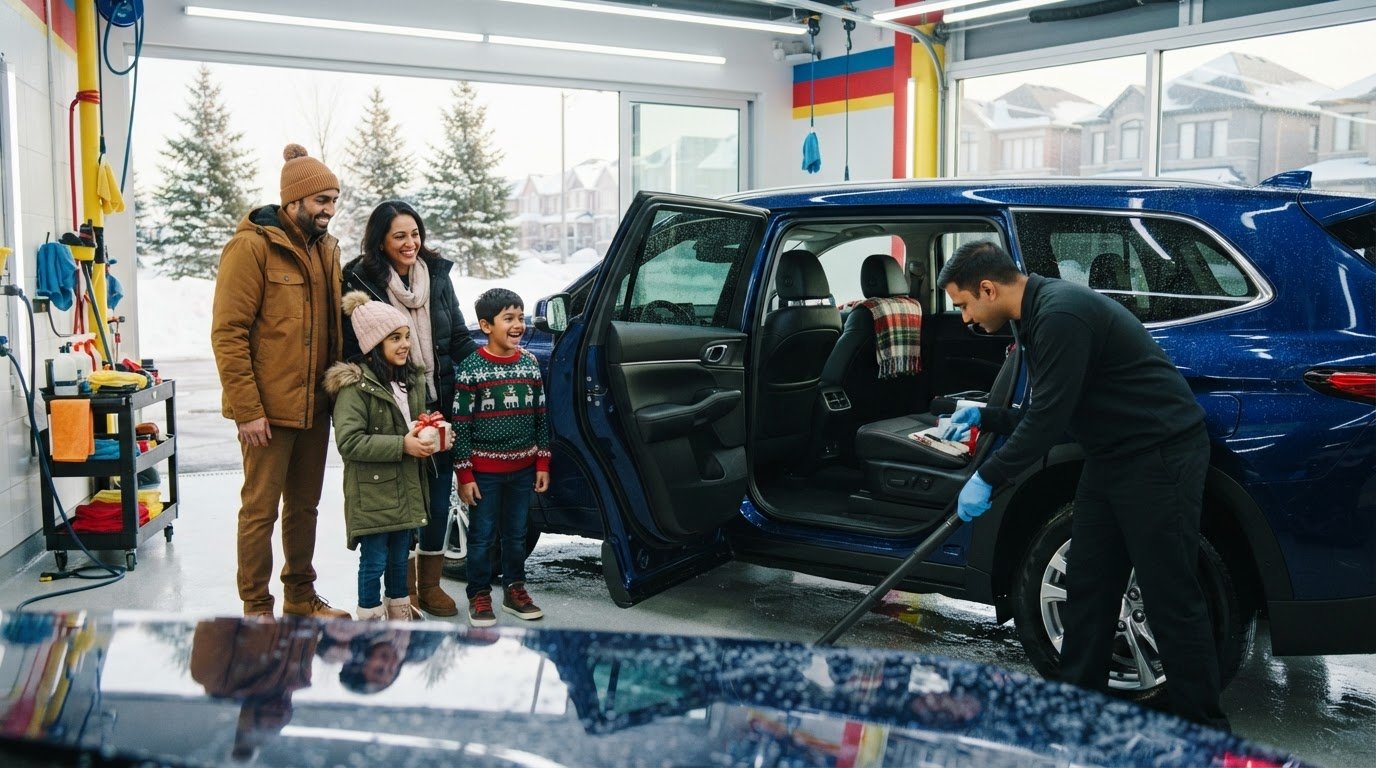
Nanak Car Wash offers express exterior washes, full-service washes with hand drying, appointment-based interior and exterior detailing, underbody wash options, prepaid bundles, monthly memberships, and automotive rust proofing across GTA locations. If you want to compare a quick maintenance visit with more involved exterior care, visit Nanak Car Wash and choose the service that matches your vehicle, schedule, and winter needs.

 6600 Finch Ave W, Etobicoke, ON M9V 3Z6
 647-703-8515
 MON – SUN 8 AM to 7 PM