
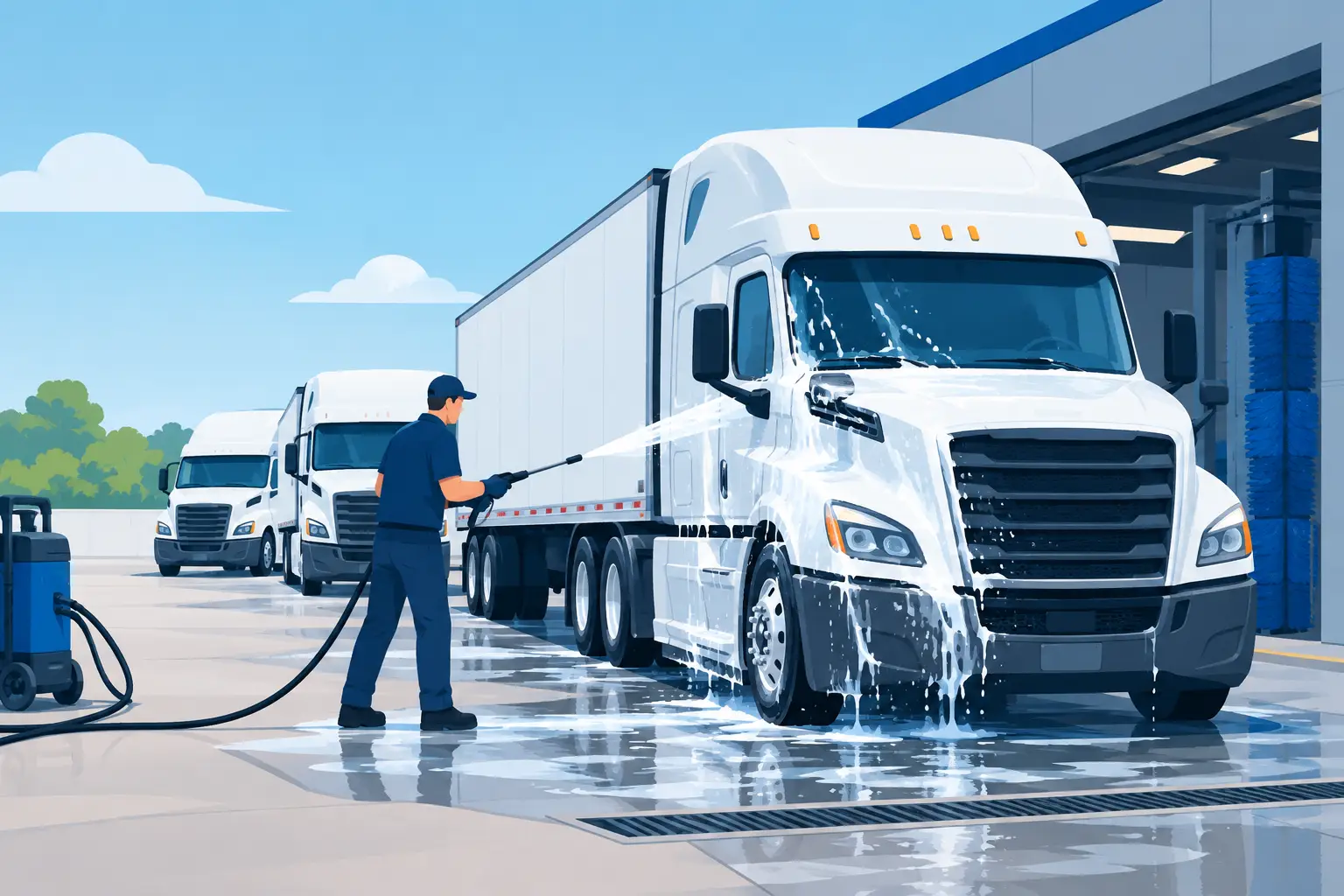
A dirty fleet sends a message before your driver says a word. Road film, salt, mud, brake dust, and stained interiors can make even a well-run business look neglected. Regular fleet washing keeps your vehicles presentable, protects their finish, and helps every truck, van, or company car show up ready for work.
For delivery teams, contractors, sales staff, rideshare operators, rental companies, and dealers, clean vehicles are not just a nice extra. They are part of the job. The right wash plan saves time, keeps costs predictable, and prevents vehicles from reaching the point where they need expensive deep cleaning.
Why Fleet Washing Pays Off
A clean fleet builds confidence. Customers notice the condition of the vehicle parked in their driveway, arriving at their workplace, or carrying your company name down the road. A clean exterior makes your logo easier to see and gives your team a more professional look without changing anything else about the vehicle.
There is also a practical maintenance benefit. Dirt holds moisture against paint and trim. In areas with rain, slush, road salt, and winter grime, that buildup can contribute to corrosion over time. Regular washing removes the material that can wear down clear coats, dull wheels, and collect around door jambs, wheel wells, and underbody areas.
Interiors matter too. A work van with muddy mats, dusty dashboards, food wrappers, and stained seats is uncomfortable for drivers and unwelcoming for passengers or customers. Keeping the cabin clean helps drivers take more pride in the vehicle and makes it easier to spot damage, leaks, or items left behind.
The payoff depends on the type of fleet. A landscaping crew may need frequent exterior washes during muddy months. A sales fleet may need cleaner interiors and polished exteriors before client visits. A delivery fleet may need a simple, fast wash plan that keeps vehicles moving without taking drivers off the road for hours.
Build a Fleet Washing Schedule That Fits the Work
There is no single wash schedule that works for every business. The best plan is based on how far your vehicles travel, where they park, what they carry, and how visible they are to customers.
A vehicle that spends every day on highways, construction sites, or salted winter roads will need attention more often than one used for short city trips. As a practical starting point, many businesses benefit from an exterior wash every one to two weeks. During winter, after heavy rain, or after driving through muddy job sites, weekly washing may be the better value.
Interior cleaning can follow a different schedule. Light vacuuming, mat cleaning, and wipe-downs may be needed weekly for passenger-facing vehicles. A more detailed interior service can be booked monthly or quarterly, depending on use. This keeps costs reasonable while preventing stains, odors, and grime from becoming harder to remove.
Consistency is more useful than waiting until every vehicle looks bad. When cleaning is planned, drivers know what to expect, supervisors can track vehicle condition, and the business avoids last-minute rush jobs before a customer visit or vehicle inspection.
Match the Wash to the Vehicle’s Job
Not every vehicle needs the same package. A basic express exterior wash can be a smart choice for high-volume fleets that mainly need to remove road dirt and keep branding visible. It is fast, affordable, and easy to repeat.
Vehicles that carry customers, represent a dealership, or transport executives may need more. Vacuuming, dashboard cleaning, mat washing, window cleaning, and hand-finished detailing create a cleaner experience inside and out. For a rental vehicle or a car being prepared for sale, that extra attention can make a clear difference in how the vehicle is received.
Work trucks and vans may need targeted care instead of a full detail every time. Focus on the exterior, wheels, mats, cab surfaces, and glass. If a vehicle carries tools, equipment, or supplies, ask for a service plan that cleans the driver area without disrupting the load or slowing down the crew.
What a Good Fleet Wash Service Should Include
Fleet washing should be simple to manage. The provider should offer clear package options, predictable pricing, and service levels that match your actual needs. A low price is useful, but it should not mean rushed work, dirty water, or missed areas that customers see first.
Fresh-water washing is especially valuable for removing road grime and salt without leaving residue behind. Good exterior cleaning should cover the body panels, wheels, tires, windows, mirrors, and areas where dirt collects around handles and trim. For many fleets, keeping glass clear and wheels presentable delivers a quick, noticeable improvement.
For interior service, look at the items your drivers and customers touch every day. Clean mats, vacuumed carpets, wiped-down consoles, clear windows, and dust-free dashboards make the cabin feel cared for. If the fleet includes vans, SUVs, or passenger vehicles, confirm that the service can handle the size and layout of each vehicle.
Ask how the provider handles add-ons. Shampooing, stain removal, odor treatment, polishing, and rust protection are not needed at every visit, but they can be valuable at the right time. A flexible fleet program lets you use basic washes for routine upkeep and add deeper services when a vehicle needs them.
Keep Fleet Washing Costs Under Control
The cheapest wash is not always the lowest-cost option. If a basic service does not remove salt, grime, or interior buildup, the vehicle may need more labor later. On the other hand, paying for a full detail every week is usually unnecessary for a working fleet.
The goal is to choose the level of service that keeps vehicles consistently clean at a price your business can plan for. Volume pricing, prepaid wash tickets, and fleet-friendly packages can make recurring service easier to budget. For businesses with a steady number of vehicles, a monthly arrangement may reduce the hassle of paying for individual visits and help avoid skipped washes.
It also helps to group vehicles by use. Your customer-facing vehicles may receive a higher-level package, while utility vehicles receive a fast exterior wash and basic cab cleanup. This approach gives the right vehicles the right level of care instead of applying one expensive package across the entire fleet.
Track the cost per vehicle, but also track time. If drivers are spending an hour each week washing vehicles themselves, that labor has a cost. A professional wash service can often get the job done faster, with better equipment and more consistent results, while your team stays focused on deliveries, service calls, and customers.
Do Not Wait for Winter Damage
Winter is hard on fleet vehicles. Salt spray gets into wheel wells, lower panels, door edges, and undercarriage areas. Once grime dries and builds up, it becomes tougher to remove. Frequent washing through the colder months helps reduce that buildup and keeps vehicles looking less worn down.
Rust proofing can also be worth considering for vehicles that stay on the road year after year. It is not a replacement for washing, because surface salt still needs to be removed. Used together, regular cleaning and protective treatment can help preserve the body, undercarriage, and resale value of hard-working vehicles.
The same thinking applies after construction work, rural driving, or long highway trips. The sooner mud, salt, and debris are cleaned away, the easier the job usually is.
Make It Easy for Drivers and Managers
A fleet wash plan only works if people follow it. Set a simple standard for drivers: return vehicles without trash, report spills or damage quickly, and bring vehicles in on their assigned wash days. This prevents one heavily soiled vehicle from turning into a larger cleaning problem.
Managers should keep the process easy. Choose a wash provider with convenient service options, clear packages, and room for both routine cleaning and occasional detailing. Nanak Car Wash can help businesses create a practical wash routine with fleet-friendly pricing for vehicles that need to stay clean without stretching the budget.
Clean vehicles support your brand, make drivers more comfortable, and help protect the equipment your business depends on. Start with a schedule your team can actually maintain, then adjust it as seasons, workloads, and vehicle use change.



 6600 Finch Ave W, Etobicoke, ON M9V 3Z6

 647-703-8515
 MON – SUN 8 AM to 7 PM