
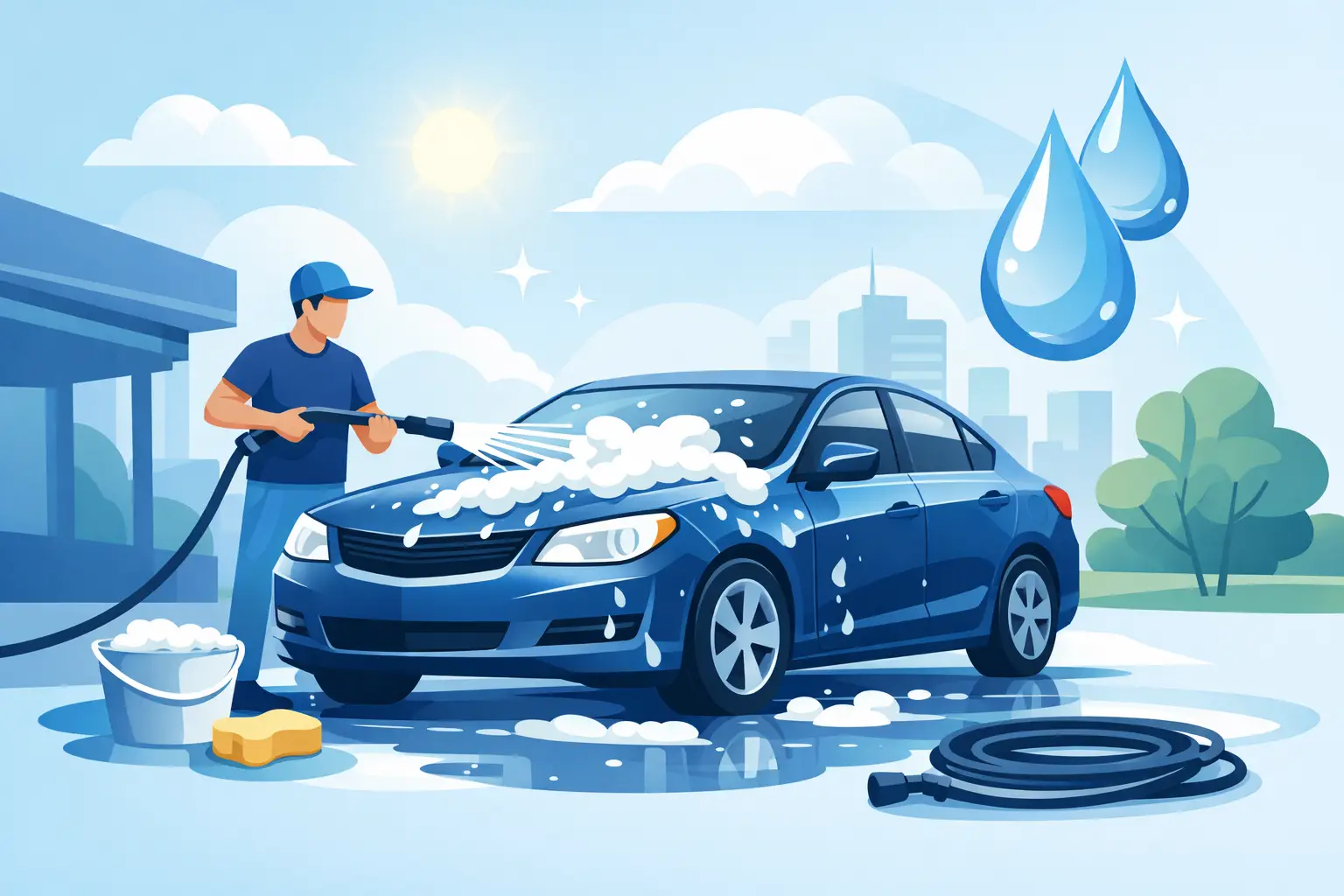
Road salt, brake dust, bird droppings, pollen, and GTA slush do not wait for a convenient time to hit your vehicle. A guide to fresh water car washing starts with one simple idea: the water used on your car matters, especially when you want a clean finish without adding more grime, minerals, or residue back onto the paint.
For everyday drivers, a fresh-water wash is not about making car care complicated. It is about getting dependable results at a fair price. Whether you commute every day, drive rideshare, carry kids and groceries, or manage a work vehicle, regular washing keeps your ride looking better and makes it easier to spot problems before they become expensive repairs.
What Fresh Water Car Washing Means
Fresh water generally means clean, untreated-for-reuse water supplied for washing, rather than water that has been collected, filtered, and reused from earlier wash cycles. It is commonly used for a final rinse or throughout the wash process, depending on the car wash equipment and local water-management setup.
The biggest benefit is consistency. Fresh water helps remove soap, loose dirt, and road film without reintroducing particles from prior vehicles. This can be especially useful when your vehicle is covered in winter salt, construction dust, mud, or heavy grime.
That said, fresh water alone does not guarantee a perfect wash. The quality of the detergents, the condition of wash materials, proper drying, and the skill of the wash team all affect the final result. A clean-water rinse is one good part of a complete car-care process, not a replacement for careful service.
Why a Fresh-Water Wash Makes a Difference
A vehicle can look clean after a quick rinse, then reveal streaks, water spots, or a dull finish once it dries. Minerals in water, leftover soap, and dirt trapped around trim can all affect how your paint looks. Fresh water helps reduce the chance of residue being left behind, particularly when it is paired with proper soap application and drying.
For drivers in Brampton, Toronto, Mississauga, Vaughan, and nearby areas, seasonal buildup is a real issue. Winter brings salt and dirty slush. Spring brings pollen and mud. Summer brings dust, sap, and bug splatter. Fall leaves can leave tannins and moisture around drains and weather stripping. Keeping your car clean through these changes is practical maintenance, not just appearance.
Regular washing also helps protect areas people do not always notice, such as wheel wells, lower door panels, rocker panels, and the underside of bumpers. These are the places where salt and grime tend to sit. If you are concerned about long-term corrosion, combine regular washing with professional rust proofing for a stronger year-round care plan.
A Guide to Fresh Water Car Washing: When to Wash
There is no single schedule that fits every vehicle. A garage-kept weekend car needs different care than a daily-driven SUV, rideshare vehicle, or work van. Still, washing on a routine is easier and cheaper than waiting until dirt has built up for months.
During winter, wash your vehicle whenever salt and slush accumulate, ideally every one to two weeks if you drive regularly. Pay attention after snowstorms and major temperature swings, when dirty meltwater sticks to lower panels. A quick exterior wash can make a meaningful difference when done consistently.
In warmer months, many drivers benefit from a wash every two to four weeks. Wash sooner if you notice bird droppings, tree sap, bugs, fuel spills, or muddy splashes. These contaminants can become harder to remove when they sit on paint in direct sun.
Interior care follows a different schedule. Vacuuming, mat cleaning, dashboard wipe-downs, and window cleaning are worth doing regularly, especially for families, pets, commuters, and rideshare drivers. Shampooing and deep detailing are better reserved for stains, odors, seasonal cleanup, or when you are preparing to sell or return a leased vehicle.
What a Proper Wash Should Cover
A good wash is more than spraying water over the hood. The goal is to remove grime safely from the areas that take the most abuse while leaving the vehicle presentable and easy to maintain.
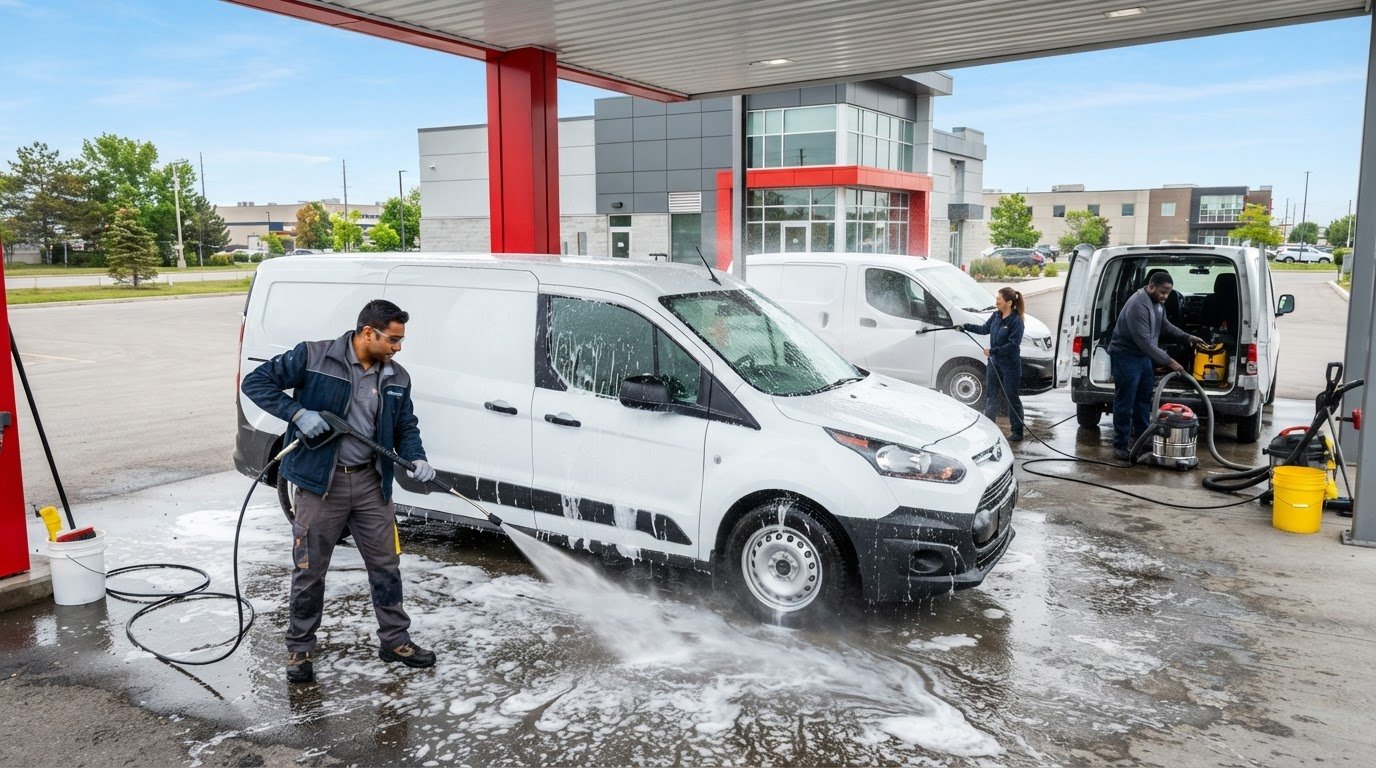
Start with a pre-rinse to loosen dirt. This is important because rubbing dry grit across the paint can create fine scratches. Soap should then lift road film and residue before the exterior is rinsed clean. Wheels and tires need their own attention because brake dust and road grime can be stubborn.
The final rinse matters because leftover soap can leave spots and streaks. Drying also matters, particularly if your vehicle has dark paint or sits in the sun. A hand-finished dry can improve the look of the vehicle by removing water from mirrors, door handles, trim, and panel gaps where drips often appear later.
For a more complete service, look for options that include interior vacuuming, mat washing, dash cleaning, tire dressing, window cleaning, polishing, or shampooing. You do not need every add-on on every visit. Choose based on how you use your car and what it actually needs.
Fresh Water, Recycled Water, and the Real Trade-Off
Water conservation matters, and many modern car washes use recycled water during early wash stages to reduce waste. When recycling systems are well maintained, this water can be suitable for initial rinsing or undercarriage cleaning. It is not automatically a bad choice.
The trade-off is that some drivers prefer fresh water, particularly for the final rinse or when their vehicle is heavily soiled. They want the reassurance of clean water during the finishing stage, where residue is most visible. For owners who care about a clean, spot-free result, that preference makes sense.
The best approach depends on the wash process. Ask what is included, whether the service provides a fresh-water rinse, and how the vehicle is dried. Straight answers and clear package options make it easier to choose the right service without paying for extras you do not need.
Avoid These Common Washing Mistakes
The fastest way to make a wash less effective is to wait too long. Salt, sap, bird droppings, and bugs are easier to remove when fresh. Letting them sit can mean more scrubbing later, which increases the risk of marking paint.
Another common mistake is using household dish soap at home. It may cut through grease, but it can also strip protective waxes and leave paint looking flat over time. Use products made for automotive surfaces if you wash at home.
Be careful with old towels, dirty sponges, and automatic brushes that are not maintained. Grit trapped in wash materials can drag across the clear coat. Also avoid washing a hot vehicle in direct sunlight whenever possible. Soap and water can dry too quickly, making spots more likely.
Finally, do not forget the inside. A clean exterior looks better when the floor mats are not packed with salt and the windshield is clear. Small, regular interior cleanups save time compared with tackling months of buildup in one visit.
Make Regular Car Care More Affordable
For many drivers, the best wash plan is the one they will actually use. Paying for an occasional premium detail can be worthwhile, but it does not replace regular exterior cleaning. An unlimited wash membership can be a smart option for commuters, families, rideshare drivers, and anyone dealing with frequent road grime.
Nanak Car Wash offers practical wash and detailing options for drivers who want a clean car without turning routine maintenance into a luxury expense. An express wash works well when time is tight. A full-service wash or hand-finished detail makes more sense when the interior needs attention or your vehicle is due for a reset.
Keep an eye on the small areas between washes. Wipe bird droppings as soon as you can, shake out mats, clear leaves from the base of the windshield, and do not let salt sit through the season. Those simple habits help every fresh-water wash work harder and keep your vehicle ready for the next drive.

 6600 Finch Ave W, Etobicoke, ON M9V 3Z6
 647-703-8515
 MON – SUN 8 AM to 7 PM