

A few winters of road salt can do more damage to your vehicle than most drivers expect. If you want a practical guide to vehicle rust prevention, the good news is that stopping rust is usually cheaper than repairing it. A little regular care goes a long way, especially if you drive daily, park outside, or deal with wet roads, slush, and salt for months at a time.
Rust does not start with a dramatic warning. It usually begins in places you barely notice – under the vehicle, around wheel wells, inside door edges, near rock chips, and anywhere moisture gets trapped. By the time you see bubbling paint or brown spots on the body, the problem may already be spreading underneath. That is why prevention matters more than waiting for visible damage.
Why rust happens faster than most drivers think
Rust forms when metal is exposed to oxygen and moisture. Add road salt, dirt, and temperature swings, and corrosion speeds up fast. For many drivers, the biggest issue is not one bad storm. It is repeated exposure. Salt sticks to the underbody, slush gets packed into corners, and grime sits on the surface longer than it should.
Daily driving makes this worse. Commuters, families running errands, rideshare drivers, and fleet vehicles all pick up contamination constantly. If the vehicle is rarely washed underneath, that buildup stays in place and keeps working against the metal. Even a newer vehicle is not immune if protective coatings get chipped or neglected.
There is also a difference between surface rust and structural rust. Surface rust may start small and look cosmetic, but if ignored, it can move deeper. Structural rust affects the frame, suspension mounting points, brake lines, and other areas that matter for safety and resale value. Once corrosion reaches that stage, repair costs can climb quickly.
The best guide to vehicle rust prevention starts with washing
Most people think rust prevention begins with a specialty treatment, and that can help, but regular washing is the first line of defense. Dirt and salt need time to do damage. Washing removes them before they sit too long.
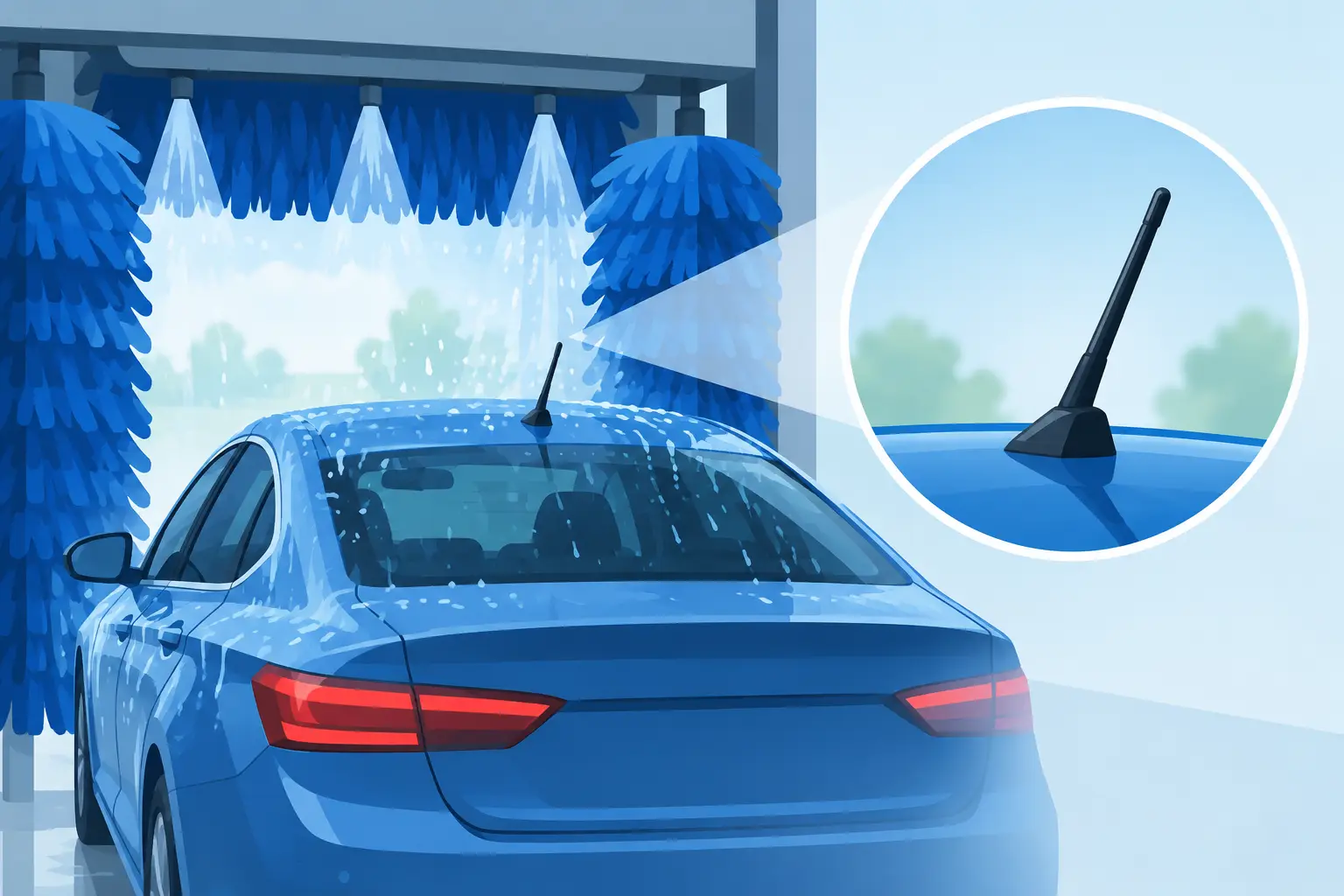
The most important area is the underbody. A shiny hood looks nice, but rust usually starts where you are not looking. After snow, slush, or salted roads, underbody cleaning matters more than a basic rinse on the paint. If you drive often in winter or on wet roads, regular washes are not just for appearance. They are maintenance.
That said, there is a trade-off. Washing is helpful, but washing alone does not create a long-term barrier. If the vehicle already has chips, exposed metal, or vulnerable seams, cleaning should be paired with added protection. Think of washing as step one, not the whole job.
For many drivers, consistency is the hard part. They mean to wash the car more often, but life gets busy. That is where simple routines help. A quick wash every couple of weeks in harsh weather can do more for rust prevention than one deep clean at the end of the season.
Focus on the places rust likes most
Some parts of a vehicle are much more likely to corrode than others. Wheel wells take a beating from salt, water, gravel, and slush. The lower rocker panels collect grime. Door bottoms and trunk seams can trap moisture. The hood edge and front panels often get chipped by road debris.
The undercarriage deserves the most attention because it deals with constant exposure and is easy to ignore. Brake and fuel lines, suspension parts, subframes, and mounting points all face harsh conditions. If you live where roads are salted heavily, this is where preventive care pays off fastest.
Paint damage also matters. A tiny stone chip may not seem urgent, but exposed metal can start rusting sooner than most drivers realize. Touch-up work will not solve every issue, but small repairs can stop a minor problem from growing.
Rust proofing adds the protection washing cannot
A good rust proofing treatment helps protect the areas that are hardest to defend with washing alone. It adds a barrier against moisture and road salt, especially in hidden spots like seams, joints, and underbody surfaces.
This is where timing matters. Rust proofing works best before serious corrosion takes hold. If a vehicle is already badly rusted, treatment may slow things down, but it will not reverse damage. Prevention is always the better value.
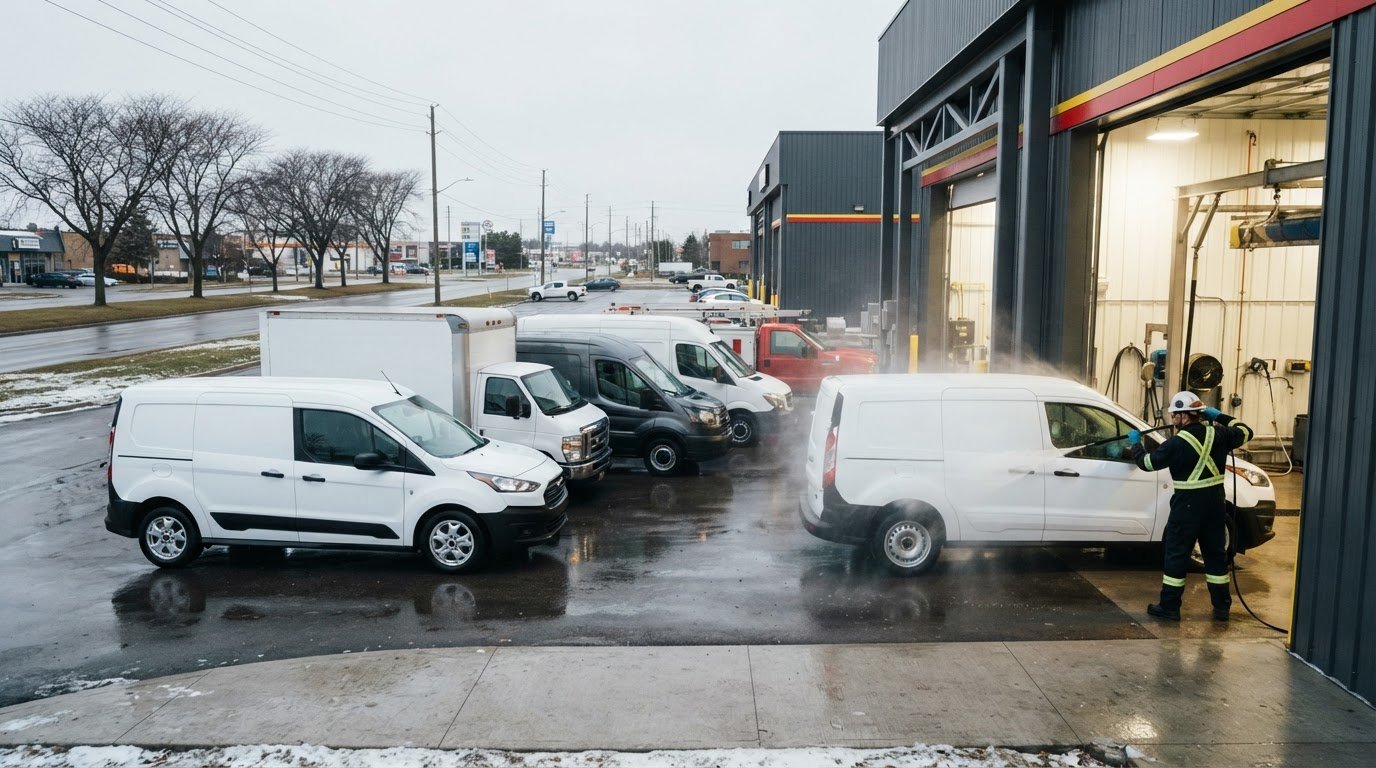
Different vehicles may need different approaches. A newer daily driver benefits from early protection because you are preserving clean metal before problems start. An older vehicle can still benefit, but it may need inspection first to see what condition the underbody is in. Work trucks, rideshare vehicles, and fleet units often need more frequent attention simply because they rack up miles faster and face more road exposure.
For drivers who want practical value, rust proofing makes sense when you plan to keep the vehicle for years, want to protect resale value, or simply want to avoid expensive body and underbody repairs later. It is one of those services that can seem optional until you compare it with the cost of replacing corroded parts.
Seasonal habits that make a real difference
Winter gets the most attention, but rust prevention is a year-round job. Spring is a good time to remove leftover salt and inspect for new chips or early rust spots. Summer is useful for correcting minor paint damage and applying protection while conditions are dry. Fall is when many drivers should think about getting ahead of winter before the roads turn messy.
Parking habits matter too. A wet vehicle left packed with salt and grime is in a rough spot, especially if moisture keeps collecting in hidden areas. Covered parking can help, but it is not a magic fix if the vehicle is already dirty underneath. What matters most is removing contamination regularly.
Even weather swings play a role. Freeze-thaw cycles push moisture into cracks and seams. Warm days followed by cold nights can keep dampness hanging around longer than expected. That is why rust prevention is not just about storms. It is about repeated exposure over time.
What everyday drivers should prioritize
If you want this guide to vehicle rust prevention boiled down to what gives the best return, start with the basics you can actually keep up with. Wash the exterior regularly, make underbody cleaning a habit during salt season, fix paint chips before they spread, and get rust proofing before corrosion becomes obvious.
Drivers who use their vehicles hard should be even more proactive. Commuters covering long distances, families with one vehicle doing everything, delivery and rideshare drivers, and commercial fleets all put more stress on a car than occasional weekend use. More miles usually mean more exposure to water, dirt, debris, and salt. The right schedule depends on use, but heavier use calls for more regular care.
There is also the money side of it. Preventive maintenance is easier to budget for than rust repair. A routine wash plan or periodic protection service costs far less than bodywork, line replacement, or major undercarriage repairs. For budget-conscious drivers, that matters.
When to get help instead of waiting
If you notice bubbling paint, orange-brown spots around chips, rust along door edges, or flaky corrosion underneath, do not assume it will stay small. Early action gives you more options. Waiting usually means more damage, more labor, and a higher bill.
Professional cleaning and rust proofing are especially useful before winter and after heavy salt exposure. If your vehicle has never had underbody attention, or if you bought it used and do not know its history, getting it checked is a smart move. A dependable local shop can help you decide whether the vehicle just needs maintenance, added protection, or a closer look at existing rust.
For drivers who want affordable, straightforward vehicle care, services like regular washing, detailing, and rust proofing work best when they are part of a routine, not a last-minute fix. That is the real value – less guesswork, better protection, and a vehicle that stays cleaner and holds up longer.
A clean car looks better right away, but a protected car saves you money later. If you stay consistent, rust prevention does not have to be complicated. It just has to happen before the damage gets comfortable.


 6600 Finch Ave W, Etobicoke, ON M9V 3Z6
 647-703-8515
 MON – SUN 8 AM to 7 PM