
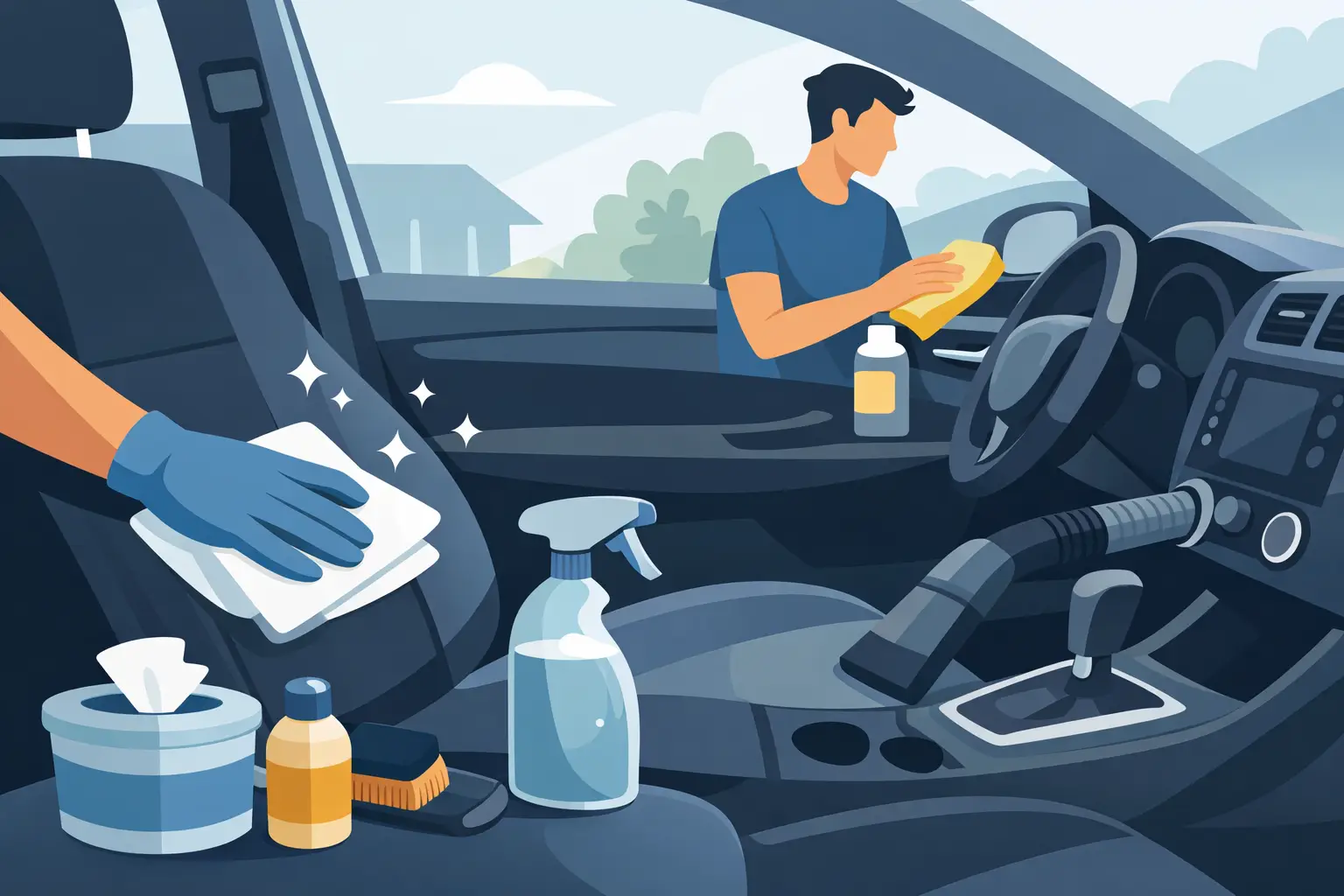
That fast-food bag under the seat, the coffee drip in the cup holder, the salt marks on the mats – that is how a decent interior starts looking worn out long before the car actually is. If you are wondering how to maintain car interior condition without spending a lot of time or money, the answer is not one big deep clean once a year. It is regular upkeep that keeps dirt, odors, stains, and wear from building up.
For most drivers, interior care gets ignored because it feels like a bigger job than it really is. The truth is simple. A few small habits save you from heavy shampooing, stubborn stains, and that dusty, tired look that makes a vehicle feel older than it should. Whether you commute every day, drive for rideshare, shuttle kids around, or use your vehicle for work, a cleaner interior is easier to keep than to restore.
How to maintain car interior with a simple routine
The best routine is the one you will actually follow. You do not need a shelf full of specialty products. You need consistency.
Start with a quick clean once a week. Remove trash, shake out the mats, wipe the dash and console, and vacuum the seats and floor if needed. This usually takes less than 15 minutes if you stay on top of it. When dirt sits for weeks, it gets ground into carpet fibers, settles into seams, and starts holding odor.
Then do a more complete interior clean once a month. That is the time to get into the cup holders, door pockets, seat tracks, and the spots between the seats and console where crumbs always end up. Monthly cleaning also gives you a chance to catch small issues early, like salt buildup, sticky spills, or scuff marks on plastic trim.
If you have kids, pets, or a high-mileage commute, your interior will need attention more often. There is no perfect schedule for everyone. It depends on how you use the vehicle. A family SUV in winter needs a different plan than a lightly used sedan parked in a garage.
Start with the biggest problem: dirt coming in
Most interior mess starts at the floor. Shoes bring in mud, road salt, sand, and water. That debris spreads everywhere, especially once passengers move around and mats shift.
Good floor mats make a real difference. If you already have mats, clean them regularly instead of waiting until they look terrible. Carpet mats need vacuuming and occasional washing. Rubber mats are easier for wet weather and are often the better choice if you deal with snow, slush, or job site dirt.
Try to knock dirt off shoes before getting in. That sounds small, but it cuts down on buildup more than people think. If you have children or frequent passengers, this habit may not be perfect every time, but even partial improvement helps.
Vacuuming matters because loose grit acts like sandpaper. It wears down carpet, gets trapped in seat stitching, and makes the whole cabin feel dusty. A quick vacuum once a week goes much further than an intense cleanup after months of neglect.
Wipe surfaces before grime turns sticky
Dust is easy. Sticky residue is not. Dashboards, center consoles, steering wheels, screens, and cup holders collect body oils, spilled drinks, fingerprints, and food residue faster than most people notice.
Use a soft microfiber towel and a cleaner made for interior surfaces. Avoid soaking anything. Too much product can leave streaks on screens, make buttons slippery, or create a shiny finish that attracts more dust. For most surfaces, light wiping works better than heavy scrubbing.
The steering wheel deserves extra attention because it gets touched constantly. A wheel that looks clean can still have a layer of oil and grime on it. The same goes for shift knobs, door handles, and armrests. Cleaning these high-contact spots helps the car feel fresher right away, even if you are not doing a full detail.
There is a trade-off with dressings and protectants. Some people like a glossy dashboard look, but high shine can create glare and attract dust. A natural, clean finish is usually better for everyday driving.
Deal with stains right away
The longer a stain sits, the more expensive and frustrating it becomes. Coffee, soda, makeup, grease, and pet accidents can all soak into fabric quickly. Once that happens, wiping the surface is not enough.
Blot spills as soon as possible. Do not rub hard, because that pushes the liquid deeper into the fabric. Use a clean towel first, then a fabric-safe cleaner if needed. For cloth seats, test any product on a hidden area before using it broadly. For leather or leather-like surfaces, use a cleaner designed for that material so you do not dry it out or damage the finish.
Odors often follow stains. Even when the mark fades, the smell can stay in the padding underneath. That is where deeper shampooing or professional interior detailing can save time. If the spill is large, old, or already smells sour, do not wait too long hoping it will disappear on its own.
Protect seats based on the material you have
Seat care depends on whether you have cloth, leather, or vinyl. Treating them all the same is a mistake.
Cloth seats trap dust, crumbs, and moisture, so they need regular vacuuming and occasional spot treatment. They are practical and comfortable, but they stain more easily. If you carry kids, tools, food, or pets, seat covers may be worth it. They are not always the prettiest option, but they are cheaper than replacing or heavily restoring worn fabric.
Leather seats look great and can be easier to wipe down, but they still need care. If they dry out, they can crack or lose their finish. Use a leather-safe cleaner and conditioner from time to time, especially in hot weather or if the car sits in direct sun. Too much product can leave leather greasy, so light, even application works best.
Vinyl or synthetic seating is common in work vehicles and family cars because it is durable and simple to clean. It still benefits from basic wiping and protection, especially if exposed to sunlight often.
Do not ignore the air inside the car
A car can look clean and still smell bad. That usually means the problem is in the fabric, floor, vents, or hidden moisture.
Remove trash daily or as soon as possible. Food wrappers, cups, gym gear, and damp items create odors quickly, especially in warm weather. Check under seats too. A forgotten snack can make the whole vehicle smell off.
Replace or inspect the cabin air filter on schedule. If airflow smells musty when you turn on the fan, the filter may be dirty or moisture may be sitting in the system. Interior odor is not always a surface problem.
In wet seasons, let mats and carpets dry fully. Moisture trapped under mats can lead to mildew. If you use your car heavily through snow or rain, this is one of the biggest reasons interiors start smelling old.
When a DIY clean is enough and when it is not
A basic do-it-yourself routine handles most regular upkeep. If the interior is only lightly dusty, has a few crumbs, and needs a wipe-down, there is no reason to turn it into a major project.
But sometimes the right move is to bring it in for a proper interior service. Deep salt stains, pet hair, set-in odor, embedded dirt, and heavily used seats often need more than a vacuum and a towel. This is especially true for rideshare drivers, families with young kids, and anyone getting ready to sell or return a leased vehicle.
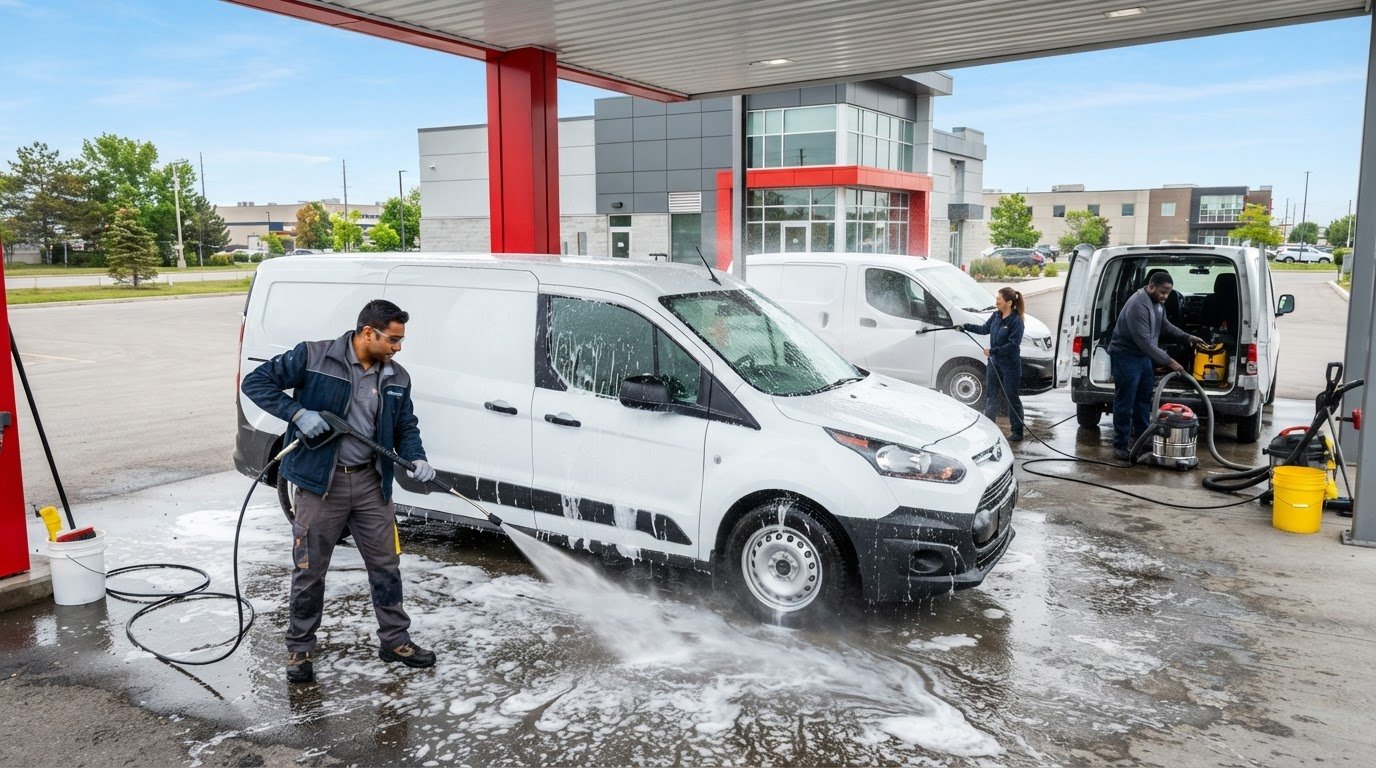
That is where a full-service interior clean can make financial sense. Paying for vacuuming, mat washing, dashboard cleaning, shampooing, and stain removal is often cheaper than living with damage until restoration becomes necessary. Nanak Car Wash sees this every day with vehicles that only needed regular upkeep but were left too long.
How to keep the interior clean longer
Maintenance is easier when you reduce the mess before it starts. Keep a small trash bag in the car. Store wipes or a microfiber cloth in the glove box. Avoid eating full meals in the vehicle when possible. Use organizers if your center console and door pockets are always overloaded.
If you have a busy schedule, pair interior upkeep with another routine. Clean it every Sunday evening, after filling up with gas, or after your weekly exterior wash. People are more likely to stick with car care when it is attached to something they already do.
It also helps to be realistic. A work truck, family van, and commuter sedan will not all stay clean at the same rate. The goal is not perfection. The goal is keeping the interior in good shape so it stays comfortable, looks cared for, and does not turn into a bigger cleanup later.
A clean cabin changes how the whole car feels. It makes daily driving better, protects resale value, and saves you from those expensive catch-up jobs that come from waiting too long. Start small, stay regular, and if the mess has already gotten ahead of you, getting professional help is still a smart way to reset and keep it under control.


 6600 Finch Ave W, Etobicoke, ON M9V 3Z6
 647-703-8515
 MON – SUN 8 AM to 7 PM