

The damage usually starts where you do not see it first. A little salt spray builds up inside the wheel wells, under the doors, along the rocker panels, and underneath the car. Then winter keeps going, the grime stays put, and by spring you are looking at rust spots, stained paint, and metal parts that aged faster than they should. If you are wondering how to protect car from road salt, the answer is not one expensive fix. It is regular, practical care done at the right time.
For most drivers, road salt is not just a cosmetic problem. It can speed up corrosion on brake lines, suspension parts, the underbody, and exposed metal edges. If you commute daily, park outside, drive highways, or make short trips where grime never really dries out, your vehicle takes even more of a beating. The good news is that you do not need a complicated routine. You need a plan that fits real life and a budget you can stick with.
Why road salt does so much damage
Road salt lowers the freezing point of water, which is why cities use it to keep roads safer in winter. The problem is what happens after it splashes onto your vehicle. Salt sticks to moisture, and that moisture clings to metal. Once that cycle starts, corrosion can move fast, especially in hidden areas where dirt, slush, and brine collect.
Modern vehicles do have factory coatings and corrosion protection, but those barriers are not invincible. Chips in the paint, scratches near door bottoms, and worn areas underneath the vehicle give salt an opening. Older cars are more vulnerable, but newer cars are not immune. Even if the paint still looks decent from a distance, the undercarriage may tell a different story.
How to protect car from road salt before it becomes rust
The most effective habit is also the simplest – wash the vehicle regularly through winter. Not just when it looks dirty, and not just when temperatures finally warm up. Salt starts working long before the mess looks serious.
A good winter wash should focus on more than the body panels. The undercarriage matters just as much, often more. That is where salt packs into tight areas and sits for days. Wheel wells, rocker panels, and lower door sections also need attention because they catch heavy spray every time you drive.
If you wait for the perfect sunny day, you will usually wait too long. A quick wash after a storm, after a stretch of slushy driving, or anytime buildup is visible is better than putting it off. Frequent washing is one of the cheapest ways to avoid bigger repair bills later.
Prioritize undercarriage washing
If you only do one thing all winter, make it undercarriage cleaning. Salt on the hood and doors is easy to spot, so people notice it. Salt underneath is where long-term damage often starts. Brake components, frame areas, exhaust parts, and suspension hardware all take repeated exposure.
Not every wash method cleans the underside well enough. A basic rinse at home may help on the surface, but it often misses the deeper buildup under the vehicle. That is why many drivers choose a wash package that includes underbody spray, especially during heavy salt season. It saves time and gives more consistent coverage where it counts.
Wash more often than you think
There is no perfect number for every driver. It depends on weather, road conditions, parking, and mileage. But if roads are being salted regularly, washing every one to two weeks is a smart baseline. For highway commuters, rideshare drivers, and delivery drivers, even more frequent washing can make sense.
This is where convenience matters. If washing feels like a hassle, most people delay it. An unlimited wash membership or a simple repeat-use routine makes it easier to stay ahead of salt instead of reacting after the damage is done. That is one reason regular wash plans work well for everyday drivers – the cost stays manageable, and the habit becomes easy.
Protect the paint before winter starts
Clean paint is easier to protect than neglected paint. Before winter, it helps to put a protective layer between the finish and everything the road throws at it. That can be wax, sealant, or a ceramic-based protectant. The goal is not to make the car show-ready. The goal is to make it harder for grime and salt residue to stick.
Wax does wear off, especially in harsh weather, so it is not a one-and-done solution for the whole season. Still, a fresh protective layer before winter and touch-ups during the season can make washing easier and reduce surface contamination. If your car already has paint chips or scratches, those should be addressed as soon as possible because exposed metal gives corrosion a head start.
Do not ignore small chips and scratches
A tiny paint chip may seem minor in October. By late winter, that same spot may start bubbling or discoloring. Salt, moisture, and freeze-thaw cycles are rough on damaged paint. Touch-up paint will not fix every cosmetic issue perfectly, but it can help seal exposed areas before they get worse.
Pay attention to the front edge of the hood, around wheel arches, lower door edges, and the trunk lip. These spots take repeated impact from road debris and salty spray. Catching damage early is always cheaper than dealing with spreading rust later.
Rust proofing helps, but timing and condition matter
If you are serious about long-term protection, rust proofing is worth considering. It adds another layer of defense in areas you cannot easily clean or inspect. For drivers keeping a vehicle for years, or anyone with an older vehicle already facing winter wear, this can be a smart investment.
That said, rust proofing works best when applied to a clean vehicle before corrosion gets too far along. If rust is already active, treatment may help slow it down, but it will not magically reverse existing damage. This is one of those situations where early action matters.
Different rust proofing methods have different strengths. Some coatings focus on underbody protection, while others are designed to creep into seams and hidden cavities. What makes sense depends on the age of the vehicle, how long you plan to keep it, and how heavily you drive in winter. If you use your vehicle every day in salty conditions, a basic wash routine plus rust proofing usually gives better results than relying on either one alone.
Home washing vs professional washing
A driveway rinse can help when temperatures allow it, but winter home washing has limits. Water can freeze quickly, underbody access is poor, and most people cannot flush out salt buildup thoroughly enough without the right setup. That does not mean home care is useless. It just means it works best as a supplement, not the whole plan.
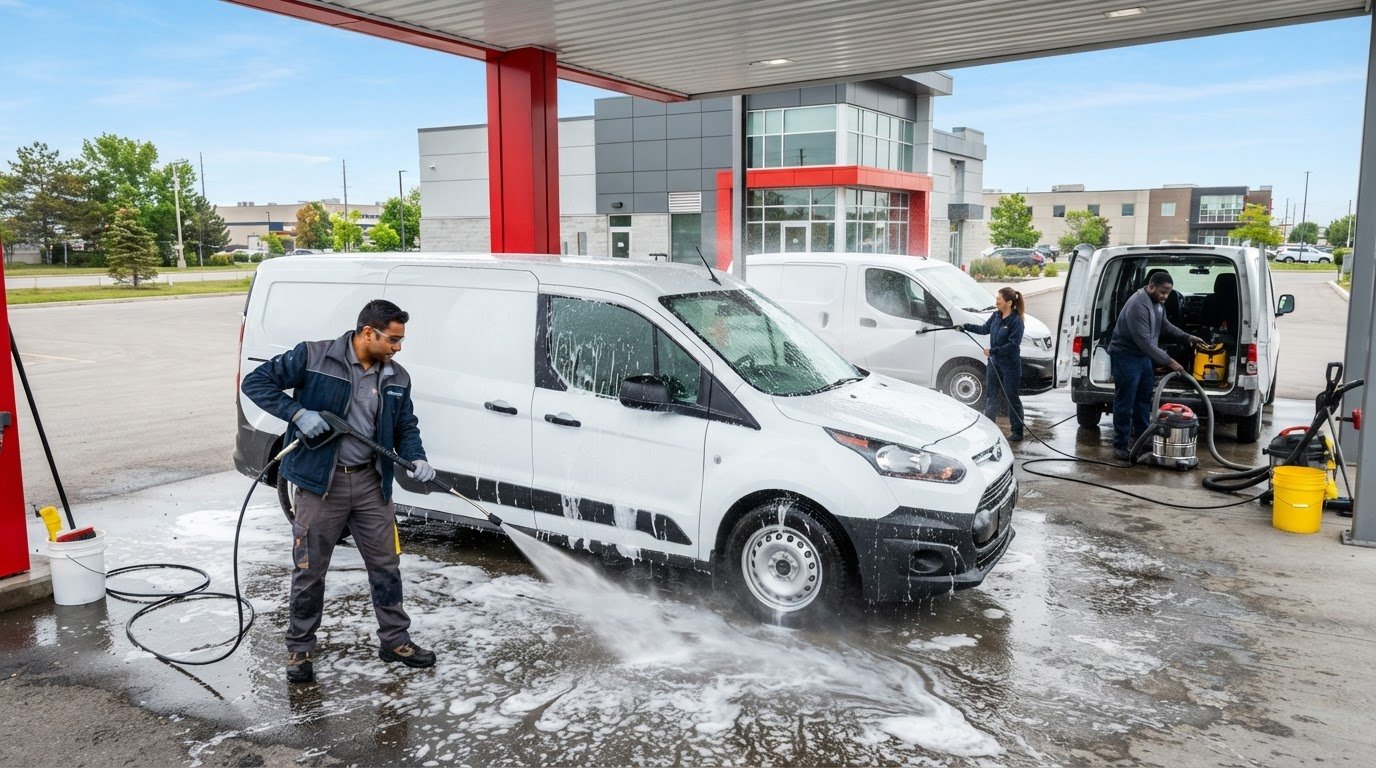
Professional washes are often the more practical choice during winter because they are faster, easier, and better equipped for undercarriage cleaning. For busy families, commuters, and drivers trying to protect value without spending all day on car care, that convenience matters. A wash you actually get done is better than an ideal routine that never happens.
The areas drivers forget most often
Salt does not only attack the obvious panels. Door jambs collect grime. Trunk seals hold moisture. Floor mats trap slush, which then melts and keeps the cabin damp. That interior moisture does not create the same kind of body corrosion as undercarriage salt, but it still adds to that worn-down winter feeling and can lead to odors, stains, and extra mess.
Keeping mats clean and dry, wiping door sills, and clearing packed snow from wheel wells all help more than people think. These are small tasks, but they reduce how much moisture and grime stays in contact with the vehicle day after day.
Watch the weather when you wash
Some drivers avoid winter washing because they worry about frozen doors and locks. That is a fair concern, especially in deep cold. The workaround is simple – wash during the warmest part of the day when possible, dry problem areas, and open and close the doors once after the wash. If temperatures are extreme, waiting a day may make sense, but waiting weeks usually does not.
The bigger risk is letting salt sit too long. A little planning solves most cold-weather wash issues.
What saves money over the long run
If your goal is to spend less, prevention wins. Regular washes cost less than rust repair, paint correction, or replacing corroded components early. They also help preserve resale value, which matters whether you trade in every few years or keep your car until the wheels fall off.
For drivers who wash often in winter, package pricing or an unlimited membership can be the best value because it removes the mental debate each time the car gets dirty. You stop treating washing like an occasional extra and start treating it like basic vehicle maintenance. That shift alone can make a big difference.
At places like Nanak Car Wash, that practical approach makes sense for everyday drivers. Fast exterior washes, underbody cleaning, detailing options, and rust proofing services all fit the same goal – keep the vehicle cleaner, protect it longer, and do it without overpaying.
Road salt is part of winter driving, but long-term damage does not have to be. A clean undercarriage, regular washes, paint protection, and timely rust proofing can go a long way. The best routine is the one you can keep up with all season, because winter car care works best when it is consistent, not occasional.

 6600 Finch Ave W, Etobicoke, ON M9V 3Z6
 647-703-8515
 MON – SUN 8 AM to 7 PM