

Road salt does its job in winter, but it is rough on vehicles. It collects in wheel wells, sticks to the undercarriage, and works its way into seams you cannot see. Good rust prevention is not about making a car look perfect for one day. It is about keeping small corrosion problems from turning into expensive body, brake, suspension, and structural repairs.
For drivers who commute, carry kids, run deliveries, or simply want to keep a vehicle longer, a few practical habits can make a real difference. The key is removing salt, controlling moisture, and protecting vulnerable areas before rust gets a chance to spread.
Why road salt creates expensive problems
Rust starts when bare metal is exposed to oxygen and moisture. Salt makes the process happen faster because it holds moisture against the metal and helps corrosion spread. A quick drive through slush can leave salty water on the underside of your vehicle for days, especially when temperatures stay low and the roads remain wet.
The paint on your doors, hood, and roof is only part of the story. The bigger concern is underneath: brake lines, fuel lines, subframes, suspension components, exhaust hangers, rocker panels, frame rails, and mounting points. These areas take the full force of road spray, but many drivers do not inspect them until a mechanic spots a problem.
Surface rust is common and does not always mean a vehicle is unsafe. Still, it should not be ignored. Once corrosion begins to flake, bubble paint, weaken a panel, or eat into a line or bracket, the repair can move from a simple treatment to a replacement job.
Rust prevention starts with regular washing
A clean vehicle is easier to maintain, but winter washing is about more than appearance. Regular exterior washes remove the salt film that builds up on painted surfaces, wheels, door jambs, and lower body panels. For real protection, the wash also needs attention underneath the vehicle.
During the snowy season, wash after major storms, after long highway drives, or whenever your vehicle has been exposed to wet salty roads. You do not need to wait until the car looks dirty. Salt can be doing damage even when the paint still looks clean.
Ask for an undercarriage rinse when it is available. This helps flush salt and grime out of areas where a hand wash or a basic exterior rinse may not reach. Pay close attention to wheel wells, behind mud flaps, around the rocker panels, and inside the lower edges of doors and tailgates.
There is a practical balance here. Washing every day is not necessary for most drivers, and it will not replace proper corrosion protection. But waiting until spring to remove months of buildup gives salt far too much time to sit in hidden areas. A consistent wash routine is affordable prevention compared with bodywork or line replacement.
Do not forget the interior moisture
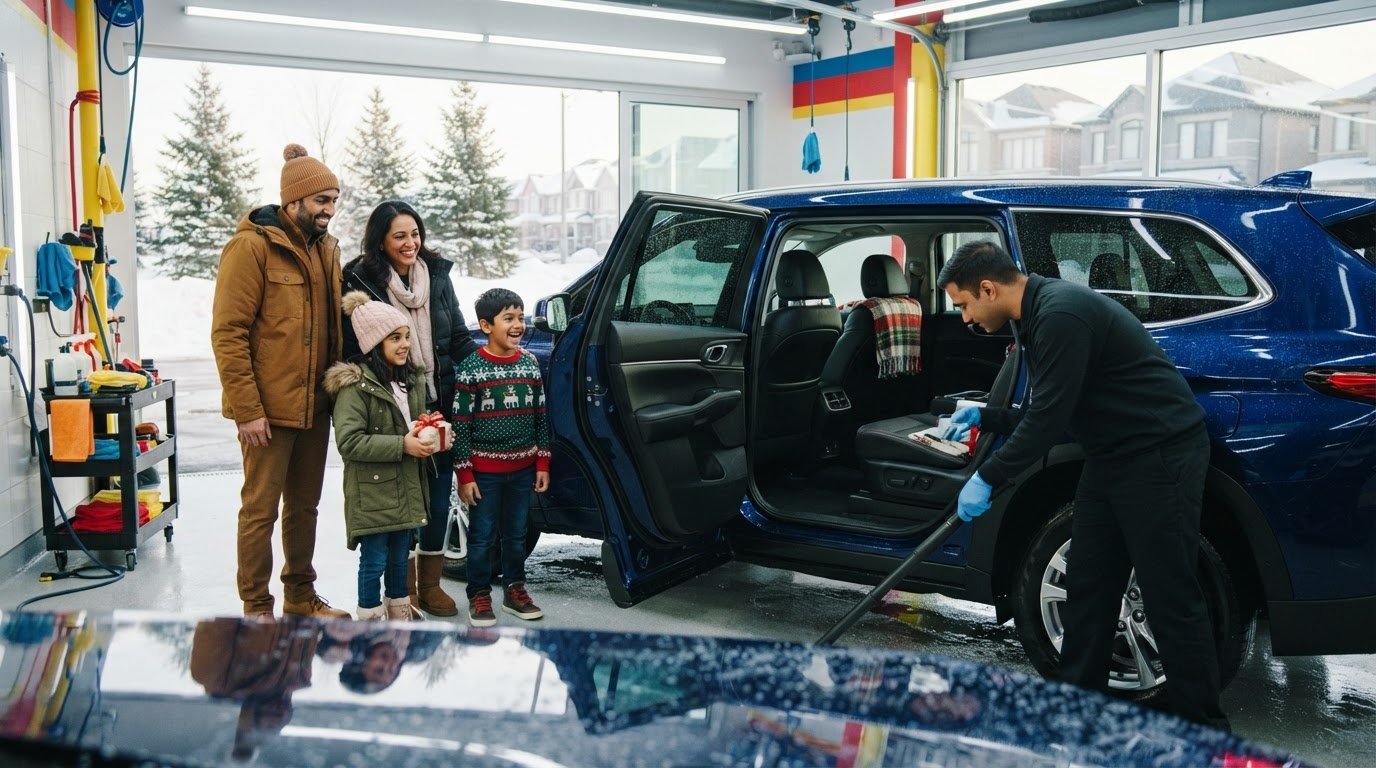
Snowy boots, wet mats, and spilled slush can create another rust risk from inside the vehicle. Water trapped under floor mats or carpet can lead to moldy odors and, in some cases, corrosion on floor pans or seat mounts.
Shake out rubber mats regularly and let fabric mats dry fully when possible. If carpeting feels wet after winter weather, get it cleaned and dried instead of covering it with another mat. A detailed interior cleaning is not just about looks – it helps keep moisture from staying where it does not belong.
Know where rust hides first
Most rust begins in places that are easy to miss during a quick walk around the car. Check the bottom edges of doors, the lip of the trunk or hatch, rocker panels, wheel arches, hood edges, and areas around windshield chips. Look for bubbling paint, orange staining, peeling undercoating, or small spots where paint has been scratched away.
Underneath, rust may show up around suspension parts, fasteners, exhaust connections, and metal lines. Some surface discoloration is normal on exposed steel components, especially in areas with harsh winters. The warning signs are deep scaling, cracks in protective coating, soft metal, leaking lines, or parts that look heavily flaked and uneven.
If you spot a paint chip, deal with it early. Clean the area, remove loose material, and use an appropriate touch-up product or have it repaired. A tiny chip near a wheel arch can turn into a larger rust spot because it gets hit with water, sand, and salt every time you drive.
Rust proofing adds protection where washing cannot
Washing removes contaminants. Rust proofing adds a protective barrier to metal surfaces and hard-to-reach areas. Depending on the service, the treatment may be applied to the underbody, seams, door cavities, frame sections, rocker panels, and other corrosion-prone areas.
For many everyday drivers, an oil-based or penetrating rust-proofing treatment is a practical choice because it can creep into seams and help displace moisture. It may need periodic reapplication, and some product drip after service can be normal. That is a trade-off worth understanding before booking.
Hard coatings and undercoating products can also be useful when applied correctly to clean, sound surfaces. However, applying a thick coating over active rust or trapped moisture can hide a problem rather than solve it. Preparation matters. A good service should inspect the vehicle and choose an approach that fits its condition, age, and use.
Newer vehicles benefit from rust proofing too. Factory coatings offer protection, but they are exposed to stones, salt, potholes, and regular wear from the first winter onward. Starting early is usually easier and less expensive than trying to slow corrosion once it is already spreading.
When should you book rust proofing?
Late summer or fall is a smart time because the vehicle can be treated before winter road salt arrives. That said, it is still worthwhile later in the season if your vehicle has been cleaned and inspected first. The best time is before small issues become large ones.
Drivers who travel highways often, park outdoors, use their vehicle for rideshare or deliveries, or keep vehicles for many years may see the greatest value from regular treatments. Fleet owners should also think about rust prevention as part of planned maintenance. Downtime from corroded brake lines or damaged underbody components costs more than a scheduled protection service.
Simple habits that help your vehicle last longer
Rust protection works best when it is part of normal car care, not a one-time emergency purchase. Keep drains clear around the windshield and sunroof if your vehicle has one. Remove leaves and debris from the cowl area. Repair damaged splash shields, as they help manage water and road spray underneath the car.
Avoid letting mud, salt, and wet debris sit behind wheel liners or in body seams. If you hear a loose liner or see a damaged mud flap, have it fixed. These small parts help protect areas that are otherwise constantly blasted by road grime.
It also pays to schedule a visual inspection at least once a year. A detailing or rust-proofing appointment is a good opportunity to ask about visible concerns, especially if you notice paint bubbles, discolored seams, or heavy buildup underneath. At Nanak Car Wash, rust proofing can be paired with regular cleaning so your vehicle is not only protected, but easier to keep looking its best.
A dependable car does not need to be showroom-new, but it does need attention before the damage is obvious. Keep salt off the vehicle, keep moisture from sitting inside it, and protect the metal that road spray reaches every day. Those simple steps can help you spend less on repairs and get more years out of the ride you already own.

 6600 Finch Ave W, Etobicoke, ON M9V 3Z6

 647-703-8515
 MON – SUN 8 AM to 7 PM