

You leave work on the Gardiner, follow a salt truck through grey slush, and arrive home with a brown film across the bonnet, doors, mirrors, and wheels. By morning, that film has dried into seams and wheel wells, while the inside carries a different reminder of winter, wet mats, gritty carpets, and salt residue around the pedals.
That's normal Toronto driving, but it shouldn't become your maintenance plan. Toronto detailing car care has to account for salt, thaw cycles, highway spray, parking conditions, and how often you use the vehicle, not just how shiny you want it to look. The right service depends on whether you drive daily, carry passengers, manage several vehicles, or keep an SUV exposed to treated roads.
Table of Contents
- Why Detailing Matters More in the GTA Than You Think
- What Car Detailing Means
- Comparing the Four Main Service Tiers
- What Happens During a Detailing Appointment
- Pricing, Bundles, and Membership Value
- Best Service Picks for Different GTA Drivers
- Seasonal Prep and Protection for Ontario Winters
- Your Quick Toronto Detailing Action Plan
Why Detailing Matters More in the GTA Than You Think
The challenge Toronto drivers face is exposure to treated roads. Toronto has a reputation for being less car-dependent than other major Canadian cities, yet vehicle ownership remains substantial. A 2026 study reported that 72% of Toronto residents said they own a car, compared with a national average of 85%, as reported in the Toronto vehicle-ownership coverage. Toronto Metropolitan University research also found that car-owning households in the GTHA increased by 355,000 since 2006, including 88,000 in the City of Toronto, according to its GTHA car-ownership analysis.
That ownership pattern matters because every vehicle left on GTA roads still faces salt brine, slush, freezing, thawing, and traffic spray. Residue reaches rocker panels, wheel wells, exhaust components, brake lines, subframes, and lower door seams. A thaw can reactivate salt that appeared harmless after a cold snap.
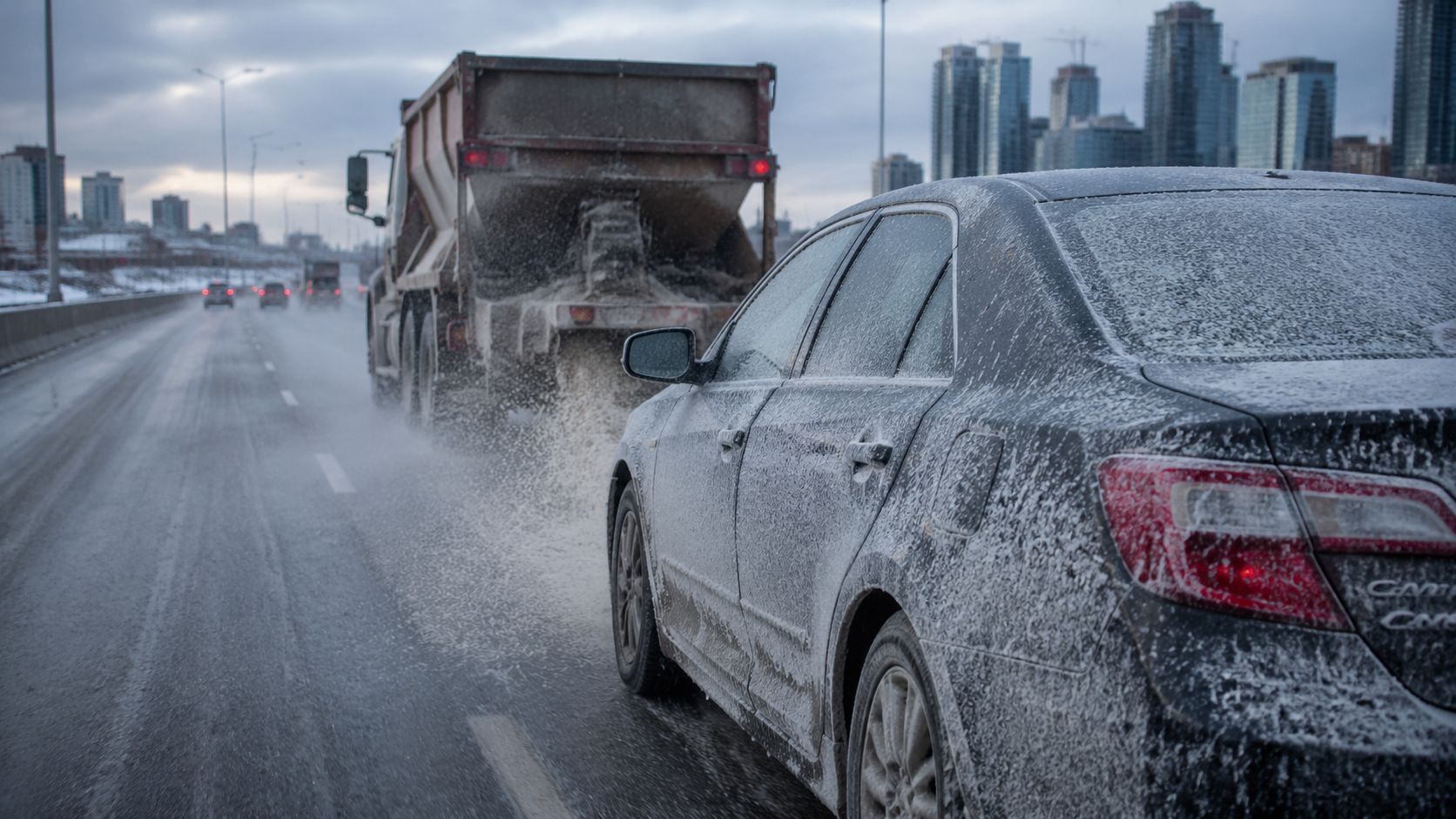
Salt removal is maintenance, not vanity
Ontario's vehicle base continues to grow. Vehicles registered in the province increased by an average of 143,665 per year between 2018 and 2022, with a 298,131-vehicle increase in 2020, according to Toronto Metropolitan University's research on car-owning households and vehicle growth. For GTA households and businesses, washing, interior cleaning, and protective services belong on a maintenance schedule, especially for daily commuters, fleet vehicles, and cars parked outdoors.
A Vancouver driver may mainly manage rain and dampness. A Toronto commuter deals with repeated contamination, drying, freezing, thawing, and fresh spray from traffic. Service frequency should follow that exposure, not a preference for showroom gloss.
Practical rule: If your vehicle sees treated roads regularly, prioritise salt removal and underbody rinsing before chasing gloss.
Ontario road-salt guidance recommends washing every one to two weeks during salt season and including an underbody rinse, because chloride brine can remain active during thaws and move into seams and lower panels. That GTA road-salt guidance provides a sensible starting point for a Toronto detailing car routine.
Skipping those washes only postpones the cost. Salt left in seams and lower panels can contribute to paint correction, rust repair, wheel refinishing, brake work, or premature replacement of exposed components. Detailing cannot prevent every form of wear, but regular salt removal stops contamination from continuing to work after the drive ends.
What Car Detailing Means
Car detailing is a staged cleaning and reconditioning process performed by hand and with specialised equipment. It covers the cabin, paintwork, wheels, glass, trim, and hard-to-reach areas. A quick wash removes loose dirt. Detailing goes further to investigate what remains on the paint and surfaces.
Exterior work usually begins with a pre-rinse or foam pre-wash to loosen traffic film. Technicians then clean the body, wheels, wheel wells, door jambs, and lower panels, often using separate tools to prevent grit transfer. Paint decontamination may involve a clay bar, followed by hand or machine polishing where the finish needs correction. Protection comes last, using wax, paint sealant, or another approved product.
Interior detailing requires different methods for each material. A proper appointment can include:
- Dry removal: Vacuuming seats, carpets, mats, the boot, vents, rails, and crevices.
- Fabric treatment: Steam cleaning or hot-water extraction for carpets, mats, and cloth seats.
- Leather care: Cleaning first, then conditioning leather to prevent drying and brittleness.
- Surface finishing: Cleaning glass, door jambs, consoles, dashboards, and interior trim.
- Contamination control: Targeted treatment for salt, stains, pet hair, and odours.
The difference between a wash and a detail
A tunnel wash is built for speed and repeat use. Detailing is built around inspection and correction. The technician works panel by panel, selects products according to the material, and checks the result throughout the appointment.
Ontario winter exposure makes that difference practical. Washing can remove loose salt while bonded contamination remains on the paint. Vacuuming can collect loose grit while residue stays pressed into floor mats and carpet fibres. A detailer identifies those layers and treats each surface according to its condition.
The payoff is both visual and protective. Paint can regain depth and gloss, while polishing may reduce the appearance of light swirls and haze. Careful cleaning and protection also help preserve clear coat, keep leather supple, and reduce the chance that embedded fabric contamination becomes a lasting odour or stain.
A finished detail makes routine care easier. Once the paint has been decontaminated and protected, maintenance washes can remove fresh road film without relying on a quick wash to solve an older contamination problem. For GTA vehicles exposed to salt and slush, that separation keeps deeper correction from becoming the default at every visit.
Comparing the Four Main Service Tiers
Toronto drivers often choose the wrong service because they compare packages by appearance instead of use. A clean commuter car, a salt-loaded SUV, and a lease return don't need the same appointment.
| Tier | Typical Duration | What Is Included | Best For |
|---|---|---|---|
| Express Wash | Short visit | Exterior rinse, soap, rinse, drying, with available protection or underbody upgrades | Frequent maintenance between deeper services |
| Full-Service Wash | Standard visit | Exterior wash, hand drying, interior vacuuming, dashboard and glass cleaning | Daily commuters and family vehicles |
| Interior and Exterior Detailing | Extended appointment | Hand cleaning, decontamination, polishing, extraction, leather care, and protection | Seasonal resets, lease returns, and sale preparation |
| Rust Proofing | Scheduled treatment | Specialised underbody corrosion protection using an appropriate treatment system | Daily-driven vehicles exposed to Ontario salt |
Tier one, express wash
Use an express wash when the vehicle needs frequent surface maintenance, not restoration. It's the right choice after a dirty highway commute, before salt dries on the panels, or between two more complete appointments. Drivers with clean storage and light use can make this their regular touch-up.
It won't replace interior extraction, paint decontamination, or corrosion treatment. Treat it as the rhythm that keeps contamination from accumulating.
Tier two, full-service wash
A full-service wash is the sensible middle ground for most commuters. Exterior cleaning is paired with vacuuming and basic cabin wipe-down, so the car looks presentable without turning the visit into a major booking.
This tier suits people who use the car every day and want a repeatable standard. It's also useful for families that need regular attention to cup holders, consoles, door panels, and mats, but don't yet need deep shampooing.
Tier three, interior and exterior detailing
Choose this when ordinary washing has stopped producing a meaningful improvement. A proper detail addresses embedded contamination, dull paint, stains, odours, leather, and areas that routine services skip.
This is the correct tier for a spring reset, a pre-sale preparation, a lease return, or a vehicle that has accumulated months of salt and grime. It's also where machine polishing and protective product application make sense.
Tier four, rust proofing
Rust proofing is not a cosmetic upgrade. It targets the vehicle's underside and should be considered by drivers who regularly use salted roads, especially those keeping a vehicle for the long term.
These tiers stack rather than compete. A sensible GTA routine can combine frequent washes, deeper seasonal detailing, and an annual corrosion-protection appointment.
What Happens During a Detailing Appointment
A professional appointment should begin before anyone turns on a pressure washer. You hand over the keys, the technician confirms the booked service, and both sides inspect the vehicle's condition. The intake should identify paint defects, interior stains, pet hair, smoke concerns, damaged trim, and items left inside the cabin.
That inspection protects you and the shop. It sets a realistic result, prevents confusion about pre-existing damage, and gives the technician a basis for choosing products and techniques.
The work normally proceeds in a controlled sequence:
- Exterior preparation: Foam pre-wash loosens the heaviest film before contact washing.
- Hand wash: A two-bucket method separates wash solution from rinse water and reduces grit transfer.
- Wheels and underbody areas: Wheels, tyres, wheel wells, and lower sections receive dedicated attention.
- Paint decontamination: A clay bar removes bonded particles that washing leaves behind.
- Paint correction and protection: Machine polishing addresses suitable defects, then a sealant or other protective product is applied.
- Interior restoration: Vacuuming, steam cleaning, extraction, leather conditioning, and glass finishing complete the cabin.
Timing and pickup
A straightforward express detail may take about two hours, while a full correction can take five to seven hours, depending on condition and scope. A heavily contaminated interior, large vehicle, pet hair, or multi-stage correction can require the vehicle overnight.
Don't judge the job only under shop lighting. At pickup, walk around the vehicle in daylight if possible. Check the lower doors, wheel faces, glass, mats, boot area, and visible paintwork. Ask what protection was applied and what maintenance the technician recommends.
At pickup, inspect the areas you normally ignore. Clean door jambs, dry carpets, clear glass, and rinsed wheel wells tell you more than a glossy bonnet.
Pricing, Bundles, and Membership Value
Price should follow the service's labour and technical scope. An express wash is a repeat maintenance purchase. A detail costs more because the technician spends time on contamination, material care, inspection, and correction. Rust proofing sits in its own category because the target is the underside rather than the visible finish.
| Service Tier | Price Range (CAD) | Typical Turnaround |
|---|---|---|
| Express tunnel wash | $15 to $30 | Short visit |
| Full hand wash and interior vacuum | $60 to $120 | Standard visit |
| Standard interior and exterior detail | $200 to $450 | Extended appointment |
| Paint correction and ceramic coating | $500 to $1,200 | Long appointment or staged service |
| Annual rust proofing | $120 to $250 | Scheduled treatment |
Memberships only work with repeat use
An unlimited plan makes sense when you wash frequently through winter. If you visit only occasionally, paying per wash or buying a small prepaid bundle is cleaner financially. If you're washing more than once every two weeks during salt season, an unlimited membership will usually beat pay-per-wash pricing, provided the plan includes the services you need and the location is convenient.
Don't buy a membership because the monthly fee feels small. Count realistic visits, including weeks when temperatures, work, or travel make a wash impractical. A membership also won't replace interior detailing or paint decontamination.
Bundles and add-ons
Prepaid tickets can suit a household with predictable driving or a small business fleet. Compare the bundle's usable services, expiry rules, vehicle-size restrictions, and underbody-wash inclusions before committing.
Some upsells protect the vehicle. Others mainly change its appearance:
- Tire dressing: Primarily cosmetic, although it improves presentation.
- Air freshener: Masks odour and doesn't replace extraction or source removal.
- Engine-bay cleaning: Useful when grime obstructs inspection, but it isn't a substitute for underbody corrosion care.
- Underbody rinse: A practical salt-removal upgrade during treated-road conditions.
- Sealant or wax: Adds a sacrificial layer that makes future cleaning easier.
Nanak Car Wash offers express and full-service washes, appointment-based interior and exterior detailing, rust proofing, prepaid options, and monthly memberships, so drivers can keep several stages of the same maintenance plan in one provider.
Best Service Picks for Different GTA Drivers
The right package depends on how often your vehicle accumulates contamination. Toronto's salt, slush, wet boots, and stop-and-go driving affect each vehicle differently, so choose service frequency and depth around actual use.
Ride-hail and delivery drivers
Passenger-facing vehicles need frequent exterior washing and recurring interior attention. Food, boots, wet clothing, and constant entry create wear that a monthly vacuum will not solve. Schedule regular surface washing, then book interior detailing often enough to remove embedded residue, odour sources, and stains before they become difficult to correct.
Keep visits short and repeatable. A quick maintenance appointment protects vehicle availability better than allowing the cabin and exterior to deteriorate until restoration takes much longer.
Fleet managers
For a small contractor fleet, consistency matters more than individual vehicle perfection. Use prepaid bundles or a commercial arrangement with a defined wash schedule, then add deeper detailing for vehicles assigned to customer-facing work or returning from harsh jobsites.
Keep an inspection record for each vehicle. Note interior condition, salt accumulation, visible paint damage, and rust-proofing dates. Managers preparing vehicles for customer presentations can also use ideas from car dealership video marketing to support a broader vehicle-presentation strategy.
Dealerships and trade-in preparation
Assess each used vehicle before approving paint correction. Look for recoverable haze, swirls, oxidation, and bonded contamination. A strong candidate may need a one-step correction followed by a suitable protective product, improving presentation without turning preparation into an open-ended restoration.
Give the interior equal attention. Buyers notice glass, odours, mats, seat bolsters, cup holders, and boot areas quickly. Dealership preparation should remove visible neglect first, then direct correction work toward features that affect perceived condition and sale readiness.
SUV, truck, and crossover owners
Larger vehicles collect more contamination across broad lower panels, running boards, wheel wells, and underbody areas. Prioritise underbody flushing during salt season, scheduled rust protection, and a spring decontamination service with clay-bar treatment and fresh protection. These services suit vehicles exposed to treated roads, construction sites, towing, or regular gravel travel.
Seasonal Prep and Protection for Ontario Winters
Toronto winter care should follow a schedule. Before freeze-up, remove dirt and salt from the exterior, underbody, wheel wells, rocker panels, mats, and carpet edges. Waiting until spring lets brine sit where you cannot easily inspect it.
Apply a compatible protective product after the paint is clean and decontaminated. If you want a ceramic coating, book it while the shop can control temperature and curing conditions. Ceramic protection can make salt and grime easier to remove, but a rushed outdoor application is a poor winter investment.
During salt season, wash often enough to remove fresh contamination before it hardens. Ontario guidance recommends washing every one to two weeks through salt season, including an underbody rinse, as noted in the road-salt damage guidance for Ontario drivers. Adjust that routine for road exposure, parking, and weather. A vehicle driven daily on the 401 needs tighter maintenance than one used for occasional errands.
Match the service to the season
- Before winter: Clean and decontaminate the paint, inspect lower panels, and apply protection.
- During winter: Schedule repeat washing with underbody flushing. Add an interior clean when salt and moisture collect in the mats.
- After winter: Book a deeper reset. Clay-bar treatment removes bonded contamination that regular washing leaves behind, and a fresh sealant makes future cleaning easier.
- Once temperatures stabilise: Extract carpets and mats, clean door seals and jambs, and address lingering odours at the source.
Waterless washing suits lightly soiled vehicles, condo residents, and some mobile-service appointments. It does not suit a car covered in gritty winter brine. Choose a method that lifts and rinses contamination safely instead of rubbing grit across the finish.
Winter rule: Choose a salt-removal wash when the underside and lower panels are the concern. A quick surface rinse will not clear the residue that collects in those areas.
Your Quick Toronto Detailing Action Plan
Start with the vehicle you have today, not the perfect schedule you might follow later.
This week, inspect rocker panels, wheel wells, floor mats, carpet edges, and door jambs. If salt has collected or the interior smells damp, book a condition assessment and choose a service that removes the residue rather than masking it.
Each month, schedule a full-service wash with an underbody rinse if your driving involves treated roads. Empty the cabin before the appointment, check the wiper blades, shake out the mats, and tell the technician about pet hair, stains, or odours so the service is scoped correctly.
Before winter, arrange rust proofing early enough for the treatment to be applied properly. After winter, schedule a decontamination detail with clay-bar treatment, interior extraction, and fresh paint protection once conditions are suitable.
Review your membership or bundle when your mileage, parking location, or work pattern changes. A driver who moved from occasional errands to daily commuting may need frequent maintenance washes, while a low-use vehicle may be better served by individual appointments.
Keep receipts and service notes, including wash dates, detailing work, and rust-proofing treatments. A clear maintenance record helps you explain how you cared for the vehicle when it's time to trade or sell.
Nanak Car Wash provides express and full-service washing, interior and exterior detailing, rust proofing, prepaid bundles, and membership options for GTA drivers managing salt, slush, and repeat vehicle use. Visit Nanak Car Wash to choose a service that fits your vehicle's condition and book your next maintenance visit.
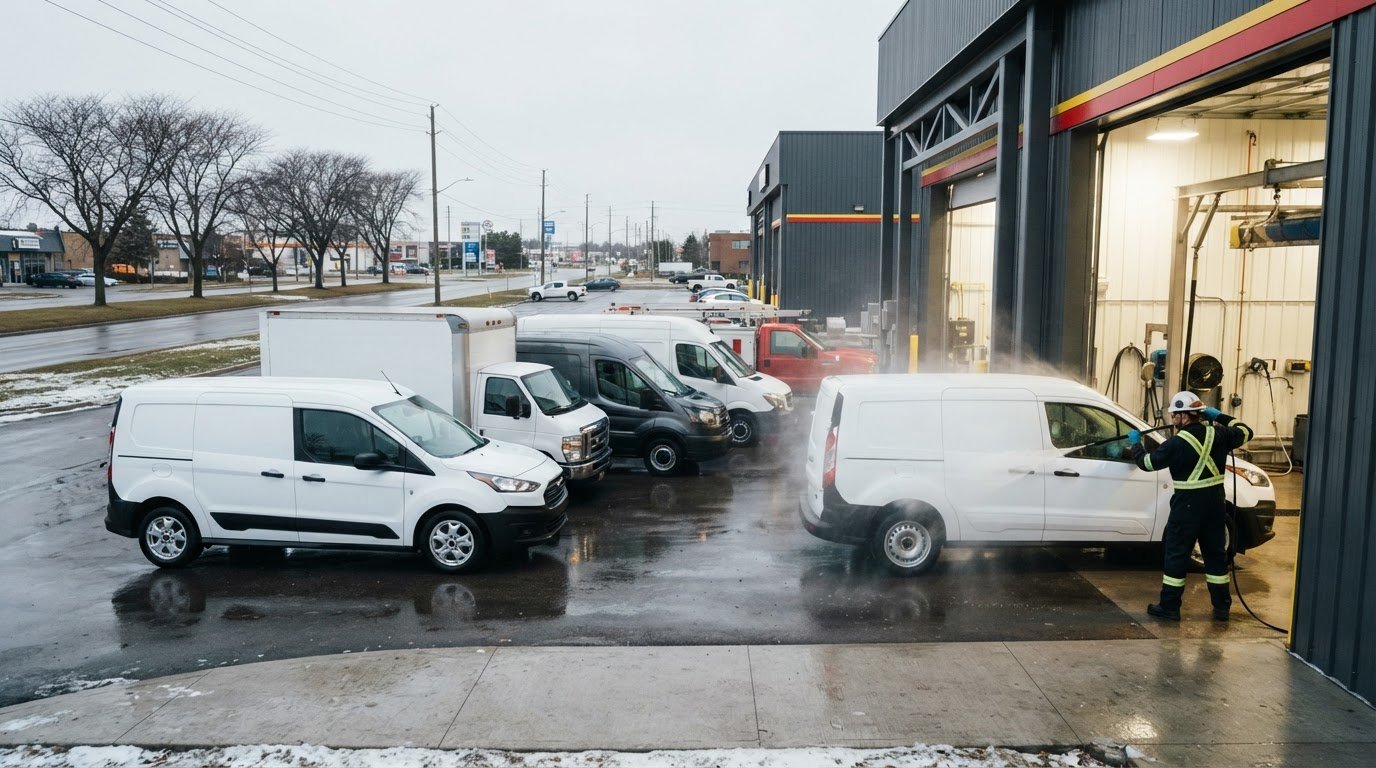

 6600 Finch Ave W, Etobicoke, ON M9V 3Z6
 647-703-8515
 MON – SUN 8 AM to 7 PM