

A car can look fine from ten feet away and still be overdue for detailing. That is usually how it starts – a little dust on the dash, salt around the mats, a stain in the back seat, brake dust on the wheels, and a smell you keep hoping will go away on its own. If you are asking when should you detail your car, the real answer is not once a year just because it feels like enough. It depends on how you drive, where you park, who rides with you, and how long you want your vehicle to stay in good shape.
When should you detail your car based on real use?
For most everyday drivers, a full detail every four to six months is a smart schedule. That gives you enough frequency to stay ahead of grime, stains, road salt, and interior buildup without turning car care into a major expense. If your vehicle gets heavy use, every two to three months makes more sense.
That includes commuters who spend hours on the road, families with kids, rideshare drivers, pet owners, and anyone who eats in the car more often than they admit. Dirt builds slowly, then all at once. By the time your seats look dull and your carpets feel rough, cleanup usually takes more work and costs more than simple upkeep would have.
A detail is different from a basic wash. A regular exterior wash handles surface dirt and helps your car look presentable. A detail goes deeper. It deals with the interior, the hard-to-reach areas, stuck-on grime, dashboard dust, mats, upholstery, and the finish on the outside. If you only wash the exterior and ignore the inside for months, your car may still look clean in photos but not in real life.
The biggest signs your car is due for detailing
Sometimes the calendar matters less than the condition of the vehicle. If you notice dust returning quickly, stains setting into fabric, cloudy glass, greasy touchpoints, or dirt packed into the floor mats, it is time. The same goes for bad smells, pet hair, salt residue, and that sticky feeling on cup holders and console areas.
Exterior signs matter too. If your paint feels rough after a wash, your wheels stay dark even after rinsing, or bug splatter and road film are hanging on, a deeper clean is overdue. Waiting too long can make contaminants harder to remove, especially after winter or a long stretch of highway driving.
One simple test helps. Sit in your parked car in daylight and look around without touching anything. If the dashboard has visible dust, the seats have marks, the windows have haze, and the floors look tired, your car is not just a little dirty. It needs a detail.
Seasonal timing makes a big difference
If you want the most practical answer to when should you detail your car, think seasonally.
Spring detailing
Spring is one of the best times to book a detail. Winter leaves behind salt, sand, slush stains, and moisture that can linger in carpets and mats. Even if you wash your car often during cold months, the interior usually takes a beating. A spring detail resets the vehicle after months of harsh conditions and helps prevent long-term wear.
For drivers in busy suburban areas, this is often the most valuable detail of the year. It cleans up what winter hid and gets the car ready for warmer weather.
Summer detailing
Summer brings a different kind of mess. Dust, pollen, sunscreen, spilled drinks, melted snacks, and vacation debris add up quickly. Heat can also make odors stronger, especially if crumbs, moisture, or old stains are trapped inside.
A summer detail is worth it if your car sees road trips, kids, sports gear, or heavy weekend use. The interior matters most here, though an exterior polish and cleanup can also help your vehicle keep a sharper finish during strong sun and high temperatures.
Fall detailing
Fall is a smart time for prevention. Cleaning the vehicle before winter means less dirt gets ground into carpets and fewer contaminants sit on the paint going into cold weather. It is easier to protect a clean car than rescue a neglected one in January.
If you only detail twice a year, spring and fall are usually the best choices.
Winter detailing
Some people skip detailing in winter because they assume it is pointless. That is usually a mistake. If your car is exposed to road salt, slush, and wet boots every day, winter upkeep matters a lot. You may not need a full deep detail every month, but keeping up with interior cleaning and regular exterior washing helps reduce buildup and keeps the vehicle easier to maintain.
Driving habits matter more than mileage alone
Mileage tells part of the story, but daily use tells more. A car with lower miles can still get filthy if it is used for school drop-offs, coffee runs, job sites, and grocery hauling. On the other hand, a highway commuter may rack up miles quickly but keep the cabin fairly clean.
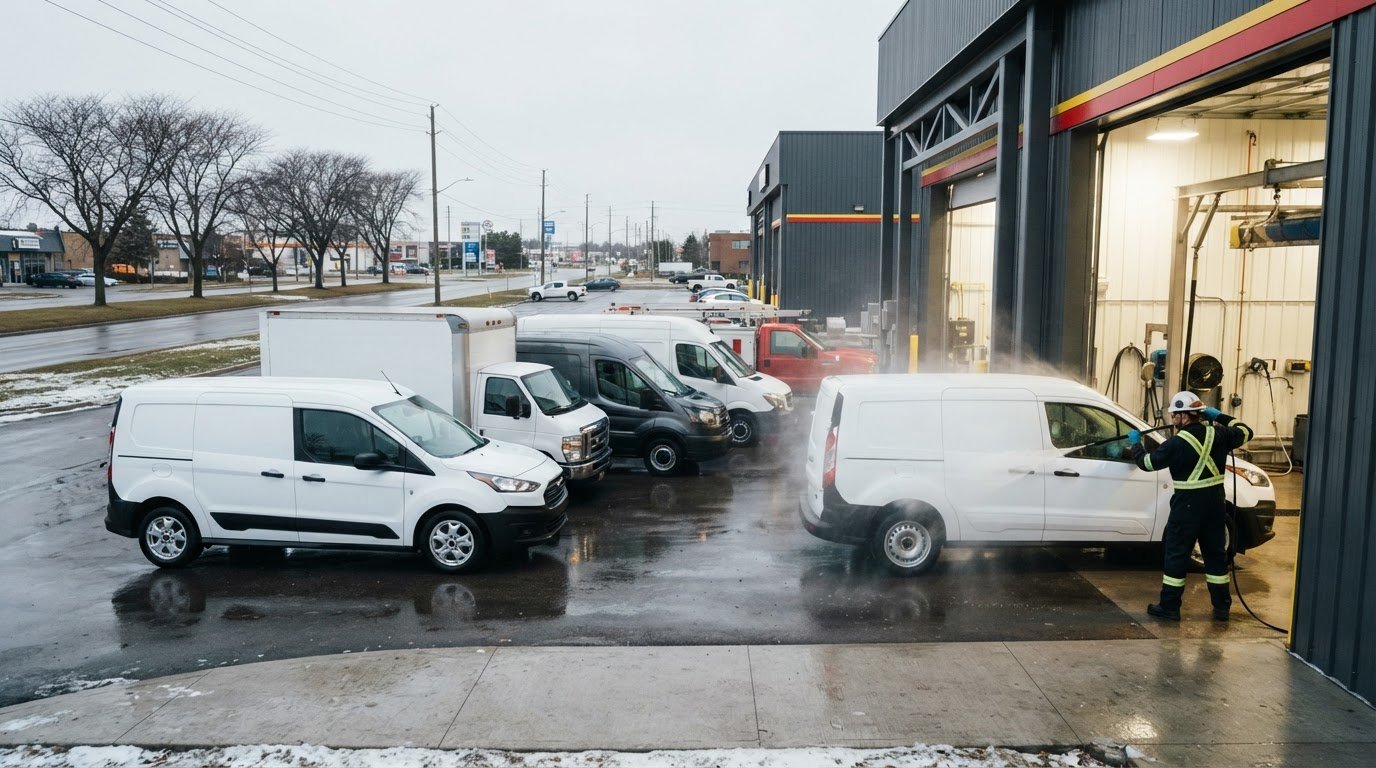
If your vehicle is your workspace, family hauler, or second dining room, you should detail it more often. Rideshare and delivery drivers should be especially proactive. Passengers notice smell, dust, glass streaks, and seat condition right away. A clean vehicle is part of the service.
Pet owners should also move faster than the average schedule. Hair, dirt, paw marks, and odors settle in faster than most people think. Once pet hair gets worked into fabric and carpet, cleanup becomes much more time-consuming.
How regular washes affect detailing frequency
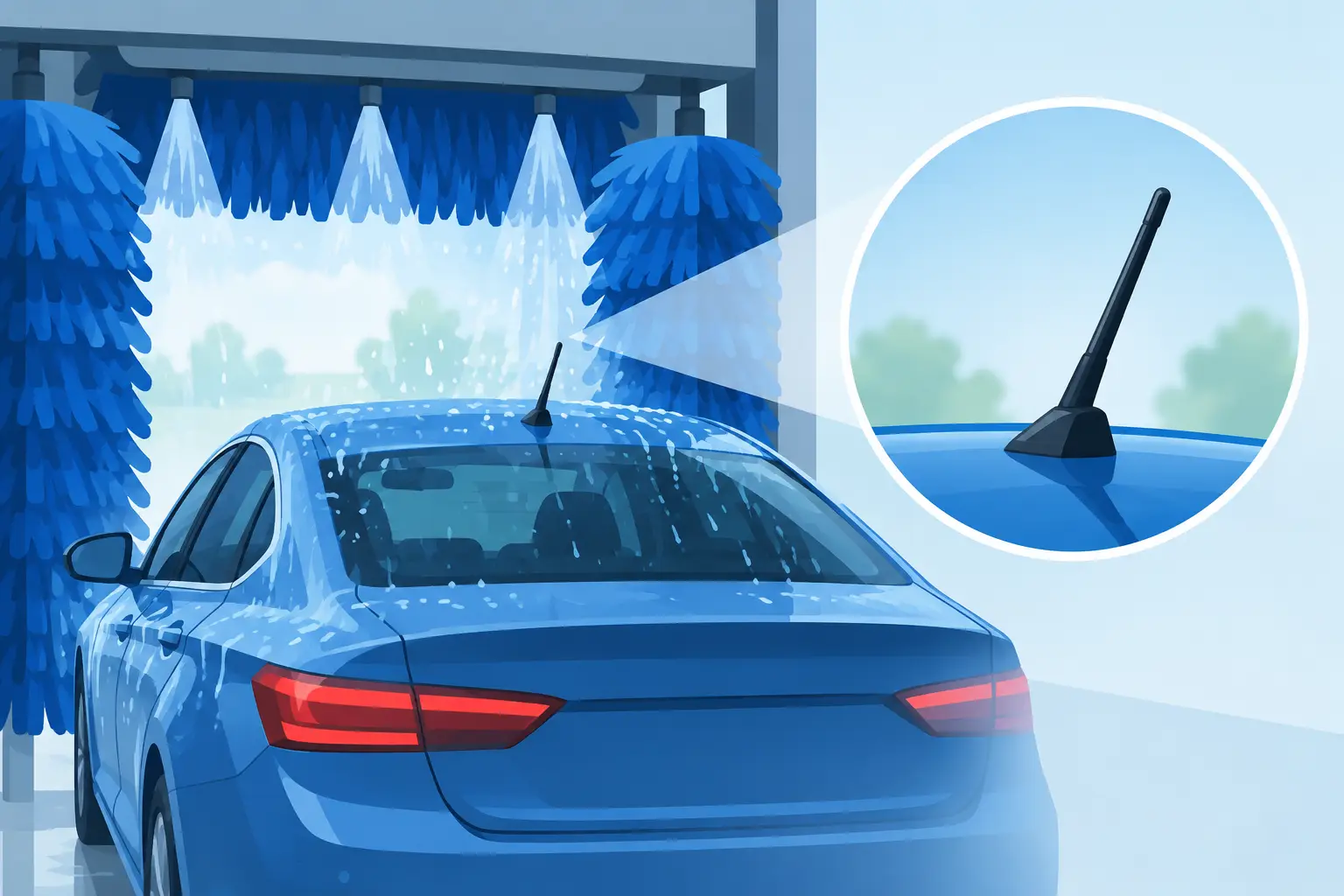
If you wash your car often, you can usually stretch the time between full details. That is one reason routine wash plans make sense for busy drivers. Regular exterior cleaning stops heavy buildup before it gets stubborn, and it keeps the car looking good between deeper services.
But a wash does not replace a detail. It helps maintain one. If you stay on top of exterior dirt and basic interior cleanup, your detailing appointments can focus on restoring and protecting instead of catching up from months of neglect. That usually means better results and better value.
For many drivers, the best balance is frequent washes with scheduled details a few times a year. That keeps the vehicle consistently clean instead of swinging between spotless and completely worn down.
New cars and older cars need detailing for different reasons
A newer car benefits from detailing because it helps preserve the condition you paid for. Keeping the interior clean, the paint maintained, and the surfaces protected helps the vehicle hold its appearance longer. If you just bought the car, early maintenance is easier than trying to fix damage later.
An older car often needs detailing because wear starts to show more clearly. The seats may have stains, the trim may look dull, and the carpets may hold onto odor and residue. A good detail can make an older vehicle feel fresher, cleaner, and better cared for without the cost of major cosmetic work.
That matters if you plan to keep the car for years or if you want to improve trade-in or resale appeal. People notice cleanliness fast. A clean vehicle gives the impression that the rest of the car was looked after too.
When should you detail your car before selling or trading it in?
Before selling, trading in, returning a lease, or handing a vehicle off to a family member, detailing is almost always worth it. First impressions matter. Buyers and appraisers notice the condition of the interior right away, and a clean exterior helps the whole vehicle show better.
This does not mean you need to overspend on services the car will not benefit from. It means presenting the vehicle well. Deep vacuuming, mat cleaning, dashboard cleanup, stain removal, glass cleaning, and a proper exterior wash can make a real difference in how the car is perceived.
If the vehicle has odors, pet hair, or visible grime, detailing becomes even more important. Those issues make people assume there are bigger maintenance problems hiding underneath.
The cost question – detail before it gets expensive
A lot of drivers wait because they do not want to pay for detailing too often. Fair enough. But waiting too long usually creates a more expensive mess. Stains set. Salt lingers. Dirt gets ground into fabric. Wheels collect baked-on brake dust. What could have been a straightforward cleaning becomes a tougher restoration job.
That is why practical car care is about timing, not luxury. You do not detail your car just to make it shine for one day. You do it to keep the vehicle easier to clean, more pleasant to drive, and less likely to wear out early in the places you see and touch every day.
A value-focused approach works best. Keep up with regular washes, handle small messes quickly, and schedule detailing before the car gets too far gone. For a lot of everyday drivers, that means building it into the year instead of treating it like a rare event.
If your car is starting to feel tired, that is usually your answer. The best time to detail it is before the dirt becomes the new normal. A clean vehicle is easier to live with, easier to maintain, and a lot nicer to get into every morning.

 6600 Finch Ave W, Etobicoke, ON M9V 3Z6
 647-703-8515
 MON – SUN 8 AM to 7 PM