
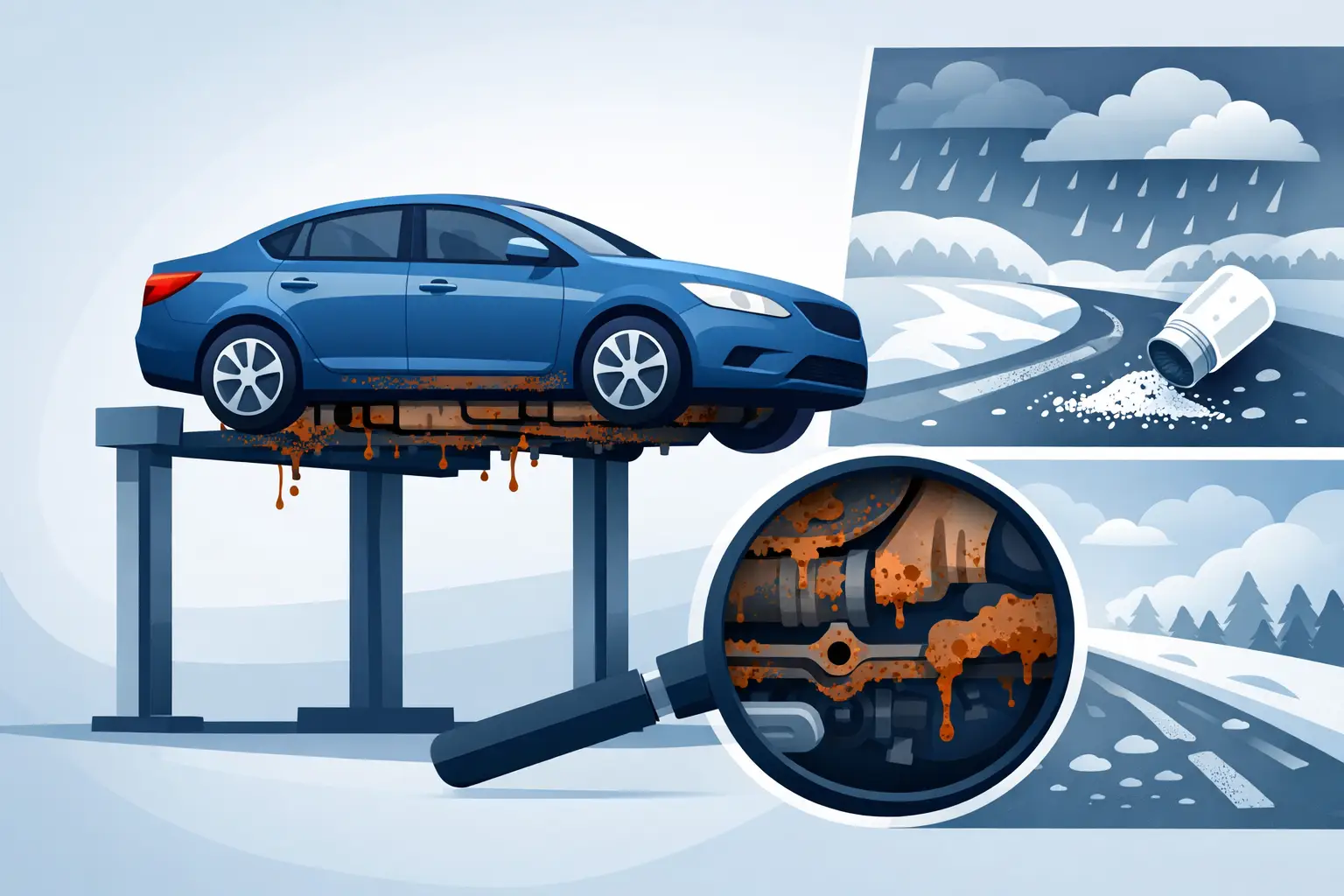
That flaky orange-brown crust under a vehicle usually starts long before most drivers notice it. If you have ever wondered why cars rust underneath, the short answer is simple: the underside takes the most abuse, stays wet the longest, and gets hit with salt, dirt, and road grime every time you drive.
For drivers who deal with rain, snow, slush, and salted roads, underbody rust is not some rare problem. It is everyday wear that builds up slowly and then gets expensive fast. What starts as light surface corrosion on metal parts can turn into weakened components, seized bolts, brake line damage, exhaust problems, and costly repairs that could have been delayed or reduced with regular care.
Why cars rust underneath more than other areas
The underside of a car lives in the worst possible environment. The roof and doors may get dirty, but they are easier to rinse, easier to dry, and easier to inspect. The bottom of the vehicle is different. It gets sprayed constantly by water, mud, road salt, sand, oil residue, and debris from your own tires and from every vehicle around you.
Moisture is a big part of the problem, but moisture alone is not the whole story. Rust forms when iron and steel react with oxygen and water. Add salt into the mix, and that corrosion process speeds up. Salt lowers the freezing point of water, which is why it is used on winter roads, but it also helps create the perfect conditions for metal to break down faster.
Underneath the car, there are also many seams, joints, brackets, welds, and hidden corners where grime gets trapped. Those areas do not dry quickly. So even after the road looks dry, the underside may still be holding moisture and salt against the metal.
The biggest reasons cars rust underneath
Road salt is the main culprit
In cold-weather areas, road salt is usually the number one reason underbody rust gets so aggressive. Salt sticks to the frame, suspension parts, brake lines, fuel lines, and wheel wells. Once it builds up, it keeps pulling in moisture from the air and holding it against the metal.
That is why winter can be rough on vehicles even if you are not driving through deep snow every day. A quick trip on treated roads is enough to coat the underside. If that layer stays there for days or weeks, corrosion keeps working even while the car is parked.
Dirt and grime trap moisture
Mud, wet dust, and packed grime might seem harmless compared with salt, but they also contribute to rust. When dirt cakes onto the underside, it creates a damp layer that prevents surfaces from drying properly. This is common around wheel wells, rocker panels, and underbody corners where spray collects.
It also makes inspections harder. Rust often starts in places drivers never see because the buildup hides the early warning signs.
Chips, scratches, and worn coatings expose bare metal
Most vehicles leave the factory with some level of protective coating underneath, but that protection does not last forever. Gravel, road debris, ice chunks, and repeated abrasion wear away coatings over time. Once bare metal is exposed, rust can begin much more easily.
This is one reason older vehicles often rust faster underneath. The protection has taken years of impact, weather, and wear. Even a well-built car will start losing the battle if the underside is never cleaned and never reprotected.
Poor drainage keeps water sitting where it should not
Cars are designed with drain paths, but they are not perfect forever. If drains or channels get clogged with dirt and debris, water can sit in seams and cavities longer than it should. Standing moisture is always bad news for exposed steel.
This is also why short trips can be rough on a vehicle. If the car does not stay warm long enough to dry out, the moisture underneath lingers.
Which parts underneath rust first
Not every rust spot is equally serious. Some parts may show surface rust and keep functioning for years. Other parts can become a safety issue if corrosion gets too far.
Common trouble areas include the frame, subframe, suspension components, brake lines, fuel lines, exhaust system, floor pans, rocker panels, and wheel wells. Fasteners and brackets are often among the first things to look rough because they are small, exposed, and easy for salt to attack.
Surface rust on heavy metal parts is one thing. Structural rust that weakens key components is another. That is where repair bills jump, and in some cases, the vehicle may no longer be worth fixing.
Why newer cars can still rust underneath
A lot of drivers assume rust is only an old-car problem. That is not always true. Modern vehicles do have better coatings, galvanized metal in some areas, and improved engineering, but they are still exposed to the same roads and weather.
If a newer vehicle is driven daily through salted winter streets and rarely gets an underbody wash, it can start showing corrosion sooner than expected. The difference is that rust may stay hidden for a long time behind covers and panels. By the time it is obvious, the damage may already be established.
So yes, better manufacturing helps, but it does not replace maintenance. If anything, regular care matters more when you want to keep a newer vehicle looking good and holding value.
How to slow underbody rust before it gets expensive
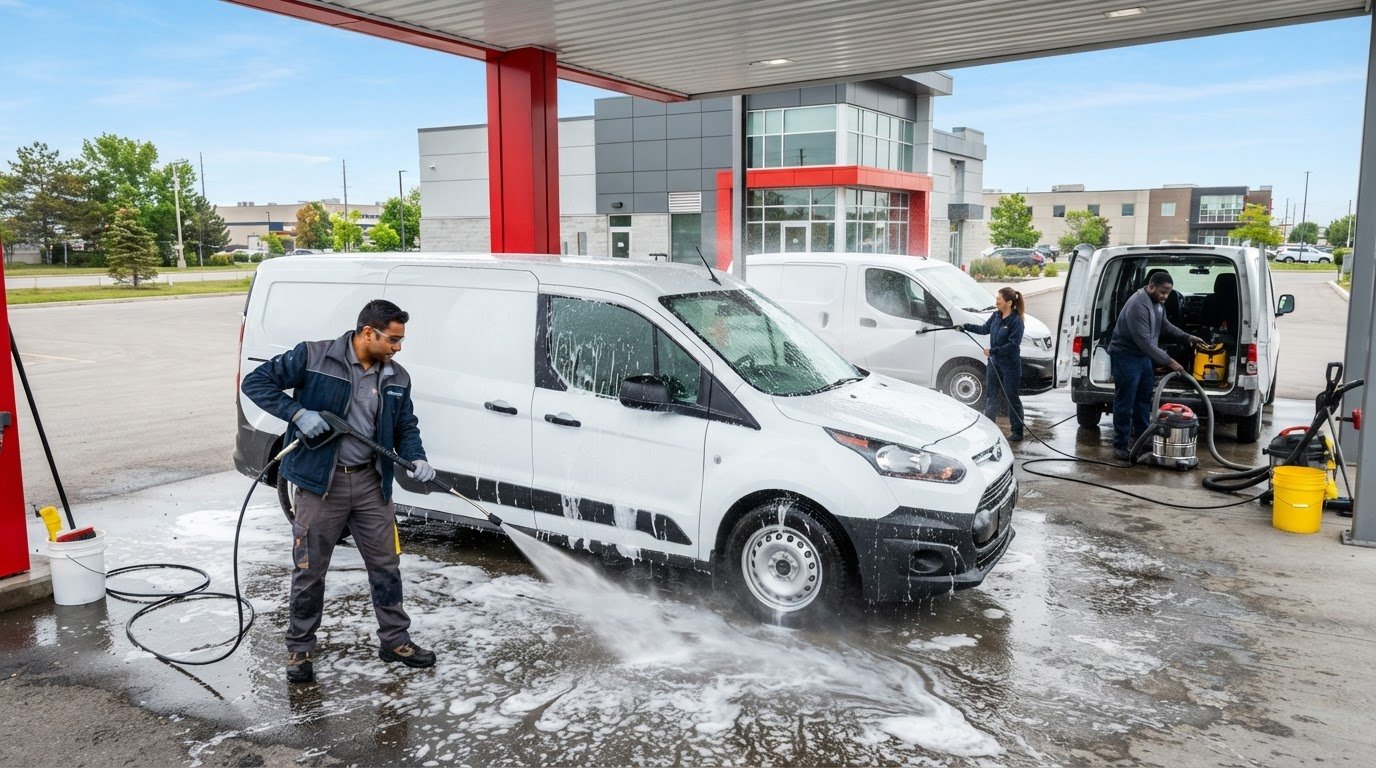
The most practical step is regular washing, especially during winter and early spring. A basic exterior wash helps, but if you are serious about protecting your vehicle, the underbody needs attention too. Salt and grime should not be left sitting there week after week.
Timing matters. Washing after a storm, after driving on salted roads, or during a stretch of milder weather can make a real difference. You do not need to wait until the car looks dirty from the outside. A vehicle can look clean on top and still be carrying a damaging layer of salt underneath.
Rust proofing also helps, especially for drivers who plan to keep their vehicles for several years. It adds a protective barrier that can reduce direct exposure to moisture and corrosive materials. It is not magic, and it does not make a car rust-proof forever, but it can slow the process when combined with regular washing.
The key is consistency. One wash in January and one spray treatment years ago will not do much if the underside is constantly getting coated and ignored.
Why prevention is cheaper than repair
Most people start thinking about rust when they hear about a big repair estimate. By then, the low-cost options are usually gone. Replacing rusted brake lines, suspension hardware, exhaust parts, or structural sections is a lot more expensive than routine washing and protective treatment.
There is also the resale side. Buyers notice rust. Dealers notice rust. Inspectors notice rust. Even if the car still runs well, visible underbody corrosion can lower trade-in value and make buyers nervous about hidden damage.
For families, commuters, rideshare drivers, and anyone who depends on their vehicle every day, avoiding downtime matters just as much as avoiding repair costs. Prevention is not about making the car perfect. It is about keeping small problems from turning into major ones.
When underbody rust needs immediate attention
Some rust is cosmetic. Some is not. If you see heavy flaking metal, soft spots, leaking lines, loose mounting points, or unusual noises from underneath, it is time to get the vehicle checked. The same goes for failing inspection items, visible exhaust holes, or brake and fuel lines that look badly corroded.
If the underside just has light surface rust, there is usually still time to clean it, protect it, and stay ahead of it. If it is already scaling, cracking, or weakening critical parts, the situation changes. That is why catching it early matters.
For drivers who want a simple plan, the answer is not complicated: wash the vehicle regularly, pay extra attention in salt season, and consider rust proofing before corrosion gets a head start. Nanak Car Wash sees this every season – the cars that get cleaned and protected regularly usually age better underneath than the ones that wait until rust is already visible.
A clean car looks better right away, but the real win is what you do not have to fix later. If you want your vehicle to last longer, the underside deserves just as much attention as the paint.

 6600 Finch Ave W, Etobicoke, ON M9V 3Z6
 647-703-8515
 MON – SUN 8 AM to 7 PM