
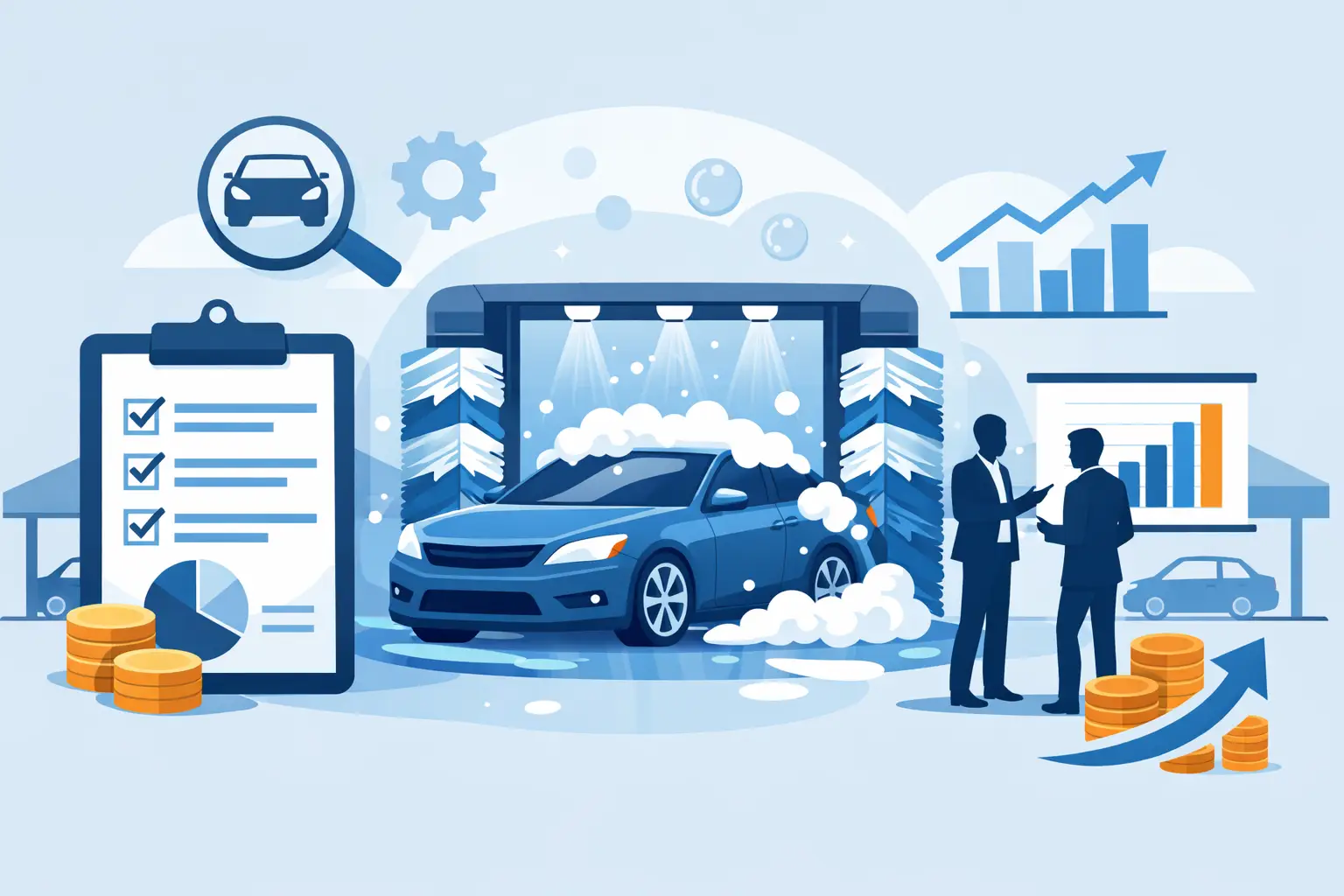
A dealership can lose money on dirty inventory faster than most people realize. One dusty SUV on the front line, water spots on a black sedan, or a used trade-in with stained mats can turn a decent unit into a harder sell. That is why dealer car wash pricing matters. It is not just about getting the lowest number. It is about getting vehicles cleaned fast, consistently, and at a price that still works across dozens or even hundreds of units.
For dealers, pricing usually comes down to one simple question: are you paying for speed, detail, volume, or all three? The answer changes the kind of wash program that makes sense.
What dealer car wash pricing usually includes
Dealer car wash pricing is rarely one flat rate for every vehicle and every condition. Most dealers need a mix of quick exterior washes, interior cleanup, and occasional deeper reconditioning. A compact car that just needs a rinse and dry is one thing. A trade-in with pet hair, salt stains, and a smoke smell is another.
That is why most pricing models are built around service level. Basic dealer washes usually cover exterior soap, rinse, and dry, sometimes with tire shine or a quick vacuum. Mid-tier services often add interior wipe-downs, window cleaning, mat cleaning, and a more polished finish. Full detail or hand-finished work is priced higher because labor time goes up fast.
The real difference is consistency. Dealers need pricing that works whether they are preparing retail inventory, cleaning service loaners, freshening up auction purchases, or keeping customer delivery vehicles presentable. A cheap wash that misses the mark can cost more if cars need to be redone.
How dealers are commonly charged
There is no single standard for dealer car wash pricing, but most programs fall into a few practical setups.
Per-car pricing is the simplest. You pay a set amount for each wash or detail. This works well for smaller lots, independent dealers, or businesses with uneven volume. If inventory turns quickly or needs vary week to week, paying per vehicle keeps things flexible.
Volume pricing is usually better for larger operations. Once a dealer sends a steady number of vehicles each week or month, the per-unit cost can drop. This model rewards consistency and makes budgeting easier. It also helps when a dealer wants regular frontline washes without approving every single vehicle one at a time.
Monthly account pricing can make even more sense for high-frequency users. Instead of thinking in one-off tickets, the dealer has a standing relationship with set rates, billing terms, and agreed service levels. This is often the best fit for dealer groups, used car lots, rental fleets, and service departments that need repeat cleaning.
Then there is package pricing. Some wash providers create bundles for dealers that combine exterior washing, interior vacuuming, and periodic detail work. That can be a smart middle ground because it gives a clearer average cost per vehicle over time.
What changes the price
A lot of businesses advertise dealer-friendly rates, but the final price still depends on the work. Size matters. Trucks, large SUVs, and vans take more time than compact cars. Condition matters even more. Light dust is quick. Sand, salt, mud, spills, dog hair, and heavy interior grime push labor higher.
Turnaround expectations also affect pricing. If a dealer needs same-day service on a batch of units before the weekend rush, speed has value. Hand-finishing, polishing, shampooing, odor treatment, and stain removal all add labor and supplies. The same goes for specialty services like rust proofing or protective treatments.
Location and logistics can play a role too. If the work is being done off-site and vehicles are brought in regularly, pricing may stay straightforward. If pickup, delivery, or custom scheduling is part of the deal, costs may shift. Dealers should ask early what is included and what counts as an add-on.
Why the cheapest rate is not always the best deal
A low advertised wash price looks good on paper, but dealers are not buying a single wash for a personal vehicle. They are buying repeat service that affects merchandising, customer impressions, and staff time.
If a wash is rushed, streaky, or incomplete, someone at the dealership ends up checking the work, sending the car back, or cleaning it again. That hidden labor eats into any savings quickly. The same issue comes up when interiors are only half-finished or vehicles come back wet, dusty in the jambs, or with missed glass.
Good dealer car wash pricing should save money across the whole process, not just at the invoice level. The right service partner helps cars hit the lot faster, look better online, and stay ready for test drives and delivery. That has real value.
How to compare dealer car wash pricing the smart way
Start with your actual vehicle flow. A dealer that needs 10 quick washes a day has different needs than a store that only sends out a handful of used units for full cleanup each week. Look at your mix of inventory prep, customer delivery, service lane cleanup, and detail work. That tells you what kind of pricing model fits.
Next, compare inclusions, not just numbers. One provider may quote a lower rate but charge extra for vacuuming, windows, mats, or tire shine. Another may include those items in a package price that ends up being better value. The invoice only tells part of the story if the service list is vague.
It also helps to ask about consistency and capacity. Can the provider handle busy days, month-end volume, and weather-driven spikes? Can they maintain quality when there are 20 vehicles waiting instead of five? Dealers need a wash partner that can keep up without dropping standards.
Billing terms matter too. Monthly invoicing, prepaid programs, and volume discounts can all make operations smoother. If your team is constantly chasing receipts or approving individual washes, that admin time becomes its own cost.
When memberships and prepaid plans help dealers
Many drivers think memberships are only for retail customers, but dealer accounts can benefit from similar pricing logic. If your business needs frequent exterior washes for inventory or service vehicles, a recurring plan or prepaid structure can lower average costs and simplify budgeting.
This is especially useful for dealers with a steady stream of arrivals and front-line units. Instead of treating every wash like a separate purchase, the business can lock in better value through repeat-use pricing. That works best when the wash provider already offers tiered packages, discounted bundles, and easy account management.
A value-focused operation like Nanak Car Wash is built around that kind of practical pricing. For dealer and fleet customers, that matters because the goal is not a luxury one-time cleanup. It is keeping vehicles presentable week after week without overspending.
The balance between express washes and full detailing
Not every vehicle needs full detail work. In fact, using a detail-level service on every unit usually drives costs up unnecessarily. Dealers save more when they match the service to the vehicle.
Clean late-model inventory often only needs an express exterior wash and a quick interior touch-up. Trade-ins and older used cars may need vacuuming, dashboard cleaning, mat washing, shampooing, or polishing before they are lot-ready. Delivery units may need a final finish so they look sharp at handoff.
This is where flexible pricing wins. A wash provider should be able to handle both quick-turn washes and labor-heavy cleanup without forcing every car into the same package. Dealers do better when they can scale service up or down depending on condition and value.
Questions dealers should ask before signing up
Before choosing a provider, ask how pricing works at higher monthly volume, what is included in each service tier, and how reconditioning work is quoted. Ask how long standard wash jobs take, what happens during peak demand, and whether billing can be rolled into an account.
It is also smart to ask how the provider handles quality control. Are interiors hand-checked? Are windows, mats, and finishing touches part of the process or extra? Can they support repeat business without constant follow-up from dealership staff?
The best pricing agreement is not the one with the flashiest discount. It is the one that gives your dealership reliable turnaround, clear expectations, and a cost structure that holds up month after month.
Dealer car wash pricing works best when it is simple, fair, and built around how dealerships really operate. If the service is fast, the work is consistent, and the rate makes sense at volume, clean inventory becomes one less problem on a busy day.

 6600 Finch Ave W, Etobicoke, ON M9V 3Z6
 647-703-8515
 MON – SUN 8 AM to 7 PM