
You leave work after a messy GTA winter commute and notice the familiar grey film on the doors, white salt around the wheel wells, and slush packed beneath the bumpers. A quick rinse might make the car look better, but it may leave the most important contamination untouched. For drivers searching for a car wash near me, the right question isn't only where to get a shine. It's whether the service removes the salt, road grime, and moisture that increase long-term maintenance risk.
The GTA has a substantial and established base of vehicle owners. The number of car-owning households rose from 1.3 million in 1986 to 2.3 million in 2016, according to Toronto Metropolitan University's review of car ownership in the GTHA. That makes regular vehicle care a practical local necessity, not an occasional luxury.
Table of Contents
- Why Your Car Needs More Than Just a Quick Rinse
- Decoding Car Wash Service Levels and Upgrades
- The Silent Killer of Road Salt and Rust Proofing
- Are Unlimited Wash Memberships Worth It
- What to Expect During a Professional Car Wash Visit
- Solutions for Ride-Hail Drivers and Fleet Managers
- Finding Your Nearest Nanak Car Wash Location
Why Your Car Needs More Than Just a Quick Rinse
After a GTA snowstorm, a car can look only dusty while its lower doors, rocker panels, wheel wells, exhaust components, and undercarriage hold salt, slush, grit, and road film. Rinsing the painted panels may leave the most corrosive residue underneath, where it can stay wet against metal and seams.
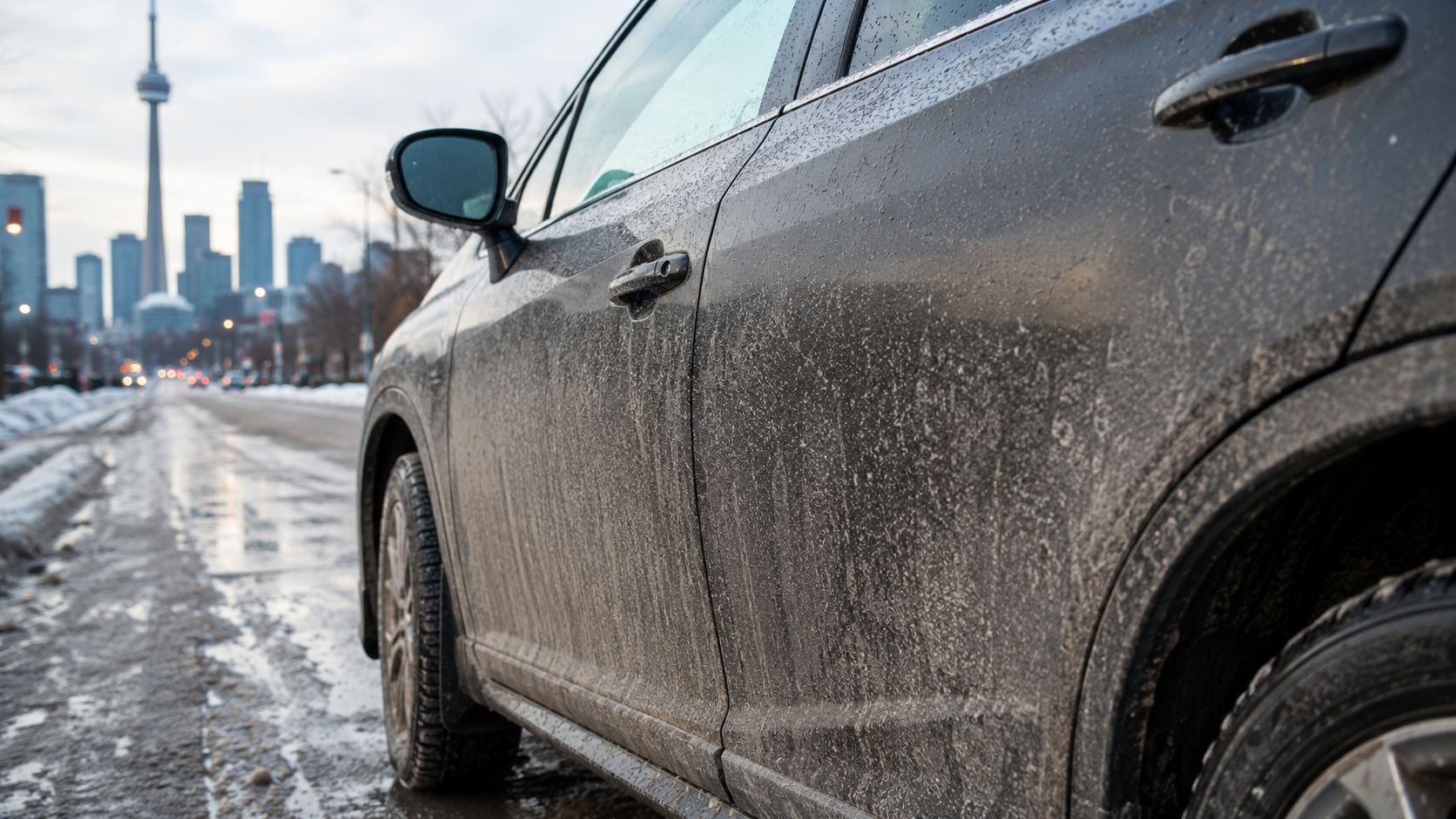
Salt-laden moisture reaches joints and exposed metal, while fine grit collects around suspension components and wheel arches. Frequent drivers should treat winter washing as preventative maintenance. Removing that buildup reduces the time corrosive material remains against vulnerable areas, helping protect the vehicle from repair costs that a cosmetic rinse cannot address.
The GTA creates a demanding wash cycle
Toronto, Mississauga, Brampton, Vaughan, Oshawa, Burlington, and nearby communities share the same basic winter problem, even though routes collect different combinations of traffic film, construction dust, snow, and spray. Daily commuting adds contamination repeatedly, especially after highway travel or a storm followed by a freeze.
The region's ownership figures also explain why a convenient wash routine matters. Toronto added 164,000 car-owning households between 1986 and 2016, while the Toronto Core had the region's highest share of car-less households, at 51% in 2016, according to the GTHA vehicle ownership analysis. Urban and suburban drivers use their vehicles differently, yet many rely on them often enough that delaying washes becomes an expensive habit.
Practical rule: Visible salt on the body usually means residue has reached lower surfaces too. During active winter road treatment, choose a wash with an underbody option.
Summer contamination needs attention as well. Construction dust, mud, pollen, insects, and oily road film can dull paint and make later cleaning harder. A wash schedule should protect the vehicle's finish and exposed components, not just restore a showroom appearance after every trip. Proximity matters because a service used consistently protects the vehicle better than an occasional deep clean.
Decoding Car Wash Service Levels and Upgrades
Car wash menus can look more complicated than they are. Most options fall into three useful categories: a fast exterior clean, a more complete wash with interior attention, or a detailing appointment for accumulated stains and neglect. Pick the level based on the vehicle's condition and how often you drive, not on the most dramatic-sounding package name.
Compare the service tiers
| Service Type | Best For | Key Features |
|---|---|---|
| Express exterior wash | Drivers who need a fast routine clean | Presoak soap, foam bath, rinse, drying agent, and air blowers |
| Full-service wash | Vehicles needing exterior and basic interior care | Exterior wash, hand drying, interior vacuuming, dashboard and window cleaning |
| Detailing package | Interiors or finishes with embedded dirt, stains, or wear | Carpet and seat shampooing, salt and stain removal, vent and crevice cleaning, leather care, machine buffing and polishing |
An express package is the sensible baseline for a car that gets washed regularly. It removes loose contamination efficiently, and an underbody upgrade becomes particularly useful during salt season. Don't choose an express wash expecting it to restore a neglected interior or remove embedded stains.
A full-service wash makes more sense after a messy week, a road trip, or a period when the cabin has accumulated food debris, dust, and winter grit. Hand drying also helps staff identify areas that need extra attention, including mirrors, door edges, and trim.
Treat upgrades as tools, not magic
Triple foam wax, hot wax, sealer wax, and lava foam can improve gloss and water behaviour, but they aren't substitutes for removing salt from the undercarriage. A protective finish belongs on a clean surface. If the vehicle is coated in winter film, spend first on thorough cleaning and underbody coverage.
Detailing is the right choice when the problem has moved beyond routine maintenance. Salt-stained carpets, pet hair, dirty vents, leather buildup, and dull paint need more time and specialised equipment than a conveyor wash can provide. A detailer's machine buff and polish can address paint appearance, while shampooing and crevice blowouts target the cabin.
The practical sequence is simple:
- Routine condition: Choose an express exterior wash and add underbody cleaning when needed.
- Messy but manageable condition: Choose full service for exterior cleaning plus interior vacuuming and surface care.
- Neglected condition: Book detailing, then return to a regular wash schedule so the vehicle doesn't fall back into the same state.
The Silent Killer of Road Salt and Rust Proofing
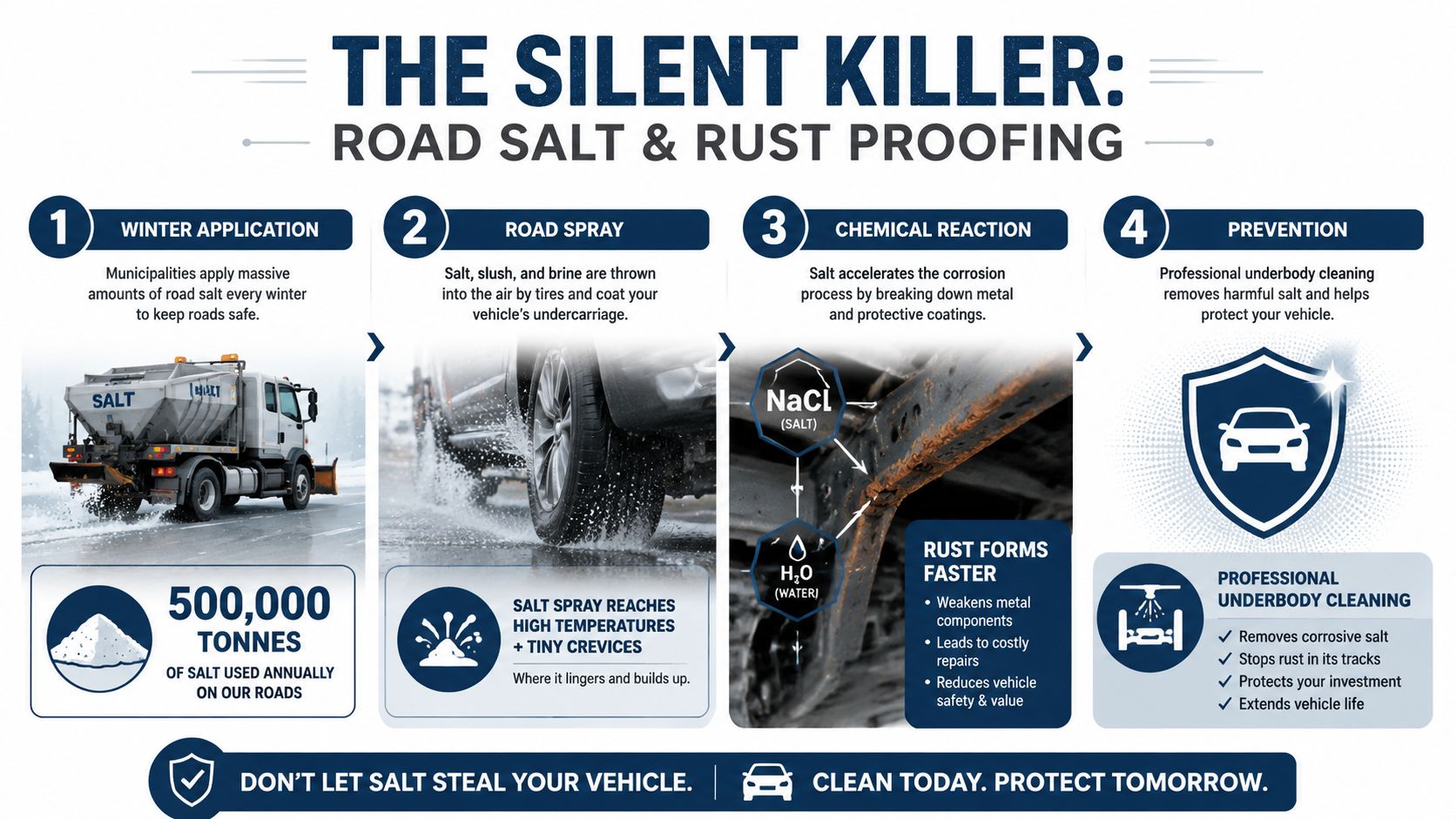
Ontario's winter road treatment creates a problem that a clean-looking exterior can hide. The province uses about 3 to 5 million tonnes of road salt each winter, and chloride-induced corrosion becomes serious once concentrations exceed 0.05% by mass of concrete, according to Ontario-focused research on road salt and vehicle ownership procedures. That information concerns broader corrosion conditions, but the vehicle lesson is direct: chloride and moisture are a damaging combination.
Where the contamination settles
Salt doesn't need to cover the entire vehicle to create trouble. Spray from wet roads reaches the parts that drivers rarely inspect, then dries into a concentrated film or remains active in damp crevices.
Common exposure points include:
- Brake lines and fuel lines: These sit low on the vehicle and can collect spray from treated roads.
- Wheel wells and rocker panels: Their shape traps wet grit and salt residue.
- Exhaust systems and subframes: Moisture and road contamination can remain around seams, brackets, and exposed metal.
- Undercarriage fasteners and suspension areas: These locations are difficult to clean with a garden hose or a superficial exterior rinse.
Road salt accelerates corrosion by helping moisture conduct electrical activity across metal surfaces. The longer the residue remains wet and in contact with exposed areas, the greater the opportunity for rust to begin. That doesn't mean every salted road immediately causes a visible failure. It means repeated exposure without proper removal is a poor maintenance strategy.
Ontario-focused practical guidance recommends washing every 10 to 14 days during active salting conditions, with particular attention to the underbody after major snow or highway-salt events, as explained by Hawkeye's Auto guidance on Ontario road salt. Follow that as a useful routine rather than waiting until the car looks filthy.
Separate washing from rust proofing
An underbody wash removes contamination. Rust proofing adds a protective chemical treatment intended to help shield vulnerable surfaces. They serve different purposes, so one shouldn't be treated as a replacement for the other.
A sensible winter plan is:
- Wash the exterior and underbody after significant salt exposure.
- Inspect visible lower-body areas for chips, damaged coatings, and trapped debris.
- Consider rust proofing if the vehicle is exposed to frequent winter driving or has vulnerable untreated areas.
- Keep washing throughout the season, because a protective application doesn't make salt harmless.
The hidden cost of skipping this routine is not a guaranteed repair bill. It is the gradual loss of protection in places that are expensive, inconvenient, or safety-critical to service. For GTA drivers, underbody cleaning is not an ornamental upgrade. It's one of the clearest ways to make a wash appointment serve vehicle preservation.
Are Unlimited Wash Memberships Worth It
A monthly wash plan earns its keep only when it matches your driving routine. GTA commuters, ride-hail drivers, delivery operators, and households driving through regular road spray can benefit from frequent access. A parked vehicle, seasonal car, or vehicle cleaned through occasional detailing may not.
The headline price tells you little by itself. Check the wash frequency you can maintain, the services included, vehicle eligibility, location access, and cancellation terms before paying.
Ontario drivers have reported passes being cancelled without warning, according to CTV News coverage of Ontario car wash pass concerns. Membership transparency belongs in the buying decision. Clear terms protect you from paying for access you cannot use.
Match the plan to your driving pattern
Use these questions before enrolling:
- What does the pass include? Confirm whether underbody washing, premium finishes, interior cleaning, and vacuums are included or billed separately. For GTA winters, underbody access matters because road salt collects beneath the vehicle and can accelerate corrosion.
- Where can you use it? Check whether the membership works at the location you visit and whether other locations accept it.
- How is the vehicle identified? Ask whether access uses licence-plate recognition, a windshield tag, or an account, especially if you change vehicles.
- How do you cancel? Look for plain instructions, the stated commitment period, and the final billing date.
- Can terms change? Keep the membership agreement and review notices instead of assuming the original offer continues indefinitely.
Choose an unlimited plan when regular washing supports your winter maintenance routine. Frequent salt exposure makes consistent underbody cleaning a vehicle-preservation expense, not just a cosmetic one. The plan is harder to justify when you rarely drive or cannot visit often enough to use it.
Prepaid wash bundles suit drivers who wash regularly but want to avoid recurring billing. One-time washes remain the clearest choice when usage is unpredictable.
Nanak Car Wash lists monthly memberships with no activation or cancellation fees and no long-term contracts stated on its site, along with prepaid multi-wash tickets and combo deals. Verify the current terms before purchase because offers and operating policies can change.
Before you join: Ask staff to explain the cancellation process and identify every service included in the pass. A worthwhile membership should be predictable at checkout and useful through Ontario's salted winter roads.
What to Expect During a Professional Car Wash Visit
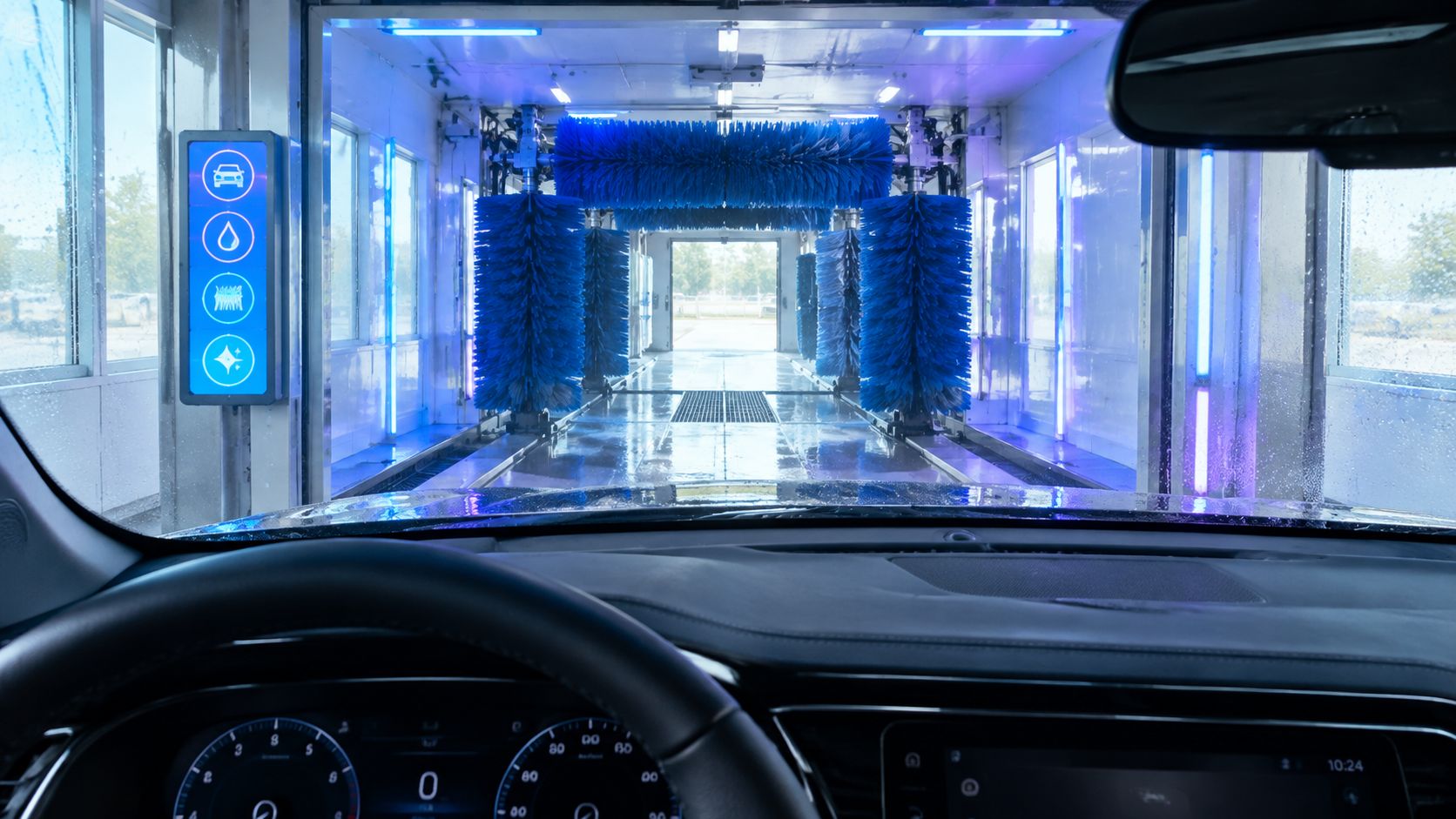
A professional wash should feel organised, not mysterious. You usually begin by selecting a package at the payment terminal, then follow the attendant's instructions for entering the wash lane. Remove or secure loose exterior accessories, follow conveyor directions, and tell staff about anything that could affect the equipment or your vehicle.
The typical workflow
- Prewash inspection: Staff or signage directs you through lane requirements and identifies visible issues.
- Presoak and foam: Cleaning agents loosen road film before the main contact or wash stage.
- Rinse and wash: Water and equipment remove loosened grime from the exterior.
- Selected upgrades: Underbody spray, drying agents, foam wax, or sealant are applied if included.
- Drying: Air blowers remove water from seams and exterior surfaces, while staff may hand dry selected areas.
- Interior service: Full-service packages can include vacuuming, dashboard and window cleaning, and additional cabin work.
A commercial wash also gives you better control over water use than driveway washing. Canadian environmental guidance reports that a typical commercial wash uses about 160 L per vehicle, compared with roughly 450 L for driveway washing, as documented in Government of Canada guidance on commercial car washing. That difference supports choosing a professional facility when you need frequent cleaning, especially in winter.
What quality looks like
Look for clear package descriptions, trained staff, modern equipment, and a process that addresses more than the roof and doors. If you request an underbody wash, make sure the service includes directed coverage beneath the vehicle. If you choose interior cleaning, check whether the package covers the areas you care about, such as cup holders, door panels, mats, or vents.
A good visit should leave you with a clean vehicle and a clear understanding of what was done. That clarity helps you build a repeatable maintenance routine instead of choosing random upgrades at the terminal.
Solutions for Ride-Hail Drivers and Fleet Managers
Ride-hail and delivery drivers don't have the luxury of treating washing as a rare weekend chore. Their vehicles carry passengers, packages, and road contamination through the same GTA conditions as everyone else, but the vehicle also functions as part of the customer experience and the business itself.
A dirty exterior can undermine an otherwise professional service. A dusty dashboard, stained mat, or salty door sill can make the cabin feel neglected. Fleet managers face the same issue at a larger scale, with several vehicles requiring consistent standards rather than individual driver preferences.
Build a repeatable operating routine
The most effective approach is to separate urgent cleaning from scheduled care.
- Daily presentation: Remove rubbish, shake out mats, and clean obvious interior marks between work periods.
- Regular exterior maintenance: Use an express wash when road film and salt appear, rather than allowing buildup to harden.
- Scheduled interior work: Book deeper cleaning for stains, odours, seat contamination, and areas that routine vacuuming misses.
- Seasonal protection: Add underbody attention and consider rust proofing for vehicles exposed to frequent winter mileage.
A multi-location provider can reduce detours when drivers work across the GTA. A fleet manager should compare locations, operating hours, wash compatibility, interior services, and volume arrangements before standardising a supplier.
Protect the asset as well as the image
High-use vehicles accumulate contamination faster, and their lower surfaces see more exposure to wet roads, construction dust, and repeated temperature changes. Regular cleaning won't eliminate mechanical wear, but it can prevent avoidable grime and salt buildup from becoming part of the vehicle's normal condition.
Keep the system simple. Give drivers a defined wash level, specify when underbody cleaning is required, and record which vehicles need detailing or rust protection. Memberships or prepaid bundles may help control spending, but managers should demand transparent terms and make sure the plan covers the services the fleet uses.
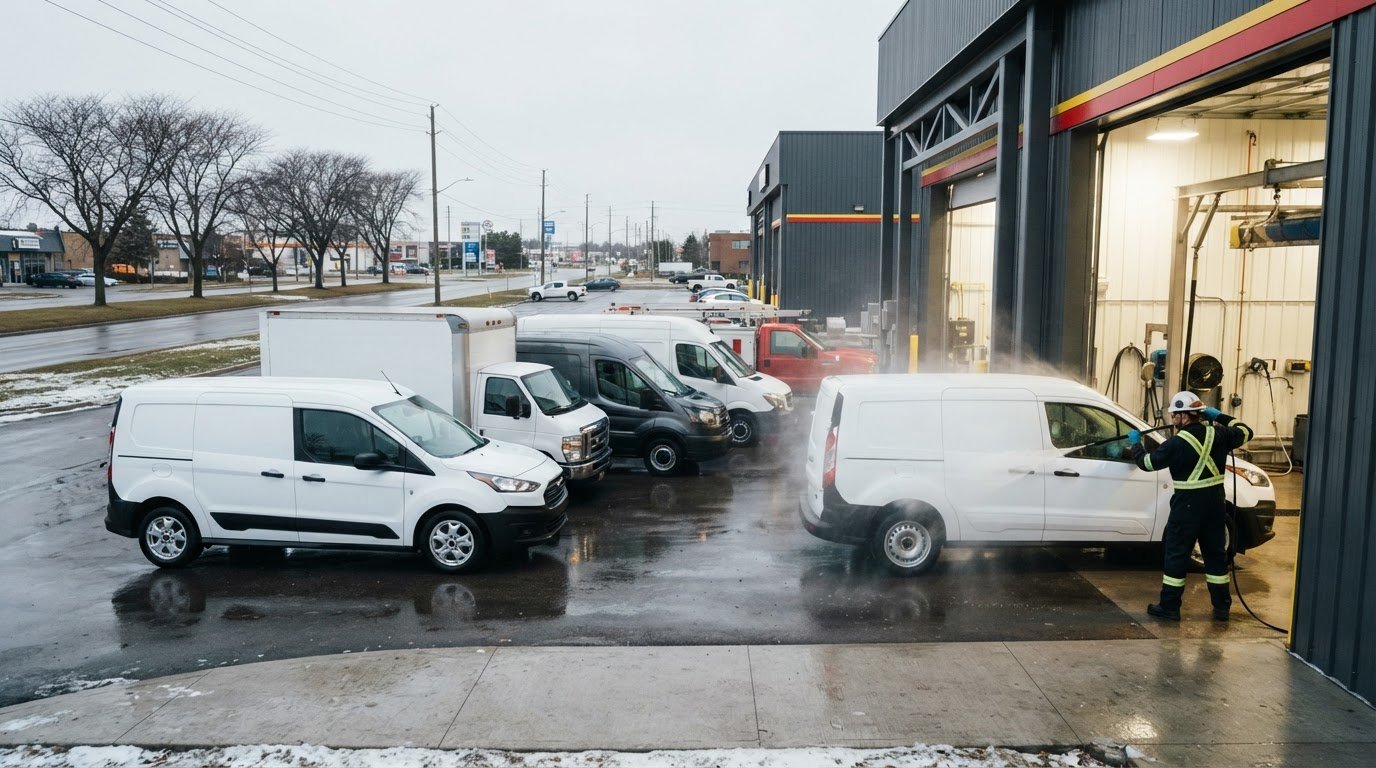
For a small contractor with work vans, the right wash partner can also consolidate exterior cleaning, interior detailing, and rust protection. That reduces administrative friction and makes vehicle care easier to schedule around actual routes.
Finding Your Nearest Nanak Car Wash Location
After a week of GTA winter driving, road salt can remain packed beneath the vehicle even when the exterior looks clean. Searching for a car wash near me should therefore start with service fit, not distance alone. Choose a branch that can reach the underbody, clean the cabin when needed, and support a repeat routine for high-mileage vehicles.
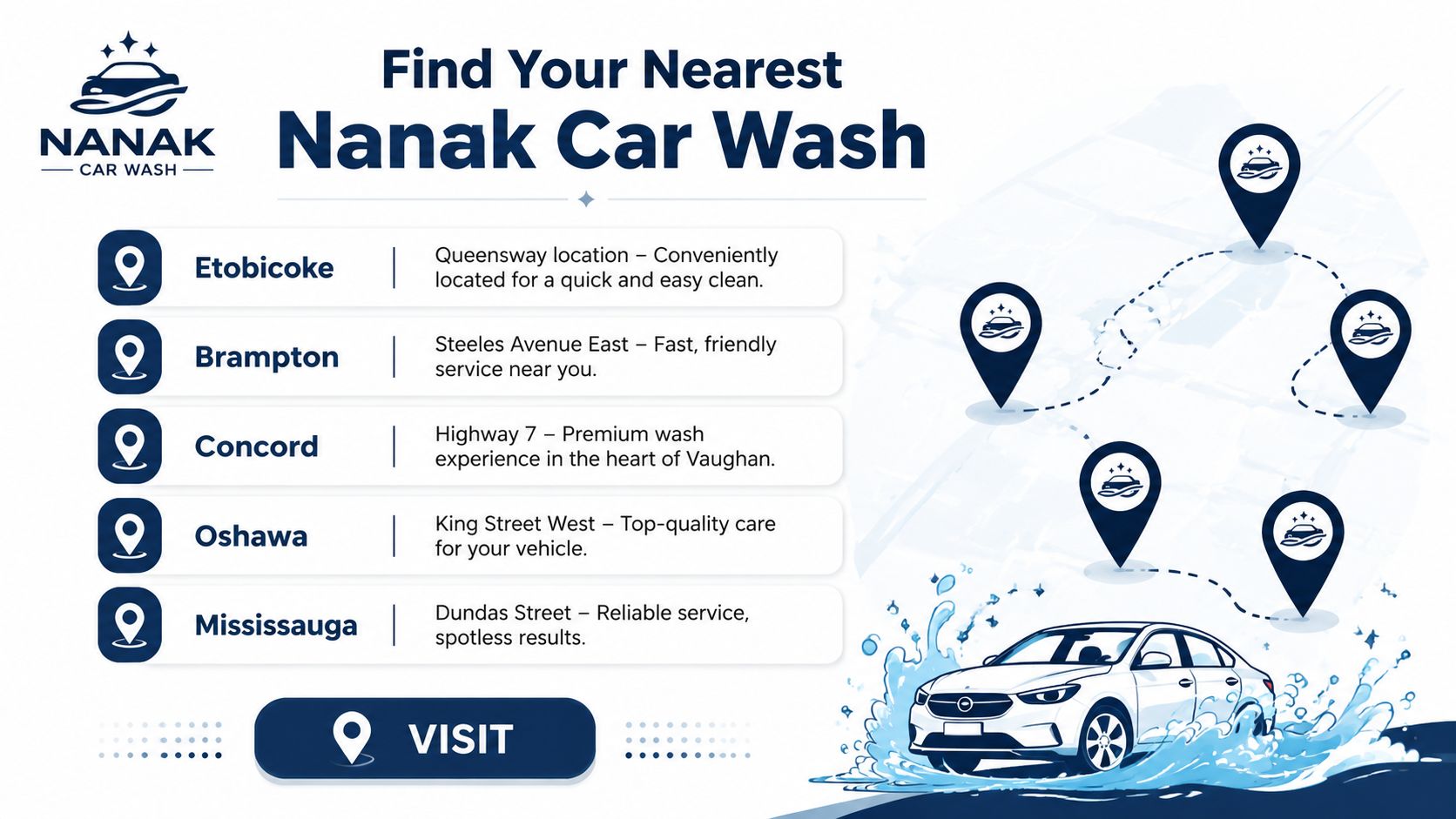
Nanak Car Wash lists locations across the GTA and nearby Ontario cities, including Etobicoke, Brampton, Concord, Oshawa, Sheppard and North York, Burlington, Cambridge, and Guelph. Services may vary by branch, so review the Nanak Car Wash location and service information before leaving.
Match the branch to the job
Check these points before your visit:
- Routine winter cleaning: Confirm underbody washing or a package that includes undercarriage coverage.
- Dirty cabin: Check for interior vacuuming, dashboard cleaning, shampooing, or detailing.
- Paint preservation: Ask which wax, sealer, or finish options are included and what each one protects.
- Corrosion prevention: Confirm rust proofing and vehicle-size pricing in advance.
- Repeated driving: Review membership or prepaid bundle terms, including cancellation and vehicle-identification rules.
- Convenience: Verify current hours, branch equipment, free vacuum access, and detailing appointment requirements.
Nanak Car Wash has operated since 2004, providing more than two decades of service across the Greater Toronto Area. That operating history can support a repeat maintenance routine, but the practical test remains branch location, service fit, clear pricing, and access to the areas Ontario salt affects most.
Do not wait until spring to inspect the underside. Select a nearby branch, confirm its current services, and schedule underbody cleaning throughout winter. Removing salt regularly helps limit corrosion-related repair costs and protects the vehicle's long-term value.
Nanak Car Wash offers express and full-service washes, detailing, underbody cleaning, rust proofing, prepaid options, and monthly memberships for GTA drivers. Visit Nanak Car Wash to find the nearest location, confirm current services and hours, and set a practical wash routine for Ontario's winter roads.

 6600 Finch Ave W, Etobicoke, ON M9V 3Z6
 647-703-8515
 MON – SUN 8 AM to 7 PM