
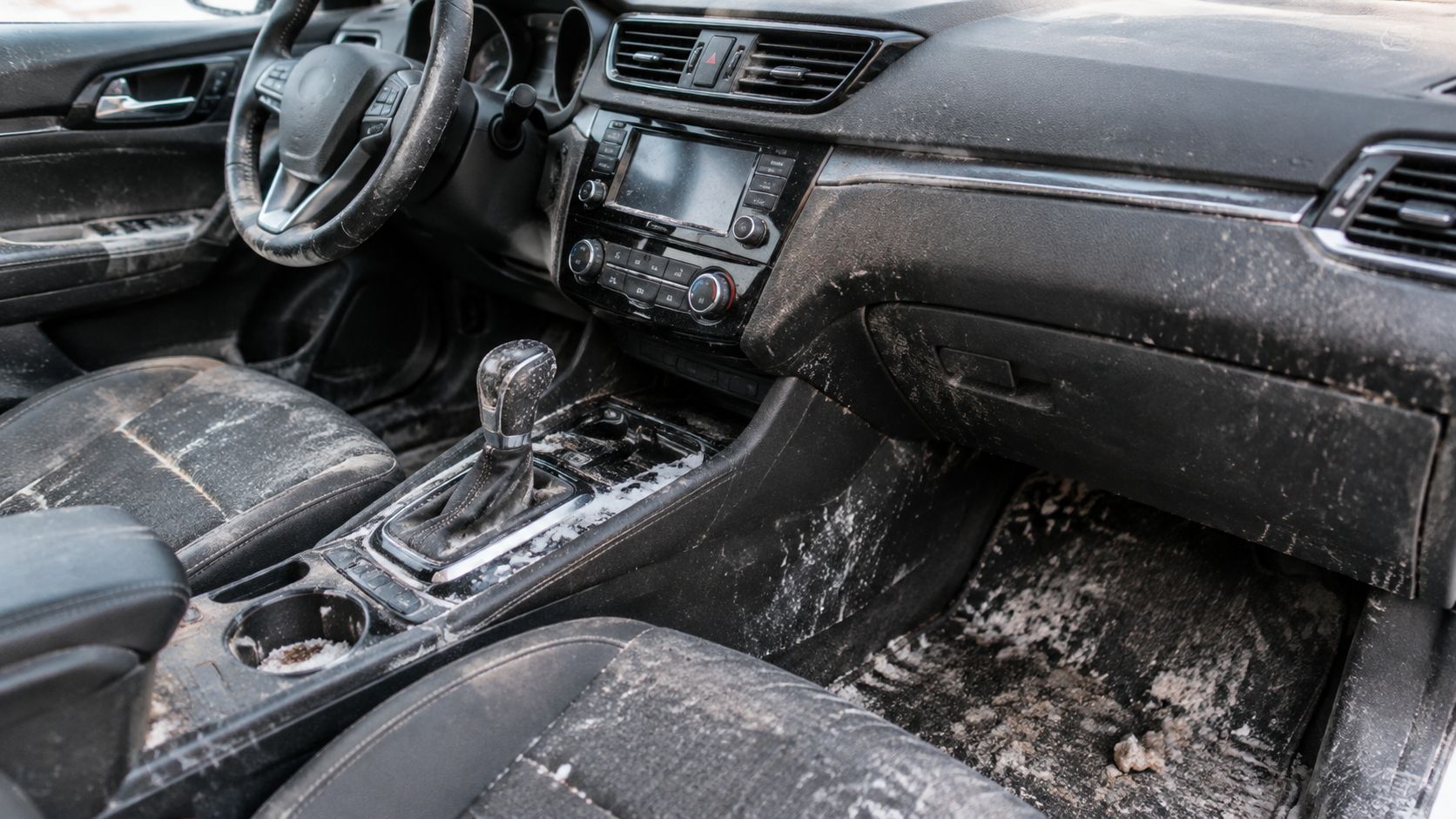
You open the driver's door after another GTA winter commute and see the familiar mess: pale salt dust along the carpet edge, grit packed into the mat grooves, crumbs hiding beside the seat rail, and a fine layer of dust sitting inside the vents. A vacuum removes the loose material, but it won't always free what has settled into stitching, textured plastic, or carpet fibres. That's where an interior car cleaning brush earns its place.
The right brush isn't a generic scrubber. It's a controlled agitation tool, chosen for the surface, the soil, and the amount of pressure the material can tolerate. Used properly, it works alongside vacuuming, a suitable cleaner, and careful drying. Used carelessly, even a brush marketed for interiors can mark glossy trim, disturb stitching, or push grime deeper into fabric.
Table of Contents
- Why Your Interior Car Cleaning Brush Matters More Than You Think
- Bristle Materials and Brush Anatomy Explained
- Choosing the Right Brush by Surface and Soil Type
- Proven Brushing Techniques for Vents, Cloth, and Leather
- How to Care for and Store Your Interior Car Cleaning Brush
- When to Skip DIY and Book a Professional Interior Detail
- Your Quick Brush-Selection Checklist for GTA Drivers
Why Your Interior Car Cleaning Brush Matters More Than You Think
After weeks of GTA winter driving, a cabin can hold more than visible salt stains. Dry salt collects around footwells, grit settles into carpet fibres and mat channels, and dust gathers inside vents and seams where a cloth cannot make proper contact. The brush you choose determines whether that soil is lifted or just pushed into the material.
A brush is a controlled agitation tool, not a complete cleaning system. Canada's Red Seal occupational standard for automotive service technicians lists brushes among the tools used for interior and exterior cleaning, alongside vacuum and steam-cleaning equipment. The point is practical: professional work matches the tool to the surface and soil instead of treating every interior area the same way.
Controlled agitation protects the cabin
Short, deliberate brush movements can loosen material around seat seams, textured plastic, carpet fibres, and vent slats without soaking the area. That control also helps keep cleaner away from switches, screens, stitching, and electronics-adjacent surfaces. Brushing too aggressively can roughen fabric, mark glossy trim, or drive abrasive grit farther into a surface.
A stiff carpet brush suits dense floor coverings and heavily embedded soil. It should not cross a touchscreen or piano-black console panel. A soft vent brush can remove dry dust from narrow slats, yet it will struggle with a salt-loaded footwell. Surface sensitivity and soil severity should set the brush choice, not the label “interior.”
Practical rule: Match stiffness to the surface, remove loose grit without grinding it in, and use only enough pressure to release the soil.
Brushing works as part of a system
Ontario-focused cleaning guidance includes brushes for washing rubber, silicone, and plastic mats, as well as working upholstery cleaner into fabric stains. That use reflects the brush's proper role: it increases contact where a vacuum or cloth cannot reach, while the vacuum, cleaner, and drying method handle the material removed.
The main DIY risk is turning loose salt and grit into abrasive wet paste. Once that happens, brushing can spread contamination across surrounding trim and carpet instead of isolating it. Keep the brush dedicated to the task, use lighter pressure near delicate surfaces, and stop if the material begins to shed, whiten, or show a change in texture. A well-chosen brush improves control. A poorly matched one can make a routine winter cleanup harder.
Bristle Materials and Brush Anatomy Explained
A brush that works well on a salt-stained footwell can mark a glossy console. Choose it by the surface, the soil, and the pressure you can control. The main details are the bristle material, the shape and density of the bristle bundle, and the handle's ability to keep your hand steady.
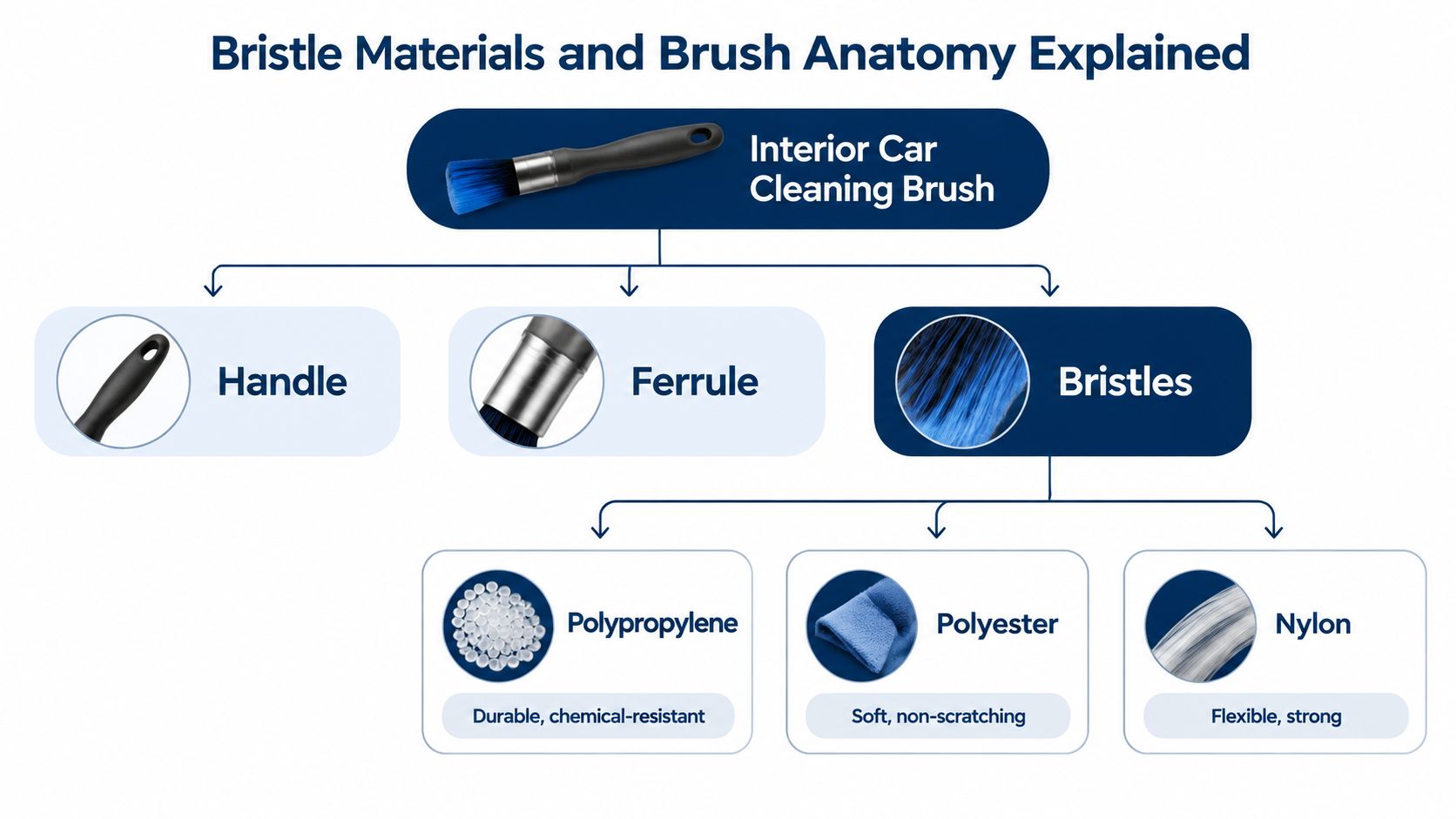
Canadian detailing brushes commonly use synthetic bristles such as polypropylene, polyester, and nylon. Simoniz Canada's detailing brush range shows how these materials support practical designs, including flared bristles, soft-touch seam tools, and compact formats for vents and crevices.
Read the bristles before you read the marketing
Bristle stiffness works much like toothbrush grades. A soft brush spreads light contact across a sensitive area. A firmer brush transfers more agitation into compacted salt, grit, or other stubborn soil. The right choice depends on the material underneath.
- Polypropylene bristles are durable for repeated cleaning where chemical exposure and abrasion resistance matter.
- Polyester bristles can offer a softer feel for controlled work on plastics, vinyl, and trim.
- Nylon bristles combine flexibility with strength, making them useful when the brush must bend into seams or crevices.
Flared bristles cover awkward areas and reach around edges. Seam tools concentrate contact along stitching and narrow joins. Compact pocket-style brushes fit inside vents without forcing your fingers against nearby trim. These design differences matter during winter cleanup, when dry salt may sit beside delicate plastics or become lodged in tight joints.
Match anatomy to the task
The handle affects pressure and reach. A short handle supports close work around buttons and vents. A longer one can reach beneath a seat or into a deep footwell. Check the ferrule, the part securing the bristles, because loose strands can remain in seams and perforations.
Choose a tip and edge suited to the job. Rounded, soft bristles are appropriate for dusting. A narrow profile reaches vent slats. A denser, firmer head should stay on carpet and rubber mats, where stronger agitation is less likely to affect the finish.
A brush that feels impressively stiff may be the wrong tool for a glossy console. Test every new brush in a hidden area with light pressure. Find the lowest force that lifts the soil, especially when loose salt or grit could be dragged across adjacent trim.
Choosing the Right Brush by Surface and Soil Type
An “interior brush” is not one universal tool. Start with the surface, identify the soil, then choose the softest brush that can remove it. Independent detailing guidance from Nanak Car Wash supports starting soft and increasing stiffness only when the material and contamination require it. Screens, stitching, vents, and buttons need a different approach from carpet or rubber mats.
Use this selection framework
| Surface | Recommended Brush Type | Typical Soil | Stiffness Level |
|---|---|---|---|
| Screens and glossy piano-black trim | Ultra-soft detailing brush or clean microfiber | Dust and light fingerprints | Very soft |
| Vents and buttons | Soft, narrow synthetic brush | Dry dust and fine debris | Very soft |
| Leather seams and perforations | Soft leather-safe brush | Dust, body oils, and seam dirt | Soft |
| Cloth seats and carpet | Soft upholstery brush | Dust, crumbs, and embedded grime | Soft to medium |
| Rubber or silicone mats | Medium synthetic scrub brush | Salt, mud, and wet road grit | Medium |
| Heavy carpet soil | Firm upholstery or carpet brush | Embedded grit and compacted debris | Medium to firm |
Screens and piano-black trim require the most caution. Fine marks show easily, and a brush that works well on carpet may be too aggressive for glossy plastic. Use a clean, dry, ultra-soft brush for loose dust. Keep liquid off the screen unless the product and vehicle manufacturer specifically permit it.
Let soil severity determine the next step
Light dust needs a soft brush and minimal contact. Salt crystals trapped in carpet require dry removal first, followed by a suitable cleaner and gentle agitation. Heavy mud on a rubber mat can justify a firmer brush, while that same tool should stay away from leather seats.
Ontario winter contamination makes brush separation practical. Road salt, wet grit, and compacted mud demand more agitation on mats and carpet than ordinary cabin dust. A single brush should not move between vents, leather seams, screens, fabric, and floor surfaces without being cleaned first.
Start soft, inspect the result, and increase stiffness only when the surface and soil justify it.
Keep separate brushes for delicate detailing and heavy cleaning. A vent brush that has collected grit from a floor mat can transfer abrasive particles to the dashboard later, even when its bristles still feel soft. For DIY cleaning, this simple separation brings your process closer to professional detailing standards without requiring a large tool collection.
Proven Brushing Techniques for Vents, Cloth, and Leather
A salty floor mat, dusty vent, and leather seat need different brush handling. Vents require light, directional dusting. Cloth needs controlled agitation that follows the weave instead of dragging across it. Leather needs enough movement to lift soil from seams while keeping cleaner away from stitching and perforations.
Vents need a light touch
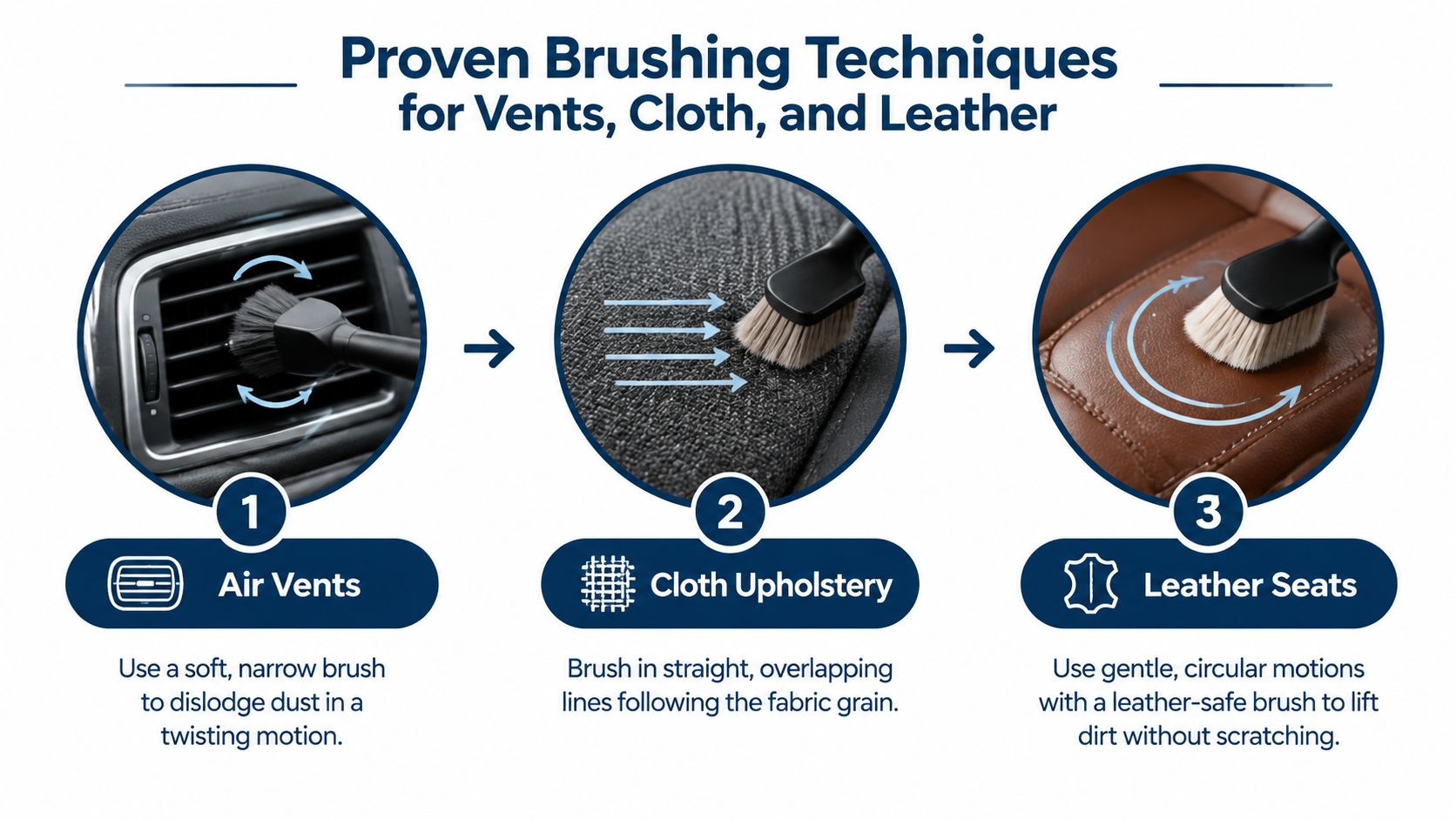
Begin with a dry vacuum and crevice tool where access allows. Hold a soft, narrow brush at an angle and use short twisting movements between the slats. Keep the bristles moving instead of pressing them into the vent, while vacuuming loosened dust as you work.
Never spray cleaner into vent openings. If moisture is suitable for the surface, apply a small amount to the brush or cloth away from electronics, then clean around the slats. The goal is to lift dust, not drive moisture into the duct or control panel.
Cloth benefits from overlapping strokes
Vacuum loose debris before applying upholstery cleaner. For salt-stained mats and carpet, use a vacuum-first sequence, apply an appropriate solution, allow a short dwell period, agitate gently with a soft brush, and blot the area dry. Regional salt-removal instructions from Go Detailing also describe waiting briefly after application before brushing, with the exact timing determined by the cleaning process.
Work in a small section so moisture stays controlled. Use straight, overlapping strokes that follow the fabric direction, then lift loosened residue with a towel or extraction equipment. Aggressive back-and-forth scrubbing can roughen fibres and spread a stain beyond its original edge.
Leather requires less force than you expect
Vacuum seams first with a soft attachment. Put a leather-safe cleaner on the brush or cloth rather than saturating the seat, then use gentle circular motions over a small area. Follow the seam direction around stitching and reduce pressure near perforations.
Wipe away lifted soil before it dries. A suitable leather brush should reach texture and seams without scraping the coating. Stop if the surface changes colour, feels sticky, or shows excess moisture. Reassess the product and pressure before continuing.
How to Care for and Store Your Interior Car Cleaning Brush
A brush carries whatever you've removed from the vehicle. If you use the same tool on a salty floor mat and then place it on a dashboard, you're not maintaining the cabin. You're relocating contamination.
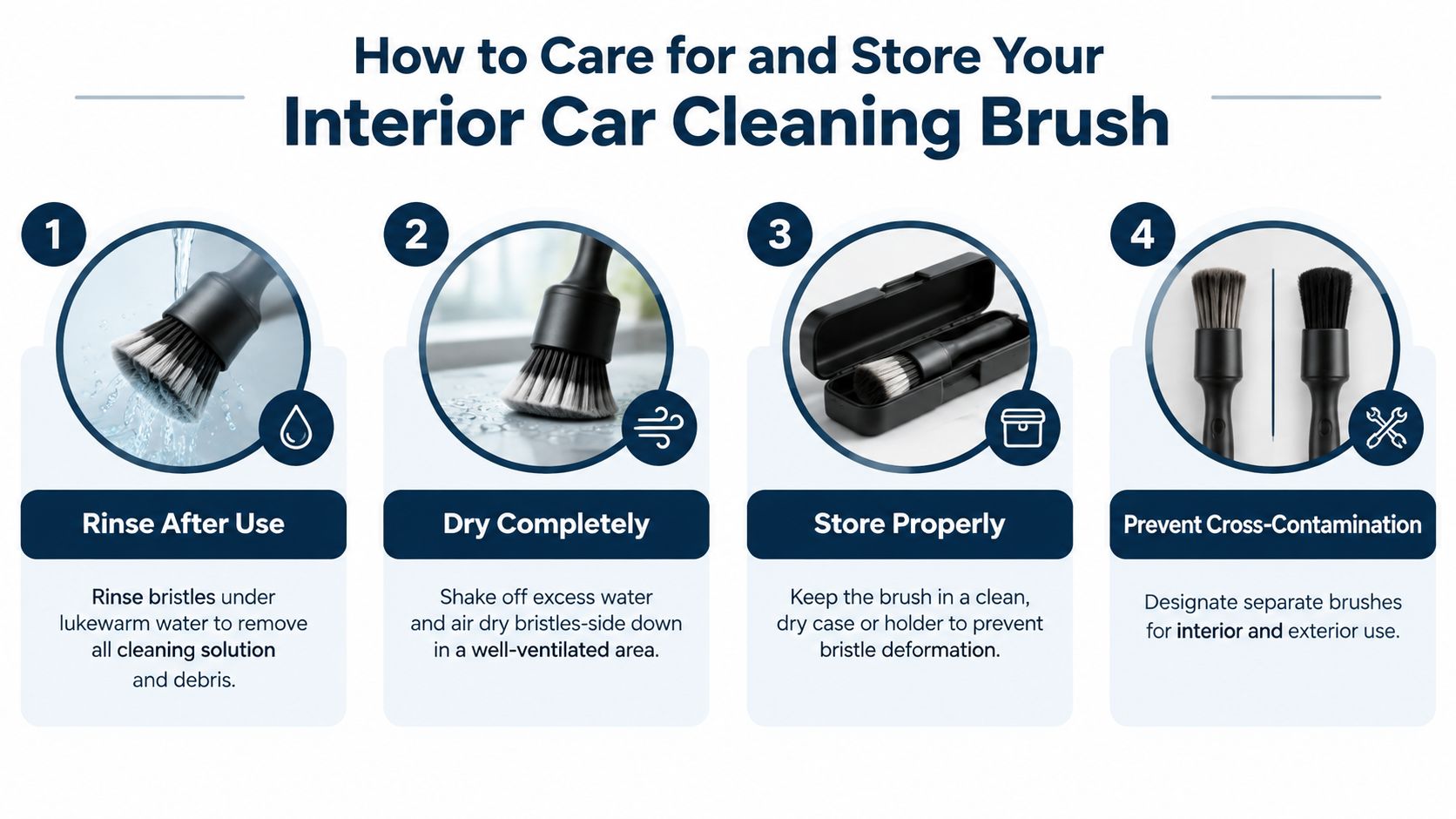
Cleaning the brush after each session protects both the tool and the next surface. Rinse the bristles with lukewarm water until visible cleaner and debris are gone. Work trapped hair or fibres out with your fingers or a separate comb, taking care not to bend the bristle bundle at the base.
Drying matters as much as rinsing
Shake off excess water and place the brush in a well-ventilated area with the bristles positioned so water can drain away. Don't close a damp brush inside a sealed bag or leave it sitting in a wet detailing bucket. Trapped moisture can create unpleasant odours, encourage biological growth, and soften the handle or adhesive that holds the bristles.
A clean holder or dry case protects the brush from dust and prevents the bristles from being crushed. Store delicate vent brushes separately from carpet tools, especially if the carpet brush has handled sand, salt, or coarse grit.
Build simple separation into the kit
Colour-coding works well. Keep one colour for screens, vents, and trim, another for leather and upholstery, and a heavier brush for mats and carpet. The system doesn't need to be elaborate. It needs to make the wrong tool difficult to grab in a hurry.
Replace a brush when the bristles splay, shed, become permanently misshapen, or retain a smell after cleaning. Discolouration can also signal that residue remains in the fibres. A worn brush may look harmless, but distorted bristles can concentrate pressure into narrow points and make surface damage more likely.
Clean tools produce predictable work. Dirty or misshapen tools turn a careful process into guesswork.
When to Skip DIY and Book a Professional Interior Detail
Hand brushing is excellent for maintenance and targeted cleaning. It reaches vents, seams, buttons, and light carpet soil with little equipment. It reaches its limits when contamination has soaked into the material or when the work requires controlled extraction rather than surface agitation.
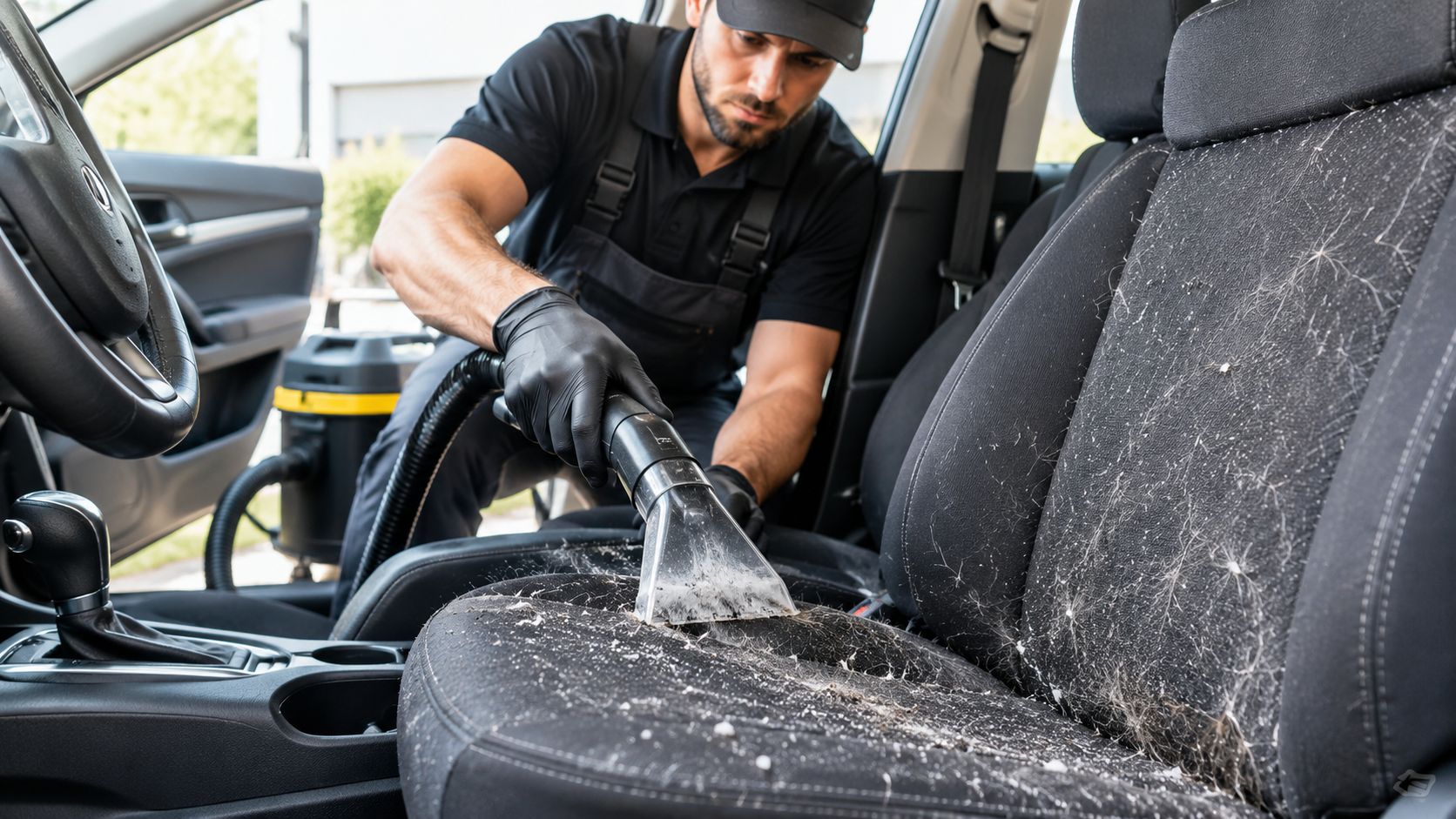
Deep salt saturation, embedded pet hair, stubborn stains, and heavily soiled carpets often need more than a household vacuum and brush. Leather that needs deep cleaning and conditioning also benefits from products and techniques selected for its finish, texture, and level of wear.
Know what brushing cannot remove
A brush loosens contamination. It doesn't automatically remove the liquid, dissolved salt, odour source, or hair it has disturbed. Without adequate vacuuming, blotting, steam cleaning, or extraction, the residue can remain in the fabric.
Professional detailers combine hand tools with equipment suited to the problem. A service may use vacuuming for dry soil, steam for selected surfaces, extraction for upholstery and carpets, and targeted brushing for seams and textured areas. That combination is especially useful when a vehicle has accumulated winter grime over an extended period.
Use a professional service for a reset
Nanak Car Wash offers appointment-based interior and exterior detailing that includes carpet and seat shampooing, salt and stain removal, vent and crevice blowout, leather deep cleaning, and machine buffing and polishing. The service is available alongside regular wash options, so a GTA driver can choose a deeper reset instead of trying to force a small brush to solve a large contamination problem.
Book professional help when you can still see salt after careful cleaning, when pet hair remains woven into the carpet, or when a stain keeps returning after drying. Once the cabin has been reset, a correctly selected brush becomes far more useful for keeping it presentable between details.
Your Quick Brush-Selection Checklist for GTA Drivers
Use this decision path before buying or reaching for a brush:
- Identify the surface: Screen, glossy trim, vent, leather, cloth, carpet, or rubber mat.
- Assess the soil: Dry dust needs less force than embedded salt, mud, or compacted grit.
- Start soft: Use the least aggressive brush that can move the contamination.
- Vacuum first: Remove loose particles before adding cleaner or moisture.
- Work in small areas: Test pressure and product on a hidden section.
- Keep a small kit: A soft vent brush, a soft upholstery brush, and a firmer mat or carpet brush cover distinct jobs.
- Separate tools: Never let a grit-loaded carpet brush become your dashboard brush.
- Call a professional: Choose extraction, steam, and deeper detailing when contamination remains embedded or odours persist.
A good interior car cleaning brush won't replace a complete detailing process. It makes that process more precise, safer for delicate surfaces, and easier to repeat through GTA winter conditions.
For salt-stained carpets, stubborn upholstery, vent debris, or leather that needs deeper care, Nanak Car Wash provides interior detailing with shampooing, salt and stain removal, vent and crevice cleaning, and leather deep cleaning. Visit Nanak Car Wash to arrange a professional interior reset or choose an ongoing wash and maintenance option for your vehicle.



 6600 Finch Ave W, Etobicoke, ON M9V 3Z6
 647-703-8515
 MON – SUN 8 AM to 7 PM