
A car paint sealant is a synthetic polymer layer that bonds to the clear coat and lasts roughly four to six months. Say you pulled into a Greater Toronto Area driveway in March, rocker panels chalky with white film, hood still shiny from a fall detail that now sheets water flat instead of beading. That film is salt and grit on paint that has already lost its raincoat. The sealant is the raincoat. It is not the paint, and it will not close a stone chip the size of a sesame seed.
Table of Contents
- What a Car Paint Sealant Actually Is
- How Sealant and Wax Compare on Protection
- What Sealant Does and Cannot Do Against Winter Salt
- How to Apply Sealant Step by Step
- Decide Whether Professional Protection Is Worth It
- Reapplication and Winter Wash Schedule
What a Car Paint Sealant Actually Is
You rinse the hood with a garden hose and the water lies in a dull sheet. Nothing is left on the clear coat to push it into beads. That is the moment the last coat has worn off, not the moment the paint has failed.
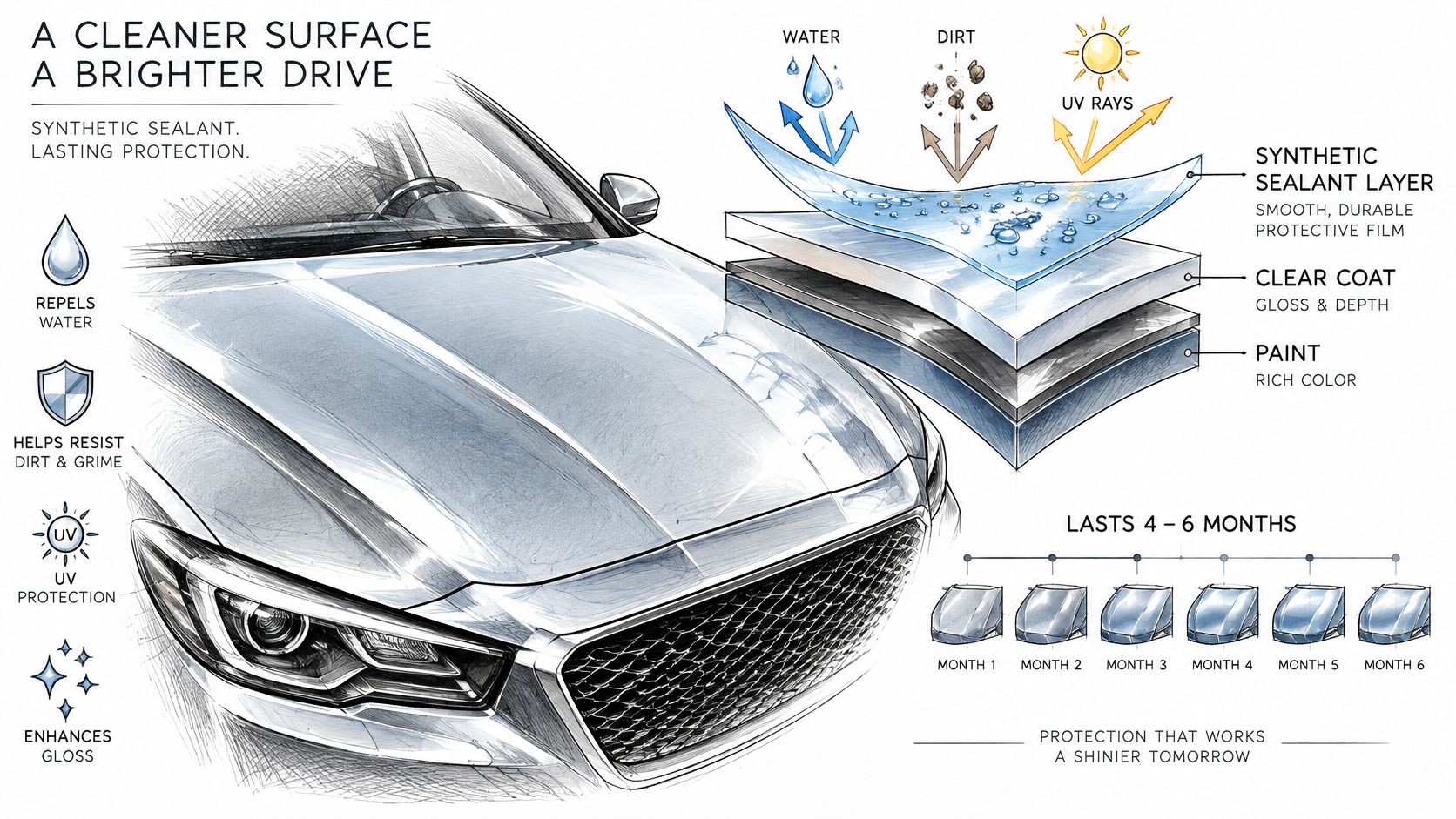
Car paint sealant sits on top of a finish that is already built. From the metal outward the stack is primer, base colour, clear coat, then sealant. The polymer bonds to that glossy clear coat. It does not replace colour, and it does not fill a scratch the way a polish does. Treat it like a raincoat over a wool sweater. The coat keeps drizzle and road grit off the knit. It does not mend a hole in the sleeve.
On a parts-store shelf the same idea shows up in three forms.
- Spray-on sealant: a light film you wipe on between full jobs, useful when you only have twenty minutes after a wash.
- Liquid sealant: the bottle you spread by hand with a foam pad, one panel at a time, which is the version that lasts.
- Sealant-infused wash: soap that leaves a thin film as it rinses, handy for upkeep and thinner than a dedicated coat.
What you feel afterward is a slicker panel, water that beads, dirt that lets go at the next wash, and a bit less sun beating on the roof and hood. Three words on the label separate a real product from scented dressing: polymer, synthetic, and a durability claim stated in months.
How Sealant and Wax Compare on Protection
| Product | Typical lifespan | Base | Finish | Cost tier |
|---|---|---|---|---|
| Carnauba wax | 4-8 weeks | Natural carnauba palm wax | Warm, deep glow | Low |
| Synthetic paint sealant | 4-6 months | Polymer compounds | Sharp, reflective shine | Moderate |
| Ceramic coating | 2-5 years | Silicon dioxide compounds | Glassy, hard gloss | High |
Carnauba behaves like a thin layer of butter on toast. It looks rich, it smells like a proper detail, and the next few hot washes wipe most of it away. A synthetic sealant cross-links and grips the clear coat, so the film stays put through spring rain and a few automatic washes. Ceramic goes further still, but only after a strict correction and prep that most Saturday driveways never get.
Which one fits the car you actually drive
A weekend show car that lives under a cover can stay on carnauba. You want that warm glow for a cruise night, and reapplying every month is part of the hobby. A daily commuter is the sealant car. Four to six months of sharp reflection, without booking a full correction, matches how often many drivers are willing to spend a Saturday on the driveway.
Ceramic earns its price when you already love the paint and you will pay someone to prep it properly. The glassy look is real. So is the bill, and so is the rule that a rushed coating on dirty paint fails early.
You can lay a thin coat of wax over a cured sealant if you want extra depth for a photo or a wedding. Doing that resets the protection timer, because the wax is now the surface that washes wear away. When the wax is gone, judge the sealant underneath by beading, not by the calendar on the bottle.
What Sealant Does and Cannot Do Against Winter Salt
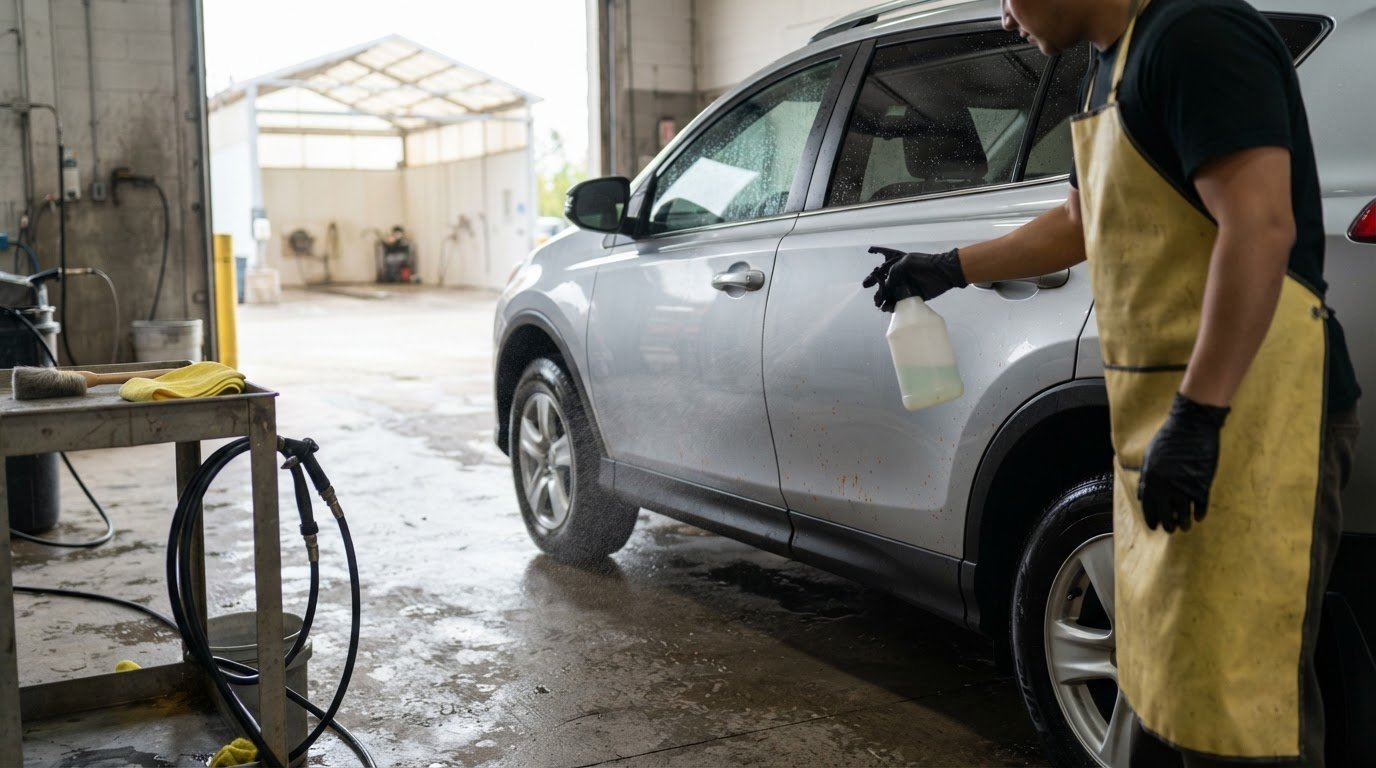
Say your GTA commute leaves a white tide mark along the doors and slush packed around the wheel arches. Sealant can help that grime wash off the painted panels. The salty mess underneath needs its own attention.
For the 2023–2024 winter season, 135 Ontario road organizations reported using 1,679,395 tonnes of road salt across 104,187 kilometres of salted roads, plus 36,198,084 litres of salt-treatment liquids and 791,365 tonnes of abrasives, according to Environment and Climate Change Canada's road-salts overview. Some of that material ends up on lower doors, rocker panels, wheel arches and the underbody, mixed with road grit.
What the film actually does
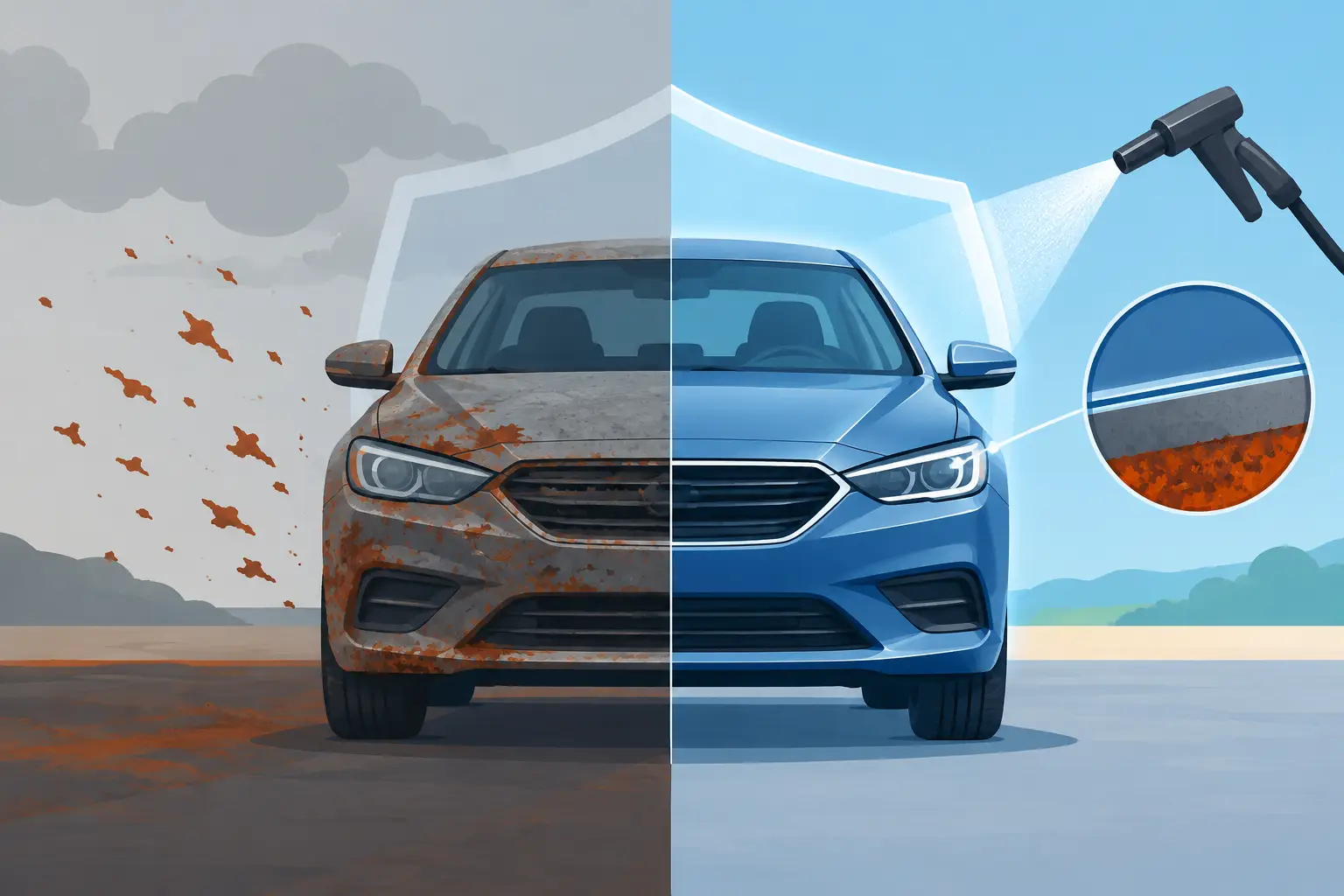
Sealant works like a raincoat for intact paint: a sacrificial surface between the finish and road grime. Its useful winter job is helping contamination release during washing, so you have less reason to scrub a crusty lower door.
Beading shows how water behaves on that surface. It does not demonstrate that seams are protected, chips are sealed or corrosion has stopped. A shiny hood and a salty underbody can belong to the same car.
Keep these benefits separate:
- Easier cleaning: road film can release more readily from sealed paint during a proper wash.
- Appearance: sealant helps maintain gloss and can help limit weathering, depending on the product.
- Corrosion protection: beading alone tells you nothing about exposed steel or hidden cavities.
Where the raincoat stops
Sealant cannot absorb a stone strike, repair a deep scratch or stop established rust. A coat applied to exterior paint also leaves hidden seams and underbody cavities untreated.
Material selection, such as the truck-bumper choices discussed in the Kenworth bumper material advice from Galhor, is a separate decision from caring for a painted surface. Neither a tough component nor a glossy finish makes every vulnerable area protected.
Practical rule: If you can see exposed metal or damaged primer, address that spot before sealing the surrounding paint.
A wipe of sealant is no repair. Clean and dry the damaged area, arrange an appropriate repair, then protect the sound finish around it. Existing rust needs attention rather than another layer over the top.
Match the treatment to the damage risk:
- Salt film on intact paint: use sealant to support easier cleaning, and keep washing away residue.
- Chips, scratches or rust at seams: choose touch-up or body repair suited to the damage.
- Underbody and cavities: consider a separate rust-proofing treatment, with rinsing that reaches salt-laden wheel arches and accessible underside areas.
Choose by the vulnerable area, not the longest durability promise on a bottle. Sealant is one layer of winter maintenance, and it still needs the wash.
How to Apply Sealant Step by Step
Pick a shade spot once the panel is above about 10°C. In the GTA that usually means a spring or fall Saturday, not a January afternoon and not a July driveway in full sun.
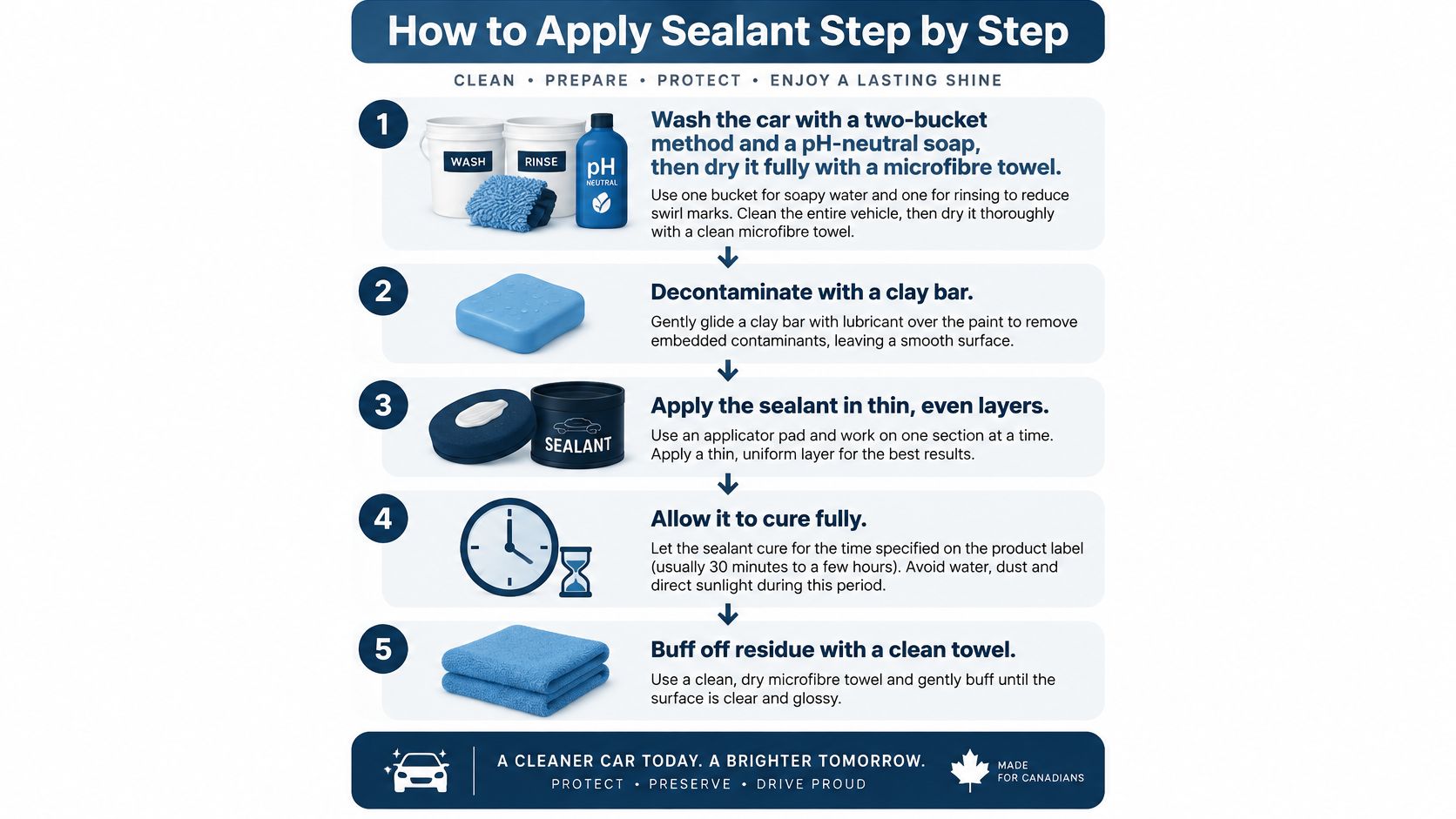
- Wash with a two-bucket setup and a pH-neutral soap, then dry every panel with a clean microfibre. Dirt left in the film gets sealed in, and a wet edge leaves streaks you will blame on the product.
- Decontaminate with a clay bar, or an iron remover on lower panels that show orange fallout. Bonded road film blocks the polymer from gripping. Skipping this step is the slip that makes a “six month” coat die in six weeks.
- Polish only where you can see swirl marks or haze. Sealant does not remove defects. It locks in whatever is already there, including a dull patch you hoped the bottle would hide.
- Wipe each panel with a panel-prep spray so oils from polish or your hands are gone. A thin skin of oil is enough to stop the cross-link.
- Spread a thin, even layer with a foam applicator, one panel at a time. Too much product hazes into a chalky mess and wastes half the bottle. Direct sun flashes it dry before it bonds, which is why the shade rule sits at the top.
- Let it haze for the time on the label, then buff with a fresh microfibre. Buffing early smears it. Waiting until it is rock hard makes you scrub.
- Keep the car dry through the cure window, usually 12 to 24 hours. Rain in that window lifts an uncured film.
- After two dry days, rinse with a hose and watch the hood. Tight beads mean the bond took. A flat sheet means you redo that panel.
Work one panel from start to buff before you open the next bottle cap. A whole car hazing at once is how people learn to hate sealant.
Decide Whether Professional Protection Is Worth It
| Situation | Best fit | Why |
|---|---|---|
| Daily commuter, garaged | Synthetic sealant every 4-6 months | Low salt exposure, so gloss matters more than armour |
| SUV parked outside through GTA winter | Sealant plus underbody rust proofing | Salt reaches lower panels and the underbody |
| Car with fresh stone chips | Repair chips first, then sealant | Sealant cannot cover exposed metal |
| Car kept for resale or show | Ceramic coating applied after professional prep | Maximum gloss and longevity justify the cost |
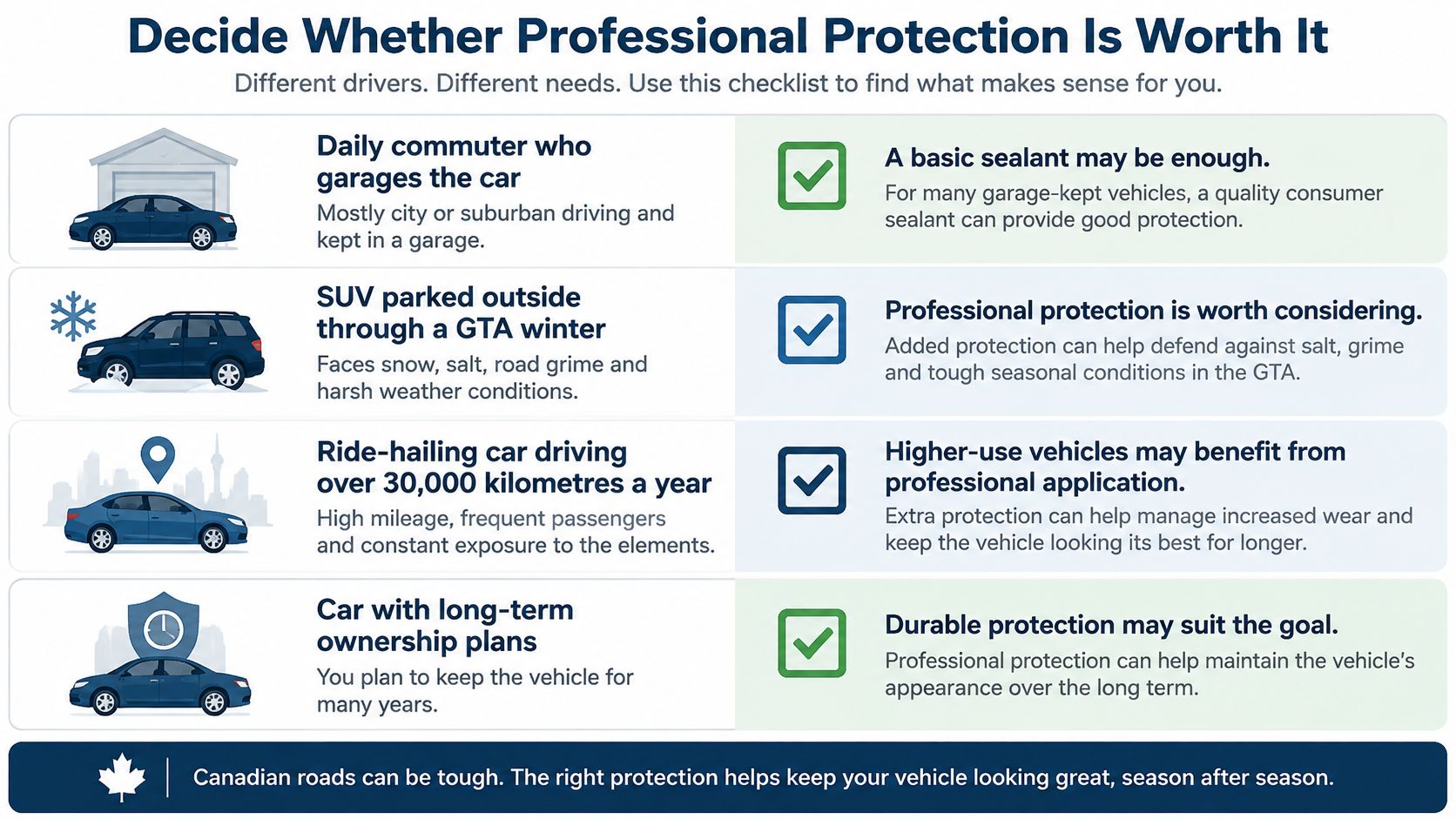
Pick the product by the damage you take, not by the longest claim on a box. Ask five things before you spend: annual kilometres, whether the car sleeps outside, how many winter days it sees, how old the paint is, and how often it gets washed. A ride-hailing car that is rinsed every week can live on a modest sealant. The same car, caked in brine for ten days, will not be saved by a five-year label.
Ontario monitoring cited by a municipal-policy report found chloride concentrations in 400 streams and lakes had doubled since the 1960s, as covered by Environmental Science & Engineering. That is a reason to wash salt off promptly, not a reason to buy the most chemically heavy coating and then skip the rinse. No surface sealant stops rock chips or rust-through. High-impact zones need film or a repair, not another layer of gloss.
Book sealant and a thorough wash in spring and fall, and add underbody rust proofing before winter if the car parks outside. Rust proofing for a small car starts at $119.95, applied by certified professionals who use a unique chemical compound. Detailing appointments can be booked online or by calling 416-749-0202. Detailing is the appearance job. Rust proofing is the corrosion job. They are not swaps.
Reapplication and Winter Wash Schedule
The calendar only works if the film is already on the car when the plows start.
- Fall, before the first salt: wash, decontaminate, and put a fresh coat on so lower doors meet brine with an intact film. Applying after the roads are white means you seal dirty paint.
- Early winter: rinse the underbody and lower panels after salted trips, especially brine days. The film only helps while you remove what landed on it. Leaving crust on a sealed rocker is how people decide sealant “doesn't work.”
- Mid-winter: a hose rinse on a mild day tells you the truth. If water sheets flat, the film is gone. Wait for a shade day warm enough to bond a new coat. Do not smear product onto a freezing panel.
- Spring: a deep wash to lift accumulated chloride and abrasive film, then a walk around chips and seams before you seal again. Seal a chip you have not touched and you have gift-wrapped the rust.
How often you wash changes the interval
A garaged commuter who washes weekly can ride the full window and reapply twice a year. A ride-hailing or delivery car that sits in brine most days will lose beading sooner, even if the bottle still says you are covered. Judge the panel, not the sticker. Wax laid over the sealant for a bit of extra glow starts that clock over, so do not count those weeks as sealant life. Spring and fall stay the practical windows because the panel needs to be warm enough, dry, and out of direct sun for the bond to hold.
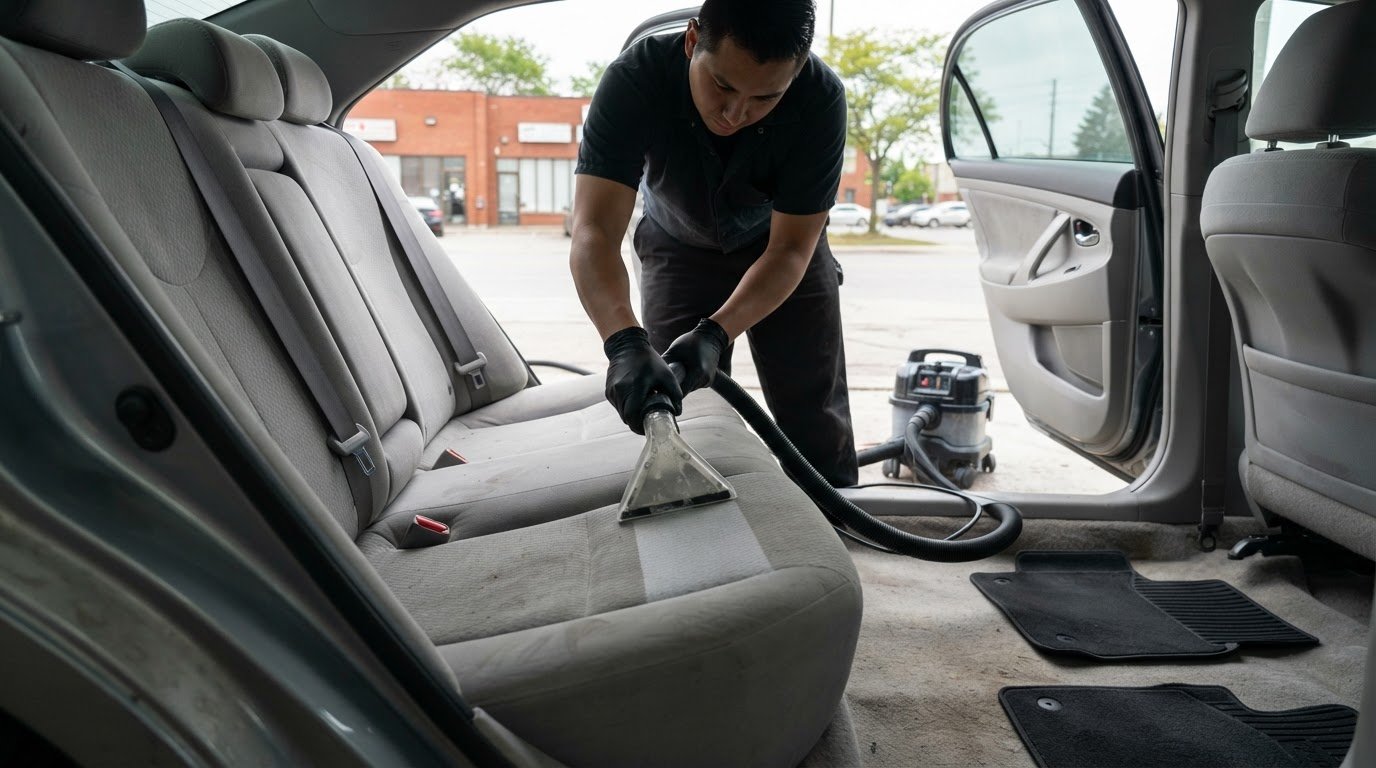
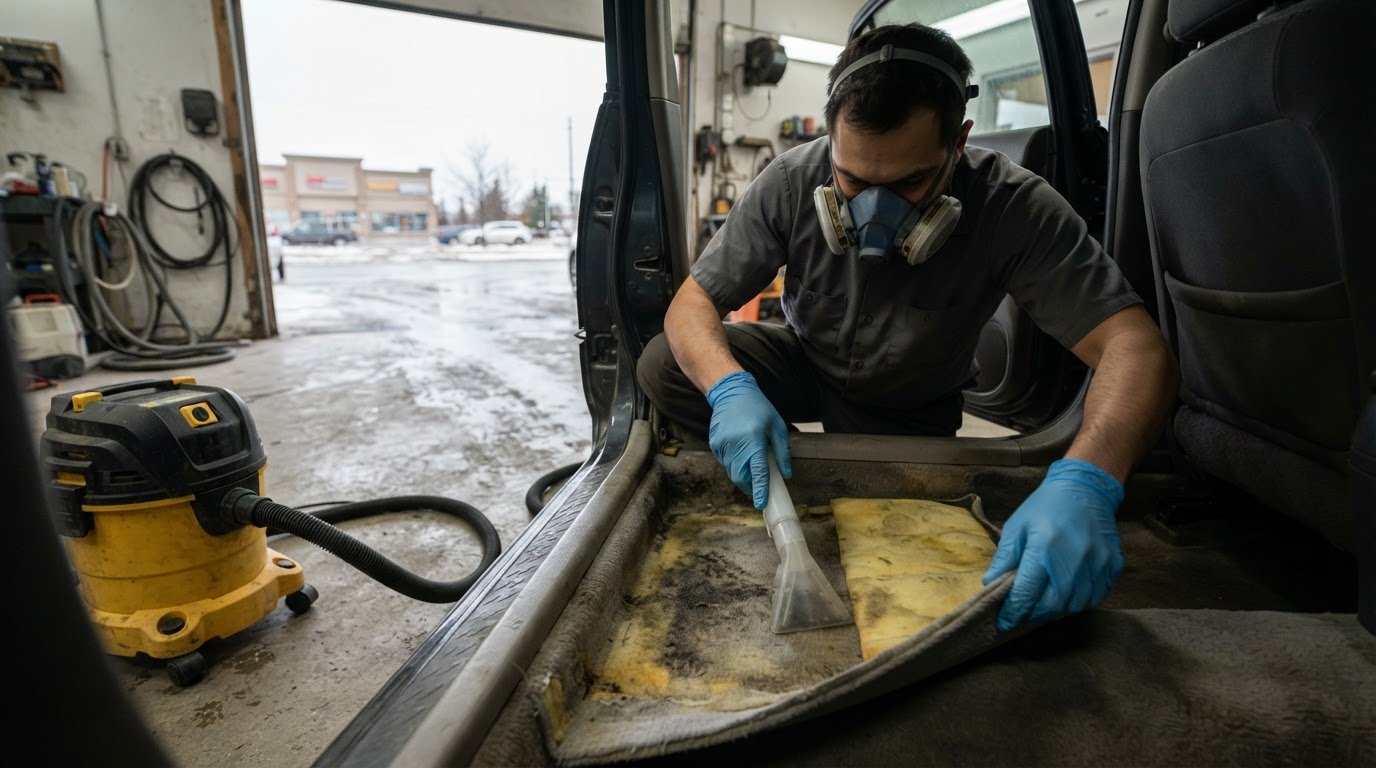
If winter film on the rockers is what sent you looking this up, we can wash it off and treat what a sealant never reaches. Nanak Car Wash handles exterior washes, detailing, and rust proofing for GTA drivers who want the shiny panels and the underbody dealt with as separate jobs. Book a visit at Nanak Car Wash and we will match the service to how the car is driven.

 6600 Finch Ave W, Etobicoke, ON M9V 3Z6

 647-703-8515
 MON – SUN 8 AM to 7 PM