
You know the scene. It's late February, the car looked clean for about six minutes after the last wash, and now the doors are crusted white, the wheel wells are packed with grey slush, and the floor mats look like they lost a fight with a snowbank. In Ontario, that isn't just ugly. It's the start of expensive wear if you leave it sitting.
That's why auto detailing in Ontario sits in a different category than a casual summer wash. In the GTA, cleaning a vehicle properly isn't vanity work. It's maintenance for paint, trim, carpets, seams, brake-line areas, and the underbody parts you rarely see until something goes wrong.
Table of Contents
- Why Auto Detailing Ontario Drivers Actually Need
- Wash Packages vs Professional Detailing Services
- What to Expect During a Professional Appointment
- The Ontario Winter Corrosion Challenge Explained
- Membership Plans and Prepaid Options Decoded
- How to Choose the Right Auto Detailing Provider
- Next Steps for Protecting Your Vehicle
Why Auto Detailing Ontario Drivers Actually Need
By the middle of an Ontario winter, most vehicles start to tell the truth. You see the salt line along the rocker panels, the brown splash behind the wheels, and that chalky film that a driveway hose barely touches. A quick rinse helps the surface look better, but it usually leaves behind the grime that matters most.
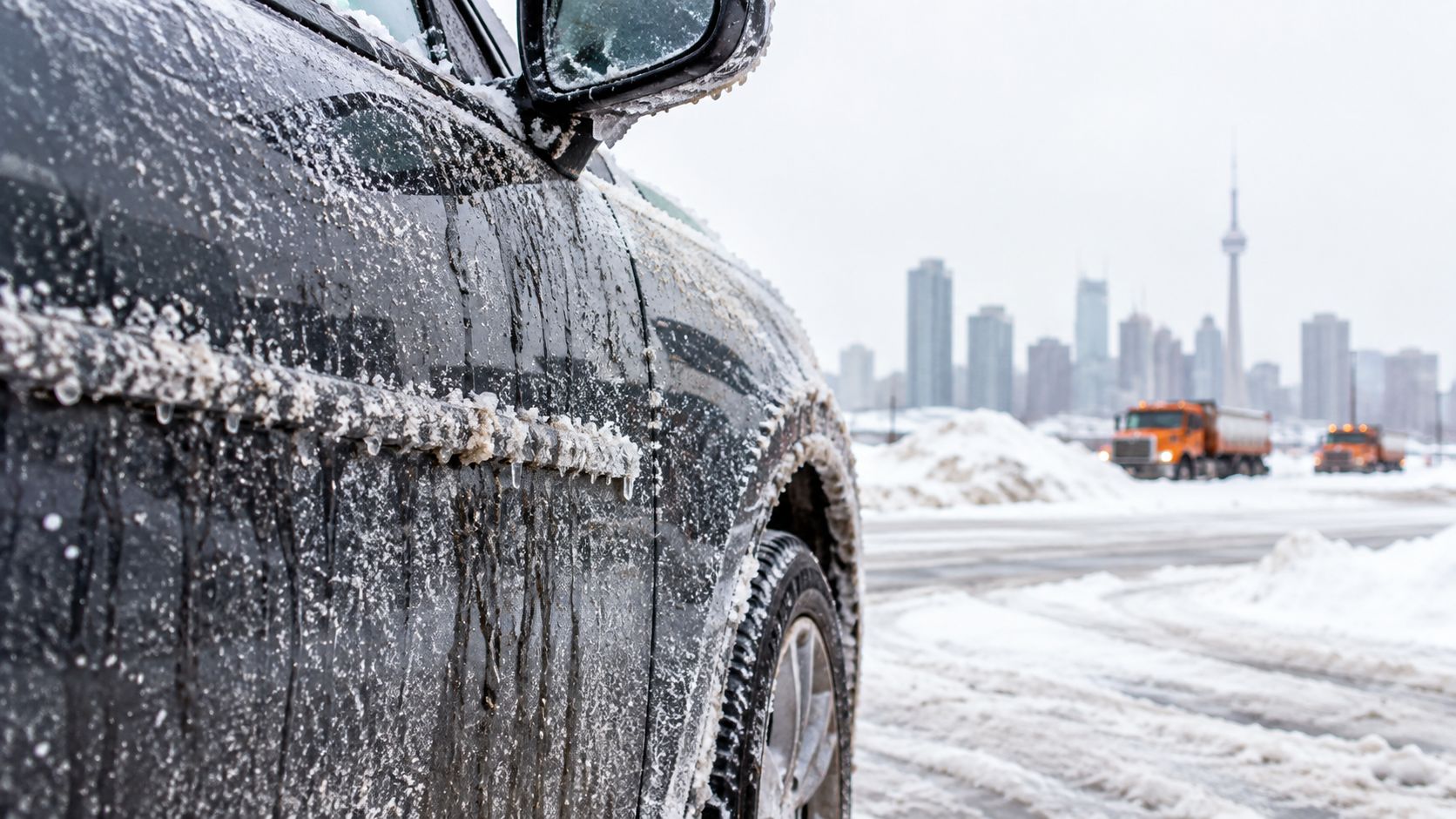
Ontario's corrosion problem is unusually aggressive. One Ontario-focused source estimates the province applies about 1.5 to 3 million tonnes of road salt each winter, while Toronto alone uses roughly 130,000 to 150,000 tonnes annually. That same source notes the GTA gets five to six months of freeze-thaw exposure, and untreated vehicles can show visible undercarriage rust within 2 to 3 winters, with structural-rust risk emerging in about 8 to 12 years of year-round driving (Ontario road-salt corrosion overview).
Why a basic rinse falls short
A coin wash or driveway spray usually removes the obvious mess. It doesn't do much for packed salt in seams, heavy film behind the wheels, or the interior grime dragged in on boots and slush-covered mats.
That's the difference with proper detailing. It targets what winter leaves behind in places normal washing misses.
Practical rule: If your car spends winter on the 401, the Gardiner, or any salted commuter route, you're not maintaining it properly with exterior-only cleaning.
What detailing changes
Detailing makes sense when the vehicle needs more than soap and water:
- Undercarriage attention: Salt buildup under the vehicle needs direct rinsing, not just side-panel spray.
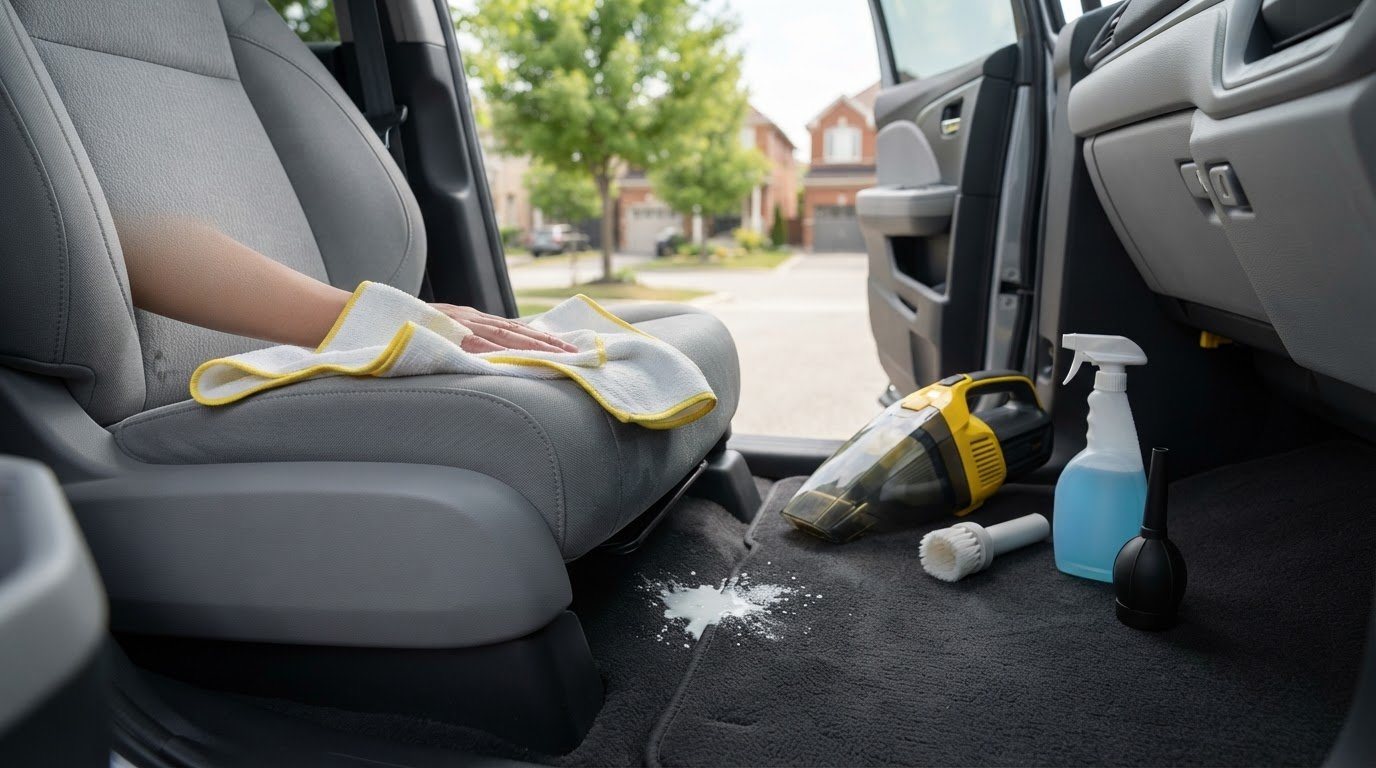
- Interior recovery: Shampooing mats, pulling salt from carpets, and cleaning crevices stops that gritty winter residue from becoming permanent.
- Protection steps: Wax, sealant, and rust-proofing aren't magic, but they do give contamination less to cling to.
In Ontario, the line between “car wash” and “vehicle care” gets very clear by January.
Wash Packages vs Professional Detailing Services
A lot of confusion starts with one word: “clean.” A wash can clean a car. A detail can restore one. Those are not the same appointment, and they shouldn't cost the same.
At a practical level, most services fall into three tiers. The easiest way to choose is to match the service to the mess, not to your mood after looking at the car in bad parking-lot lighting.
Service Tier Comparison
| Service Type | Starting Price | Key Features |
|---|---|---|
| Express exterior wash | $9.99 + tax | Presoak soap, foam bath, rinse, drying agent, air blowers; upgrades may add underbody wash, waxes, sealer wax, lava foam |
| Full-service wash | $29.99 + tax | Exterior wash, hand dry, interior vacuum, dashboard wipe, window cleaning; higher tiers may add console, door-panel, cup-holder, and tire-dressing work |
| Interior and exterior detailing | By appointment | Carpet and seat shampooing, salt and stain removal, vent and crevice blowout, leather deep cleaning, machine buff and polish; SUV/van/truck and pet-hair surcharges may apply |
| Rust proofing | Approx. $119.95 to $149.95 + tax | Dedicated rust-proofing compound with size-based pricing |
These starting prices come from the published service lineup for the GTA market described by the publisher. They're useful because most guides dance around cost until you're already standing at the counter.
What a wash does well
An express wash is for maintenance. It's a smart move when the body is dusty, salty, or lightly grimy and you want quick turnaround. If the package includes an underbody wash, that's even more relevant in winter.
A full-service wash adds the kind of inside cleanup many drivers need. Vacuuming, windows, and a quick wipe-down make daily driving more tolerable, especially if the car doubles as a kid shuttle, rideshare unit, or job-site commuter.
A wash is great for routine upkeep. It's not a fix for embedded salt stains, dog hair woven into carpet, or paint that feels rough after months of contamination.
What detailing does that a wash can't
Professional detailing is where hand work takes over. That means shampoo extraction instead of surface vacuuming, leather care instead of a quick dash shine, and machine polishing instead of hoping the paint looks better when it dries.
Common signs you've outgrown wash packages:
- The paint still feels gritty after a normal wash.
- Floor mats are white with salt marks and vacuuming barely changes them.
- Windows haze up fast because interior film has built up.
- Seats or carpets hold odours from wet winter gear.
- Swirls and light scratches show in sunlight and bother you every time you walk up to the car.
If the goal is “presentable until tomorrow,” a wash is enough. If the goal is “undo winter abuse,” that's detailing.
What to Expect During a Professional Appointment
Many who haven't booked a proper detail before expect one of two things. Either they think it's just a longer car wash, or they think it's some mysterious luxury service where the car disappears for a day and comes back expensive. In reality, it's a structured process.
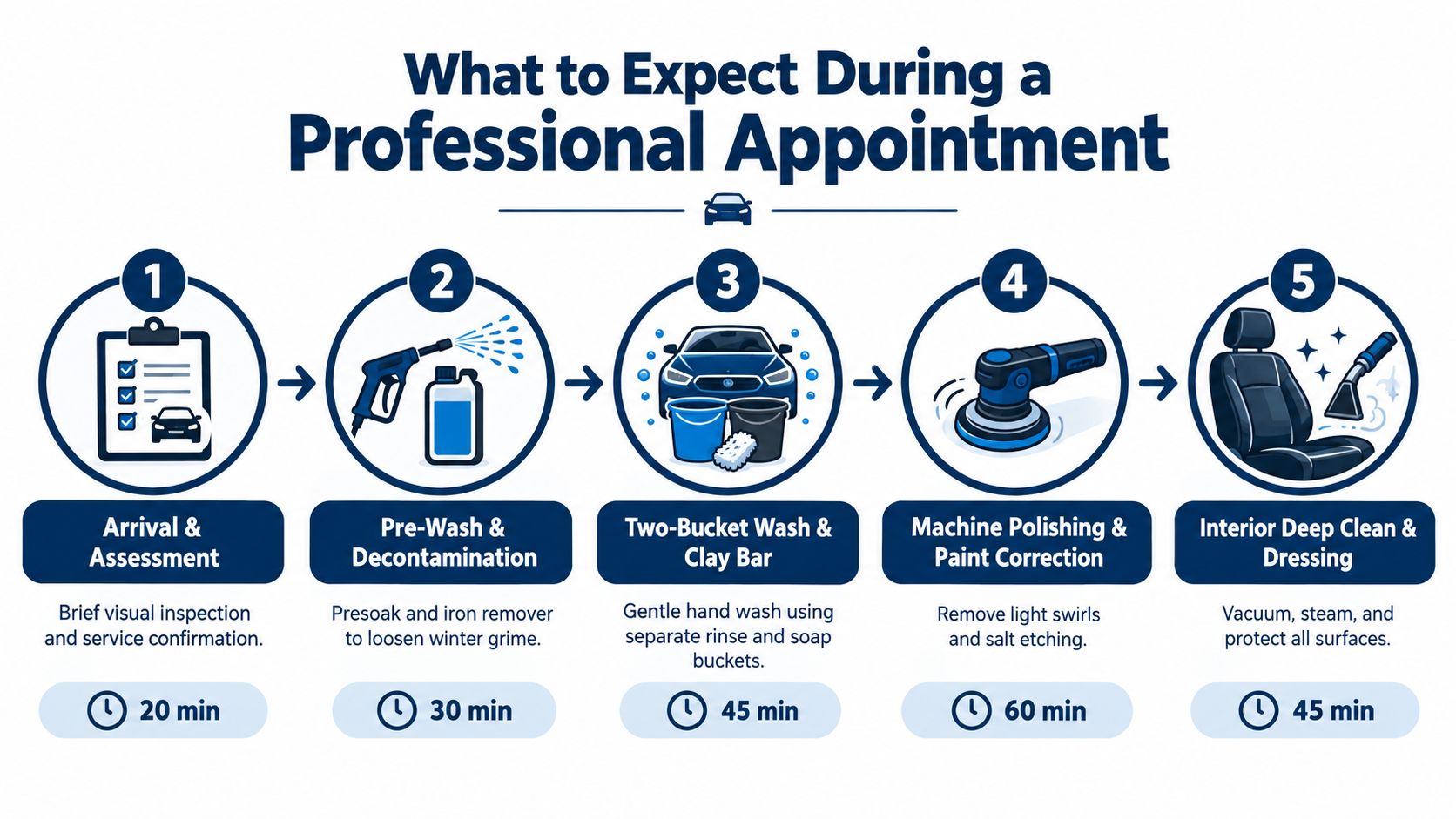
The published service guidance for Ontario detailing appointments puts the typical duration at 1 to 4 hours, depending on vehicle size and service depth. Larger SUVs, vans, and trucks can carry surcharges, and so can heavy pet hair or deep stain work.
How the appointment usually unfolds
A professional appointment often starts with a walkaround and a quick interior check. The shop confirms what you booked and spots the stuff customers forget to mention, like salt caked into carpet edges or scuffs on kick panels.
After that, the exterior work usually follows a sensible order:
- Pre-rinse and presoak to loosen road film and winter grime.
- Hand wash with better control than an automated pass.
- Decontamination steps such as clay treatment when the paint feels rough.
- Drying and inspection before any polishing or protection.
Inside the car is where the labour shows
Interior detailing is where time disappears, because this is the fiddly part. Vacuuming is the easy stage. The work is shampooing carpets and seats, flushing out salt, blowing debris from vents and seams, wiping trim properly, and treating leather with products that clean without leaving it greasy.
If you've got pet hair, expect that to be treated like the separate project it is. Anyone who's ever owned a black cloth interior and a light-coloured dog knows why.
Worth asking at booking: Tell the shop about pet hair, child-seat marks, salt stains, spilled coffee, and whether you want paint polishing. Surprises cost time, and time is what drives detail pricing.
What machine polishing is actually for
Machine buffing or paint correction isn't automatic. It's for vehicles with swirls, dullness, light etching, or that tired look a regular wash can't change.
It helps to be honest here. If you just want the car clean for the week, skip correction. If you care how the finish looks in bright sun, that's when polishing earns its place.
The Ontario Winter Corrosion Challenge Explained
Road salt doesn't damage vehicles because it's dirty. It damages them because it changes the chemistry sitting on the metal.
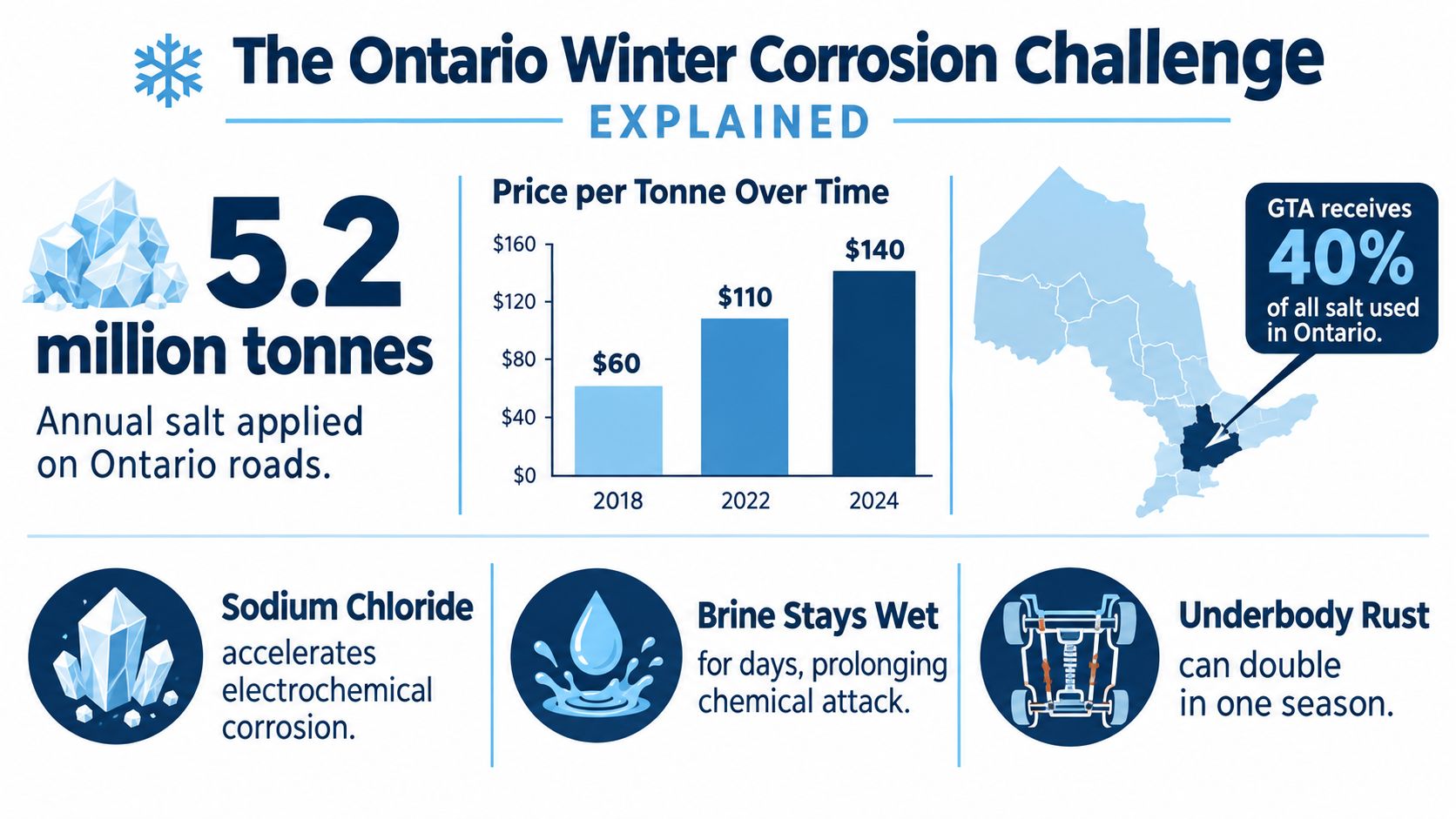
Ontario-focused maintenance guidance describes chloride brine as especially harsh because it lowers the freeze point, stays wet in seams and wheel wells, and makes the electrolyte pathway behind electrochemical rusting more conductive. The same corrosion summary says Canadian research commonly attributes about 50% of vehicle corrosion to road salts, which is why underbody rinsing and seam-targeted cleaning are technically justified steps in the GTA (undercarriage rust protection guidance).
Why Ontario drivers wash more often
This climate changes behaviour as well as maintenance needs. An Ontario detailing guide cites a Canadian survey showing Ontario households washed their cars 4.06 times per month, compared with 3.03 times per month across Canada overall. That works out to about 48.7 washes per year in Ontario versus 36.4 nationally. The same guide cites a Transportation Research Board corrosion study measuring atmospheric corrosion in Toronto at 5,108 mg/dm² over a 19-month exposure period (Ontario wash frequency and corrosion context).
Those figures line up with what drivers already feel. Cars here don't stay clean for long, and they don't stay protected for long if you ignore the underside.
The maintenance interval that actually matters
Canadian guidance for salt-heavy conditions recommends removing salt every 7 to 10 days during active salt season, with weekly undercarriage cleaning used as a practical benchmark (winter car detailing guidance).
That doesn't mean every visit needs a full interior-exterior detail. It means the underbody can't be treated as optional.
- Daily highway commuters: Shorter cleaning cycles make sense because slush and brine pile up faster.
- Urban occasional drivers: You may stretch the schedule a bit, but not indefinitely if roads are heavily salted.
- Spring reset: Winter grime needs a separate cleanup after salt season ends.
Salt doesn't need dramatic neglect to start trouble. It just needs time, moisture, and the places you rarely inspect.
That's why auto detailing in Ontario works best as a schedule, not a rescue mission.
Membership Plans and Prepaid Options Decoded
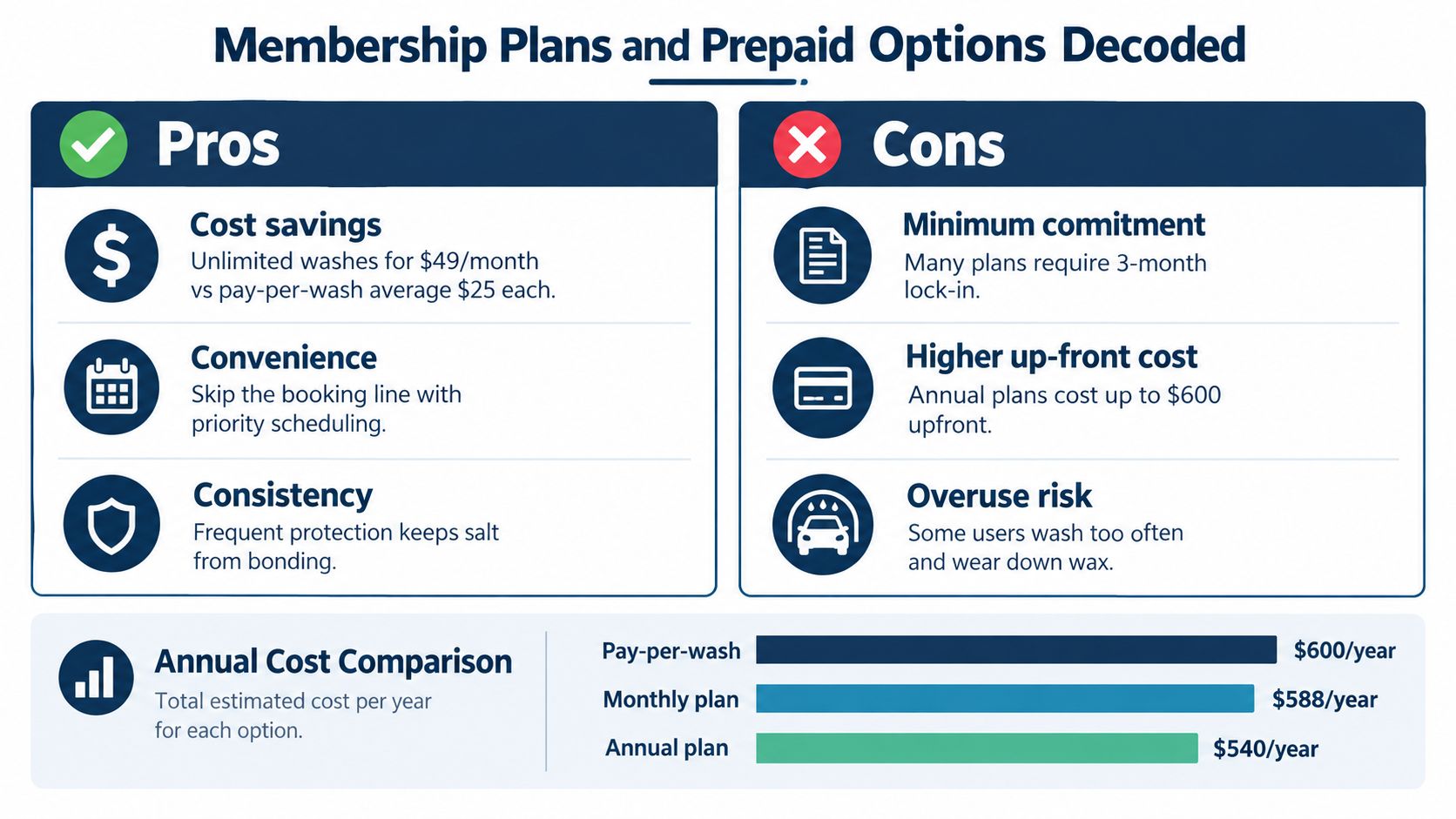
Once you accept that winter washing isn't occasional in Ontario, the money question shows up fast. Should you pay each time, buy prepaid tickets, or jump on a monthly plan?
The right answer depends less on the advertised offer and more on how you use the vehicle. A car parked most weekdays doesn't need the same rhythm as a rideshare vehicle or a family SUV that spends every day carrying kids, groceries, hockey bags, and half of February.
When memberships make sense
Monthly wash clubs suit drivers who need repeat visits without rethinking the budget every time the car turns white with salt. The useful part isn't just convenience. It's consistency. If you know you'll go regularly, a membership removes the hesitation that causes people to wait too long between washes.
For some operators, that matters a lot:
- Rideshare and delivery drivers: Appearance is part of the job, and the vehicle gets dirty quickly.
- Families with one hard-working SUV: Frequent light cleaning often beats occasional heroic cleaning.
- Small fleets and contractors: Predictable spending is easier to manage than random one-off visits.
When prepaid bundles fit better
Prepaid multi-wash tickets are better for drivers who want savings without a monthly charge. They work nicely for people with uneven routines, such as commuters who drive less in summer or owners who alternate between home washing and paid service.
This middle-ground option often feels more realistic than “unlimited” if you know your schedule changes.
What to watch before signing up
The smart move is to look past the promo and check the operating terms:
- Cancellation rules: Some clubs are flexible, some are not.
- Location convenience: A cheap plan you never use is still expensive.
- Included features: Winter value goes up if underbody options are part of the package.
- Member add-ons: Discounted interior cleaning can matter more than another coat of coloured foam.
One practical example in the GTA market is Nanak Car Wash, which offers unlimited monthly passes, prepaid tickets, and discounted interior cleaning for members, alongside wash and rust-protection services at the same locations. That kind of combined setup is useful if you prefer fewer maintenance stops rather than piecing services together across different shops.
How to Choose the Right Auto Detailing Provider
The closest shop isn't always the right shop. In Ontario, the better question is whether the provider understands what salted roads do to a vehicle and has a service mix that matches your driving pattern.
Start with your actual need
Don't book by menu name alone. Book by condition.
If the car is mostly dirty on the outside, you're shopping for a wash provider with decent underbody options and efficient throughput. If the interior smells damp, the carpets are crusted with salt, and the paint feels rough, you're looking for a detailer with extraction, decontamination, and polishing capability.
A simple way to sort it:
- Daily winter commuter: Prioritise underbody cleaning and easy repeat access.
- Lease return or sale prep: Focus on interior restoration and paint appearance.
- Long-term keeper: Look for a provider that also offers rust-proofing and protection steps.
Check how the work is done
A provider should be able to explain the process in plain language. That means modern wash equipment where it makes sense, plus hand-finishing where machines don't solve the problem.
Look for practical signs of a solid operation:
- Clear menu pricing: Starting rates should be visible before you book.
- Hand-applied steps: Especially for interior cleaning, drying, trim work, and polishing.
- Size-based honesty: SUVs, vans, and trucks should be priced differently if they take more labour.
- Multi-service convenience: Washes, detailing, and rust-related care are easier to manage in one maintenance routine.
Good detailing shops don't talk like magicians. They tell you what they can improve, what they can't, and what will take more time.
Consider the total ownership picture
This matters even more if you drive an EV, because routine maintenance looks different when you're not budgeting for oil changes and a lot of the old service habits. If you want a broader look at that side of ownership, this guide to the maintenance budget for electric cars is a useful companion read.
The best provider is usually the one that fits your commute, your vehicle type, and your tolerance for preventable mess.
Next Steps for Protecting Your Vehicle
Most cars don't need everything at once. They need the right service at the right moment. That's the part that saves money and frustration.
Decide what condition your car is in today
Walk around the vehicle before you book and be blunt about it.
- Mostly surface grime: Book an exterior wash with underbody attention.
- Messy cabin and salt-stained mats: Move up to full-service or interior-focused detailing.
- Swirls, dull paint, or rough finish: Ask about decontamination and polishing.
- Keeping the car long term: Add rust-proofing to the conversation.
This simple check stops you from paying for correction when you really just need maintenance, or booking maintenance when the car clearly needs restoration.
Prep the vehicle before arrival
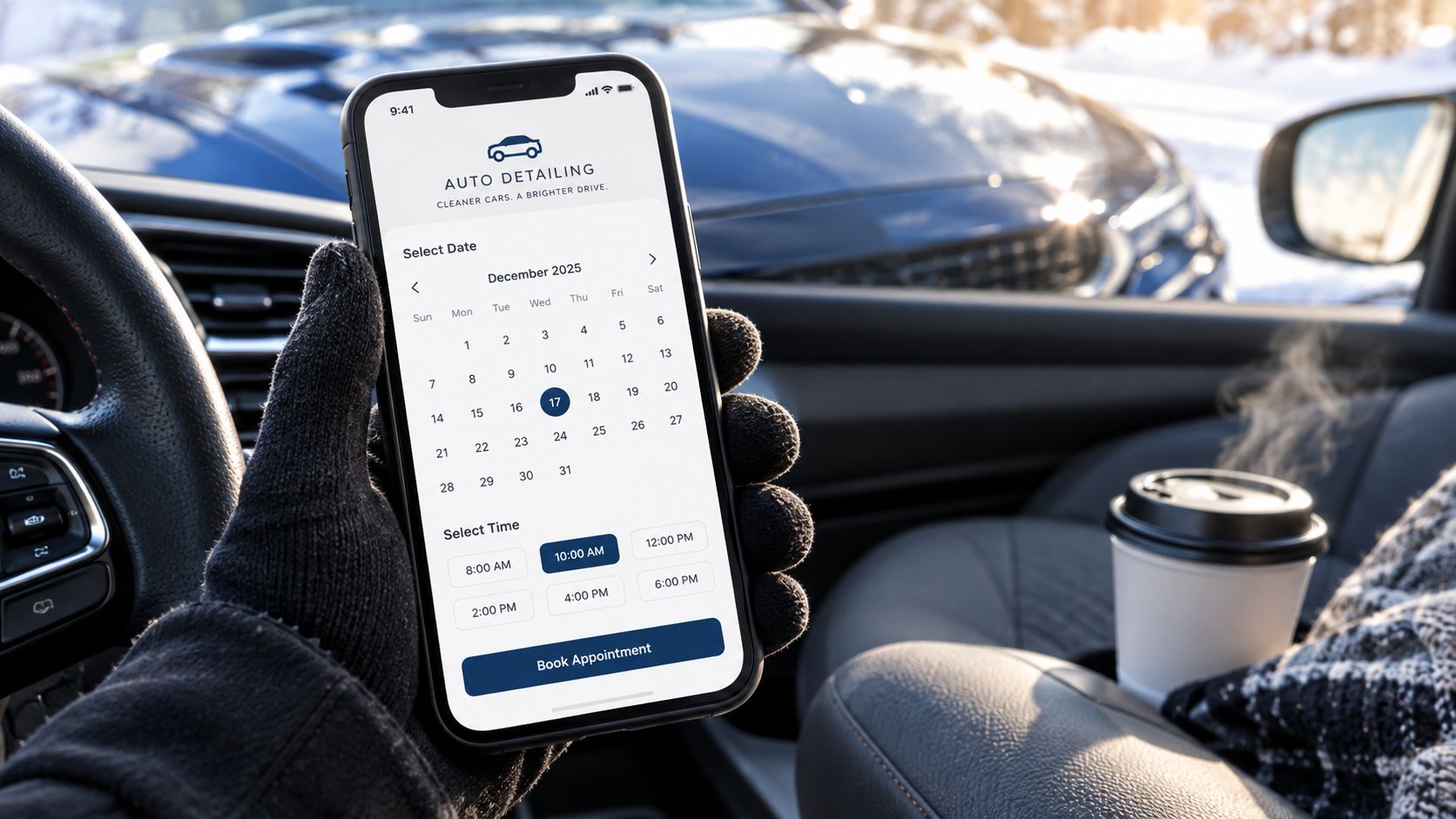
A few minutes of prep makes the appointment smoother. Remove personal items, empty the boot if you want it cleaned, and take out child seats if the area underneath needs attention. If there's a specific problem, like a coffee spill or a mystery smell after winter boots sat in the back seat for months, mention it when booking.
That last part matters. Shops can plan time better when they know what they're dealing with.
Build a realistic Ontario schedule
Ontario-specific guidance says winter washing every one to two weeks, or after major snowstorms, can make a noticeable difference, and salted-road regions often call for every 10 to 14 days, with heavier highway use needing more frequent underbody care (Ontario winter wash frequency guidance).
A practical year-round pattern usually looks like this:
- Winter: Frequent underbody-focused washing.
- Early spring: Deep cleanup to remove leftover salt and interior residue.
- Summer: Lighter maintenance and paint protection.
- Autumn: Prep the vehicle before the first serious salting.
That's the core of auto detailing in Ontario. Don't wait for the car to look terrible. Set a schedule before winter decides one for you.
If your vehicle is dealing with Ontario salt, slush, stained mats, or the usual underbody grime, Nanak Car Wash offers express washes, full-service cleaning, professional detailing, and rust proofing across the GTA. If you want a practical place to start, check the service options and book a visit through Nanak Car Wash.


 6600 Finch Ave W, Etobicoke, ON M9V 3Z6
 647-703-8515
 MON – SUN 8 AM to 7 PM