
Washing your car every 7 to 14 days during an Ontario winter is essential, with an underbody rinse after major salt events to combat the 3 to 5 million tonnes of road salt used each winter. A clean-looking exterior isn't enough if salty slush is still sitting on the frame, suspension and brake-line areas.
You leave the GTA in a clean car, drive through a wet mix of snow and traffic spray, and arrive home with a pale film covering the doors and wheel arches. The lower panels look dirty, but the main problem is usually underneath, where brine settles into seams, fasteners and underbody components.
That distinction matters. A cosmetic wash improves the paint, while a proper winter wash removes the residue that keeps corrosion active. The right routine isn't about chasing a perfect shine through every storm. It's about reducing how long salt remains on the vehicle, especially after a heavy storm, thaw or highway drive.
Table of Contents
- Why Winter Washing Matters in the GTA
- Preparing for Your Winter Car Wash
- The Art of Effective Salt Removal
- Drying Techniques to Prevent Ice Buildup
- Protecting Your Vehicle from Future Damage
- Your Winter Car Care Checklist
Why Winter Washing Matters in the GTA
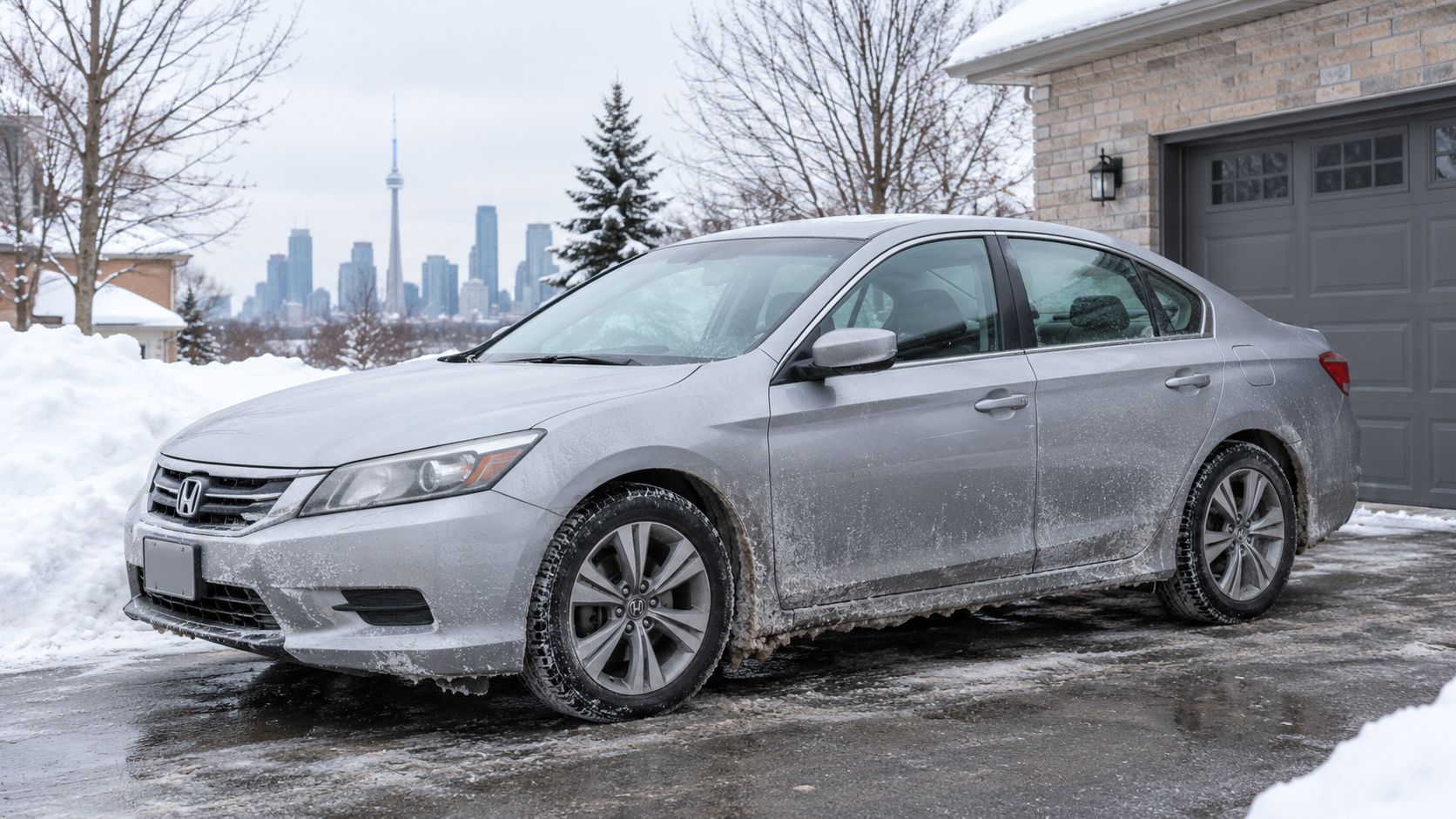
A typical Toronto winter drive gives road salt plenty of opportunities to find your vehicle. Slush sprays behind the front tires, collects inside the wheel wells and works its way along rocker panels. On the highway, wet brine reaches the underside, where it can remain trapped long after the visible bodywork appears dry.
Ontario uses roughly 3 to 5 million tonnes of road salt each winter, and one Canadian summary attributes about 50% of vehicle corrosion to road-salt exposure. The figures are documented in this Canadian guidance on stopping winter rust. That doesn't mean every vehicle will rust at the same rate, but it does explain why winter washing is maintenance, not vanity.
Where the damage starts
The parts that suffer first aren't always the parts you can see from the kerb. Salt-laden moisture can remain around:
- Wheel wells, where packed slush dries slowly behind the tyres.
- Rocker panels and seams, where residue collects along edges and trim.
- Frame rails and suspension mounts, which receive direct spray from treated roads.
- Brake-line and exhaust areas, where access is limited and corrosion can be difficult to spot.
Practical rule: If the lower half of the vehicle has a visible white film, assume the underbody has received the same treatment.
Toronto's exposure is measurable, not theoretical. A Transportation Research Board and Transport Association of Canada summary recorded atmospheric corrosion in Toronto at 5,108 mg/dm² over 19 months, while Ontario's winter salt use remains in the millions of tonnes. The combination makes a neglected underside a poor place to save time.
A quick exterior rinse can remove loose grime from the bonnet and doors, but it won't reliably flush the salt from hidden areas. In the GTA, the useful question isn't just whether you should wash your car during winter. It's whether the wash reaches the places where winter residue does the most harm.
Preparing for Your Winter Car Wash
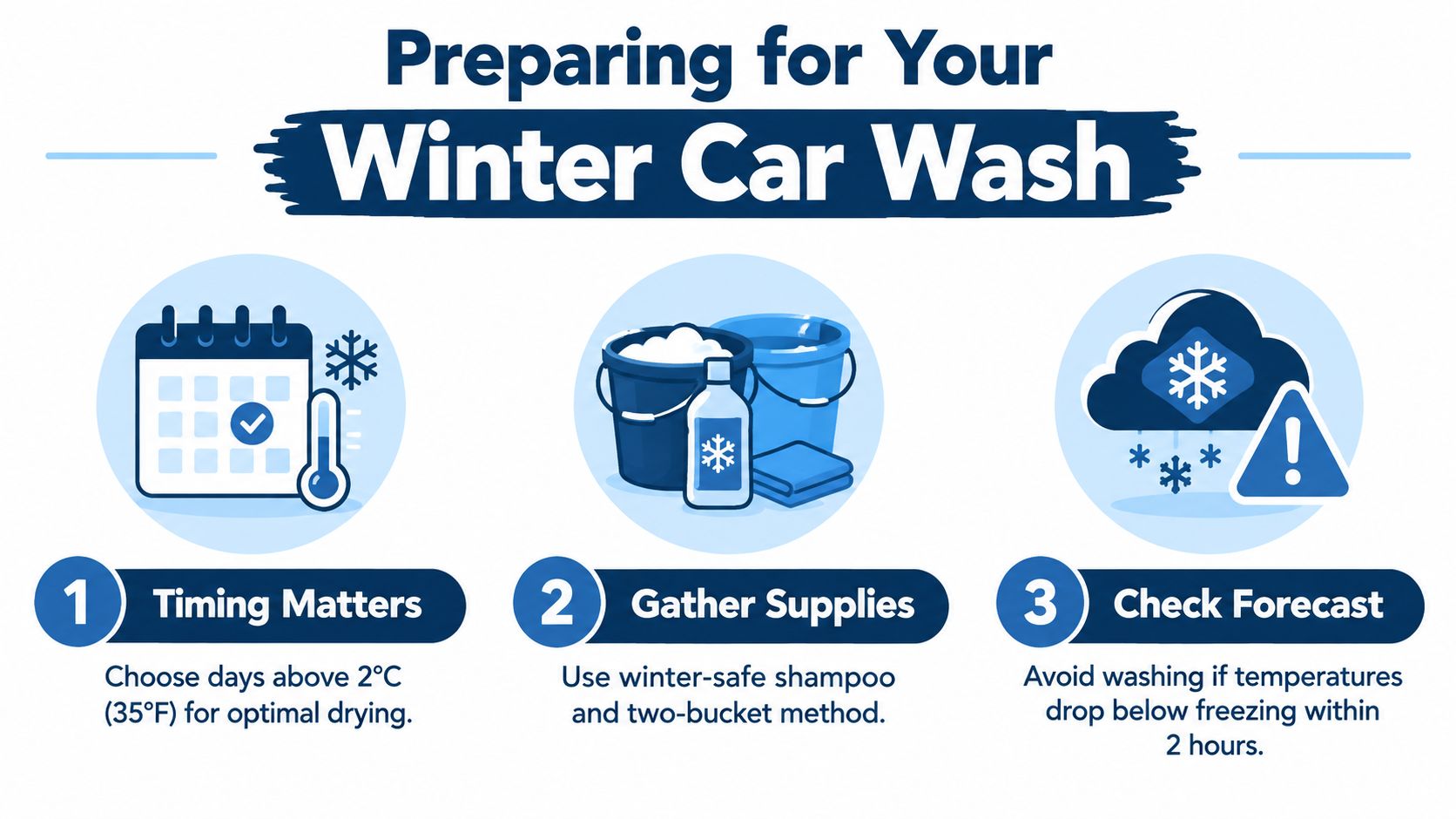
Cold weather doesn't make washing impossible, but it changes the preparation. Choose a day when the vehicle can be washed and dried without immediately turning every door seam into a strip of ice. A brief thaw can be enough if you have a sheltered location, proper drying tools and time to open the doors, boot and bonnet before parking.
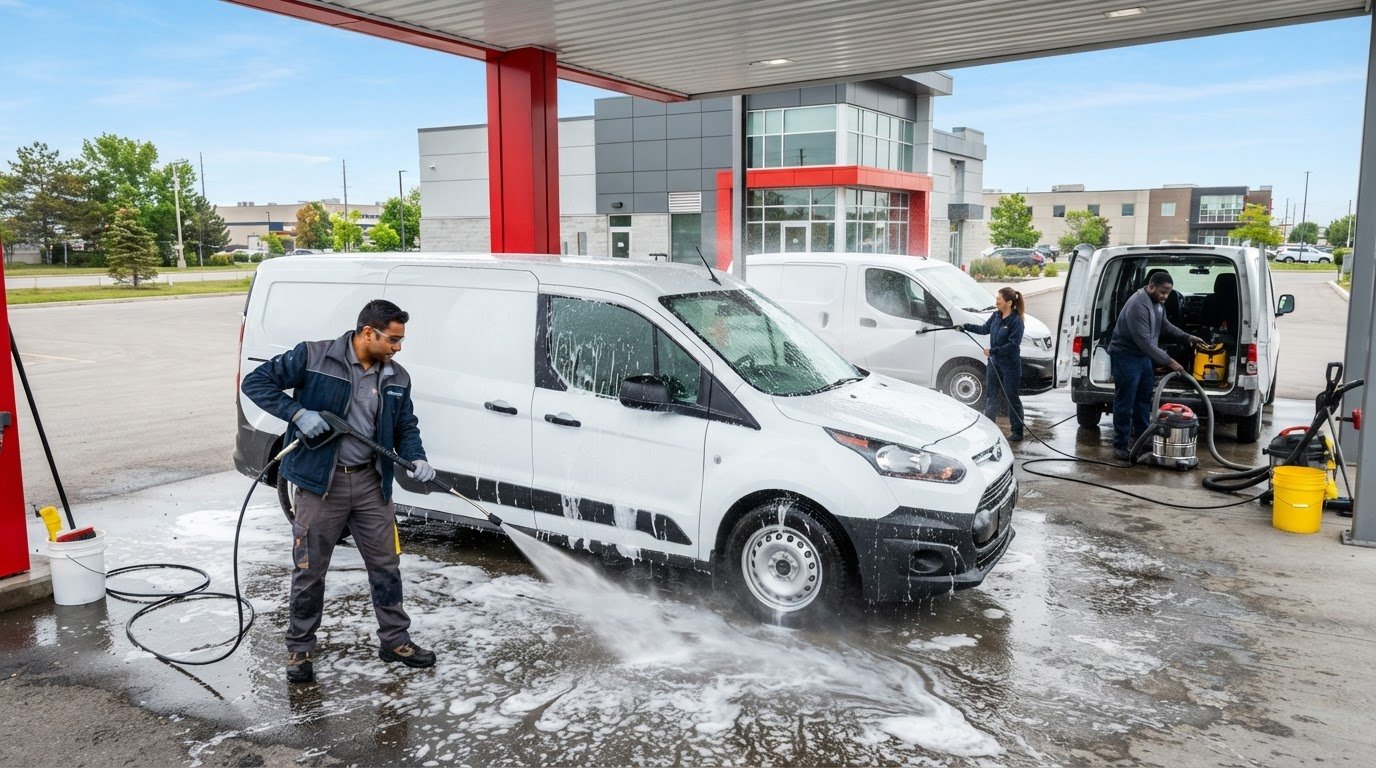
For a home wash, avoid working on a frozen driveway where runoff can become a skating rink. A professional facility is often more practical in severe weather because the wash cycle, underbody equipment and drying process are designed for quick turnover. Either way, the aim is the same: loosen salt, rinse it away and remove standing water before temperatures fall.
Prepare the conditions first
Check the forecast before you start. If freezing conditions are expected soon after the wash, drying becomes more important than the wash itself. Don't wash immediately before leaving the vehicle outside for a long, cold parking period unless you can clear the water from the seals and hinges.
Gather the right equipment:
- Winter-safe shampoo, preferably one designed to lift traffic film without aggressive scrubbing.
- Two buckets, one for the wash solution and one for rinsing the mitt.
- Microfibre towels, kept clean and separated from the towels used on wheels or lower panels.
- A drying aid or air blower, useful for mirrors, handles, badges, door jambs and fuel-door edges.
- A hose or wash system that reaches underneath, because a bucket and sponge alone rarely provide useful underbody coverage.
Use warm water rather than extremely hot water. Sudden temperature changes across cold glass or painted surfaces aren't worth the risk, and very hot water doesn't solve the main winter problem anyway. Pressure, coverage and drying matter more than heat.
Decide whether home washing makes sense
At home, start with the dirtiest and most salt-loaded areas, then work towards cleaner painted surfaces. Keep the wash mitt away from grit once it has touched the rocker panels and wheel arches. If the driveway, water supply or drying setup makes a complete wash impractical, a targeted professional rinse is better than a half-finished home job that leaves salt underneath.
The Art of Effective Salt Removal
Salt removal needs a different mindset from summer washing. Summer dust may make the paint look dull, but winter brine travels with water and settles in places a sponge never reaches. The exterior deserves care, yet the underside should receive the priority.
Start with a rinse that loosens the salt film before making contact with the paint. Work from the roof and upper panels down, but spend deliberate time on the wheel wells, lower doors, rocker panels and bumpers. Use a separate wheel tool for tyres and rims. You don't want abrasive grit from a wheel arch dragged across the bonnet.
Exterior washing versus underbody washing
An exterior-only wash is useful when the body is visibly dirty, but it isn't a complete winter treatment. A touchless wash can remove loose residue, although its effectiveness depends on water direction, pressure and whether the programme includes an underbody cycle. Foam on the roof cannot clean a frame rail hidden below the vehicle.
The Ontario-focused technical explanation of winter underbody washing summarises why this matters. A University of Windsor study cited in that coverage found treated vehicles had 6.8 times less visible body rust and 3.6 times less underbody corrosion than untreated vehicles. Those results support a straightforward operating principle: salt removal and protection work better together than a clean exterior alone.
The wash isn't finished when the paint looks clean. It's finished when the salt has been flushed from the underside and the vehicle has been dried.
Give the underside a deliberate rinse
Aim the underbody rinse at the areas most exposed to road spray:
- Front and rear wheel wells, including the inner arch surfaces.
- Rocker panels and lower seams, where brine runs sideways and dries.
- Frame rails and suspension areas, where salt can remain in recesses.
- Brake-line and exhaust zones, using sensible pressure and avoiding damaged components.
- The rear underside, which collects spray thrown backwards by the front wheels.
Thaw events deserve special attention. When snow and salt become wet again, brine can spread into suspension mounts, frame rails and brake-line areas. If you drive through that mixture, schedule the underbody rinse promptly instead of waiting for the next routine visit.
Don't attack stuck salt with a dry brush. Add water first, allow the residue to soften, then rinse or gently agitate it. Repeated high-pressure blasts at damaged seals, loose trim or electrical connectors can create their own problems. Coverage matters, but so does restraint.
Drying Techniques to Prevent Ice Buildup
A winter wash can become a frozen-door problem if the drying stage gets rushed. Water hides in mirror housings, door handles, weather seals, boot lids and the gap around the fuel door. Once the vehicle sits outside, those small pockets can freeze and make ordinary tasks unnecessarily difficult.
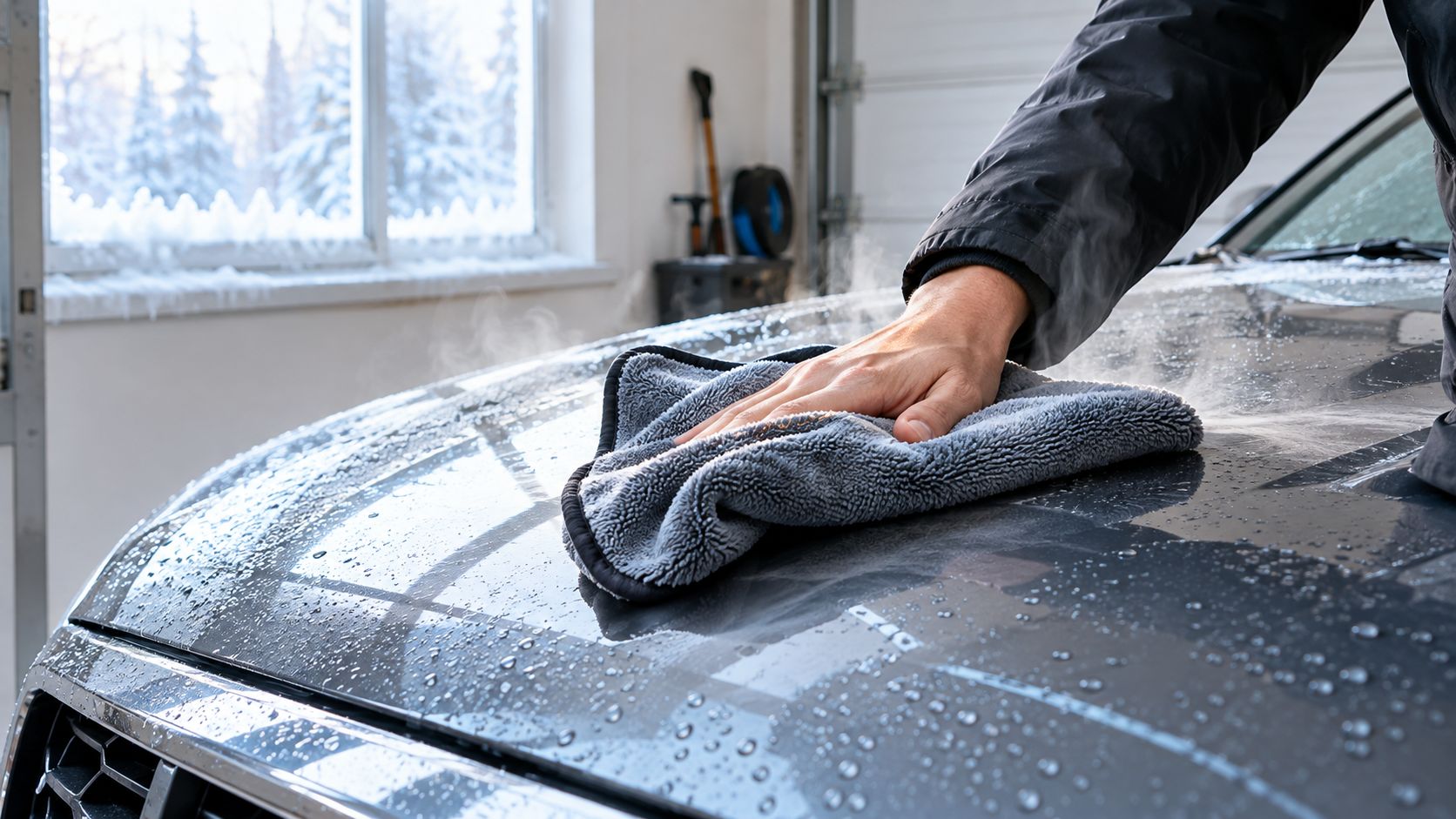
Use an air blower first. Direct the airflow into the mirror edges, handles, badges, grille openings, door jambs and the gaps around the boot. Open each door briefly and clear the lower seal, latch area and sill. Do the same with the boot and bonnet, especially if the vehicle is going straight into cold air.
Dry the paint without dragging grit
Follow the blower with a clean, high-absorbency microfibre towel. Lay the towel flat and lift water from the surface rather than scrubbing. Keep a separate towel for the lower panels, where small particles may remain even after rinsing.
Pay special attention to:
- Door jambs and sills, which can drip onto the seal.
- Wing mirrors, where water freezes inside the housing.
- Window channels, which can make glass stick.
- Wiper arms and the cowl, where snow and dirty water collect.
- The boot lip and bonnet edge, which are easy to overlook.
If a towel touches a gritty lower area, put it aside. A clean towel is cheaper than correcting scratches caused by dragging salt across the clear coat.
Don't overlook the cabin
Winter moisture also enters with boots, coats and floor mats. Remove loose slush from the mats, vacuum the grit and let damp mats dry somewhere ventilated when possible. Keep the cabin's ventilation system operating normally, rather than trapping moisture behind closed windows.
Never rely on a thin layer of ice to disappear by forcing a door or window. Warm the vehicle gradually, clear the seal and use a proper ice scraper on glass. A careful drying routine reduces the chances of dealing with frozen locks, stuck seals and water spots after the wash.
Protecting Your Vehicle from Future Damage
Washing removes the immediate salt load. Protection reduces how readily the next layer of grime bonds to the surface. On painted panels, a suitable wax or sealant can make routine rinsing easier, but no coating replaces underbody cleaning. A protected bonnet doesn't compensate for an untreated frame rail receiving salty spray.
Protection also needs to match how the vehicle is used. A city car that stays off the highway may need a different routine from a delivery vehicle, work truck or SUV that travels through brine-treated roads every day. The right choice is the one you can maintain consistently.
Paint protection has a clear role
A wax, synthetic sealant or ceramic coating creates a more resistant surface on the paint. That helps with washing and reduces the effort needed to remove traffic film. It doesn't make the vehicle corrosion-proof, and it doesn't reach every mechanical component underneath.
Keep the process simple:
- Wax suits routine upkeep, particularly when you want a straightforward layer before repeated winter washing.
- A synthetic sealant offers another paint-focused option, especially for owners who prefer less frequent reapplication.
- A ceramic coating requires proper preparation, because bonding over salt, contamination or neglected paint defeats the purpose.
Treat the lower panels with the same care as the bonnet. Salt often sits longest around the rocker panels, behind the wheels and along trim edges, so those areas need frequent cleaning regardless of the paint protection chosen.
Rust proofing addresses the underside
Rust proofing is worth considering when the vehicle faces repeated Ontario salt exposure, particularly if it has a vulnerable underside, high mileage or a long ownership horizon. It should follow a properly cleaned and dried vehicle, not serve as a cover for trapped salt and moisture.
GTA corrosion data reinforces the logic. Coverage of winter rust proofing and Ontario vehicle corrosion notes that deicing salt doubled corrosion in Toronto compared with conditions without salt, alongside the previously measured atmospheric corrosion. That is why a sensible winter plan combines timely washing, underbody rinsing and corrosion protection.
Protection has limits. It won't repair existing rust, seal a damaged brake line or restore metal that has already weakened. Inspect suspicious bubbling, flaking and structural corrosion promptly, and ask a qualified technician to assess damage before applying any protective product.
Your Winter Car Care Checklist
Use road conditions as your trigger, not just the calendar. A driver who commutes daily on treated highways needs a shorter routine than someone who drives occasionally on cleared city streets. The vehicle's lower panels and underside tell you more than its roof does.
Keep this checklist practical:
- Wash on a regular cycle: Aim for every 7 to 14 days during Ontario winter driving. GTA drivers who face frequent brine and highway spray should favour the shorter end of that range, while lighter urban use may suit the longer end. This Ontario winter washing guidance also identifies washing within 24 hours of heavy salt or brine exposure as the best corrosion-prevention window.
- React to major salt events: Book or perform a wash after a storm, thaw or long drive on wet treated roads. White residue on the lower doors is a useful warning that the underside needs attention.
- Choose the underbody option: An exterior wash improves appearance, but an underbody rinse is the part that targets the salt collecting below the vehicle.
- Dry every opening: Clear door seals, handles, mirrors, window channels, the boot lip and bonnet edges before parking outside.
- Protect after cleaning: Use an appropriate paint protectant, and consider rust proofing when salt exposure is frequent or the vehicle will remain in service through many Ontario winters.
- Inspect instead of guessing: Look for bubbling paint, flaking metal, damaged seals and unusual corrosion around the underside. Washing prevents accumulation, but it doesn't replace mechanical inspection.
The most useful winter habit is simple: remove salt before it has time to sit, and make sure the rinse reaches beyond the paint.
Nanak Car Wash offers express exterior washes with underbody wash options, along with full-service cleaning, detailing and automotive rust proofing for GTA drivers. Visit Nanak Car Wash to choose a winter wash routine that matches your vehicle, driving pattern and salt exposure.

 6600 Finch Ave W, Etobicoke, ON M9V 3Z6
 647-703-8515
 MON – SUN 8 AM to 7 PM